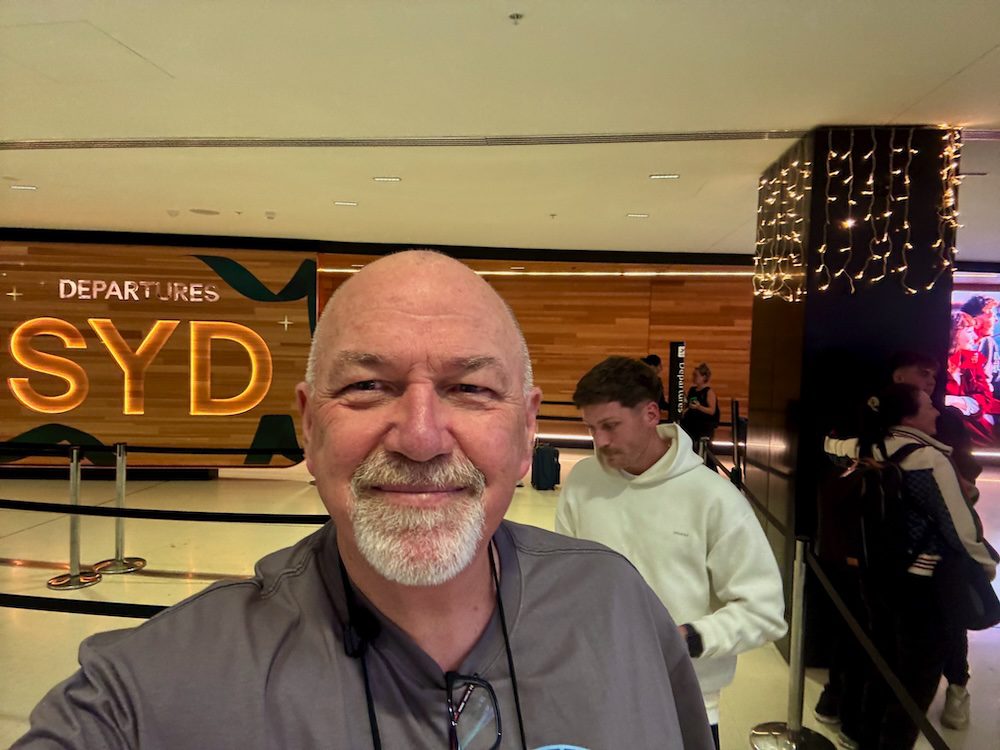
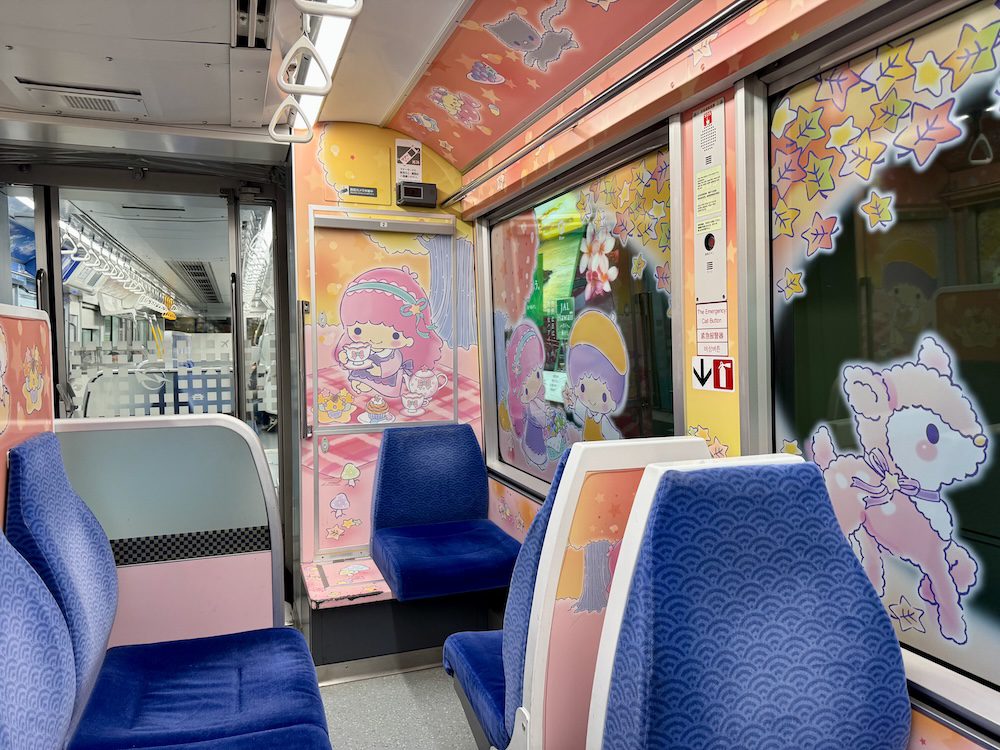
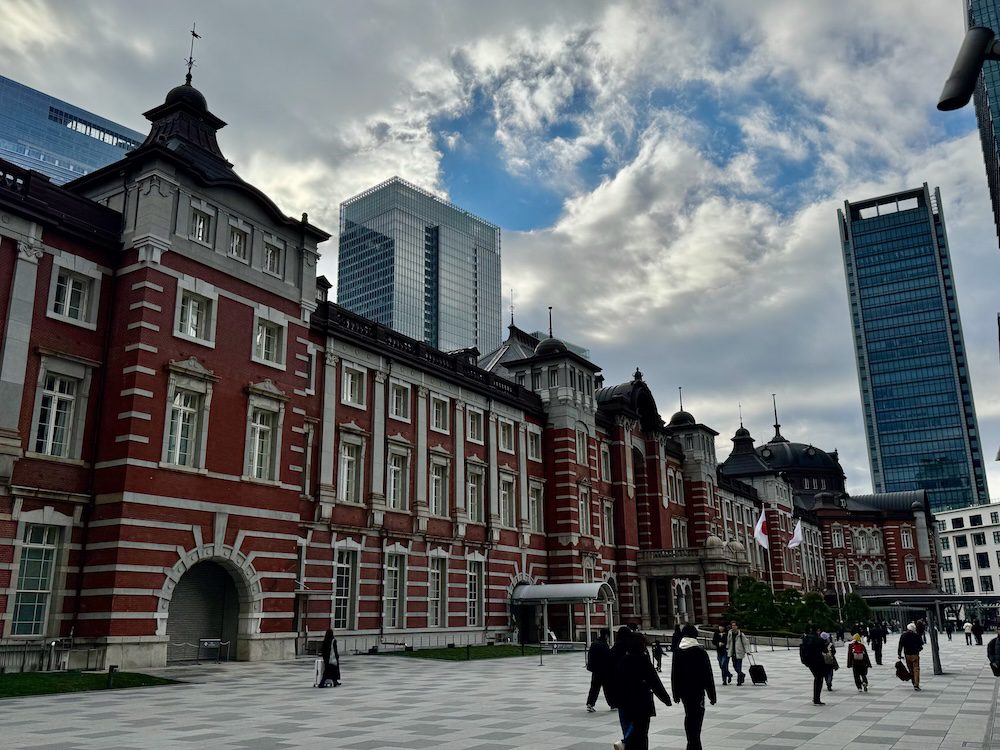
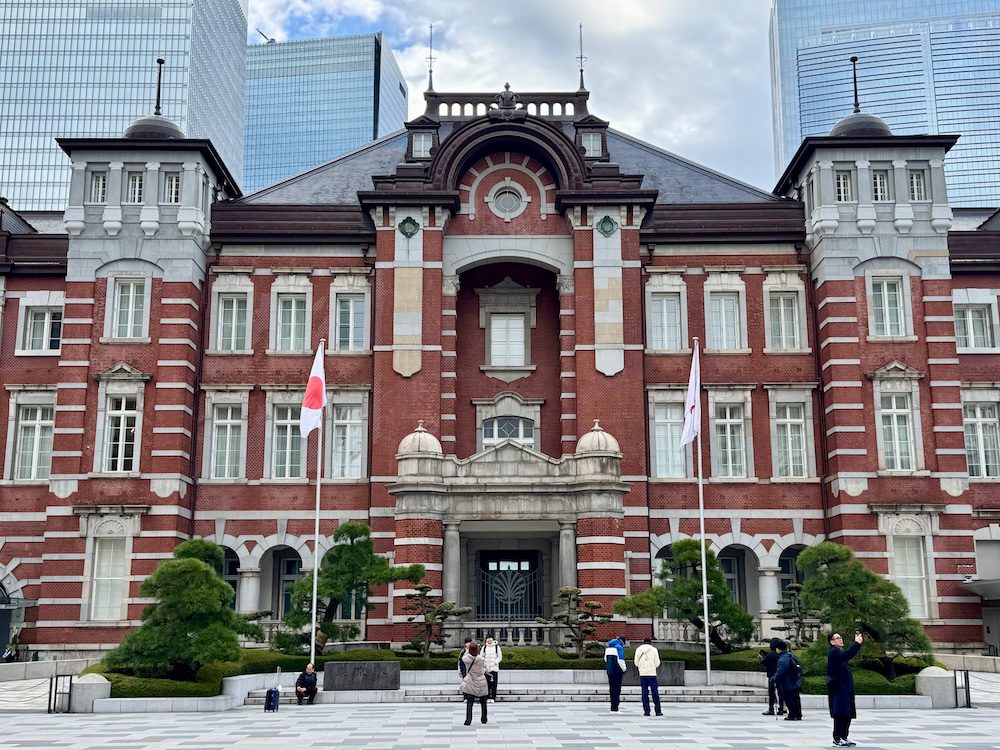
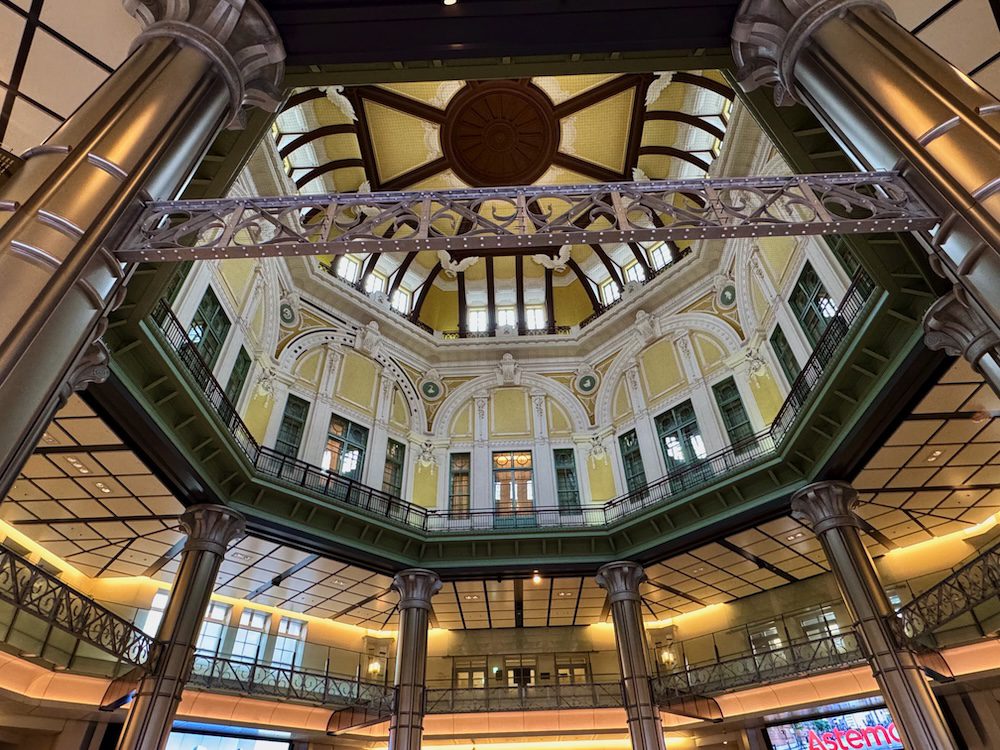
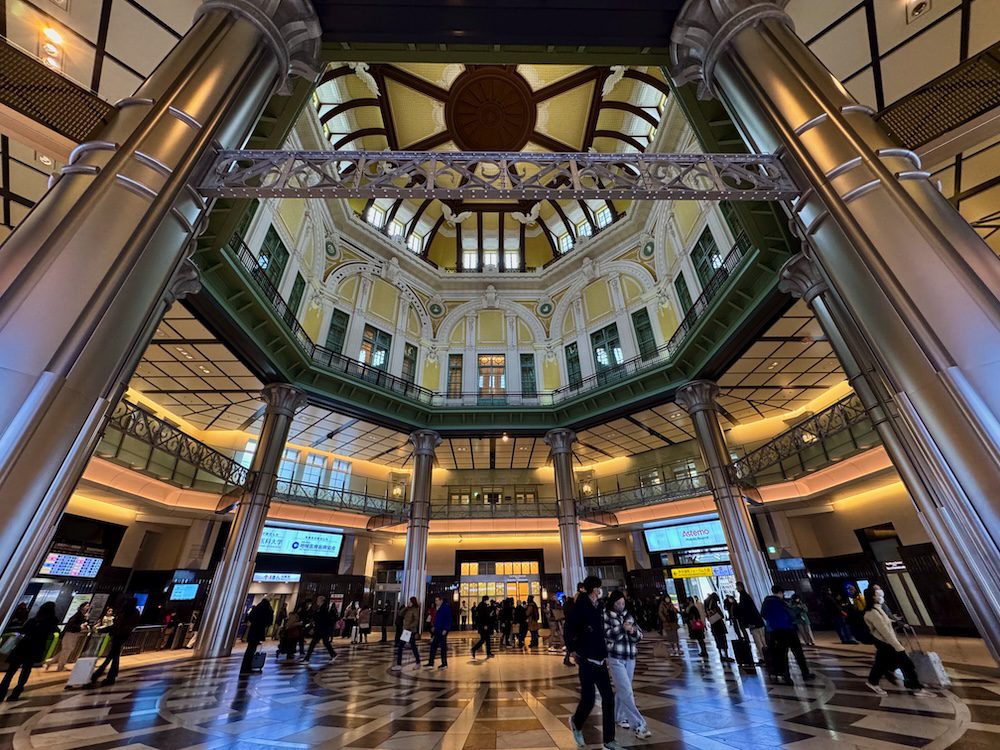
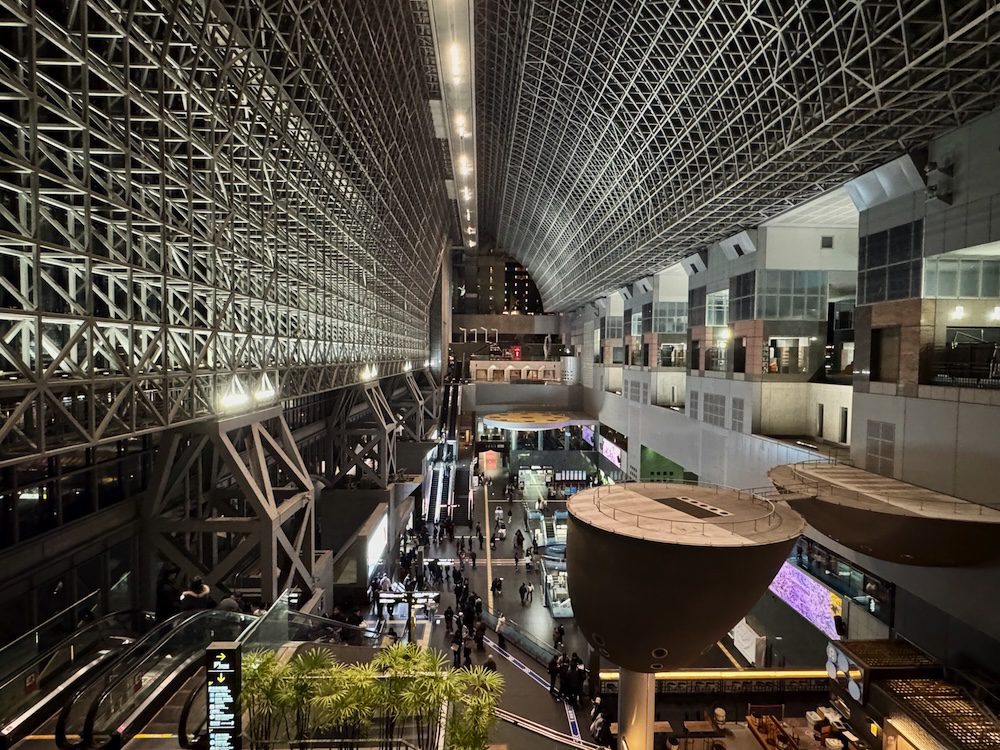
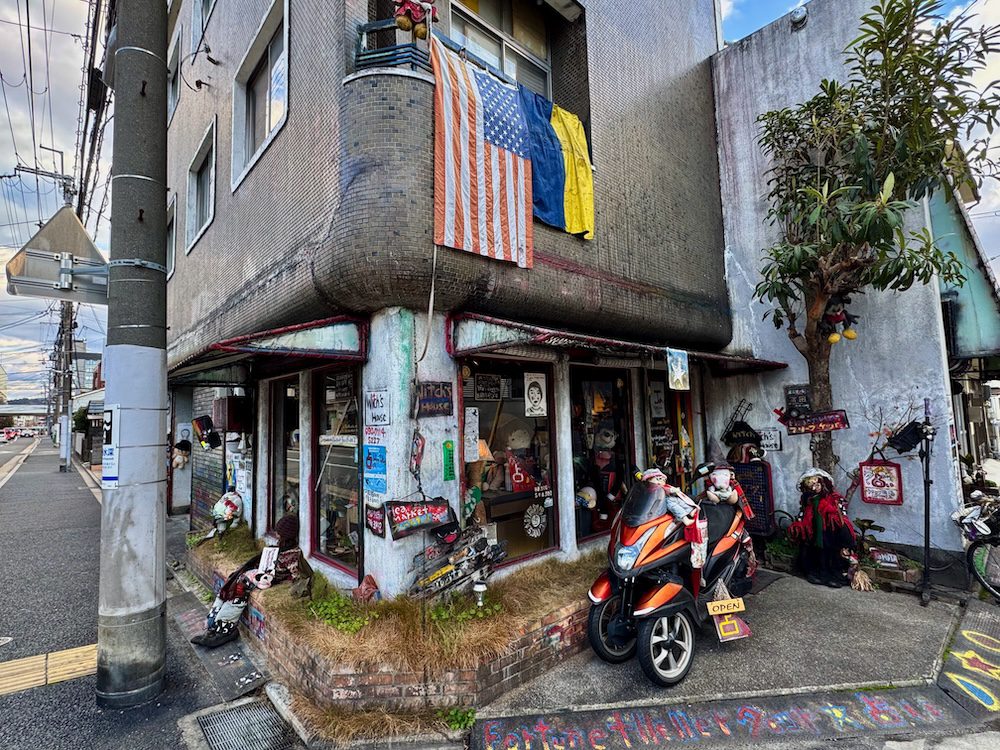
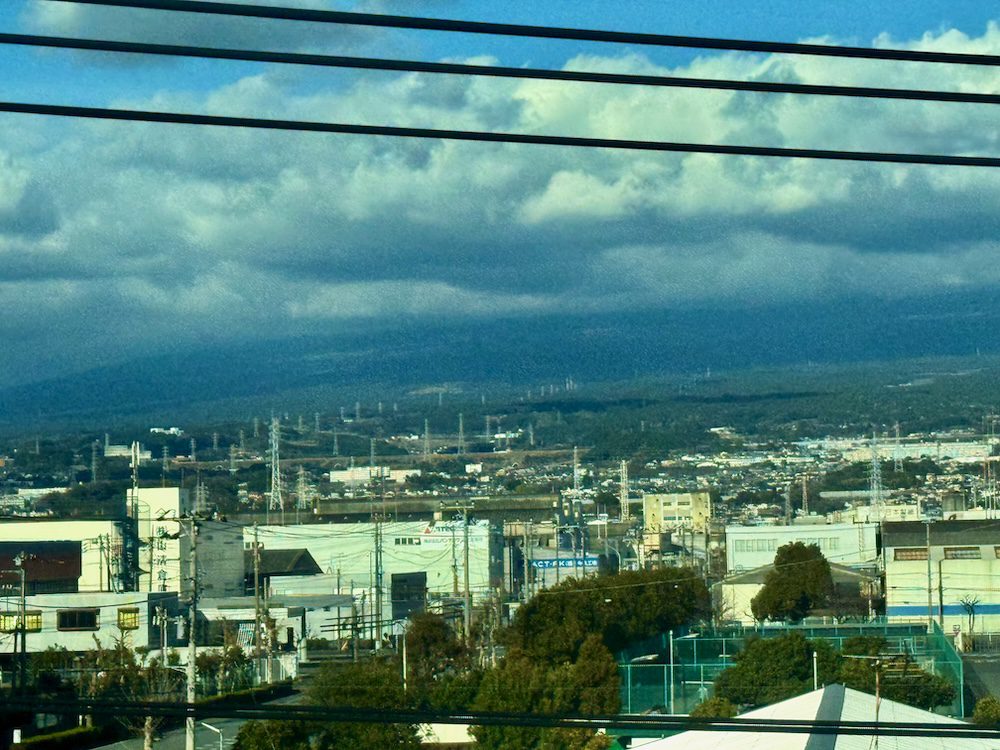
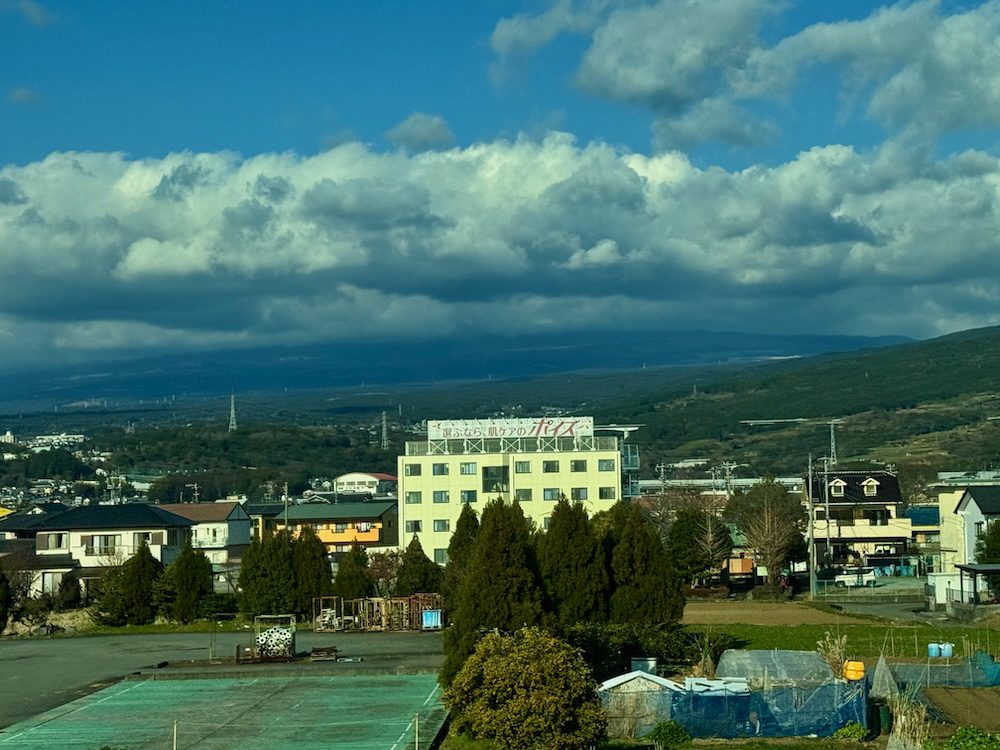
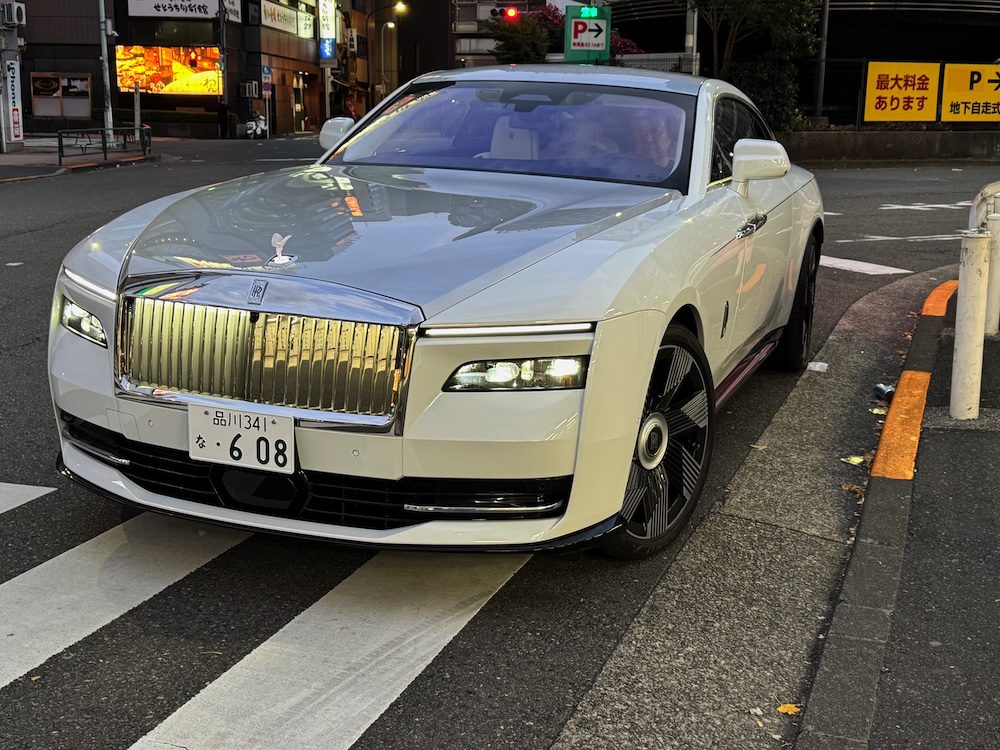
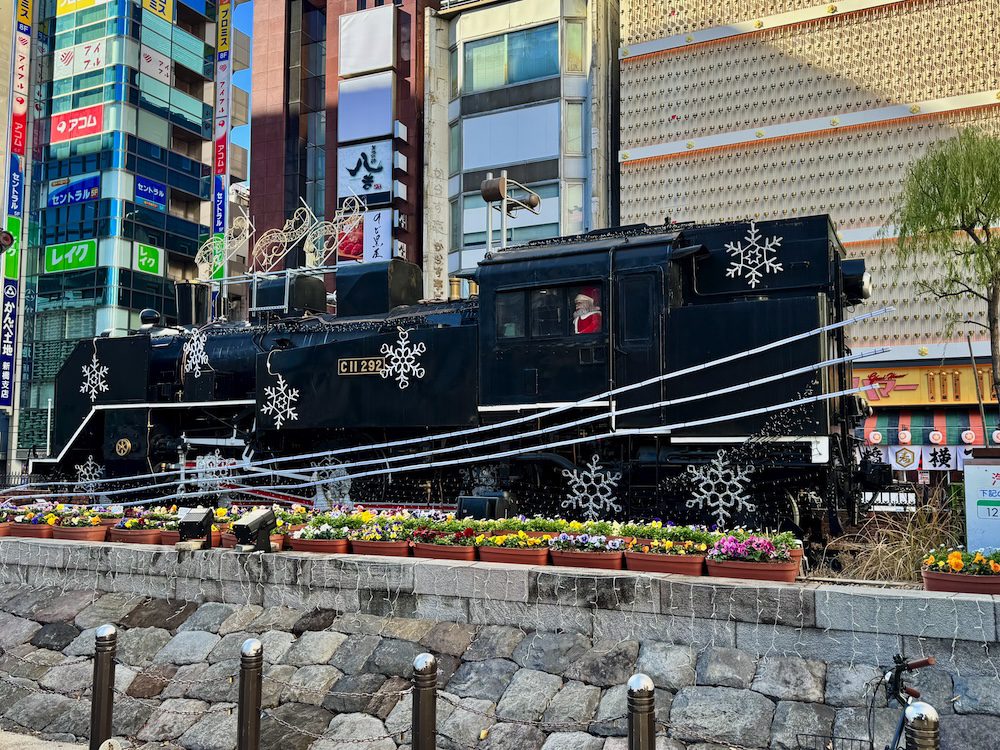
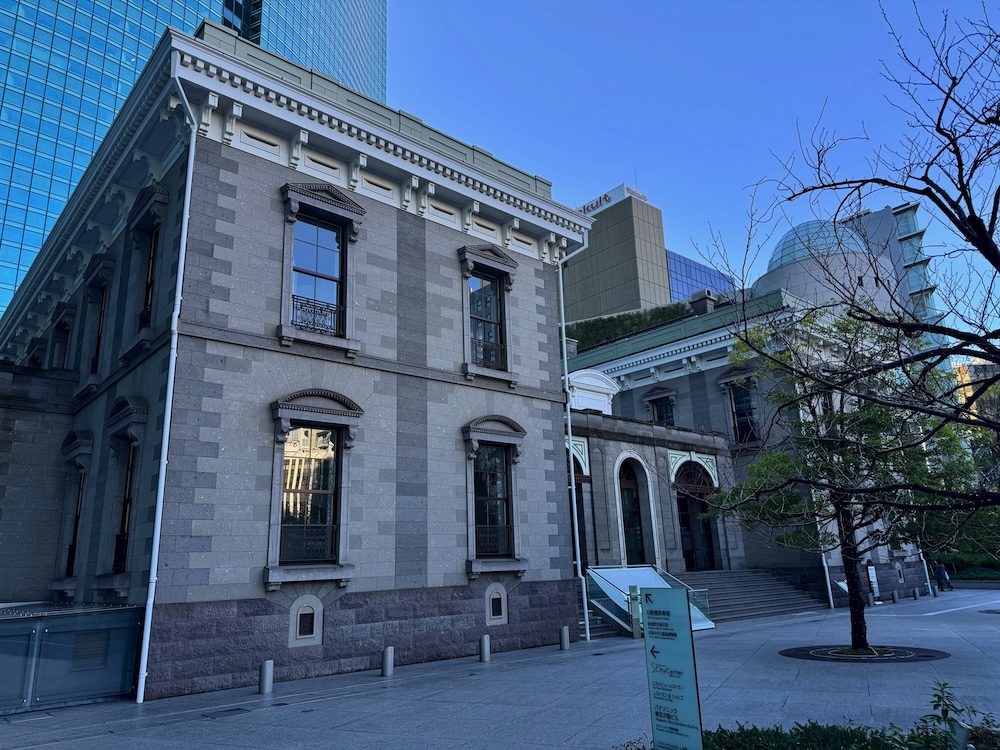
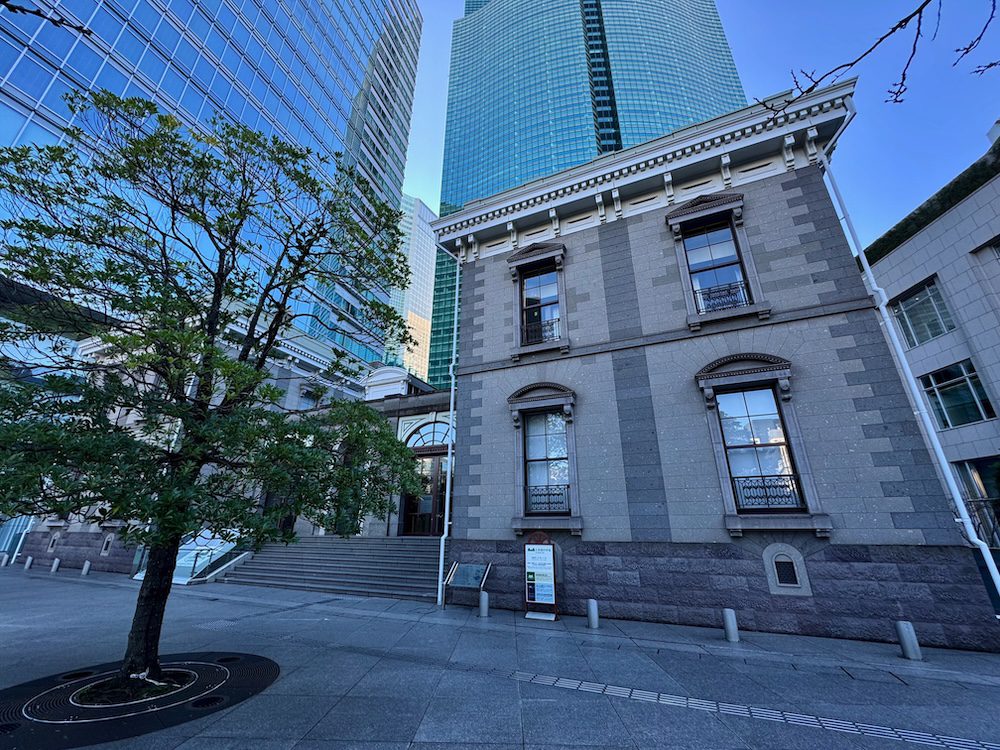
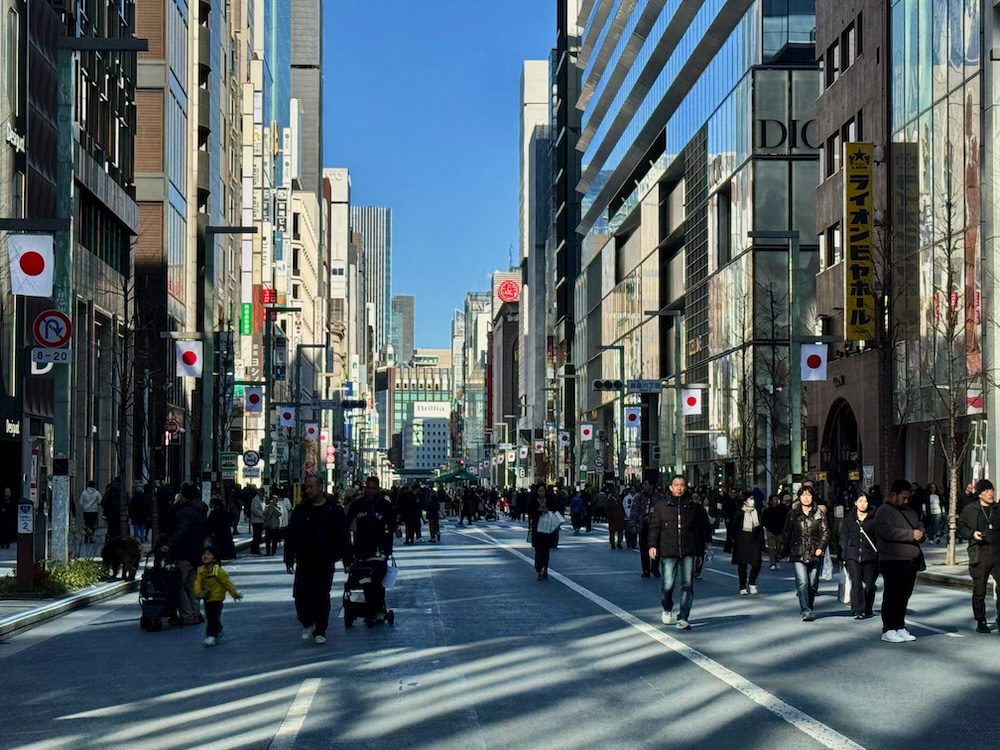
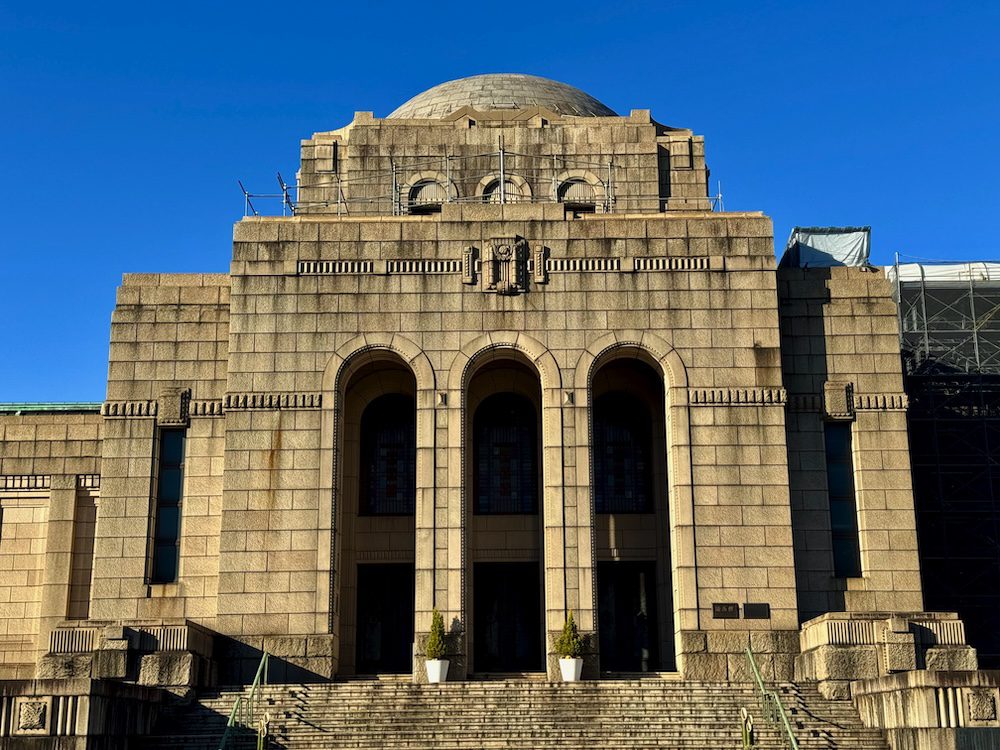
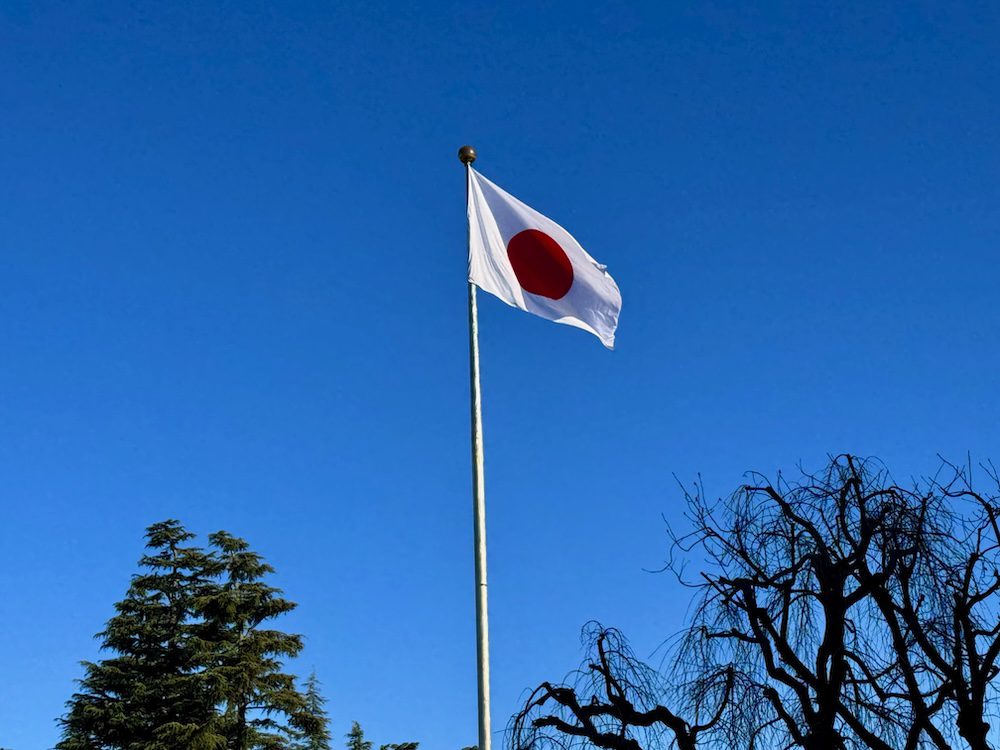
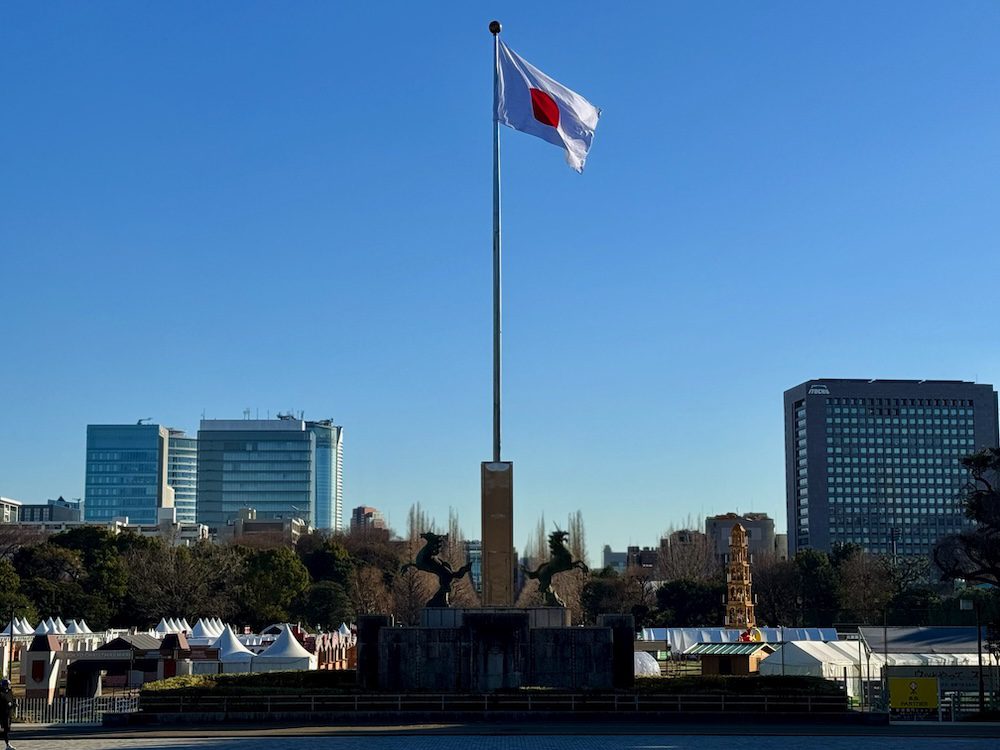
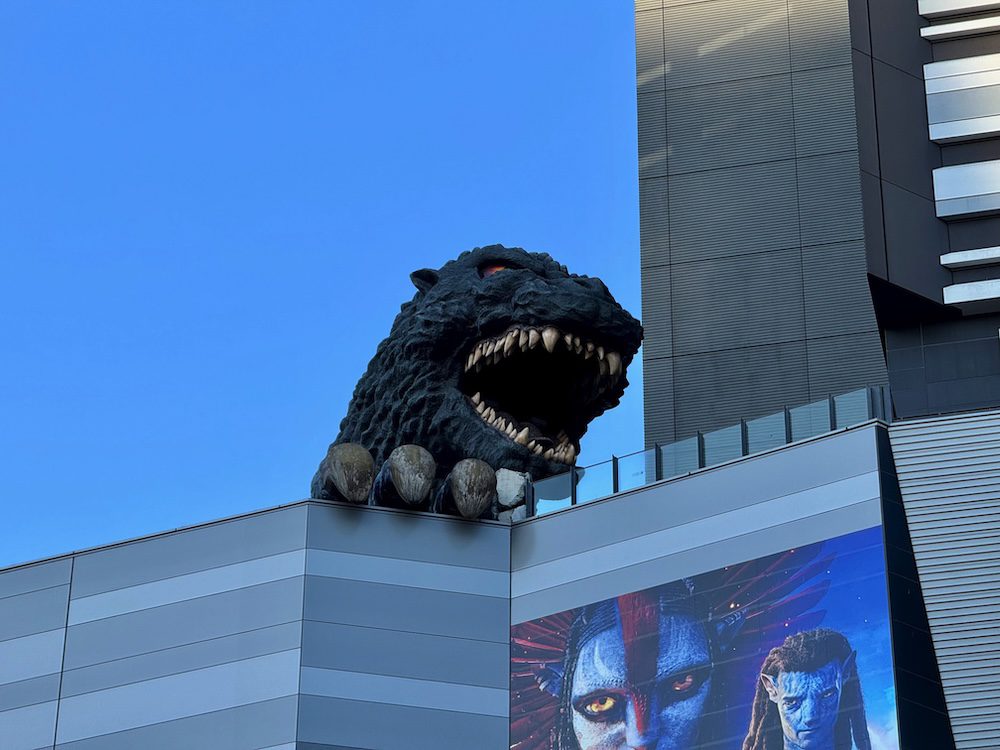
A couple of firsts for me this time around. I have never flown Premium economy before and I’ve never flown the overnight flight to Tokyo from Sydney. On both counts, everything turned out ok. The space at the bulkhead was good and a sleeping tablet helped to sort out the sleep issue. I was fortunate to meet a really nice family in the lounge prior to the flight. It was their first time travelling to Japan so I gave them the website and had a really nice chat with them. The arrival into and out of Tokyo was organised bedlam. Granted it was a busy time of year, a bit of patience and running to make my train (after getting on the wrong one), I was fortunate again to sit next to an interesting gentleman (German-Canadian) who grew up in the Eastern bloc, just outside of Berlin.The beauty of travel is not only the sights you see but also the people you meet along the way.
Kyoto
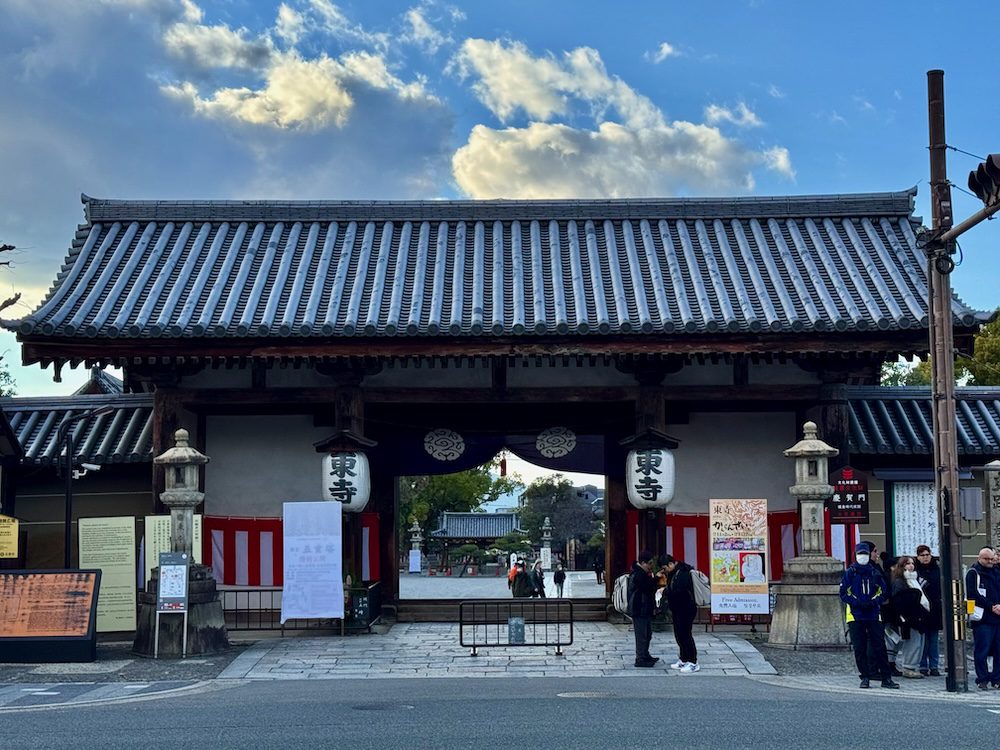
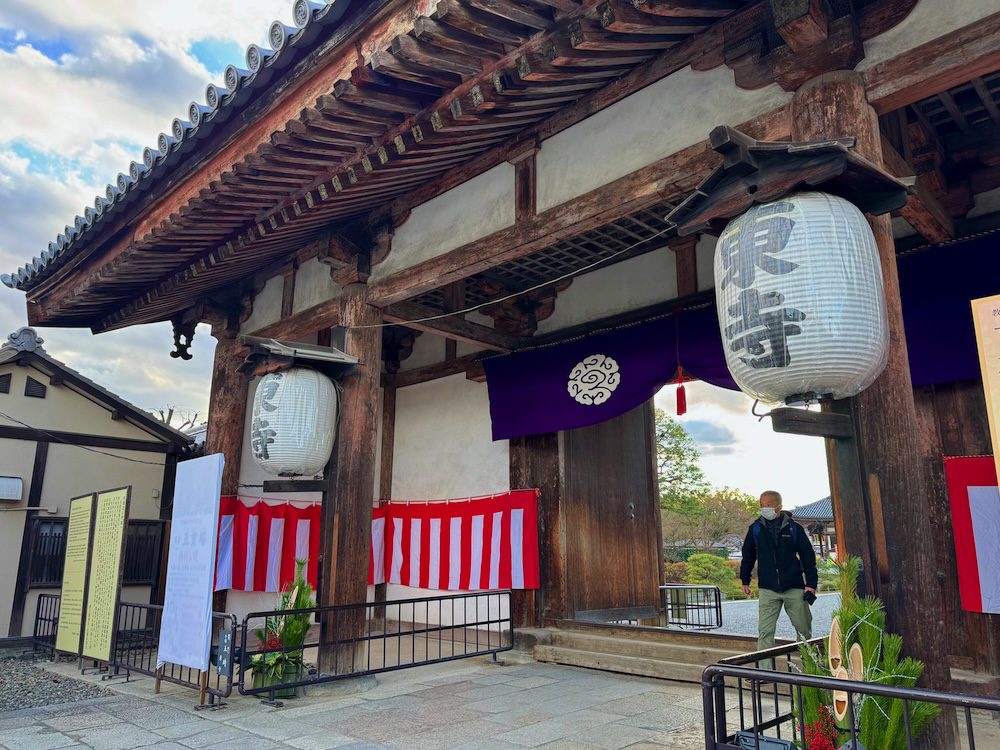
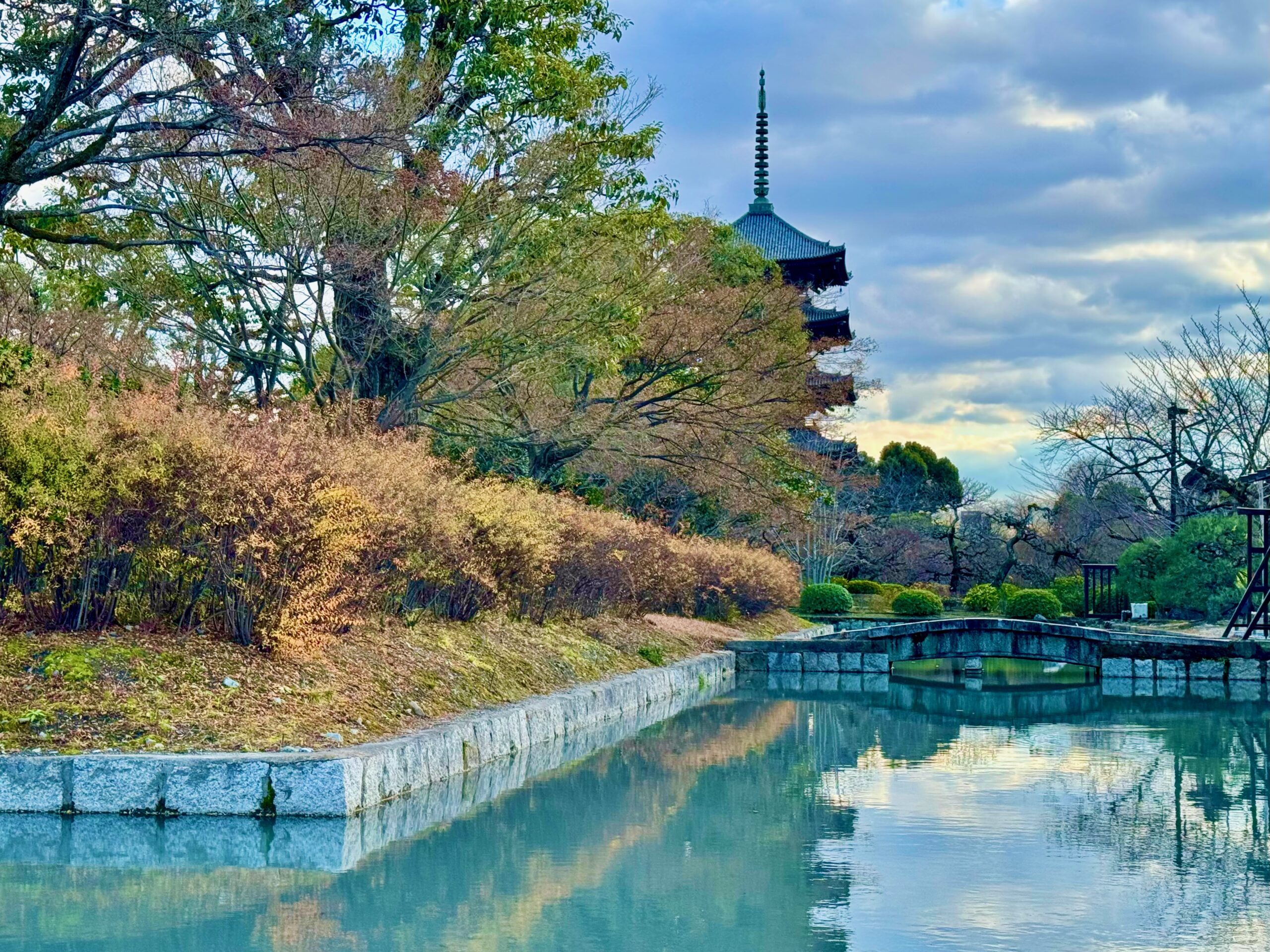
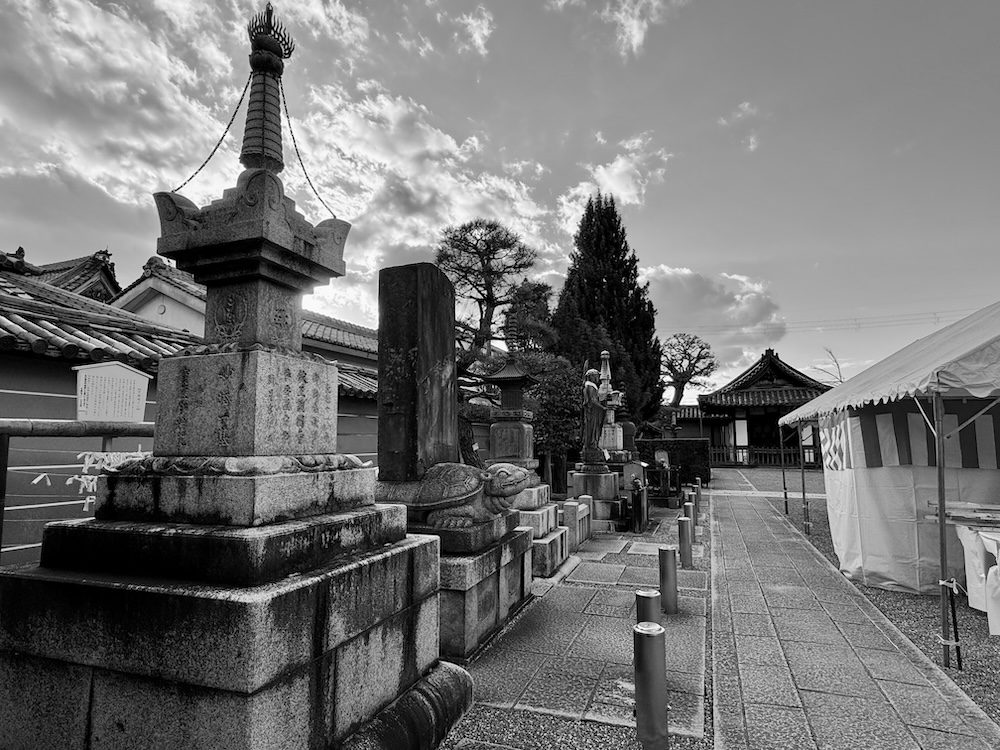
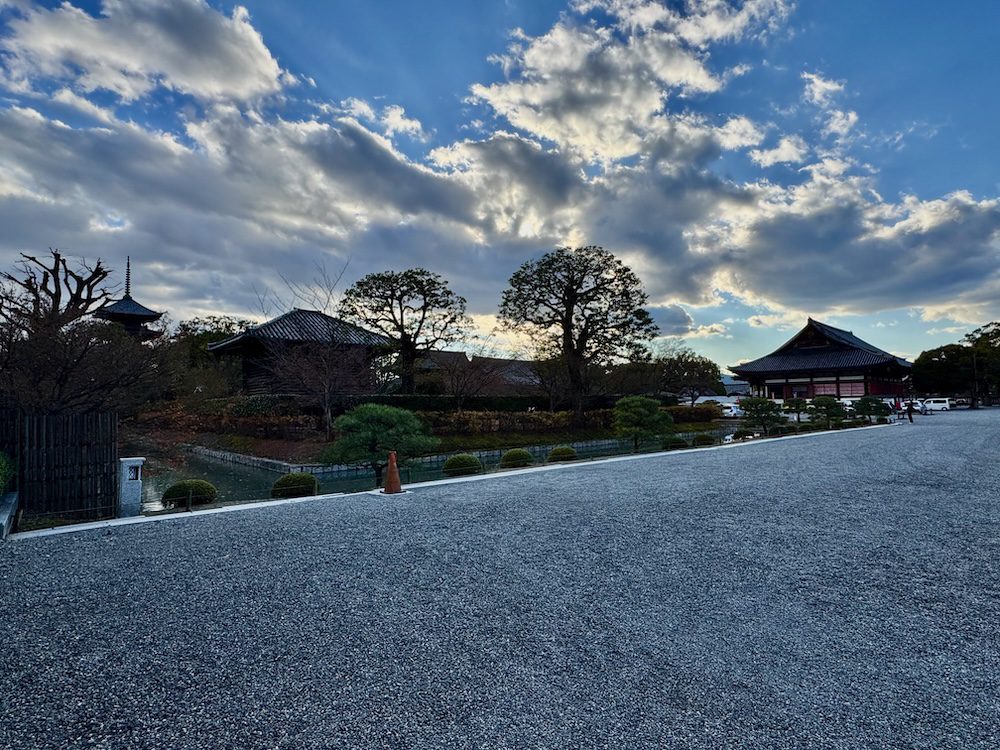
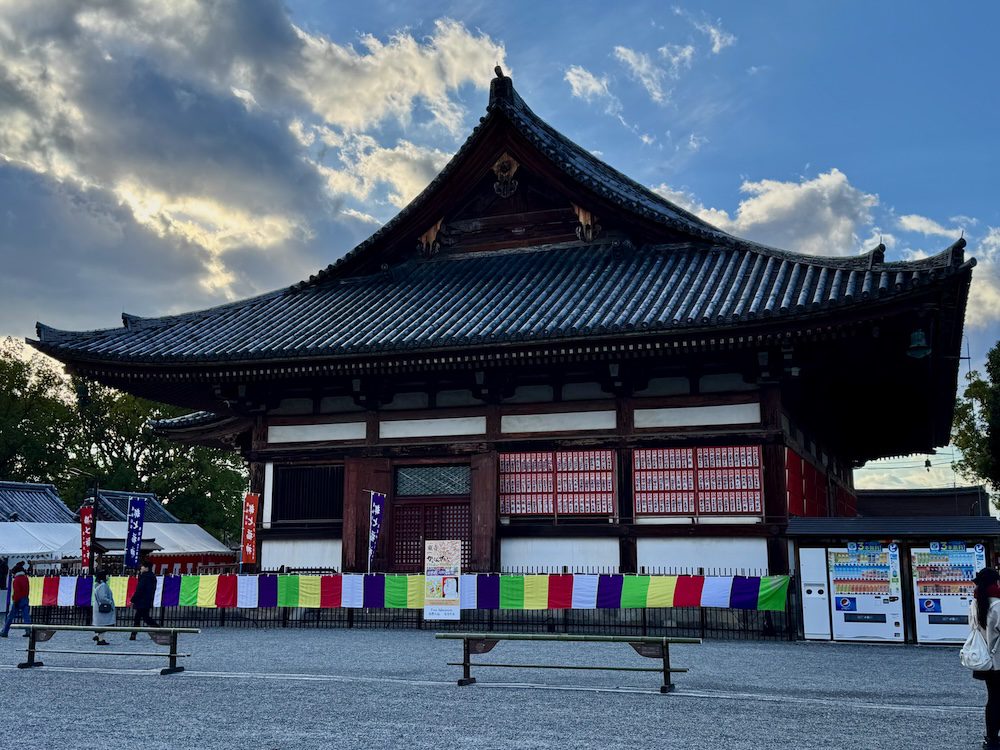
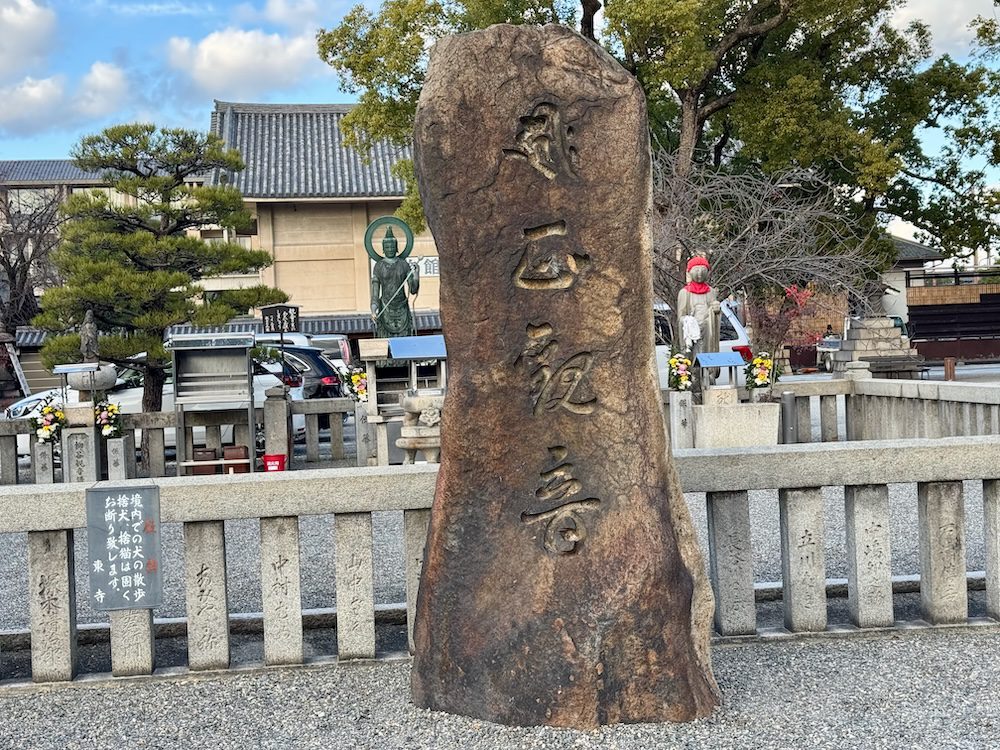
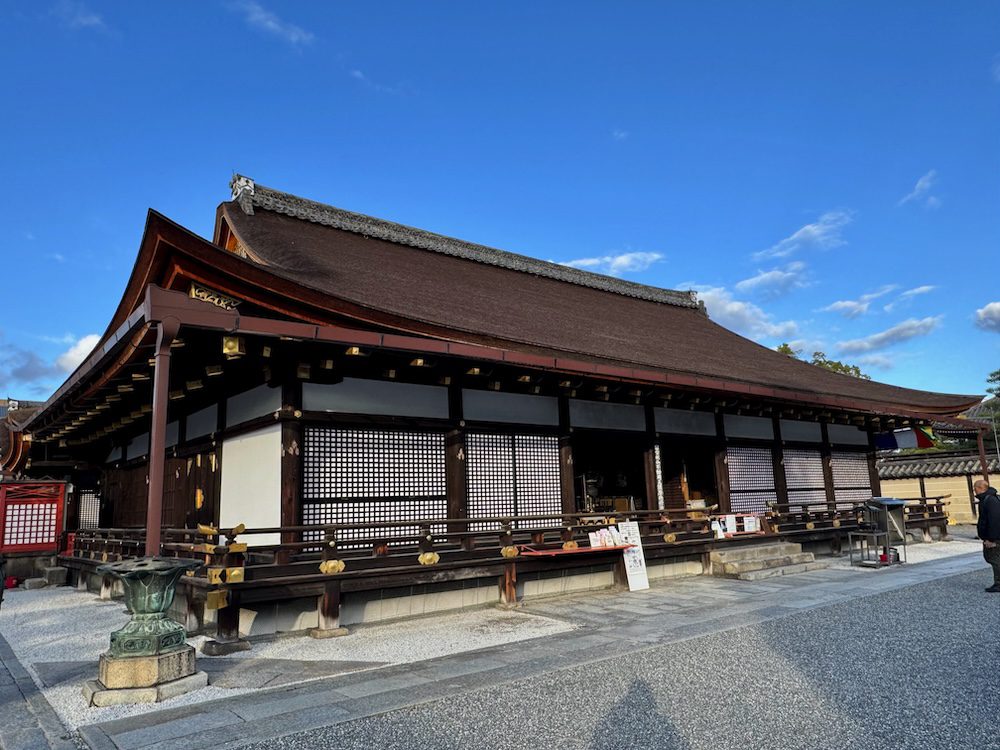
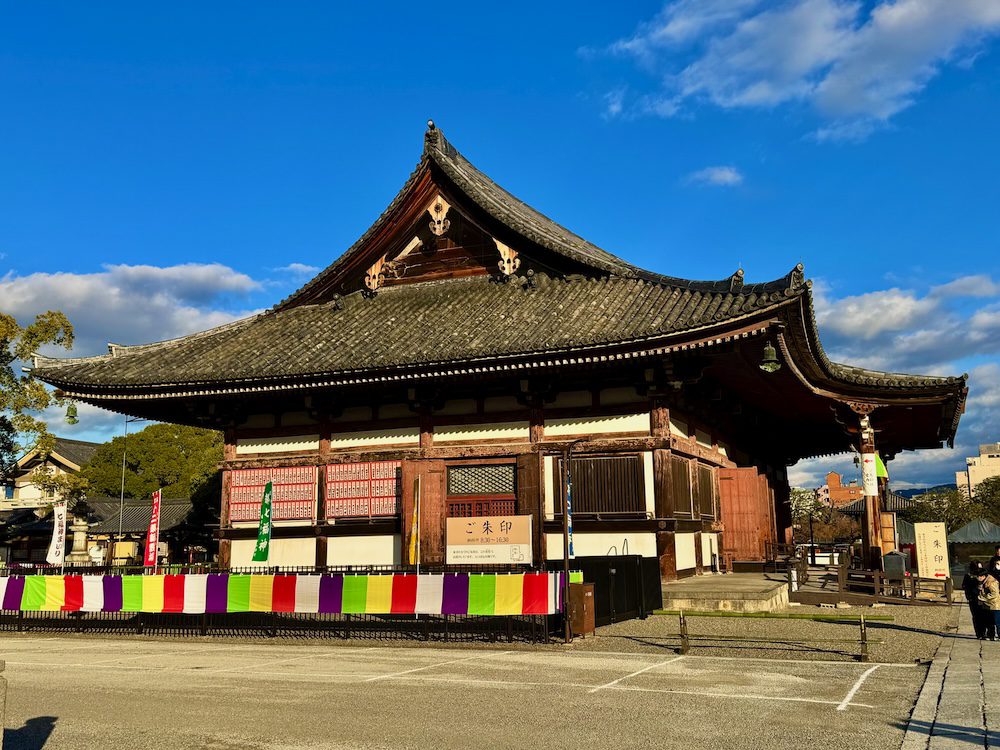
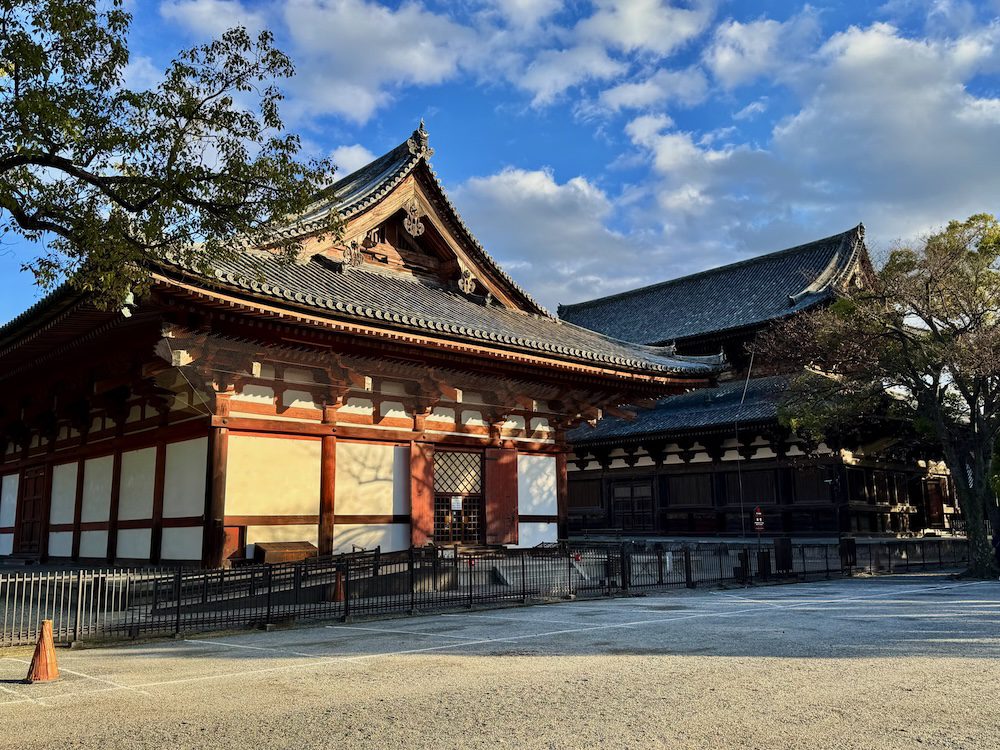
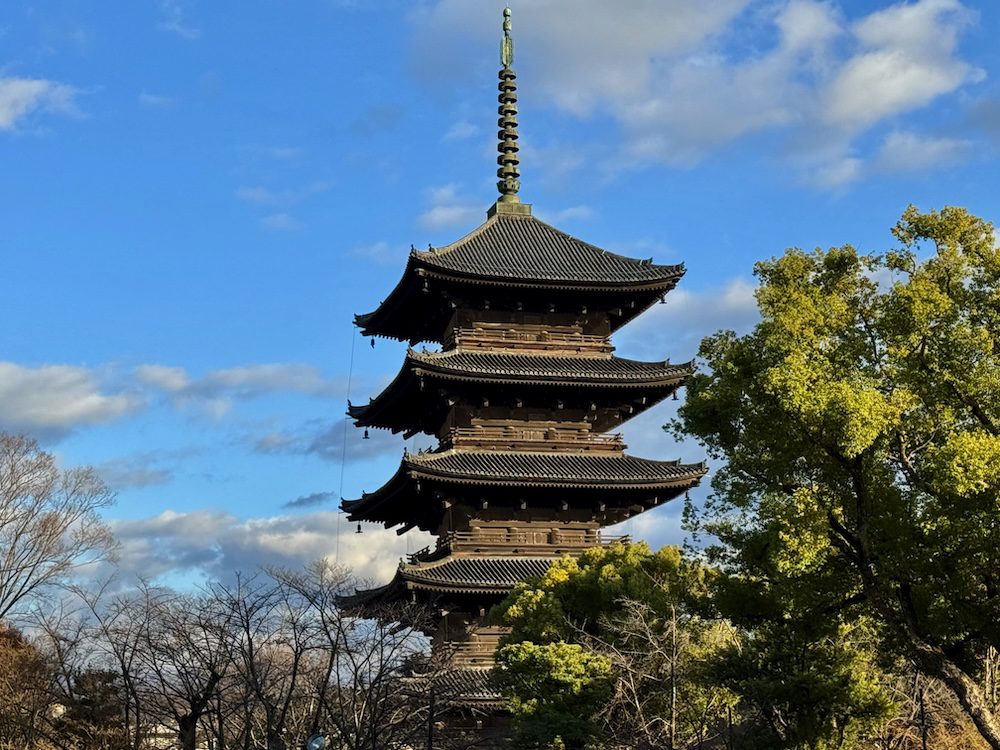
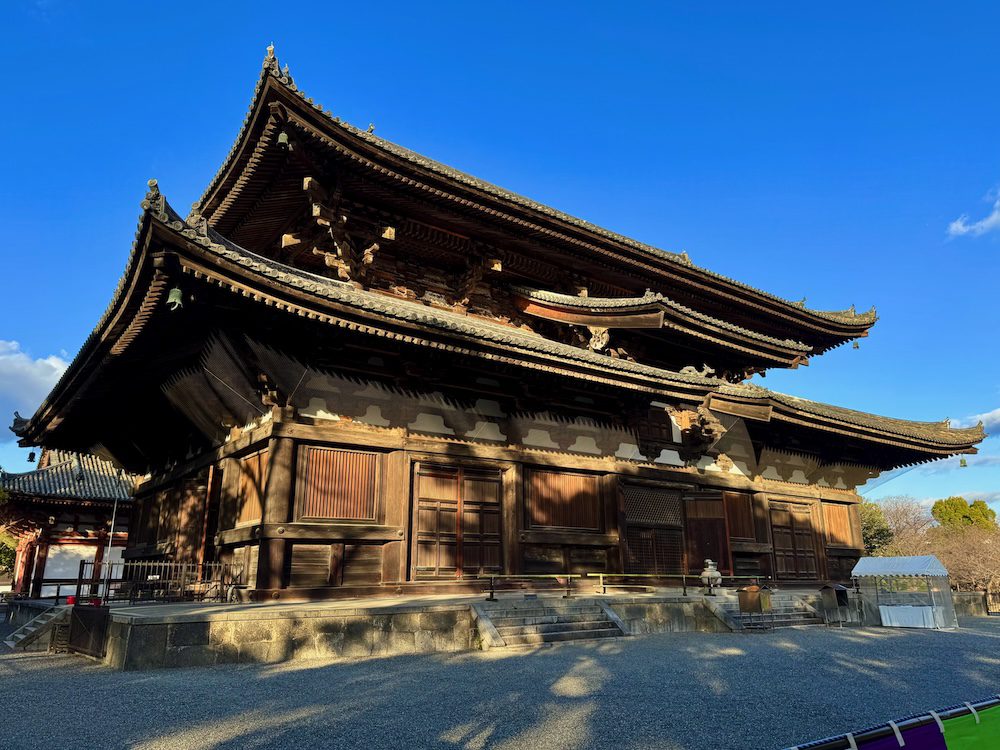
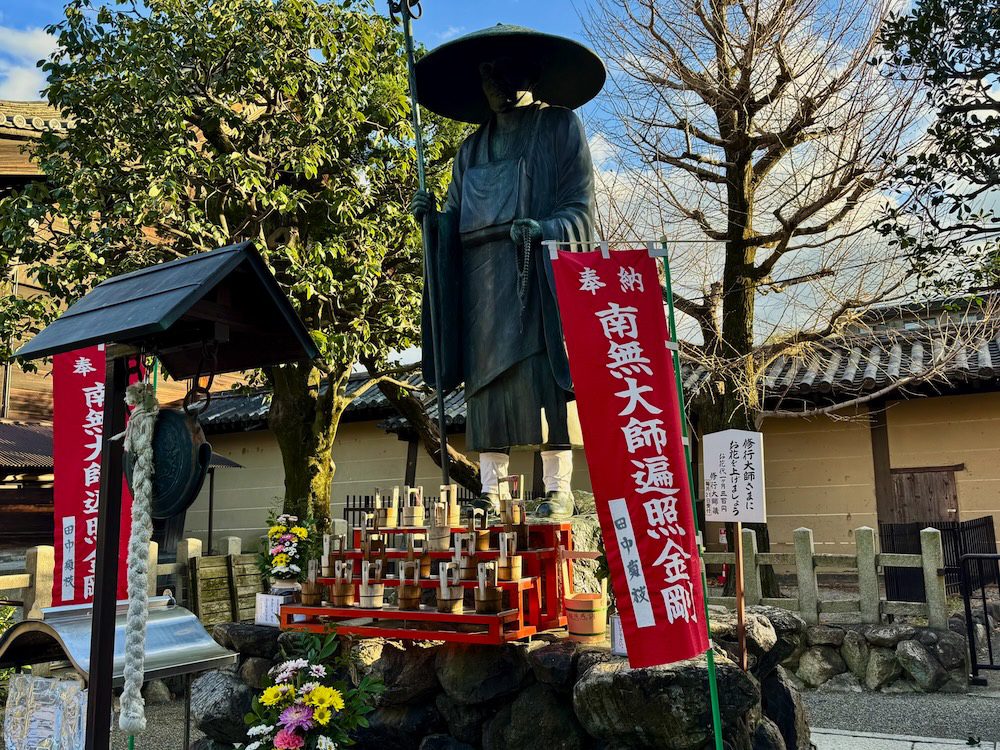
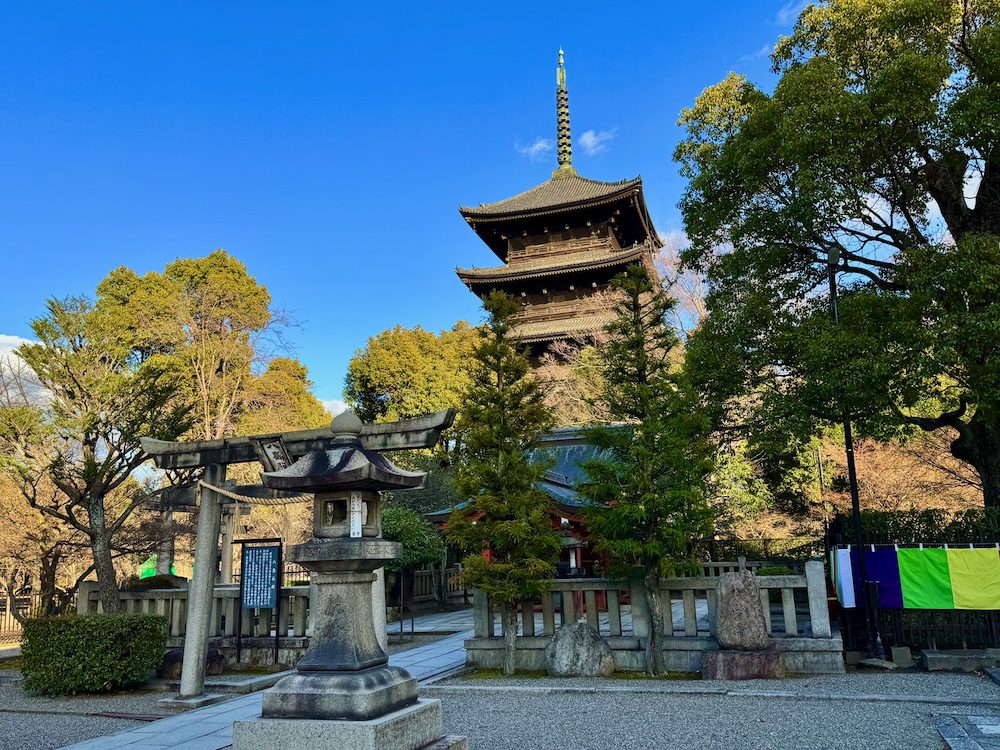
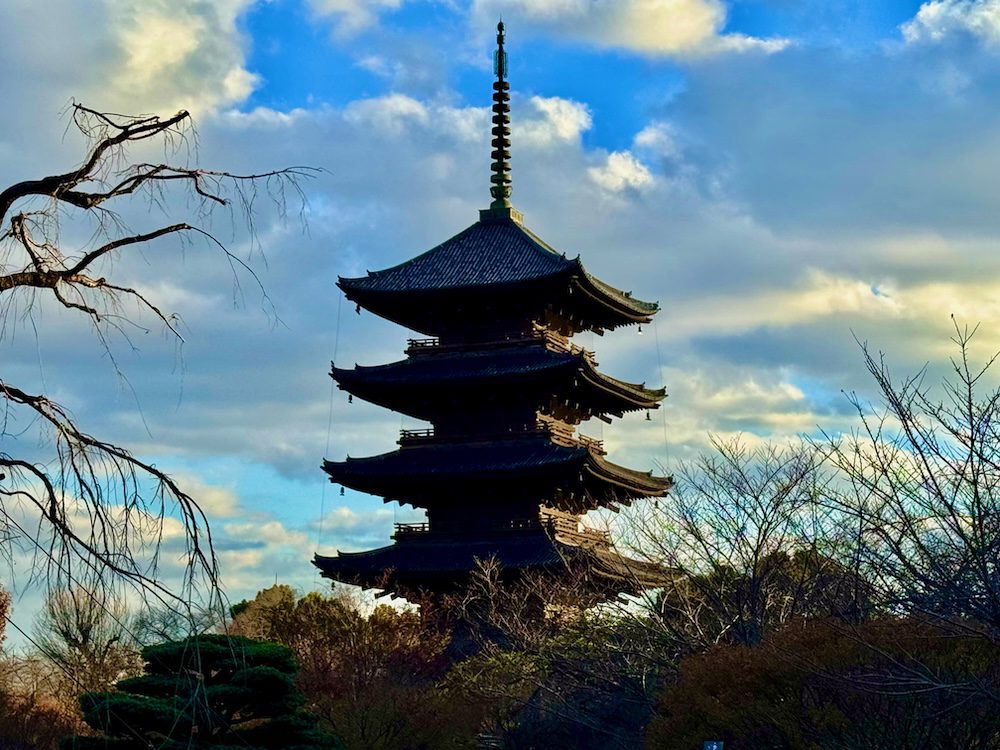
After setting in to my digs, I only had a few hours so I went for a walk to the To-ji Temple whiich wasn’t too far away. This is a site that dates to 796 CE, just two years after the capital moved to Heian-kyō (ancient Kyoto). It is one of Kyoto’s most important and oldest Buddhist temples and was designated a UNESCO World Heritage Site back in 1994. The beauty of the temple against a setting sun captures why travel is so special. The five storey Pagoda, which is the largest in Japan, is the stand out feature along with the sheer craft that went into creating the structures. Anyway, a short walk for some dinner then back to hotel for a rest and a bigger day tomorrow.
On the way to and briefly in Tokyo
To-ji Temple
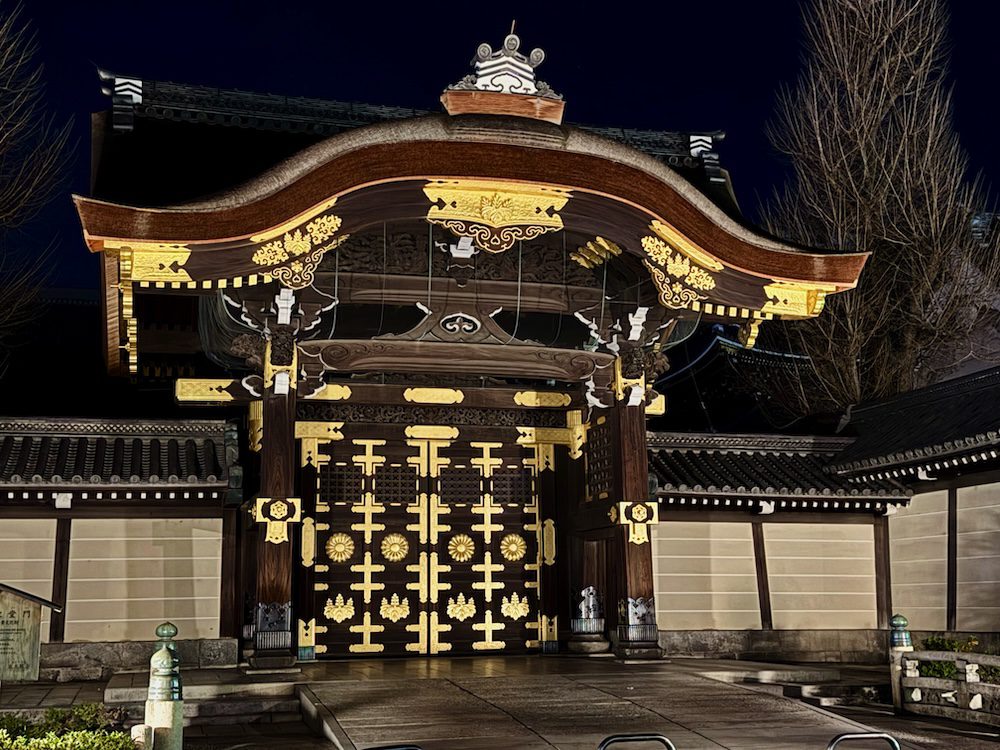
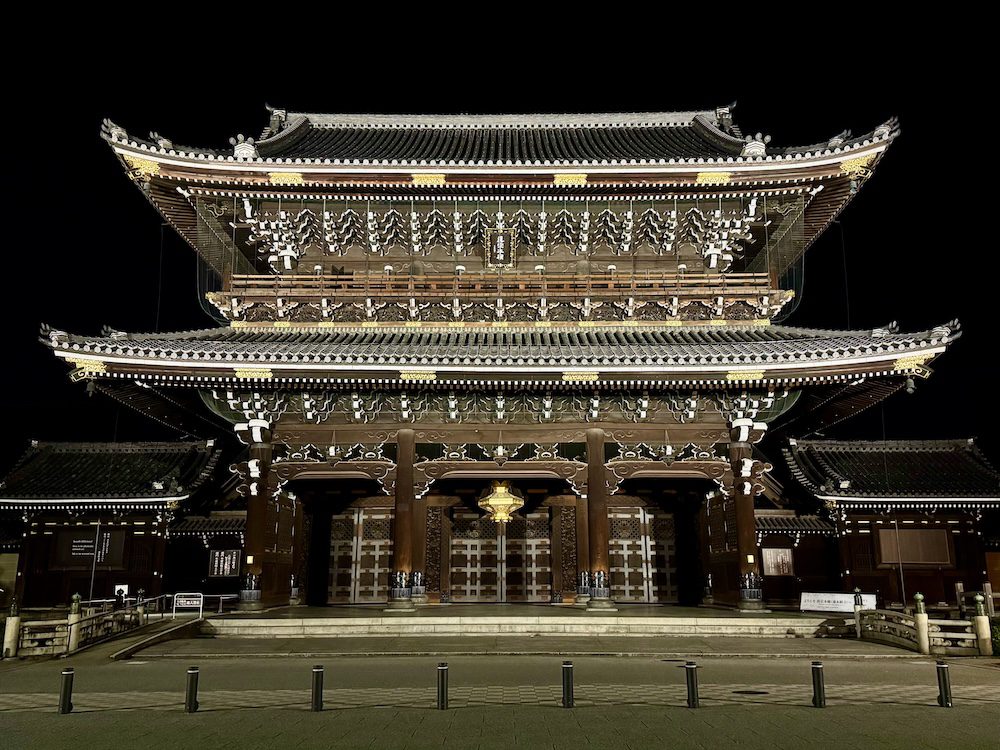
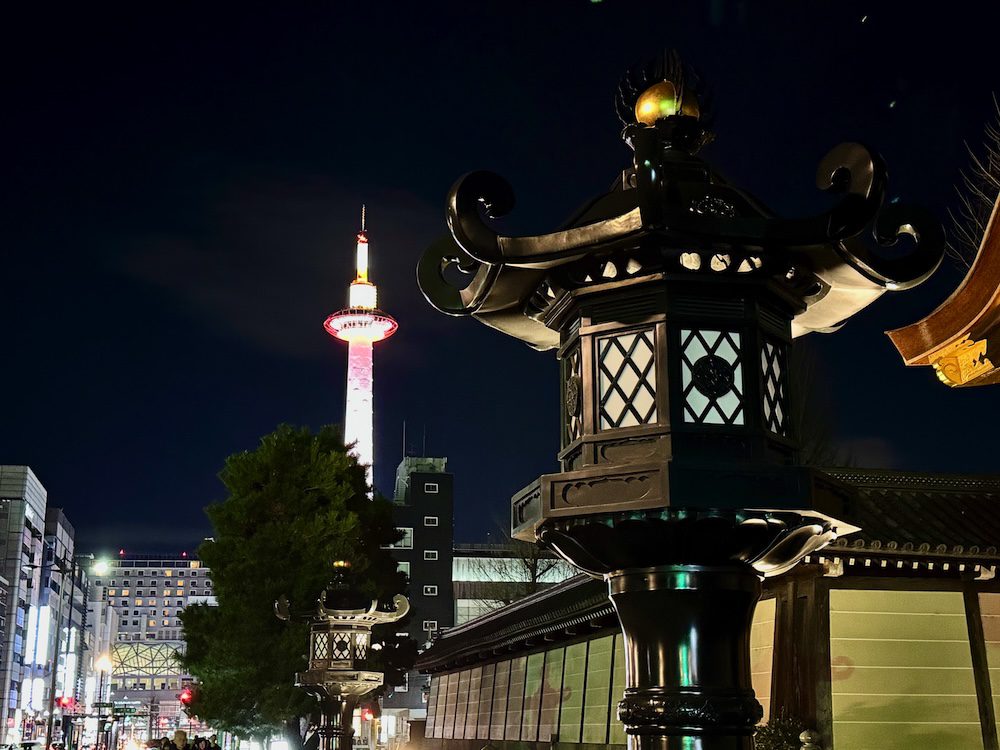
Day & Night in Kyoto
Day 3 - Kyoto
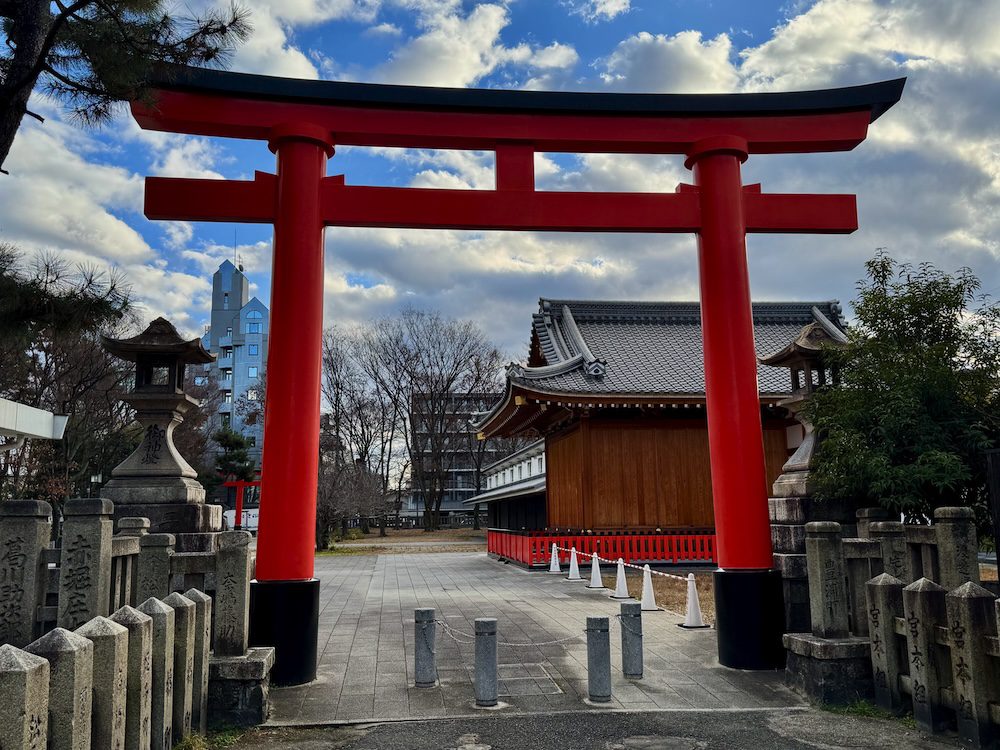
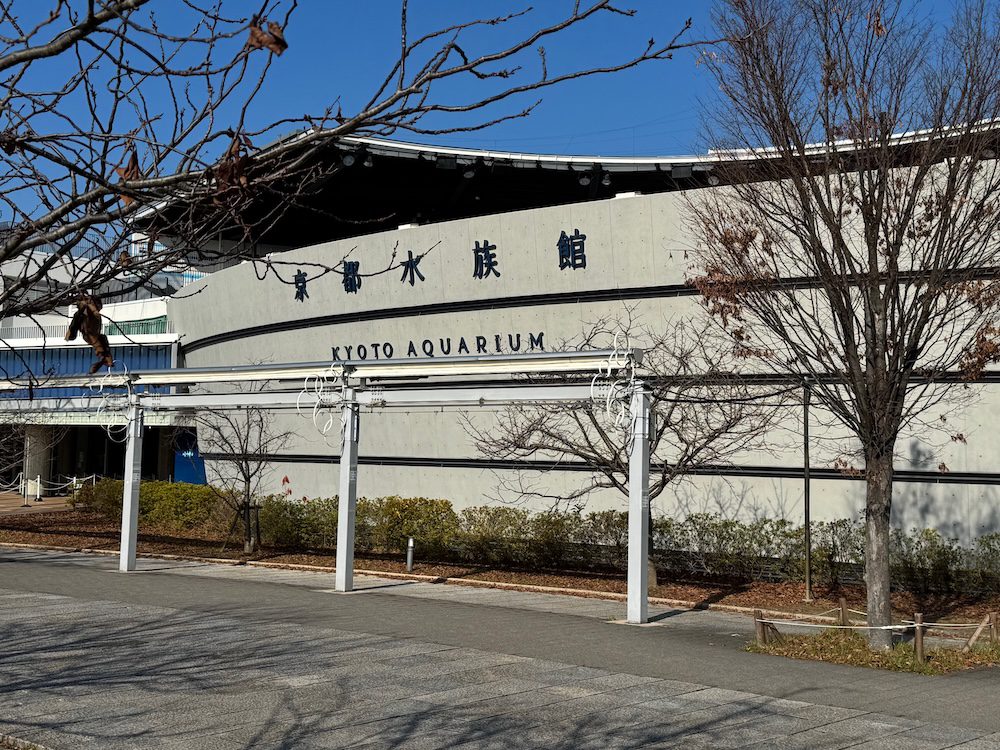
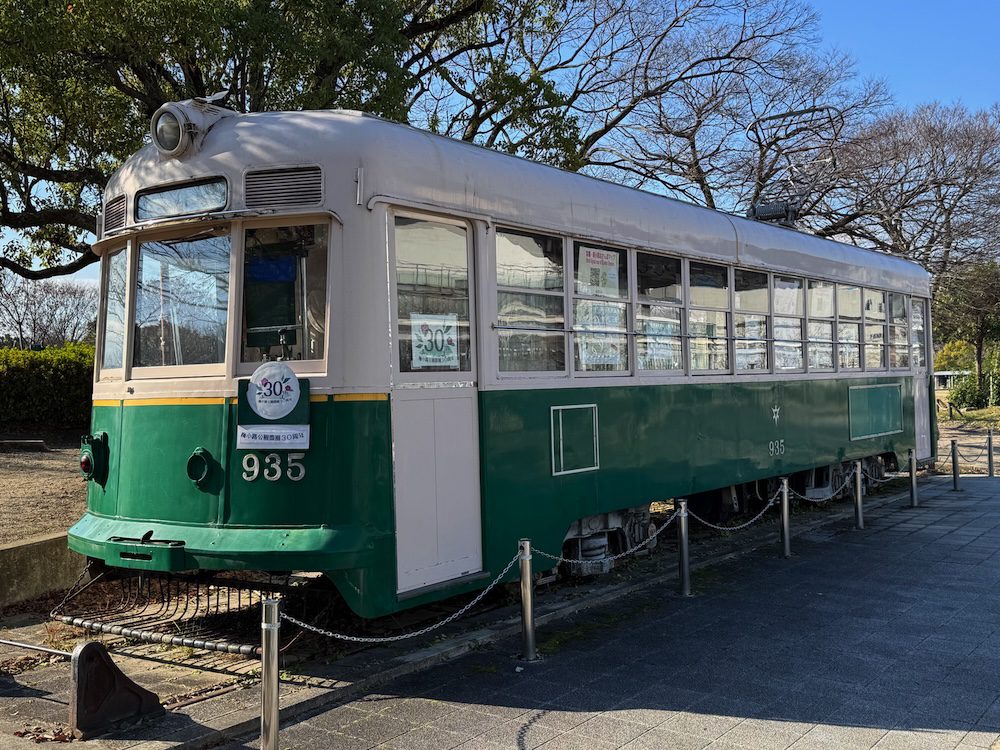
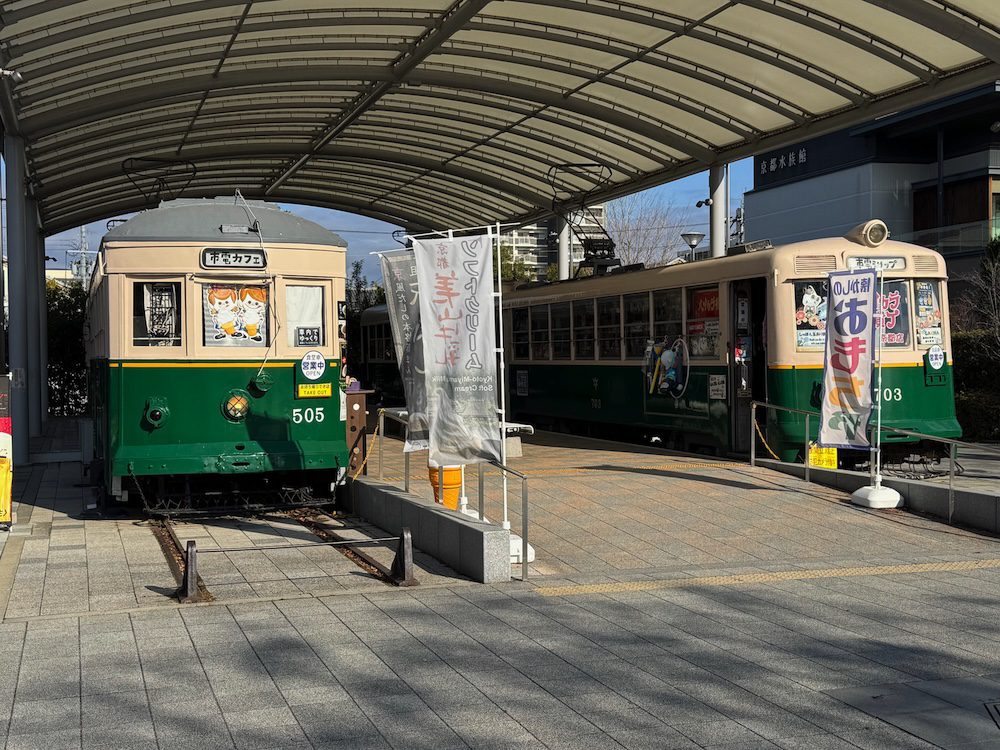
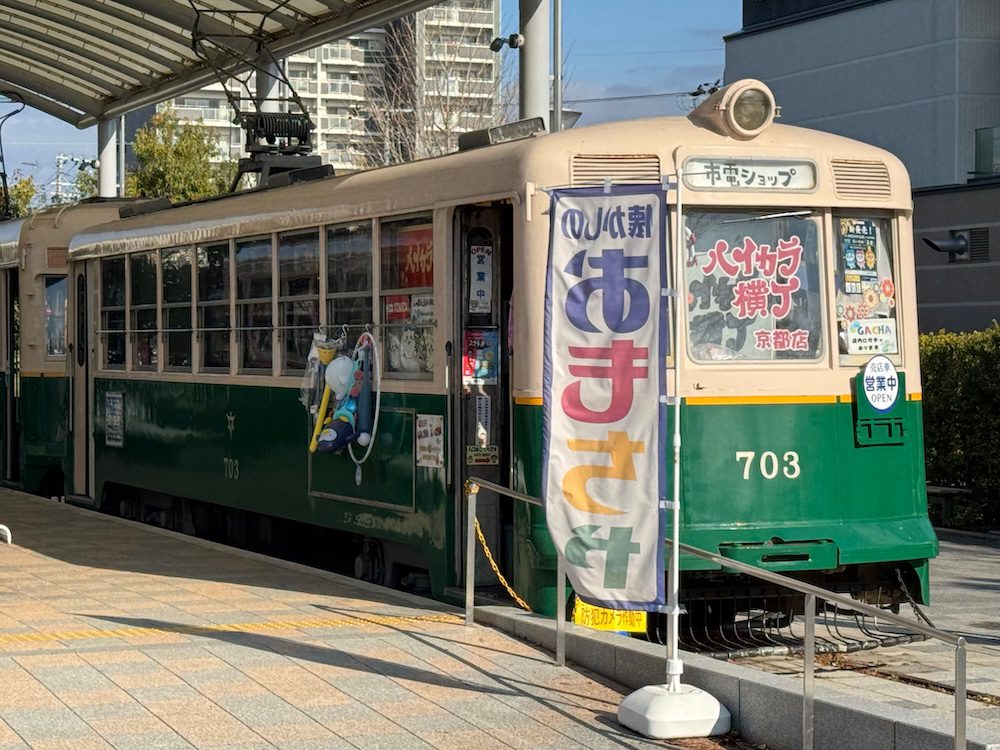
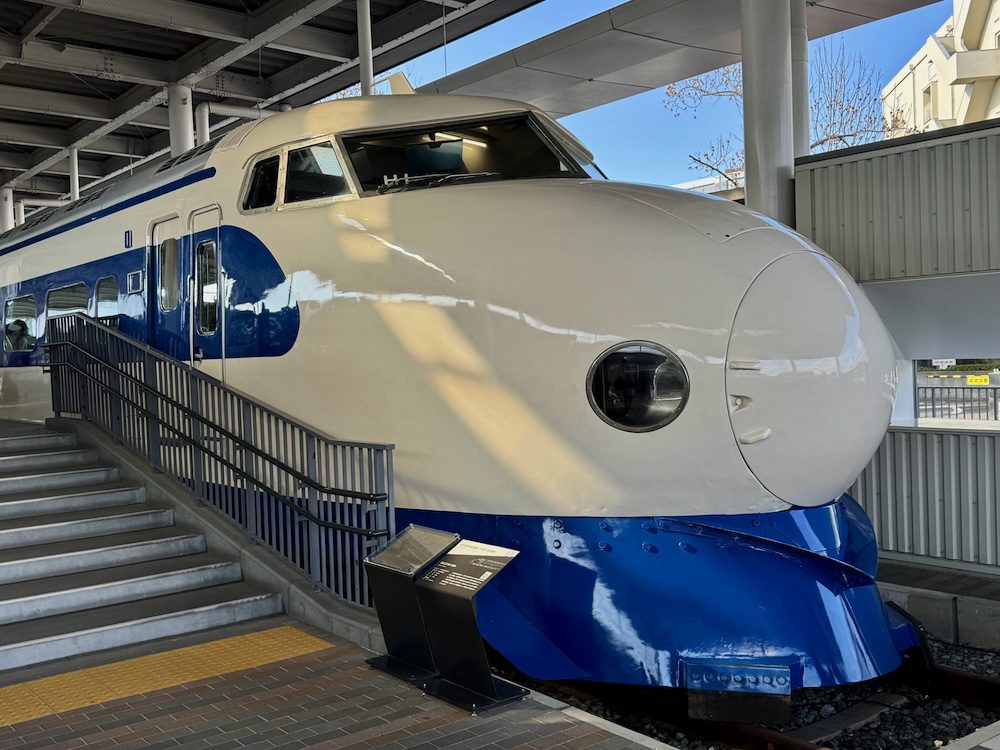
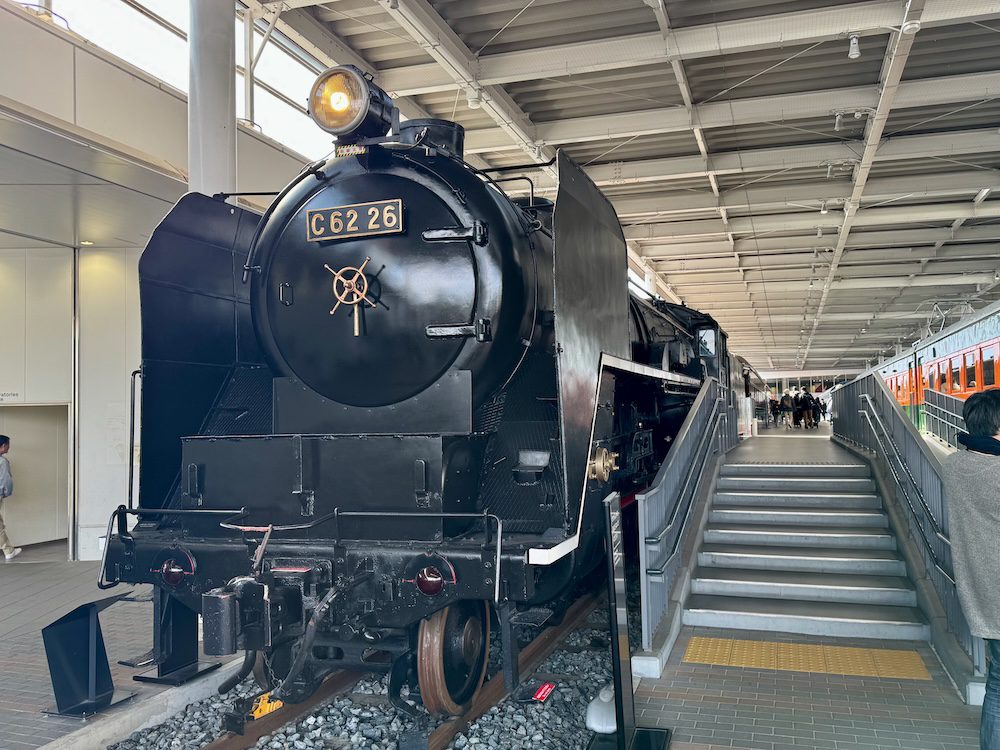
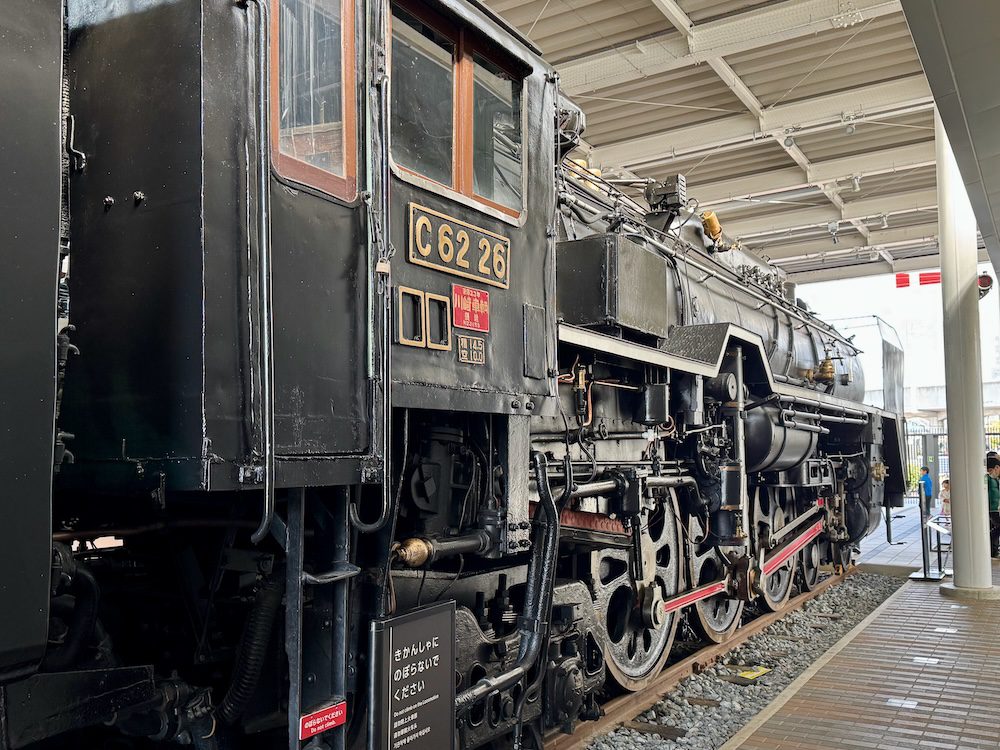
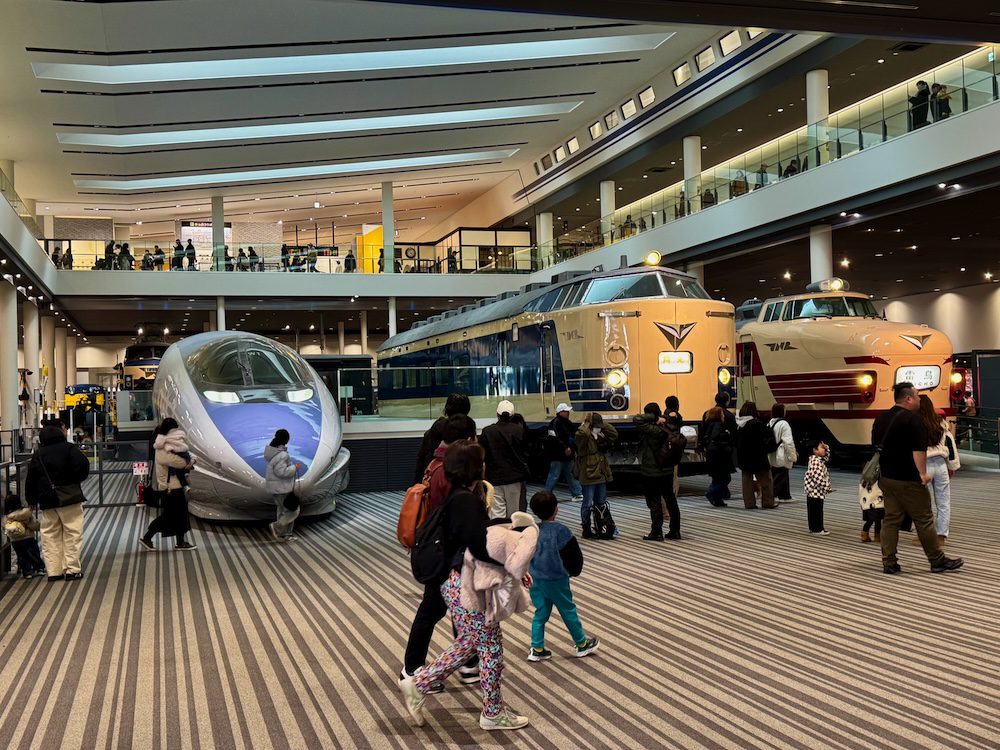
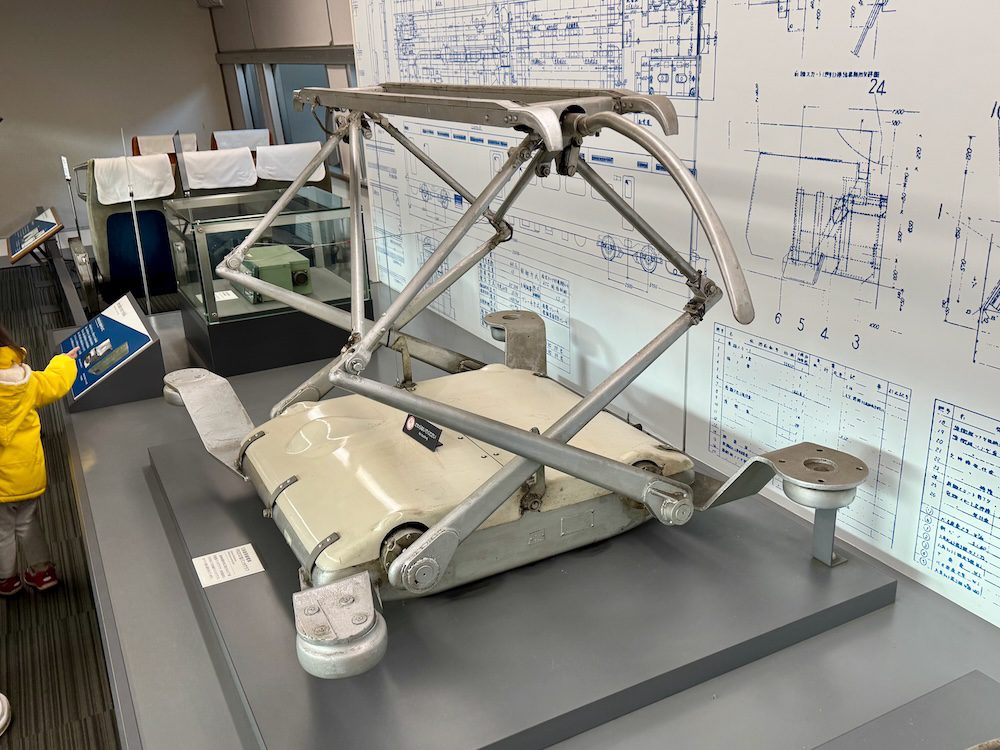
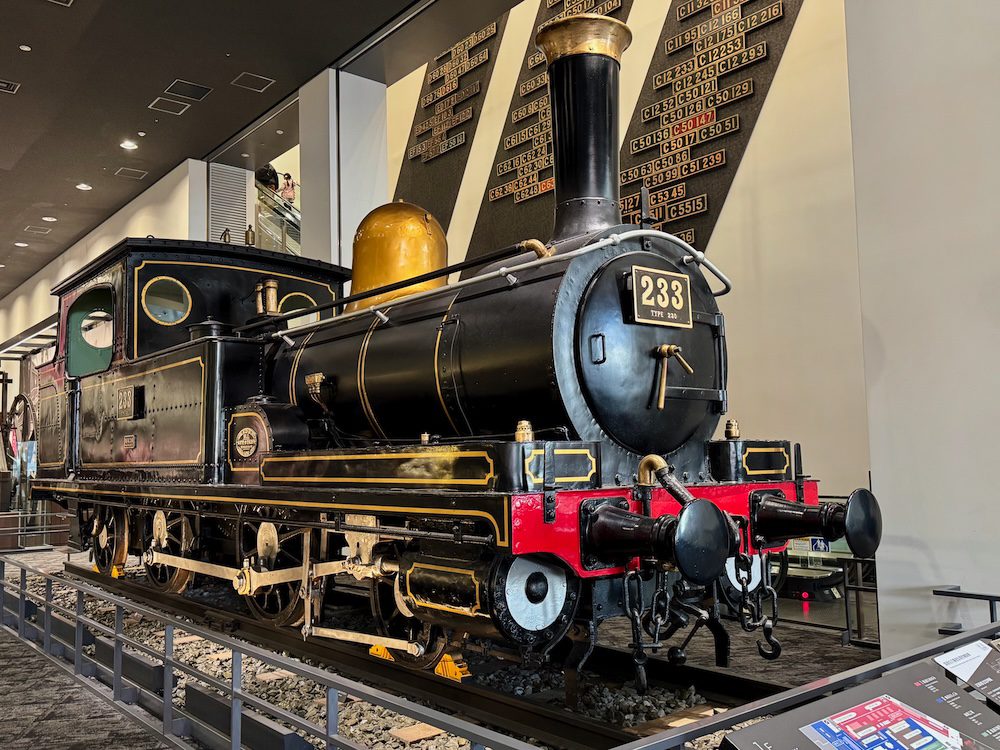
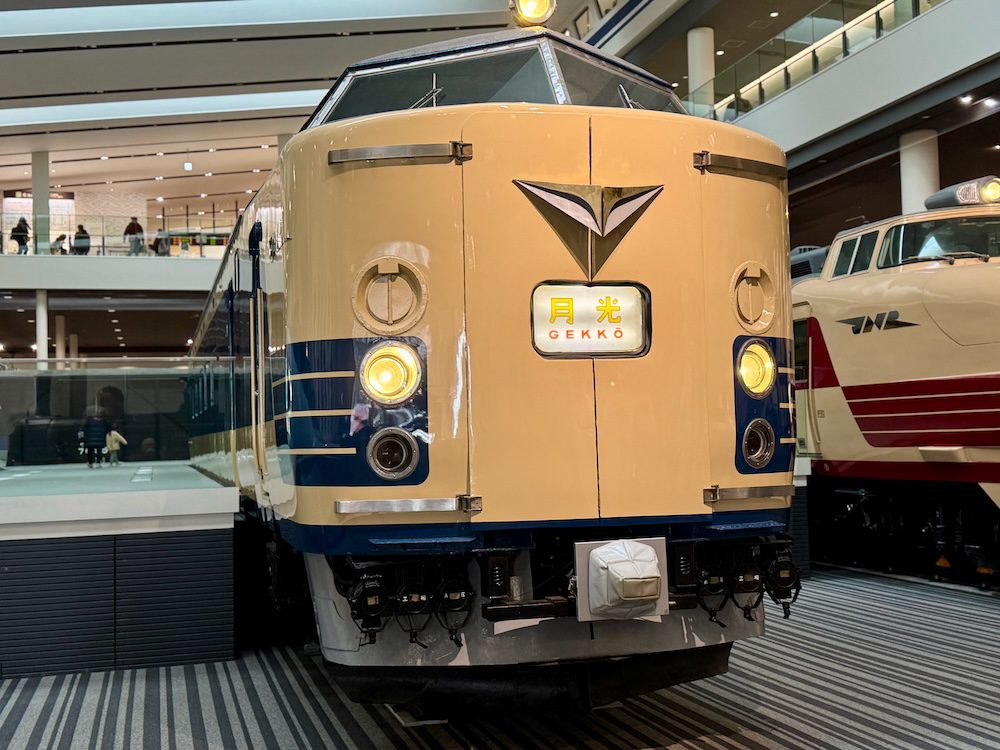
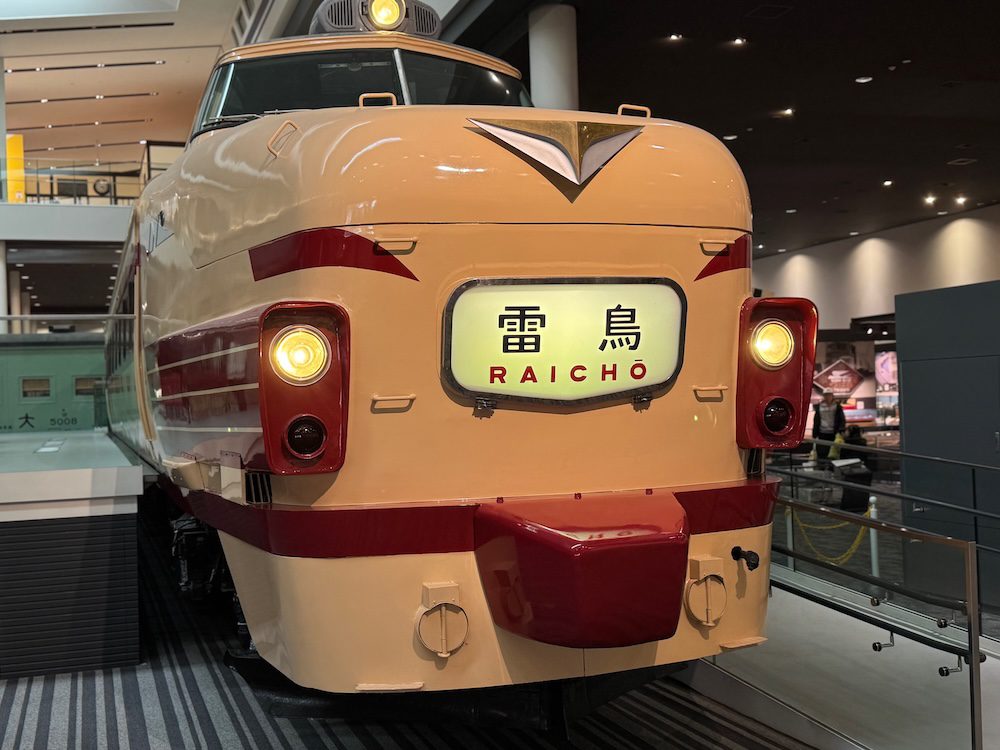
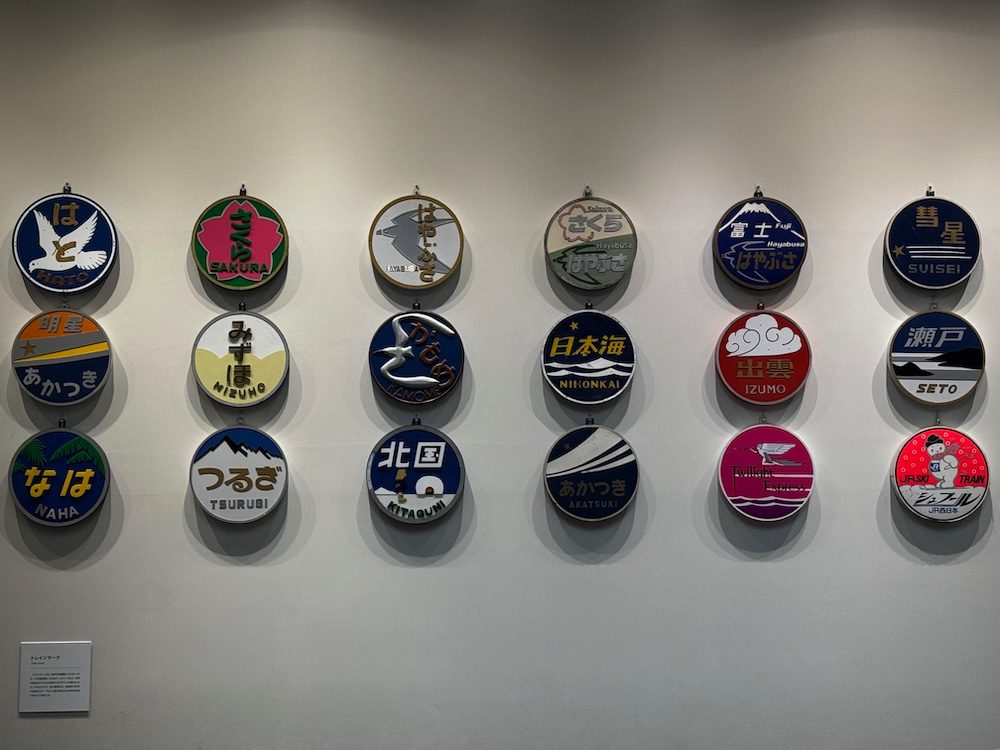
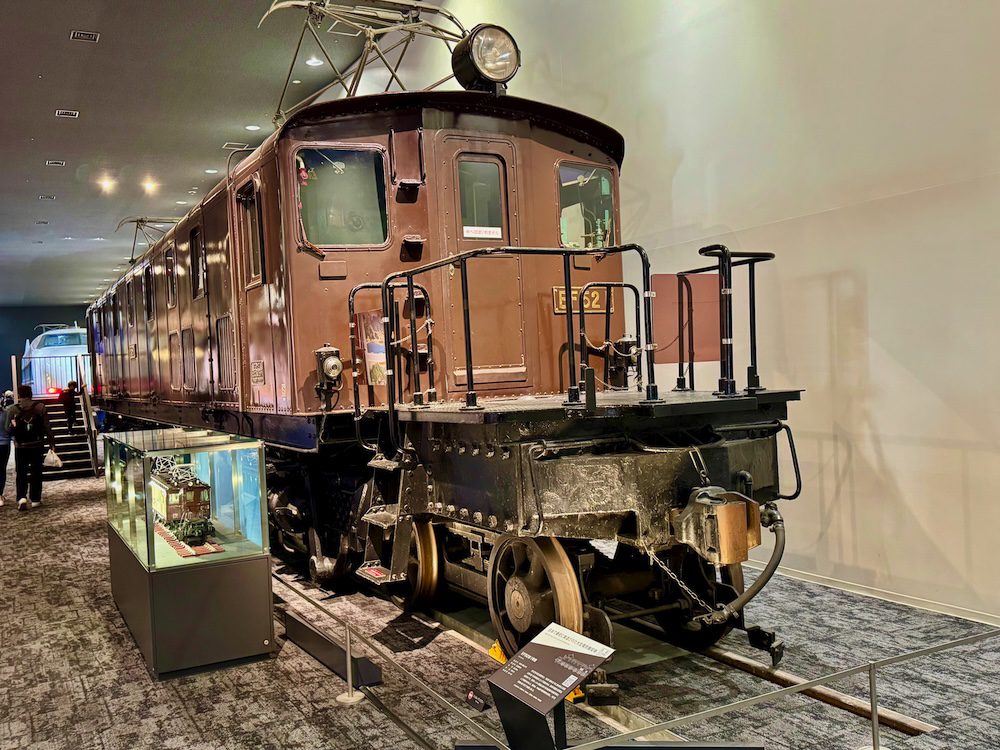
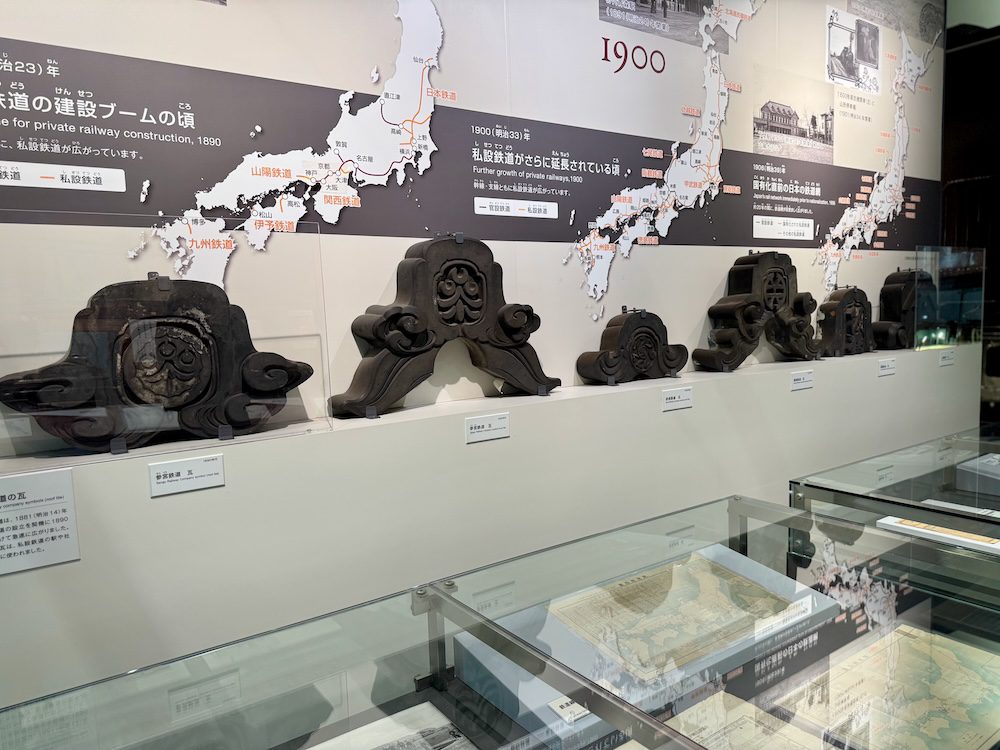
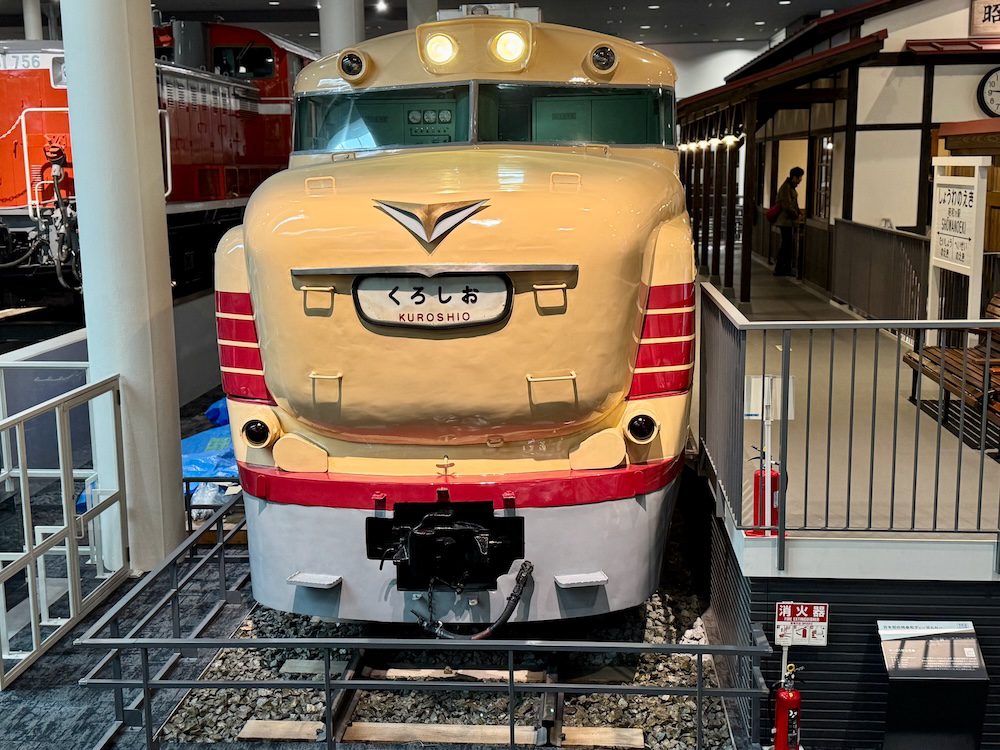
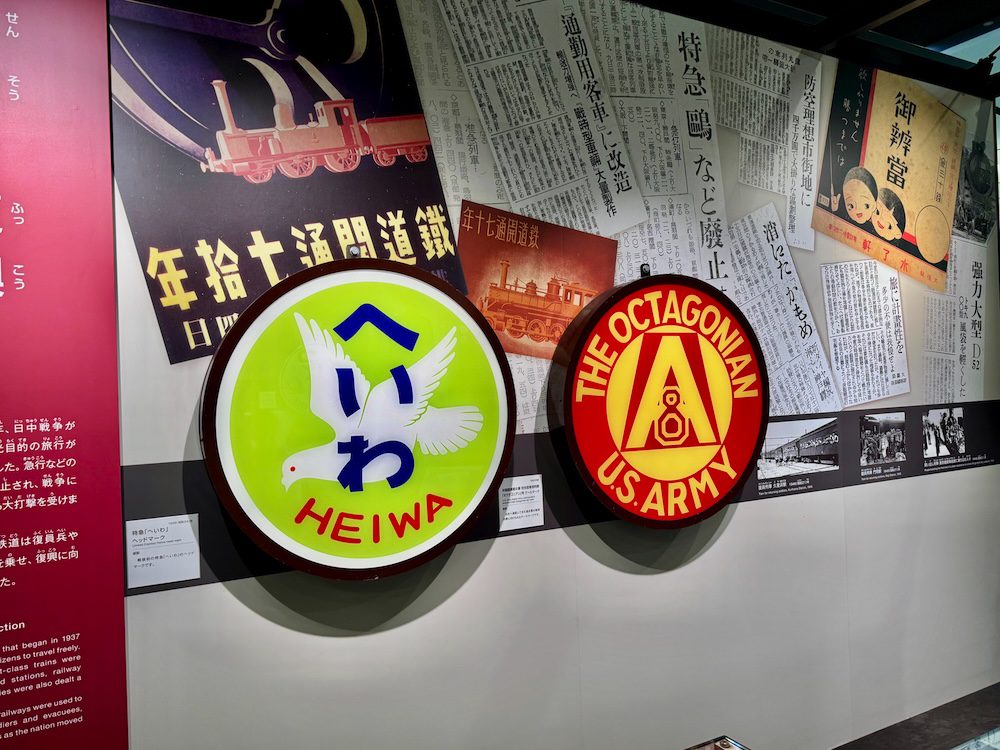
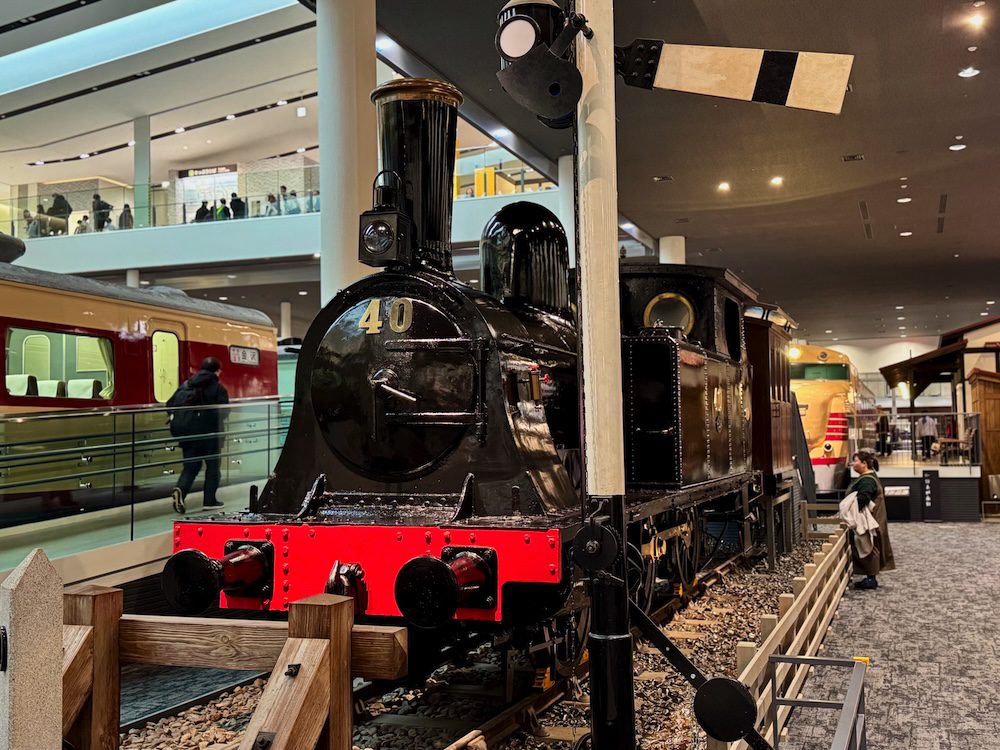
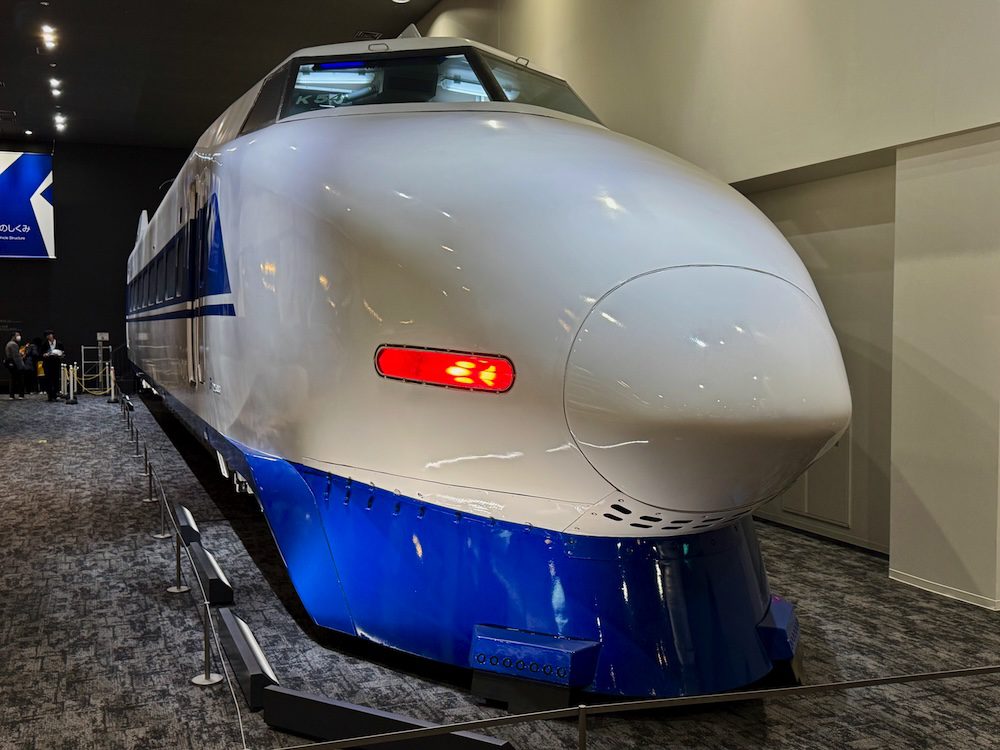
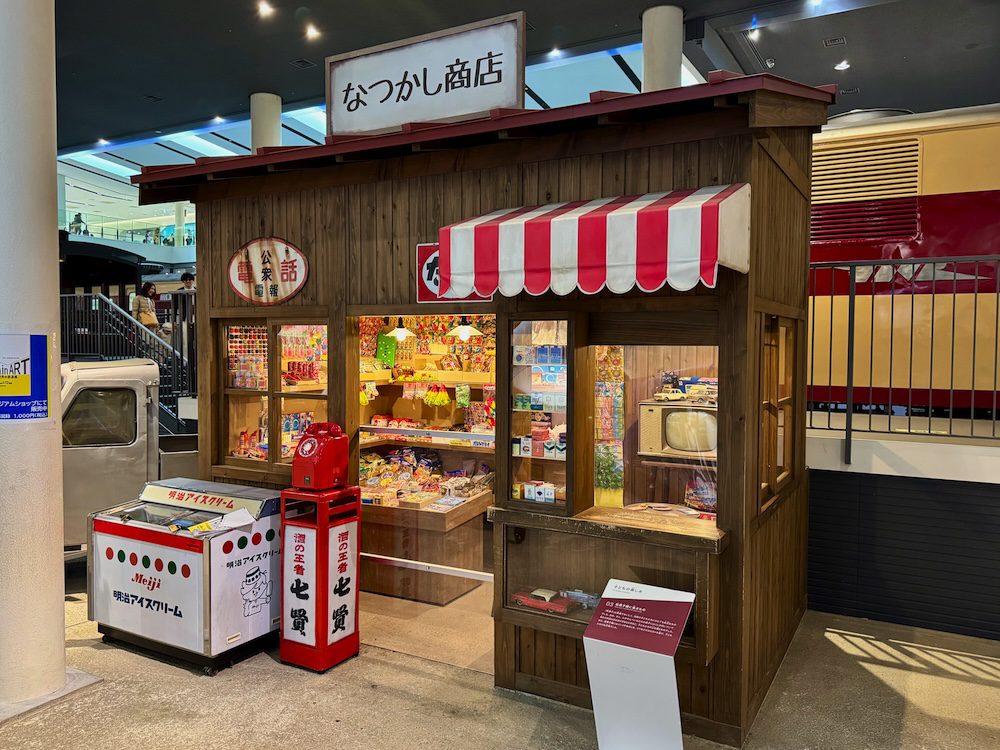
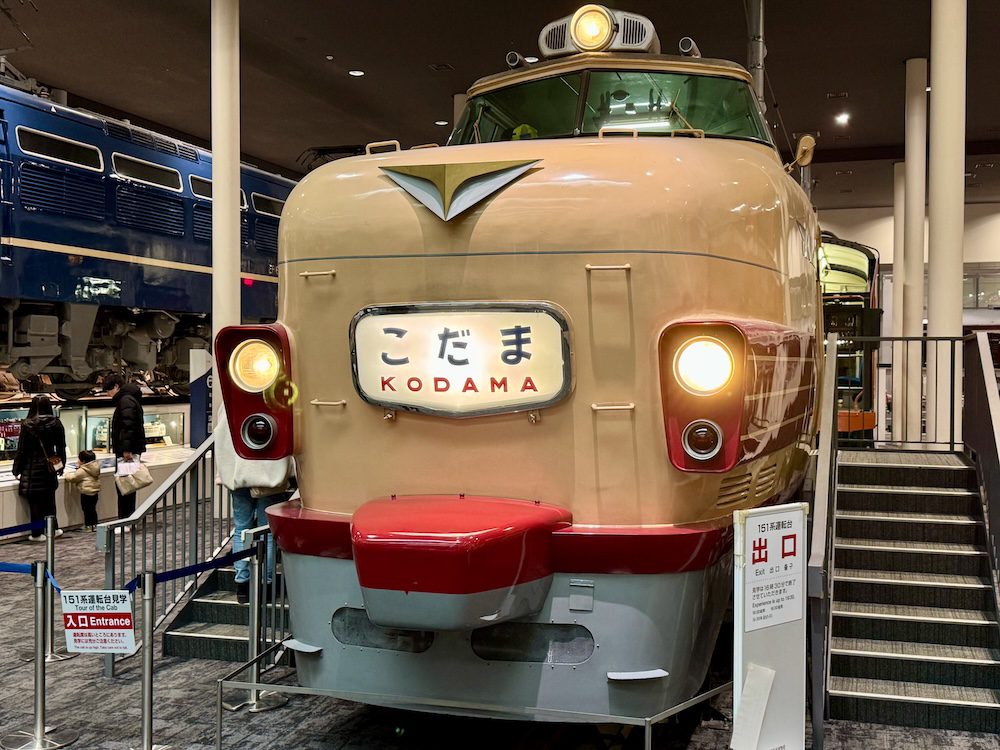
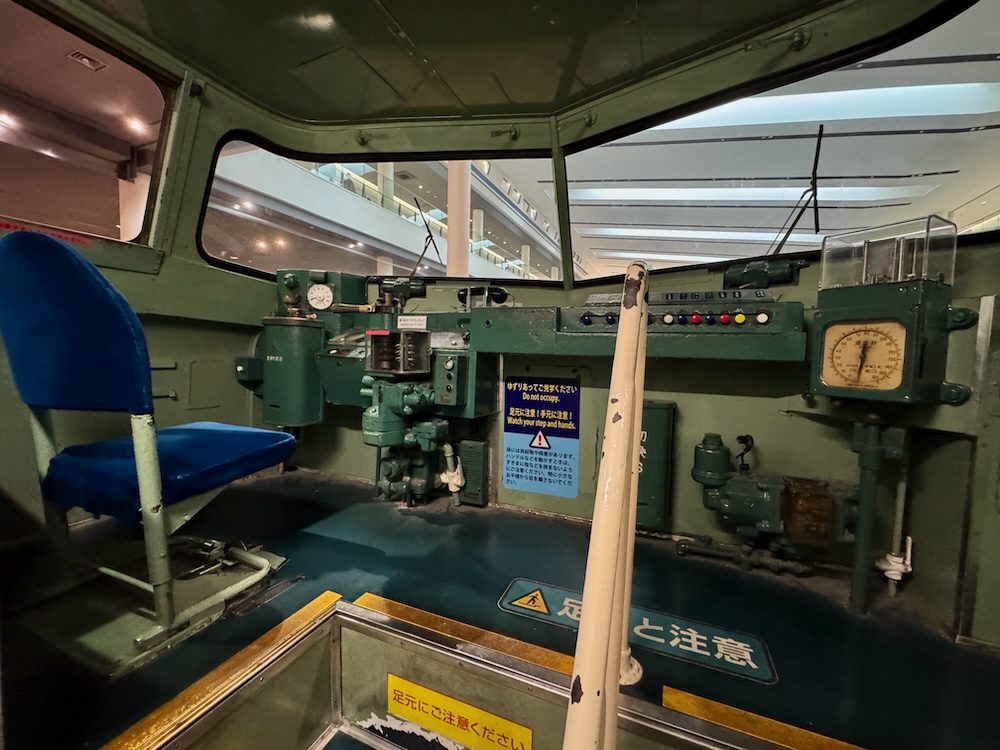
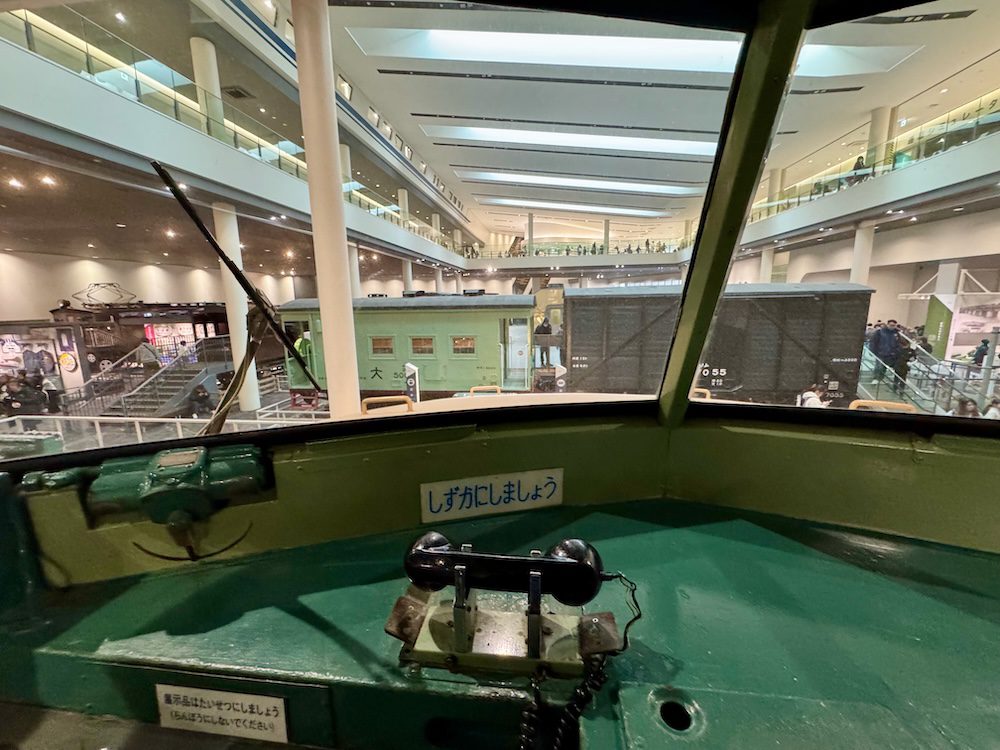
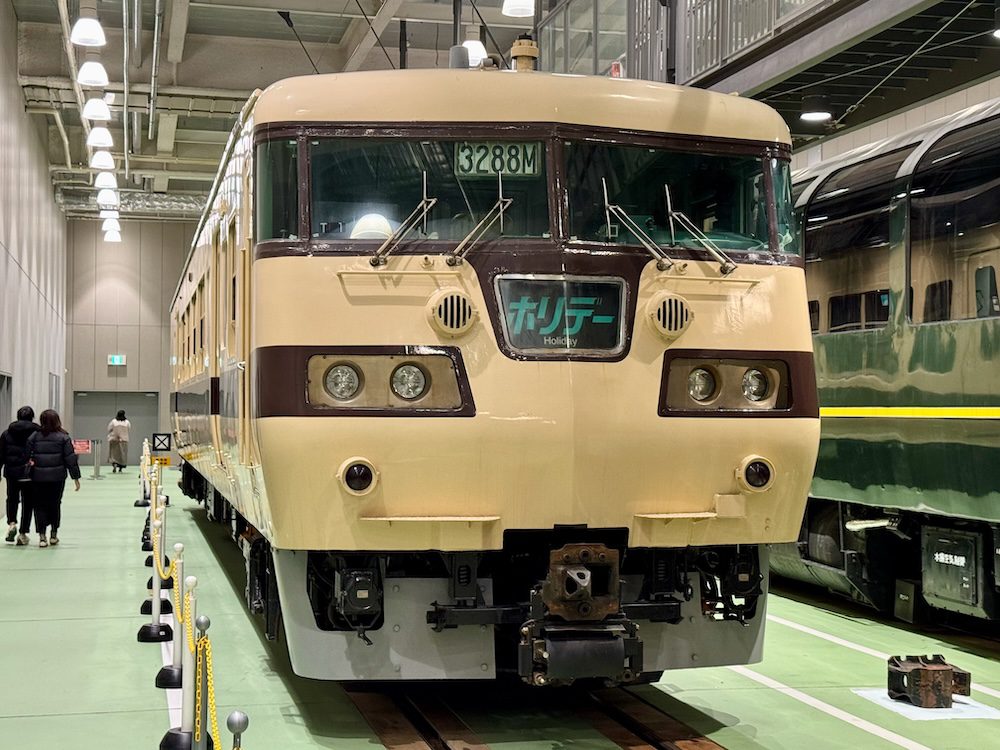
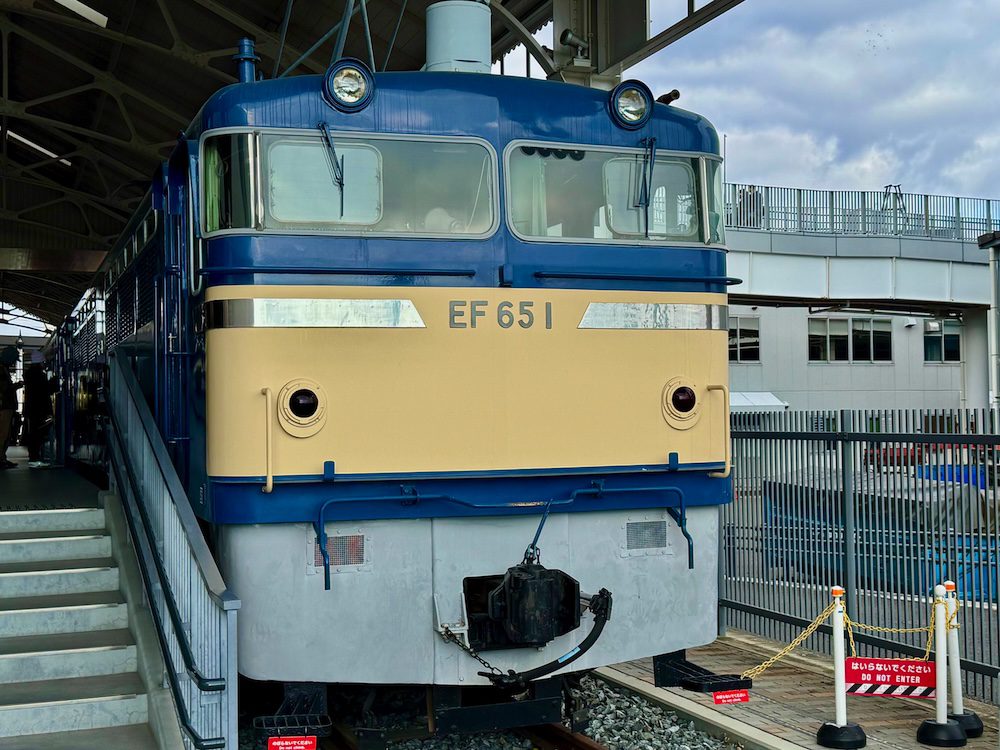
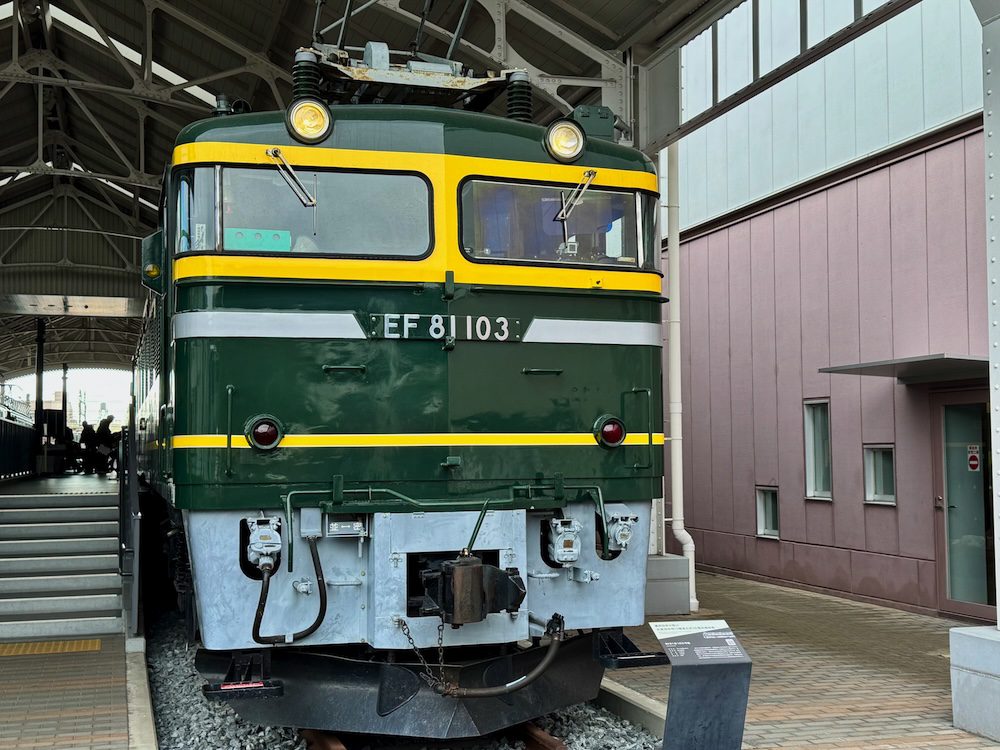
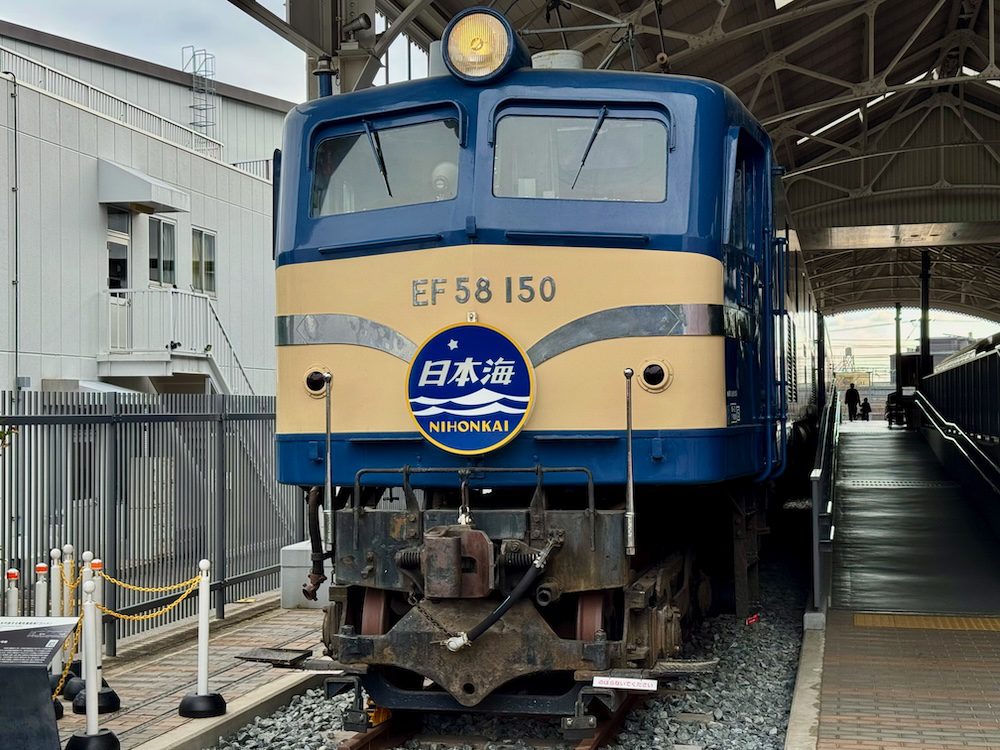
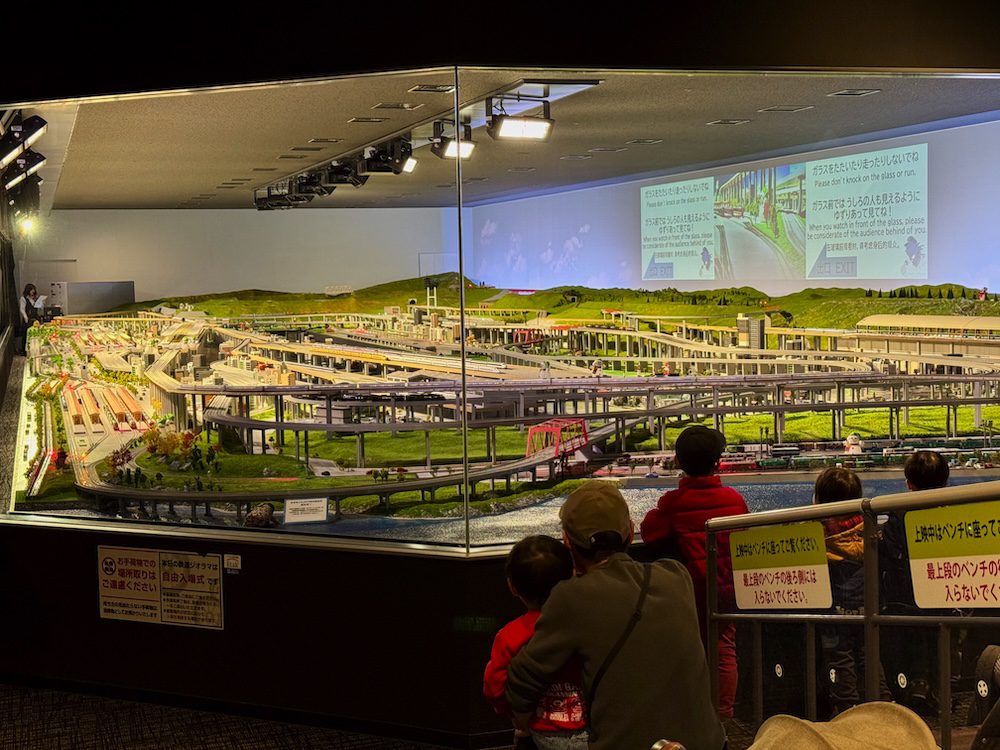
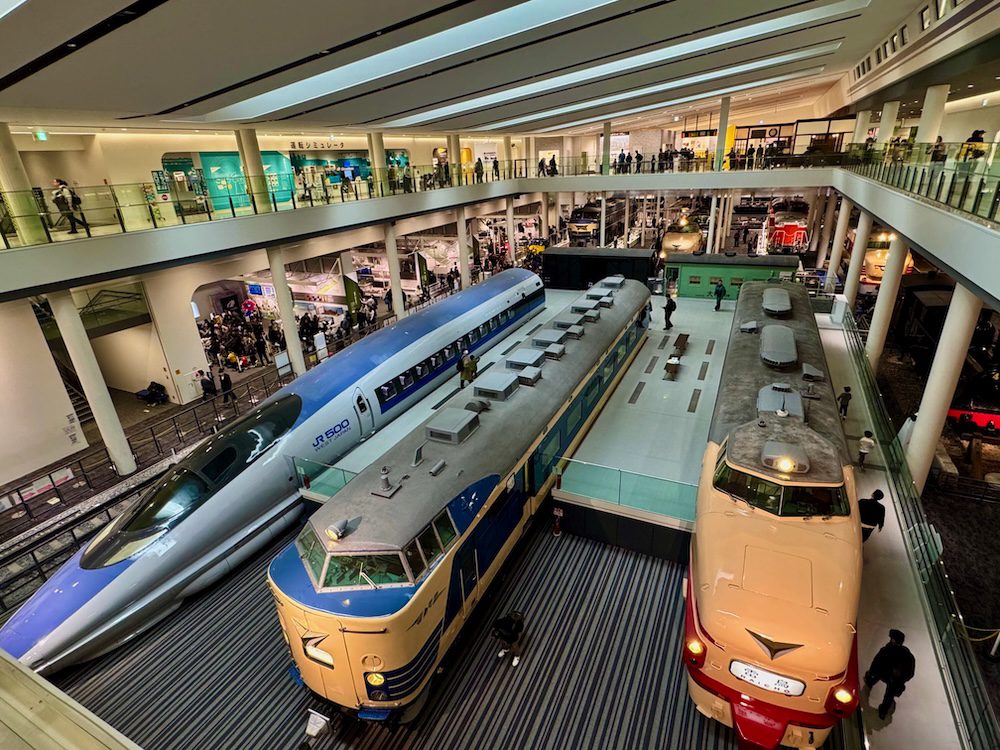
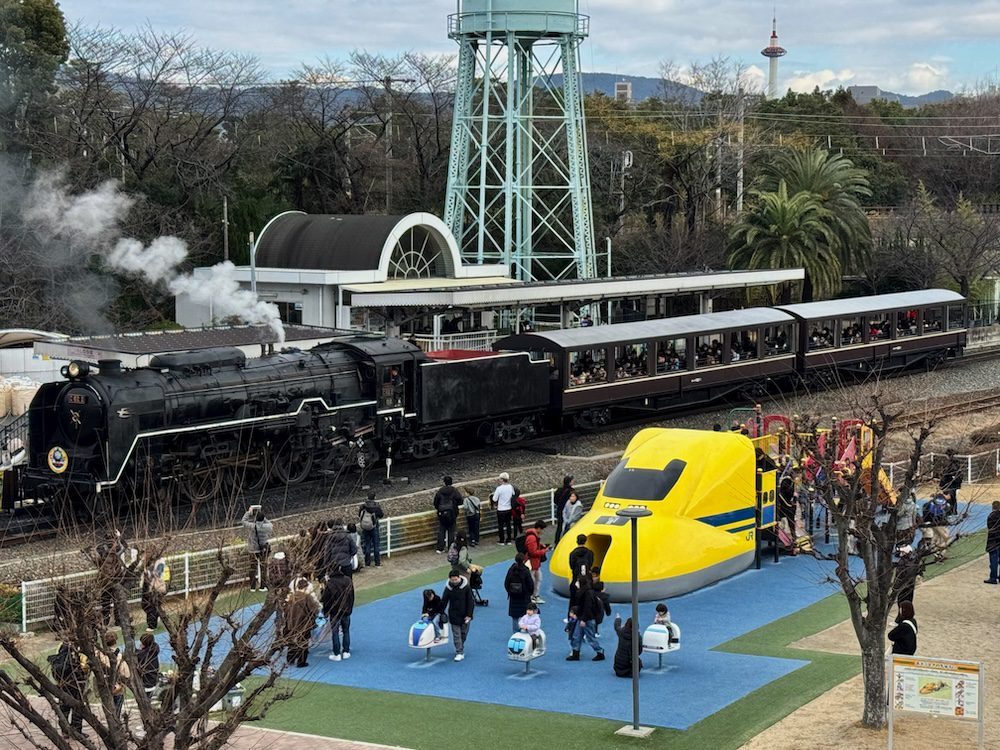
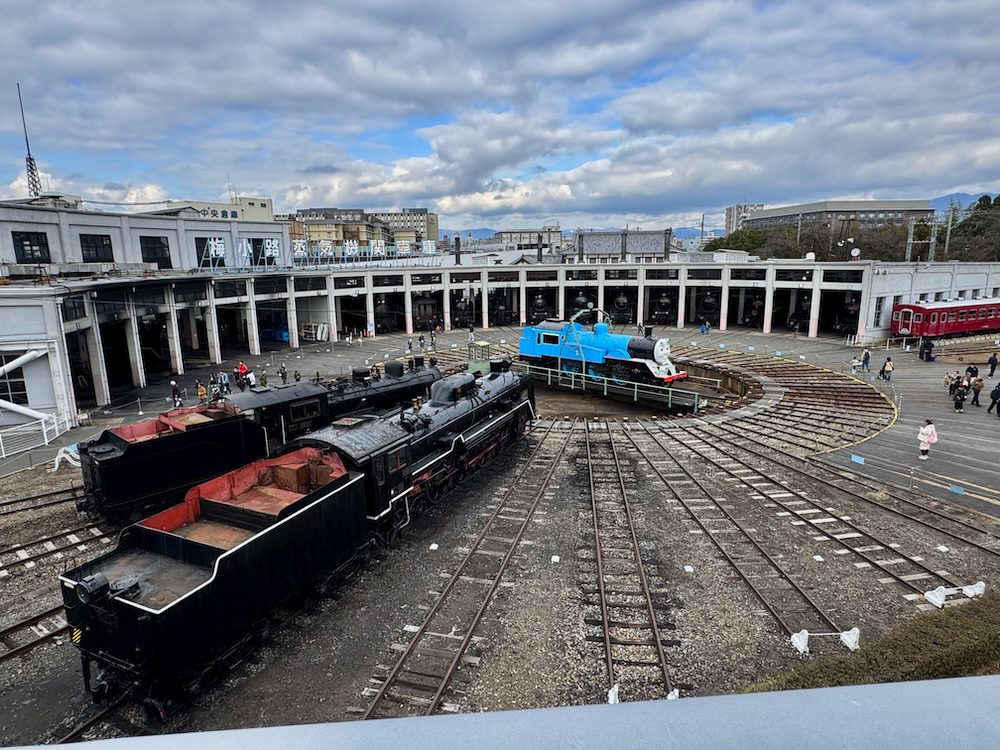
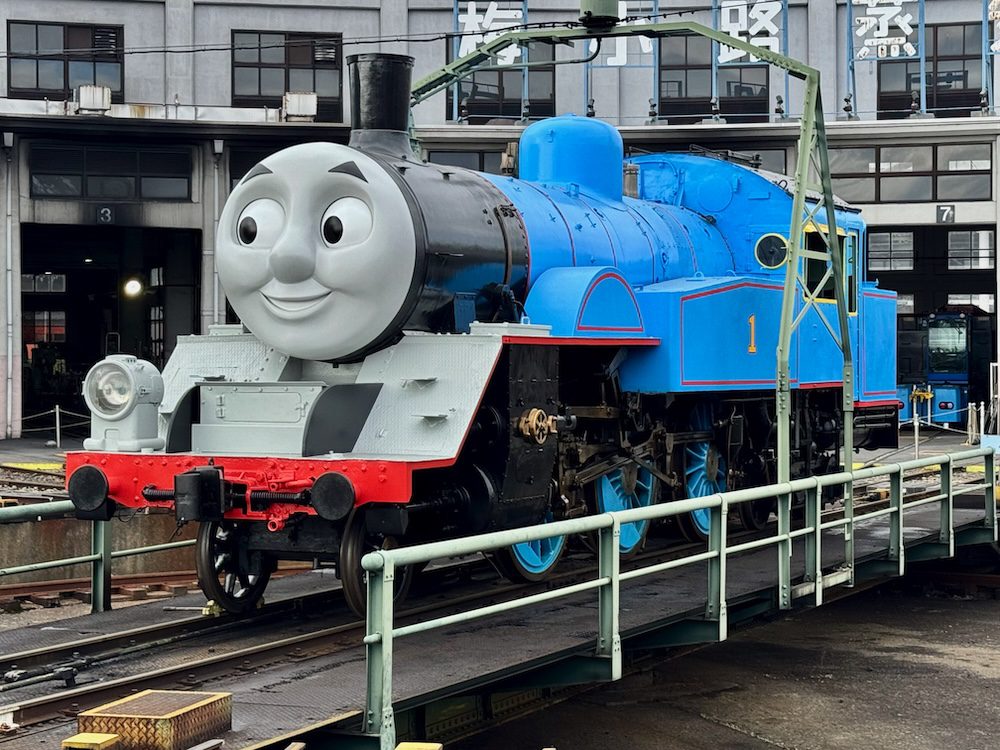
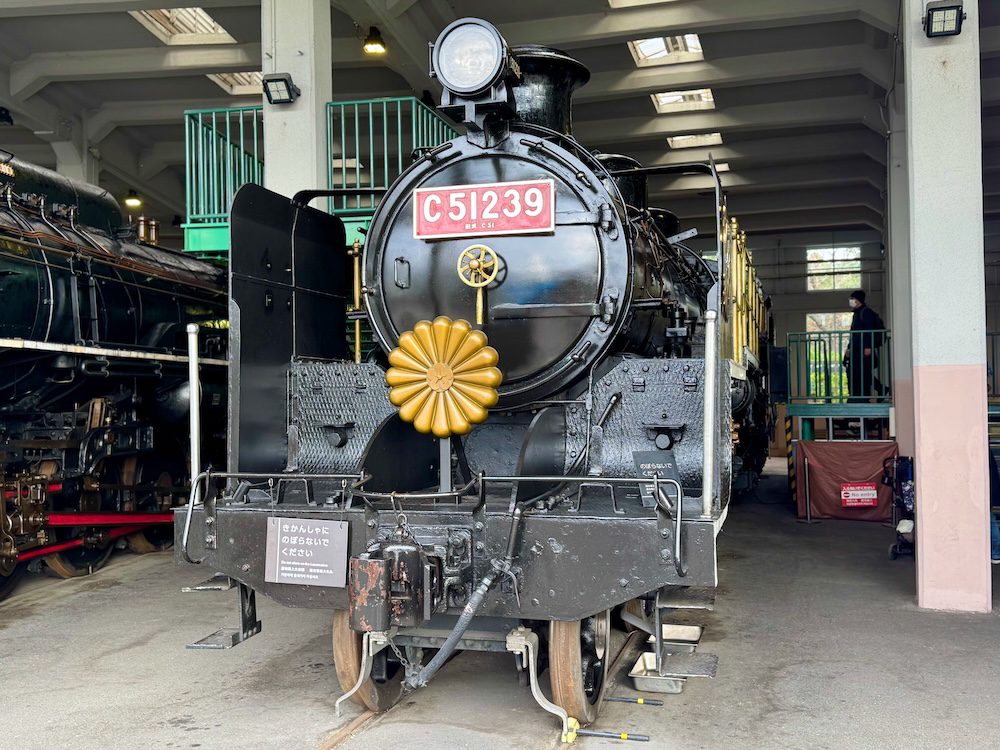
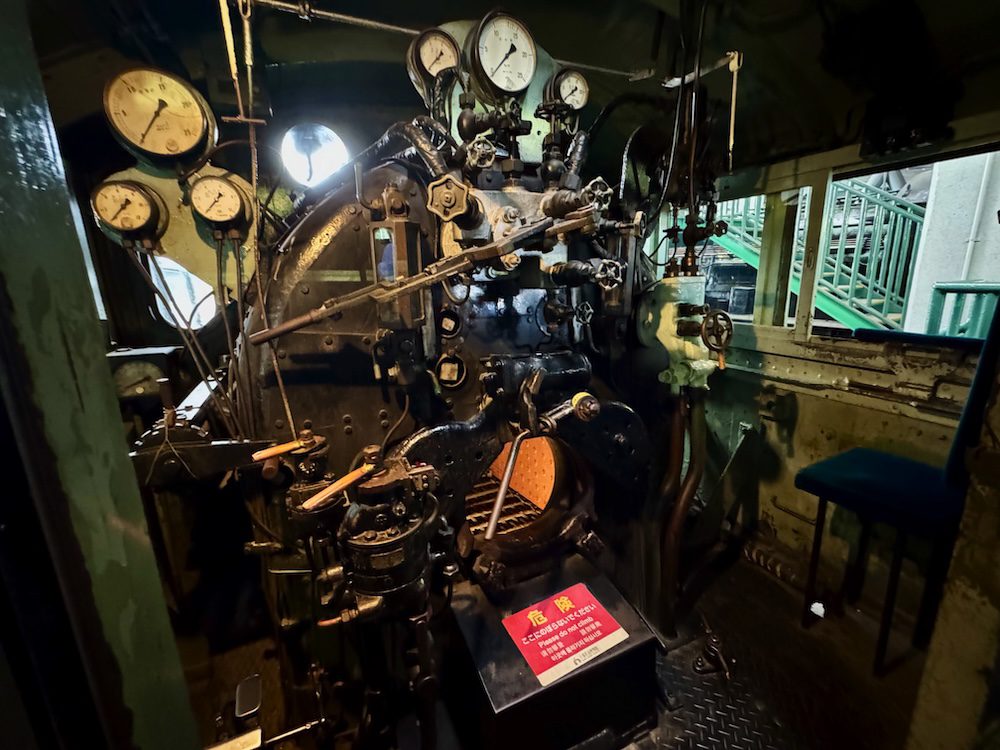
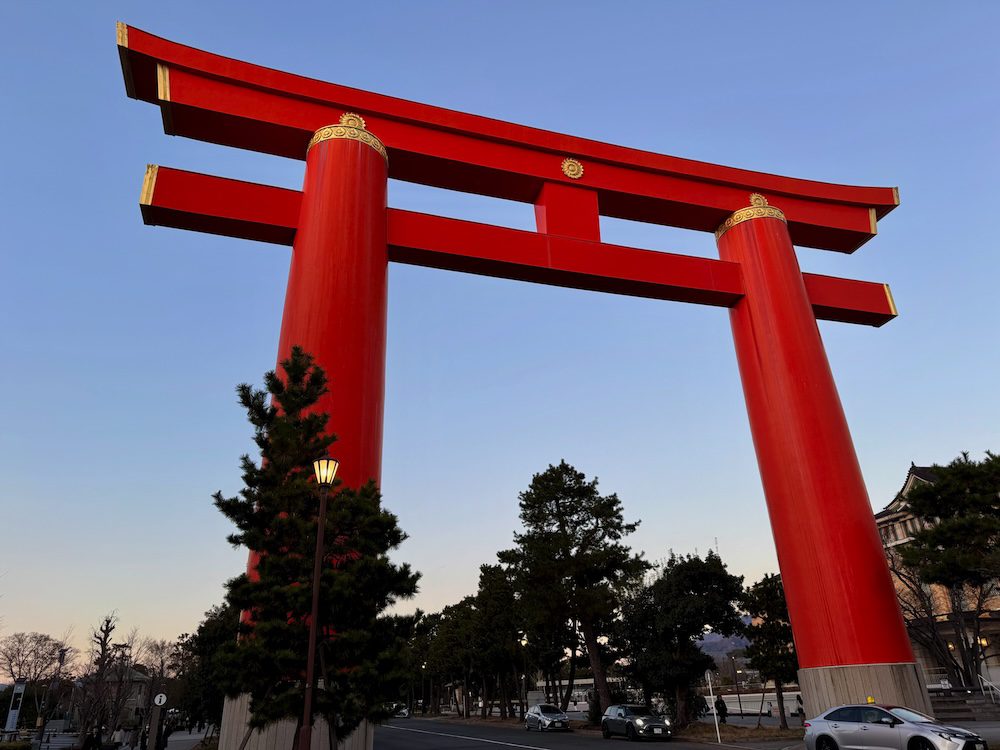
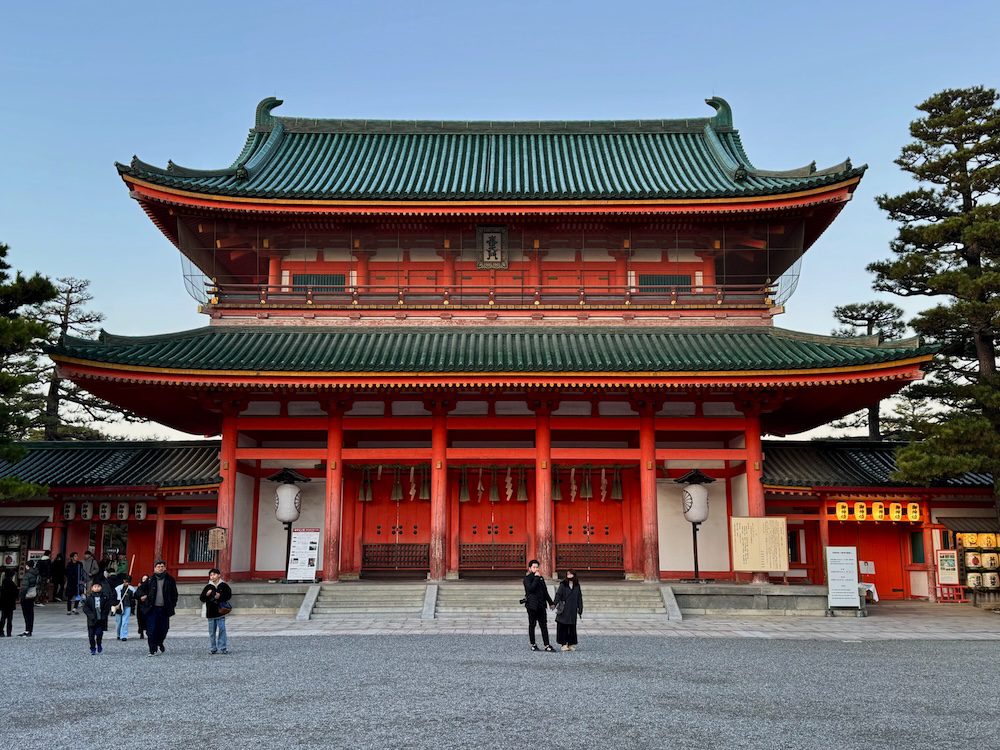
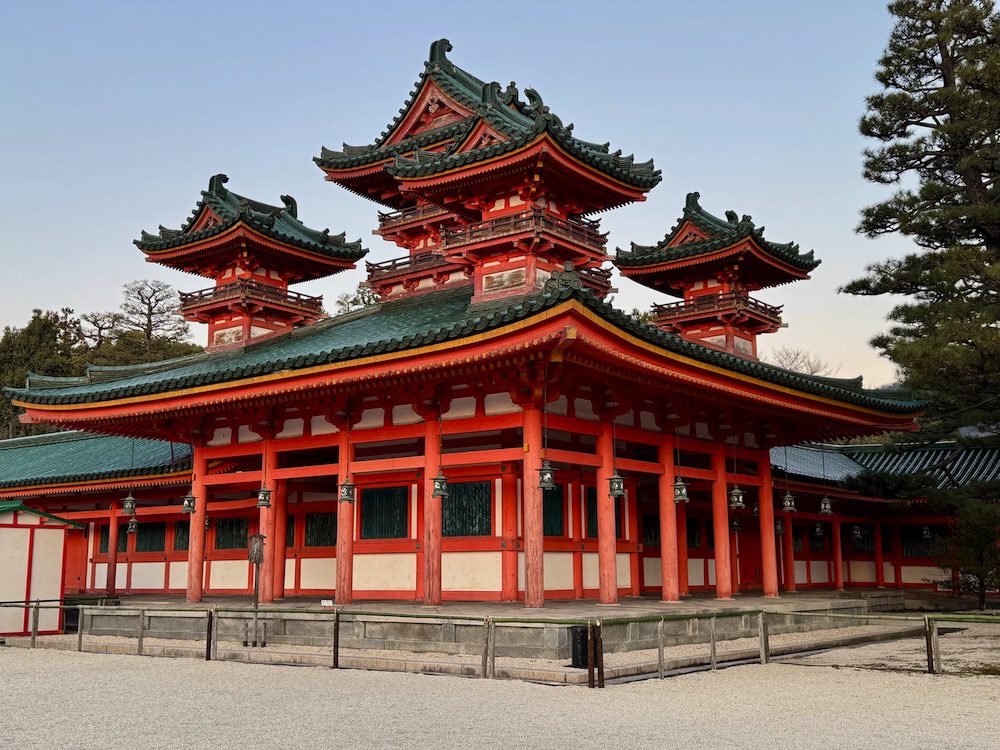
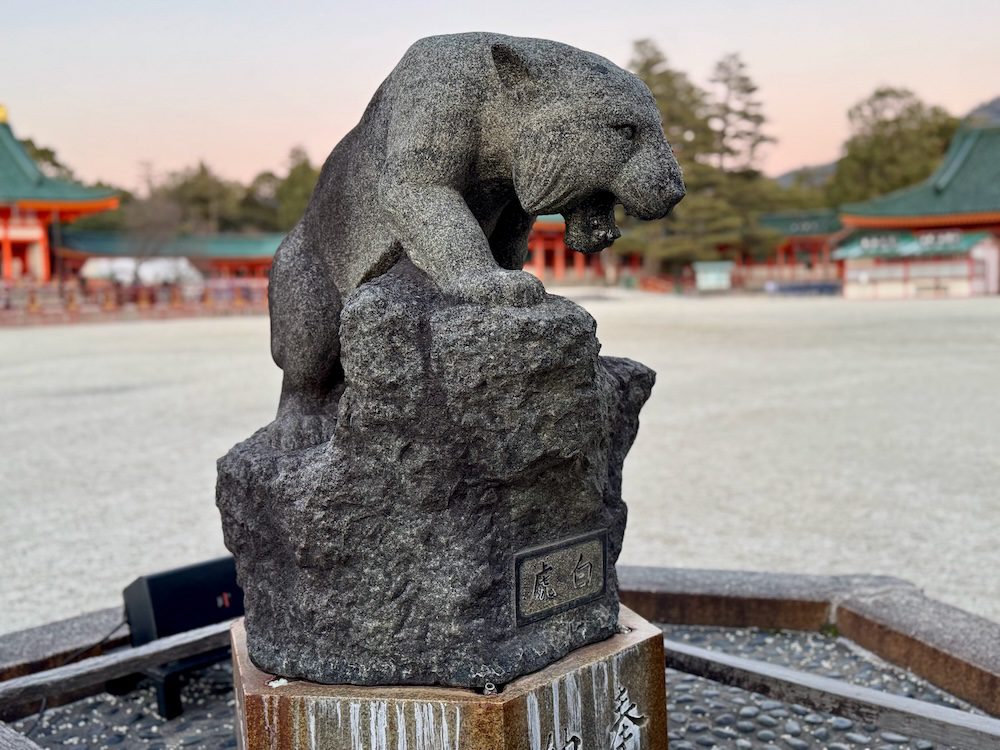
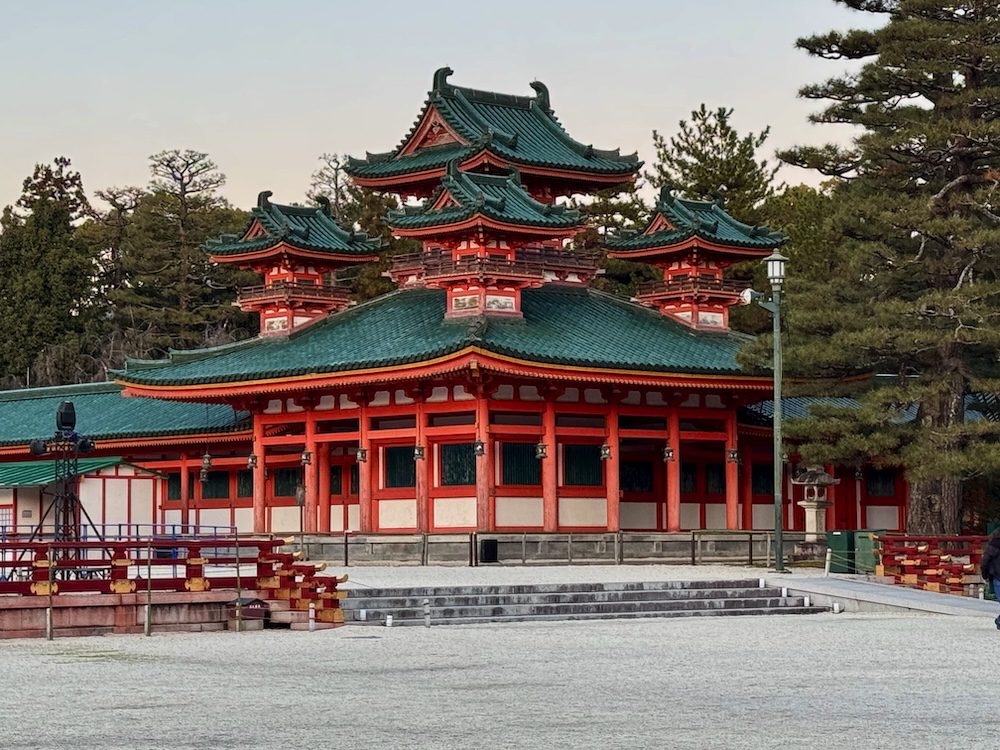
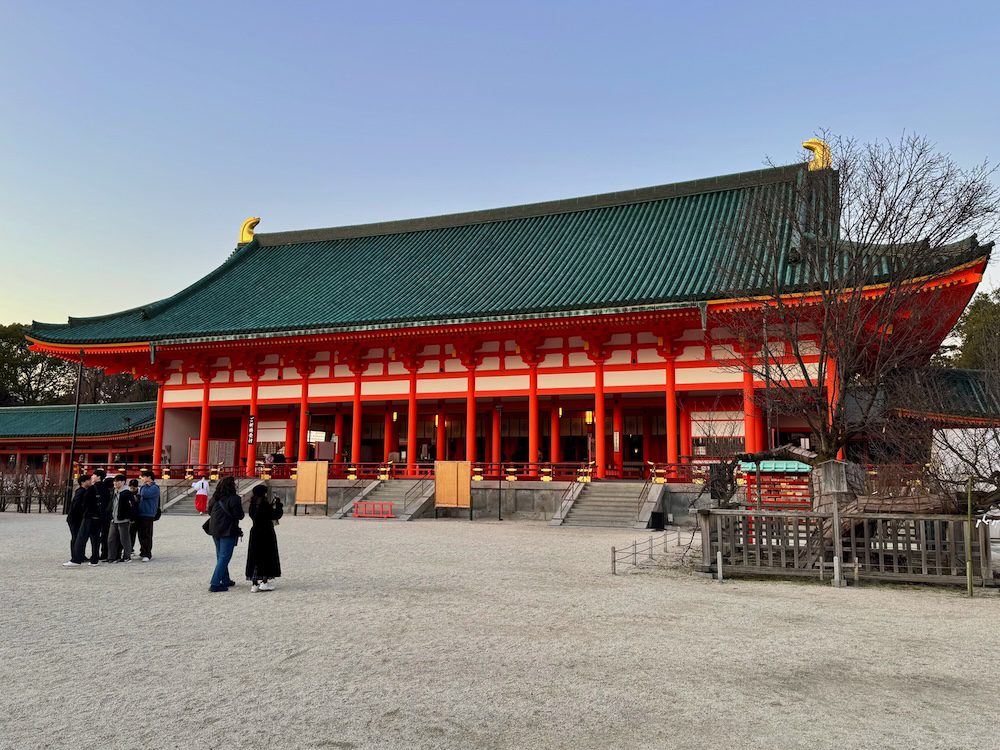
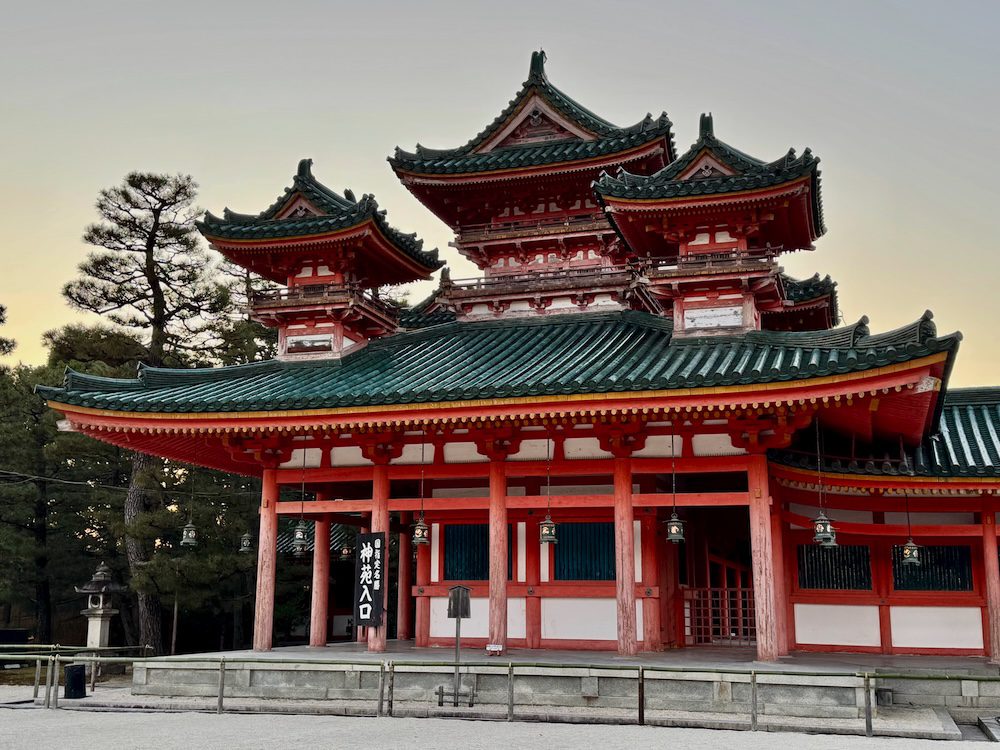
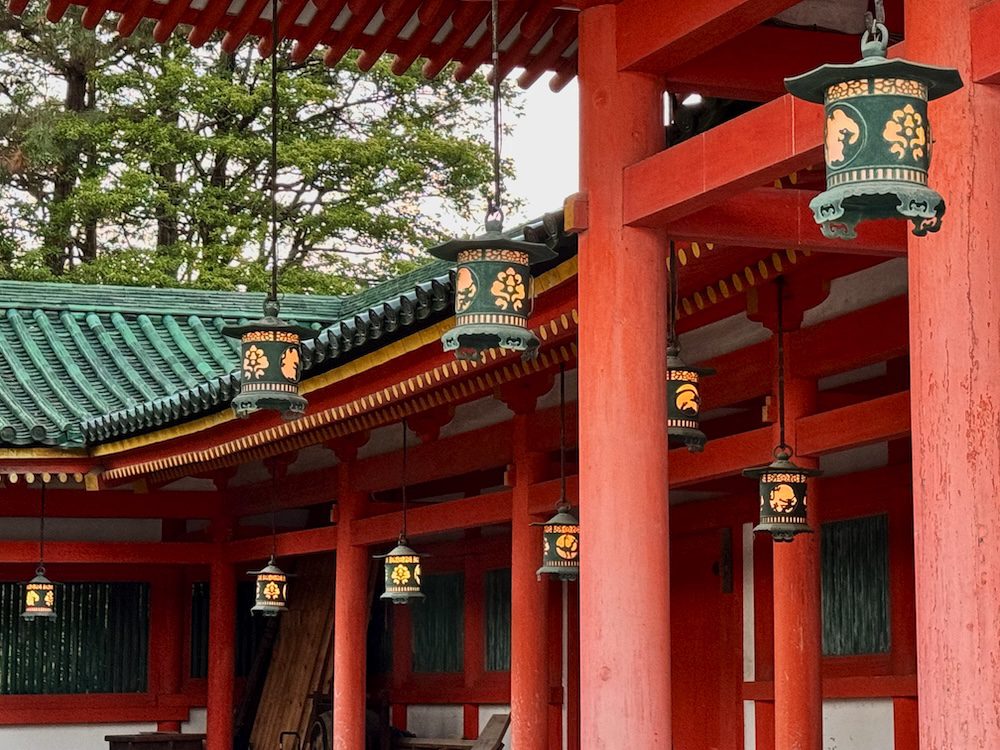
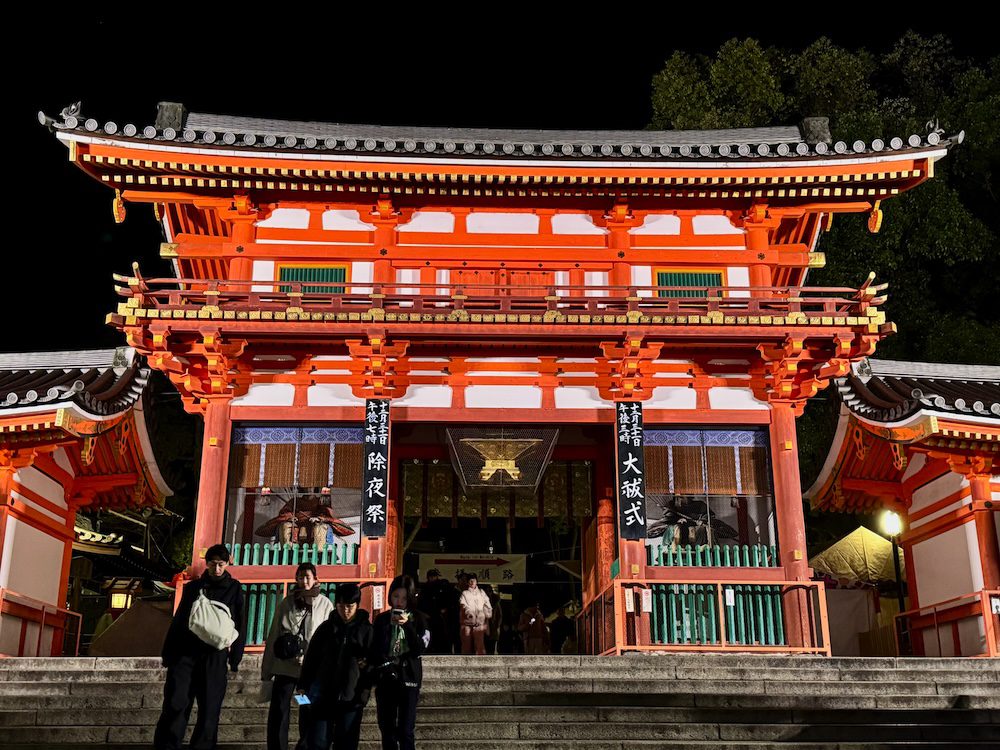
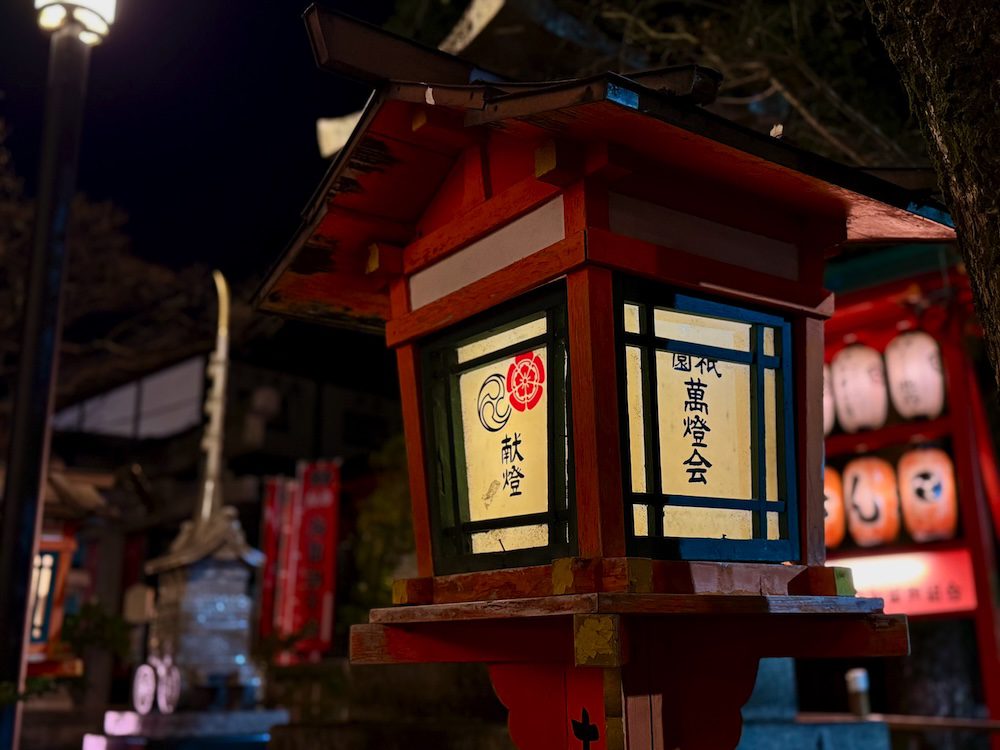
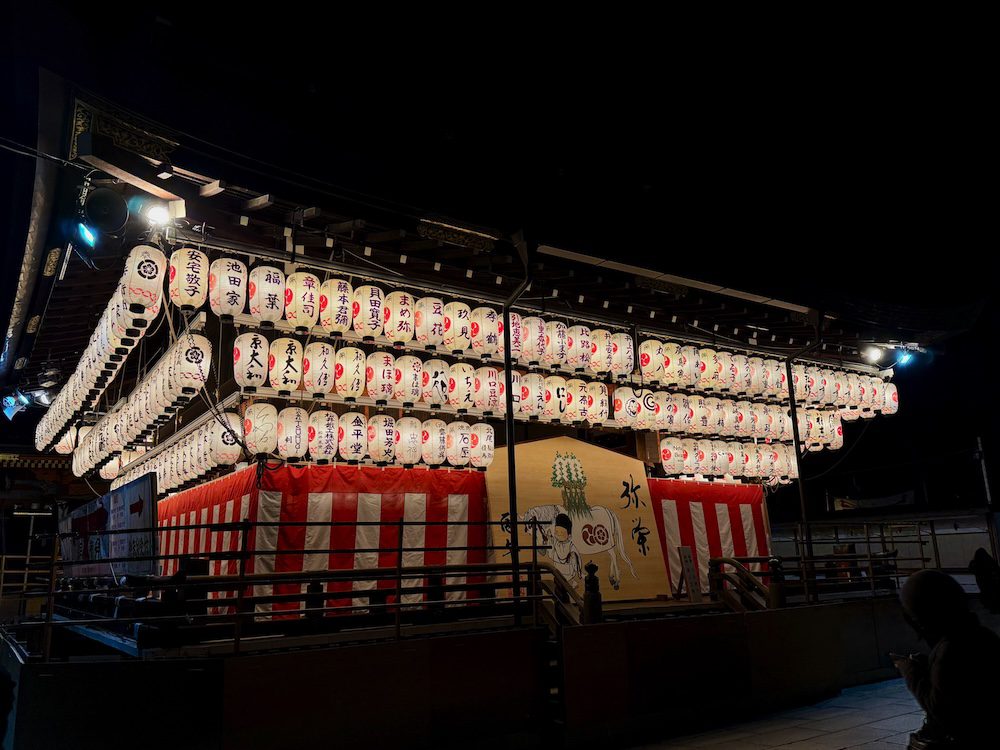
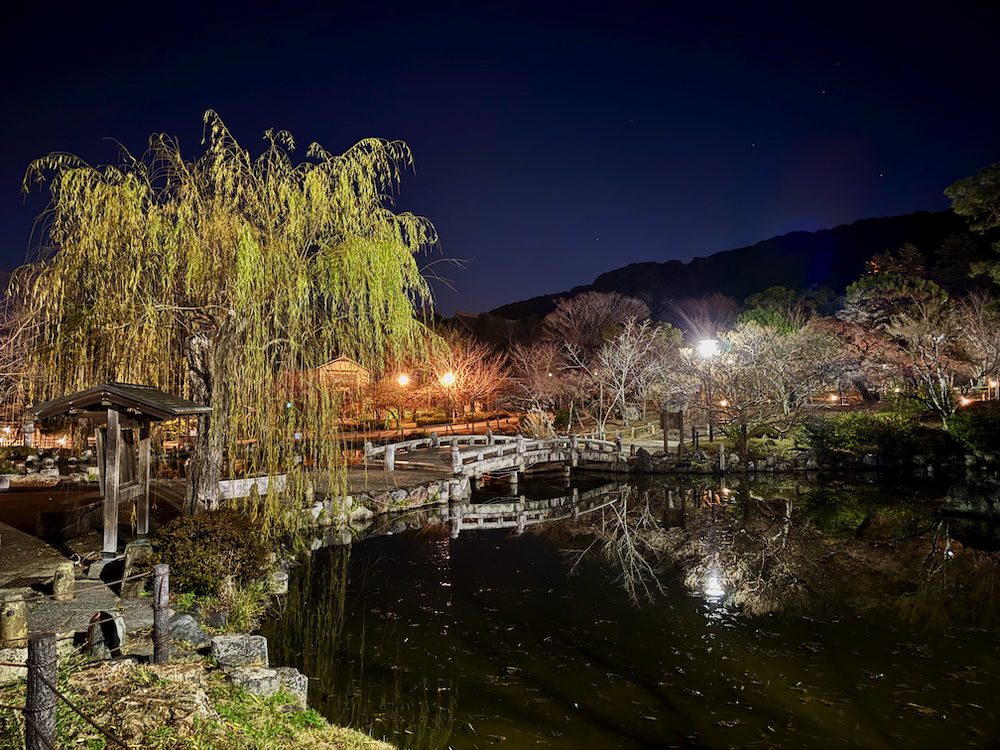
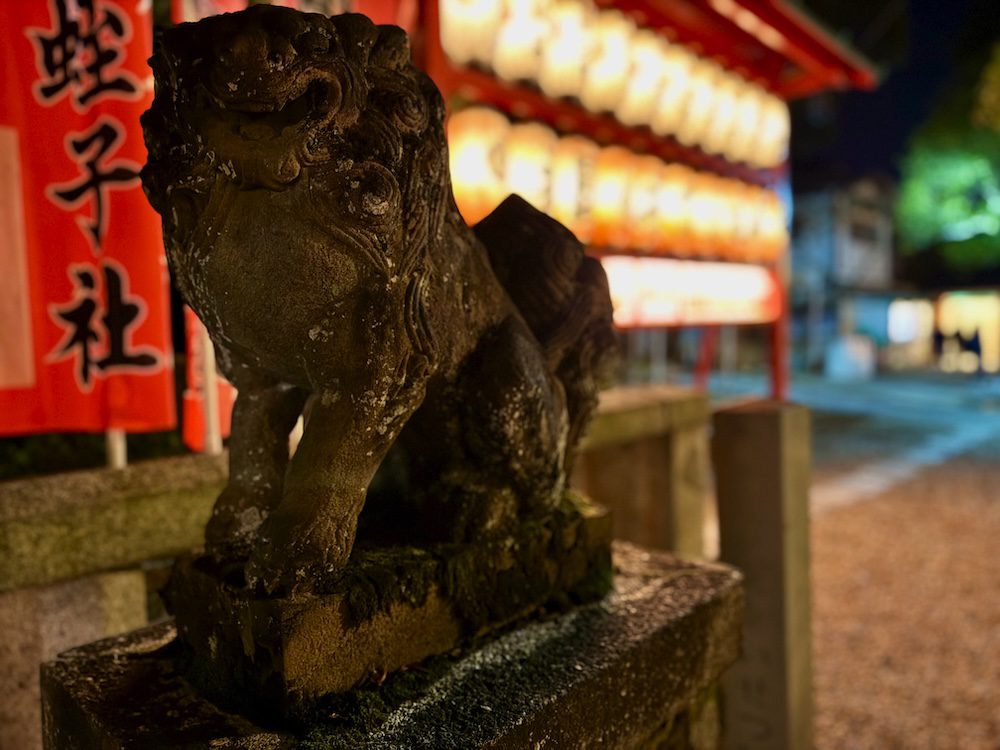
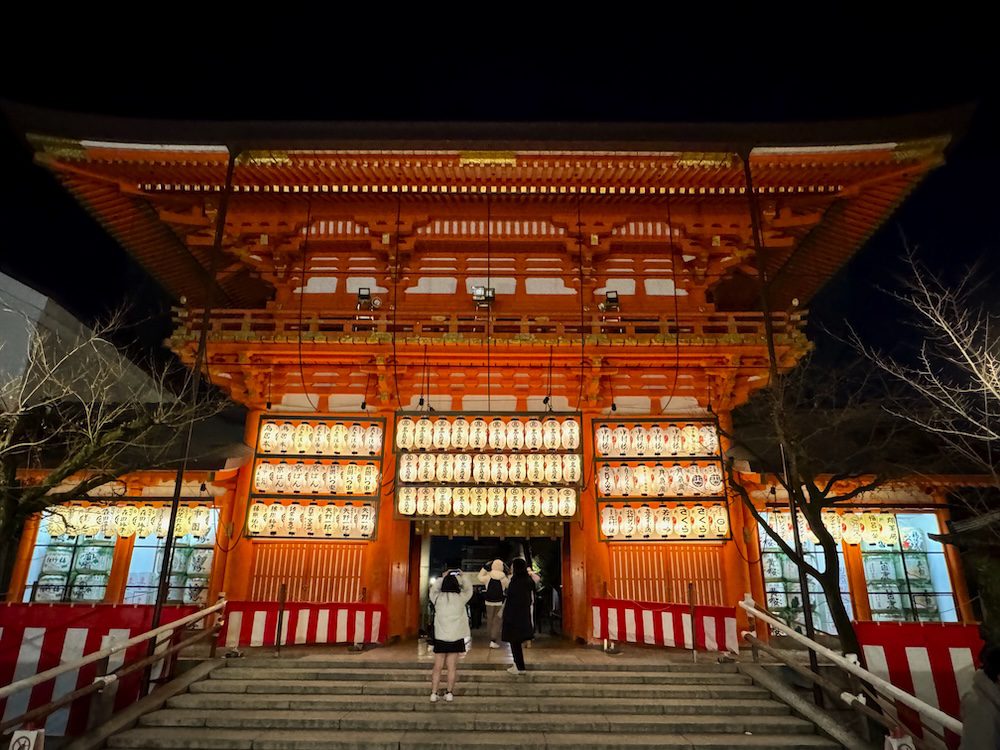
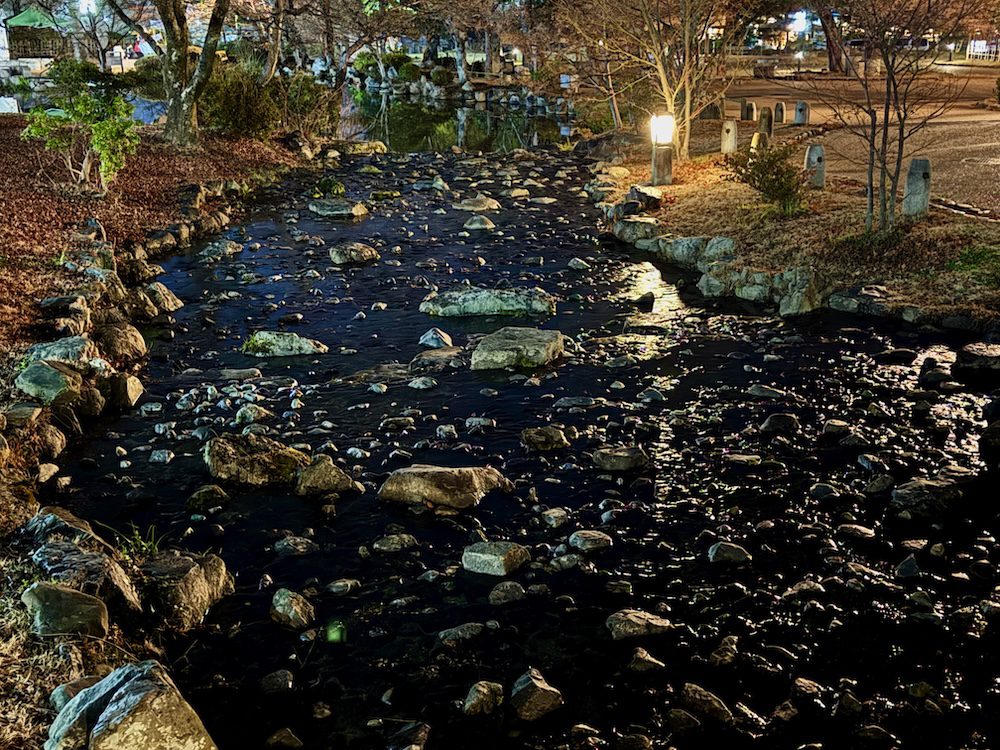
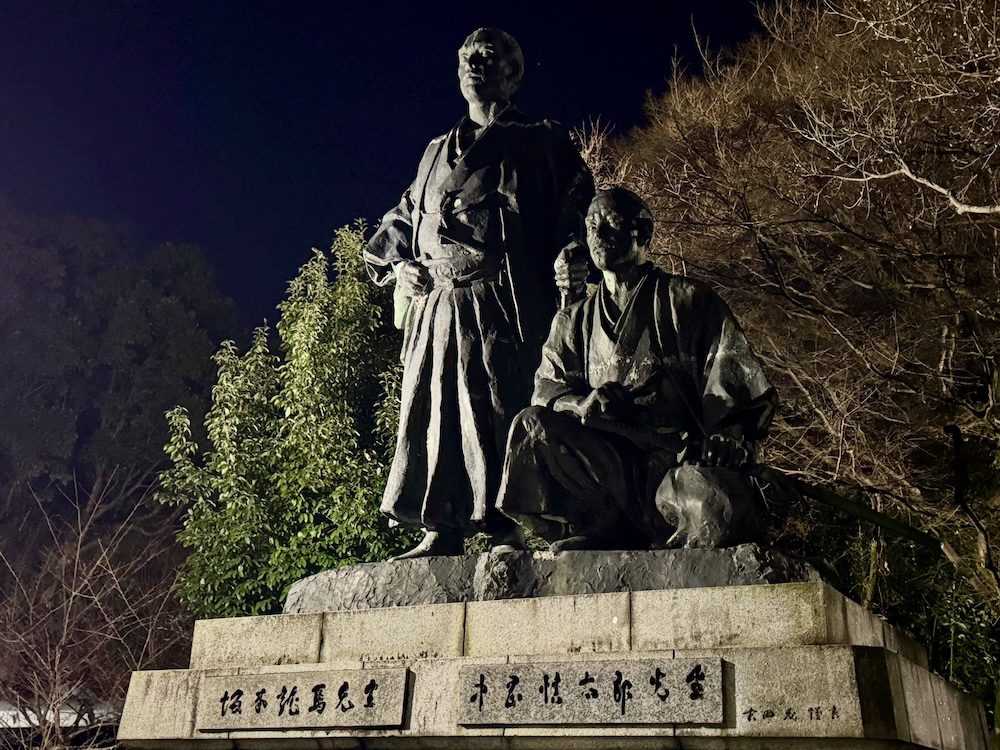
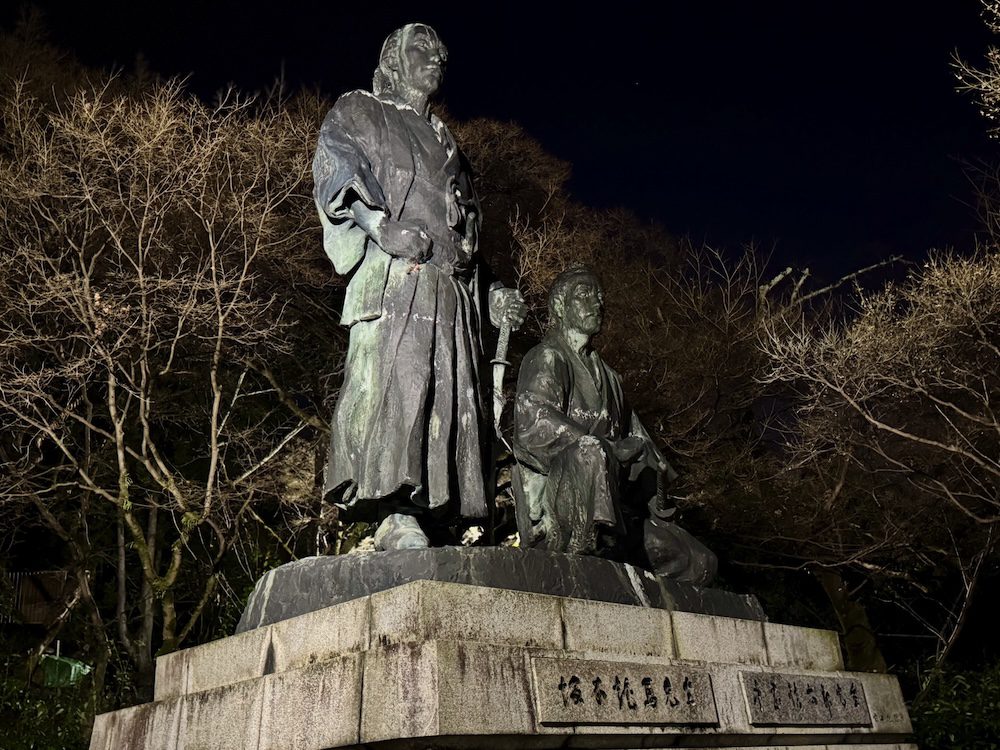
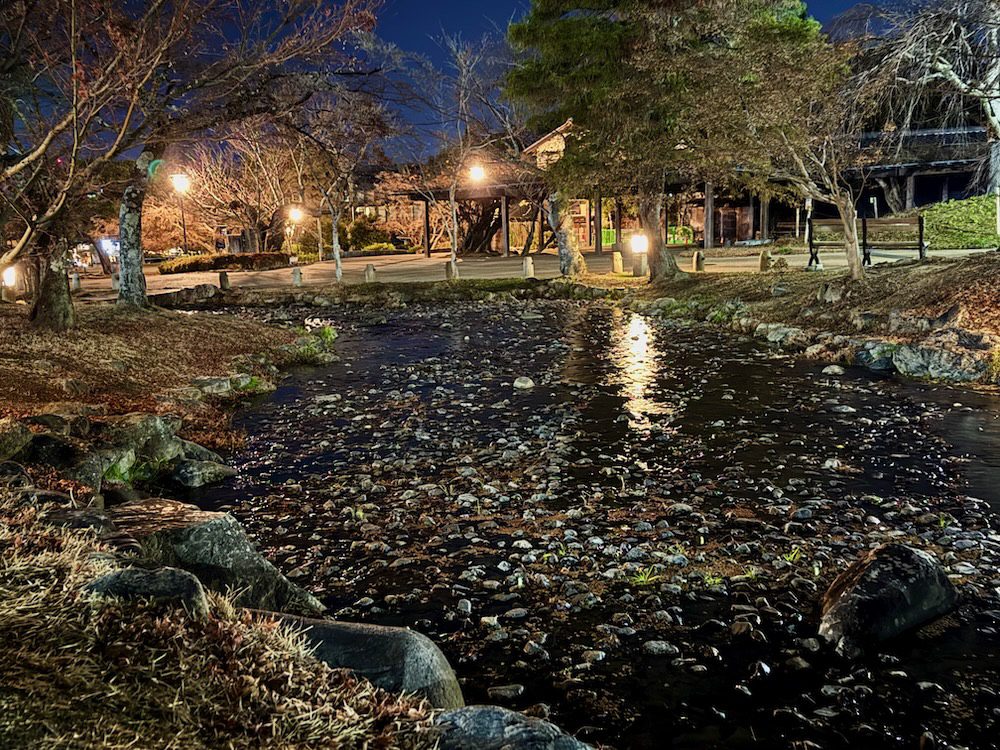
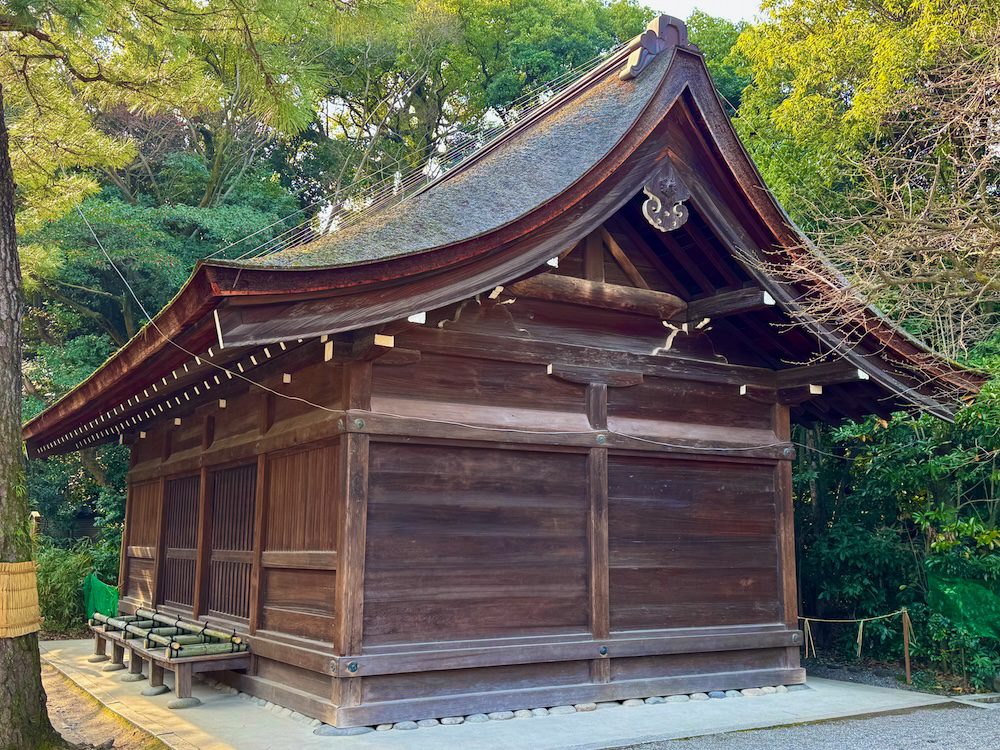
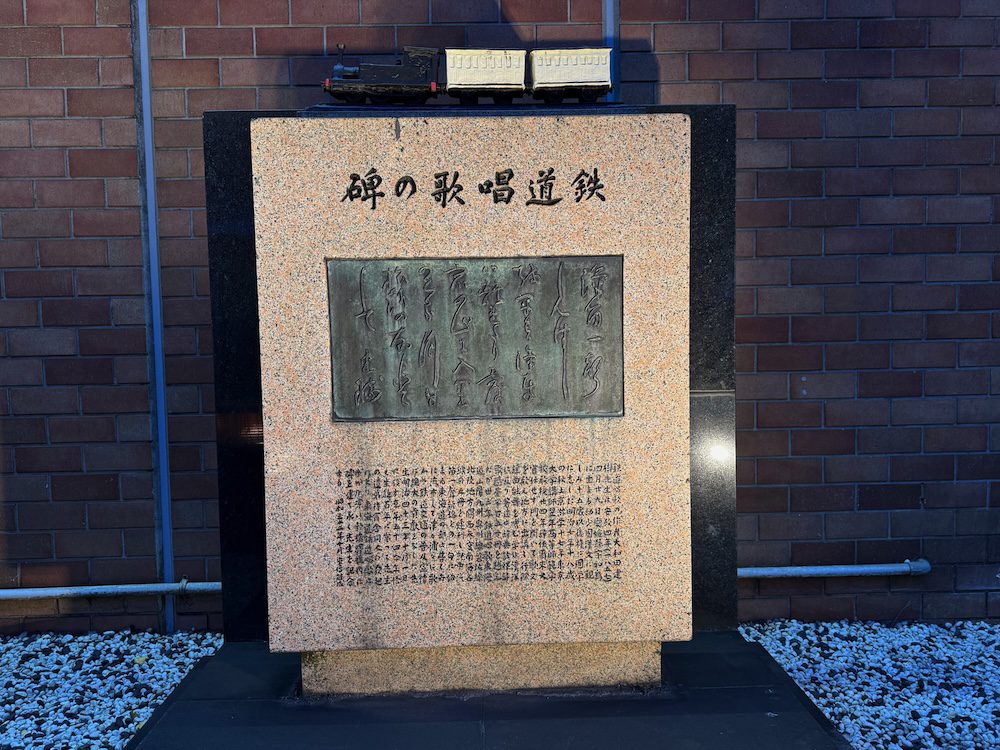
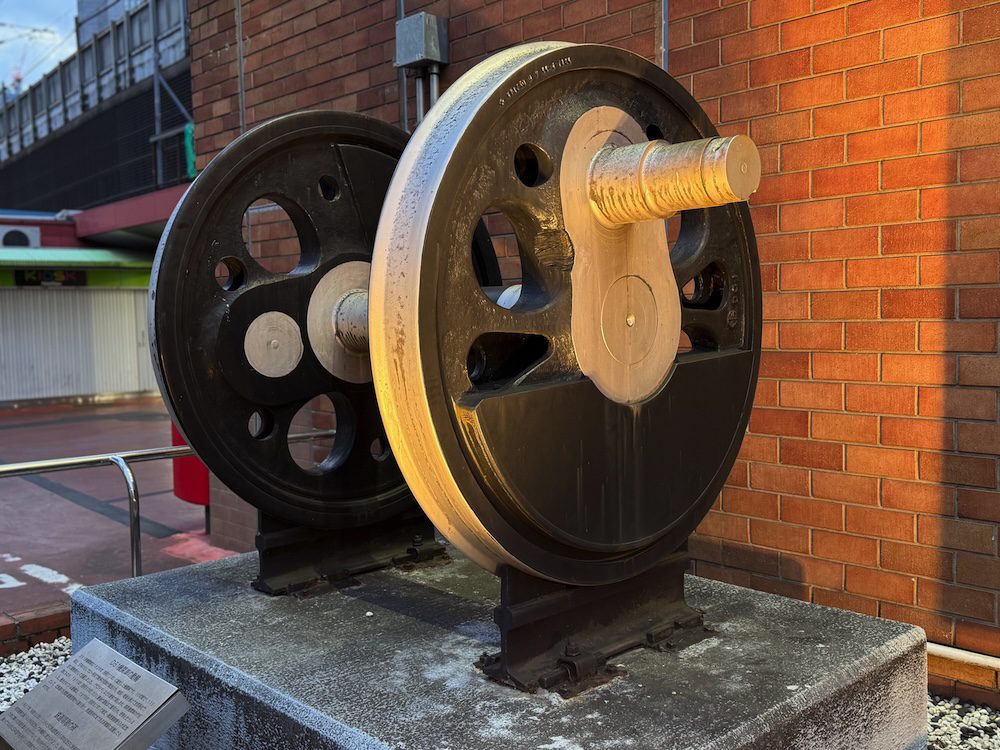
Day 2 started with getting my inner trainspotter happening by visiting the Kyoto Train Museum. I had read really good reviews so giddy up. The place is well presented and worth the time to visit. After a brief rest up, it was off to the Heian-Jingū Shrine (which i just made due to traffic). Relatively modern (1895) it is dedicated to the first & last Emperors that ruled from Kyoto. Yasaka Shrine & Maruyama Park was the second last stop for a night stroll. The night ended up at a little blues bar called Bar Out Loop-way, which i would recommend to anyone. Off to Hikone Castle today. Stay well.
Umekōji Park
Kyoto Railway Museum
Heian-jingū Shrine
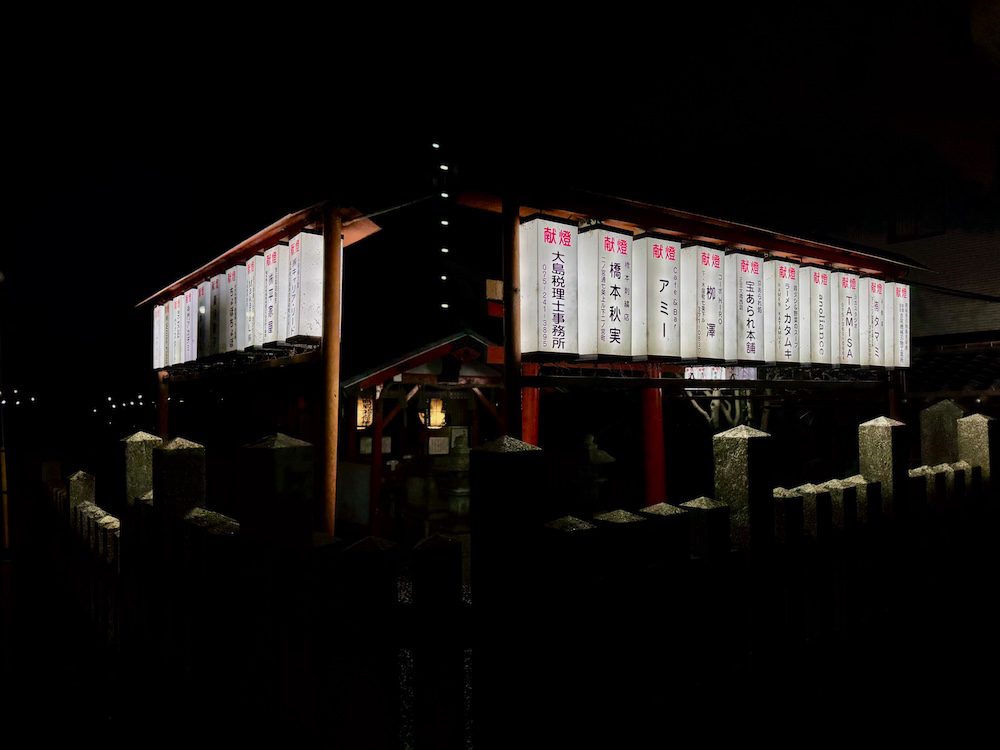
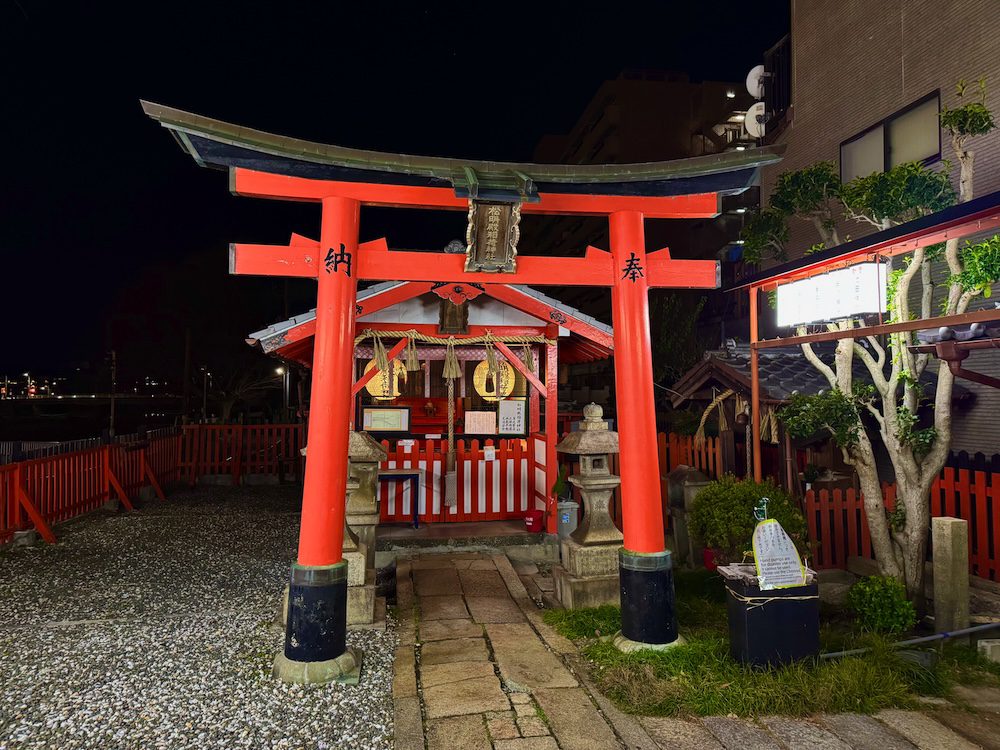
Yasaka Shrine & Maruyama Park at night
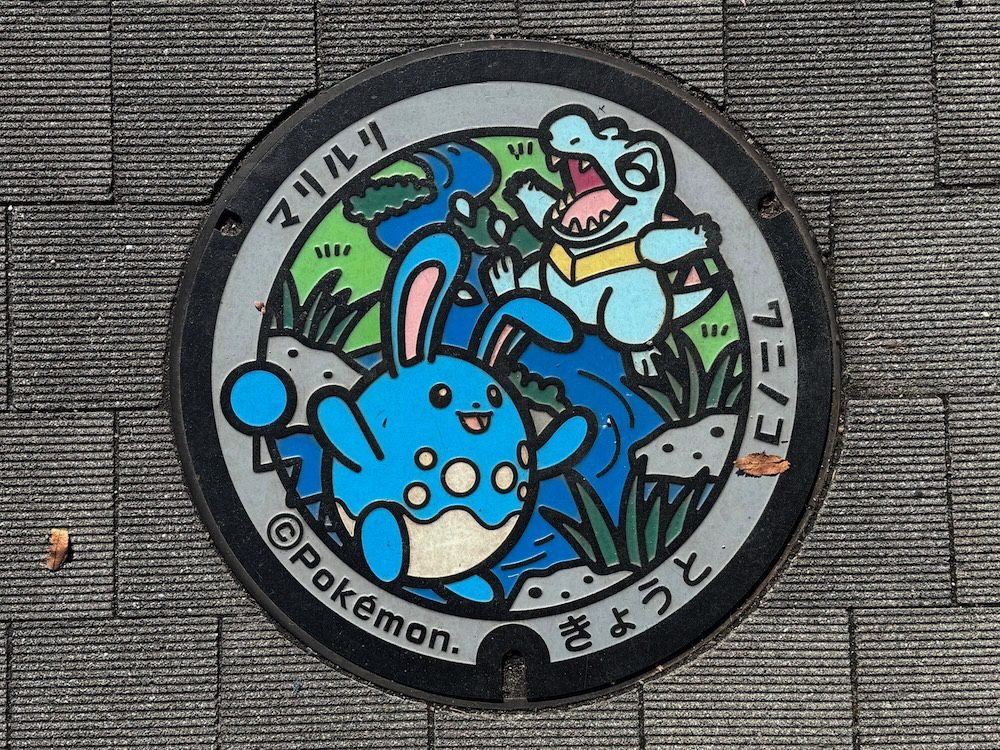
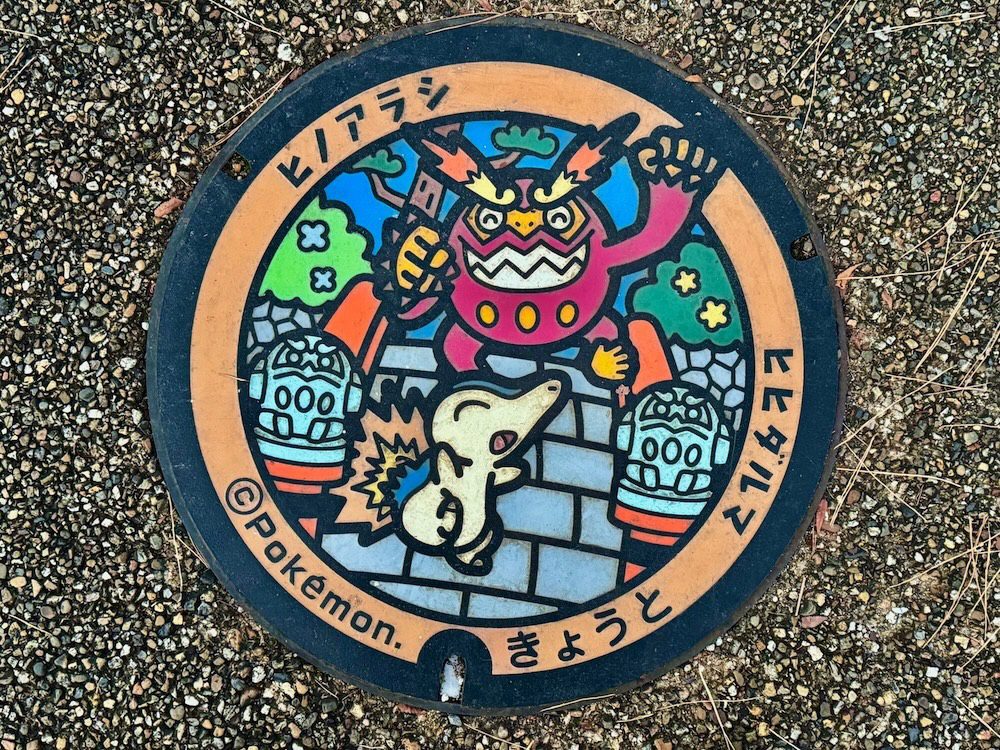
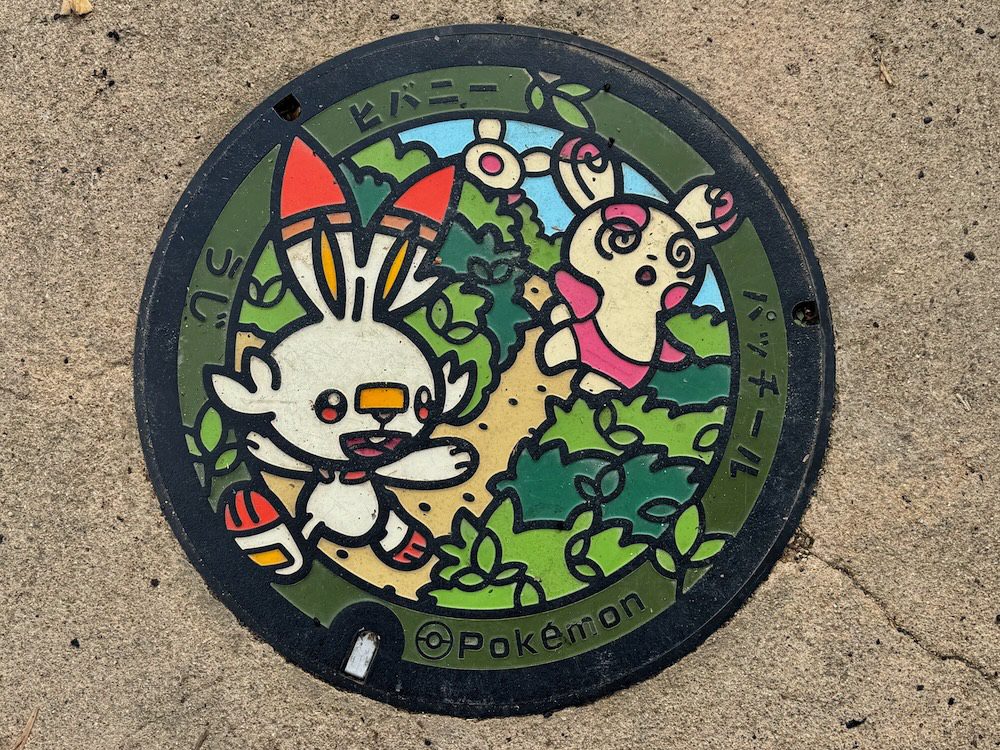
Manhole Covers
Day 4 - Hikone
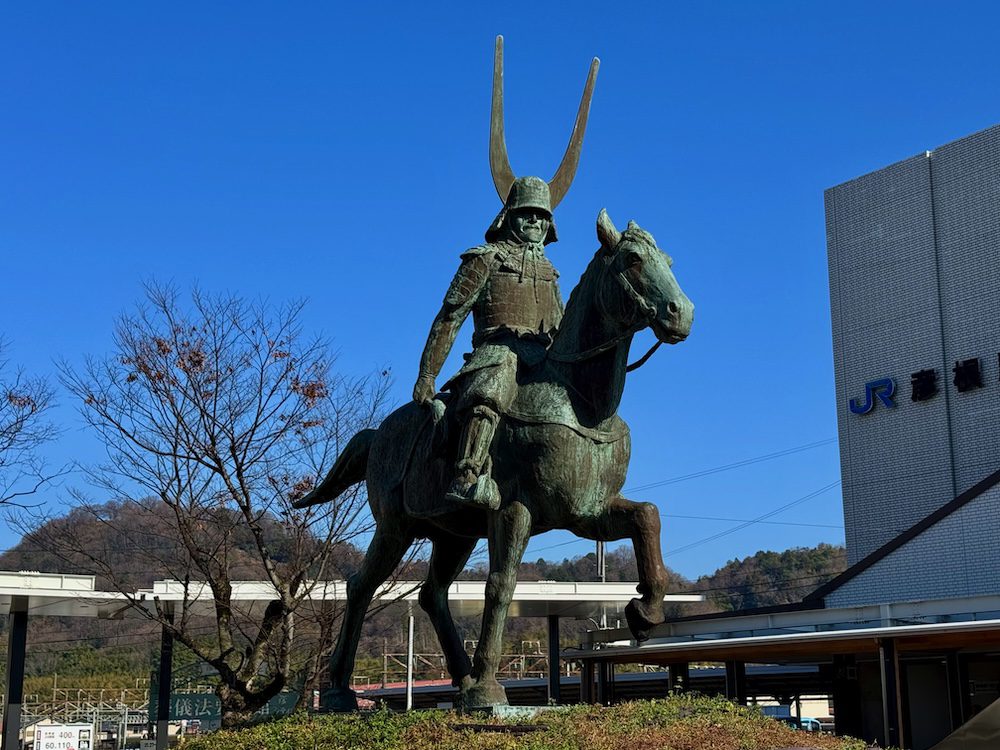
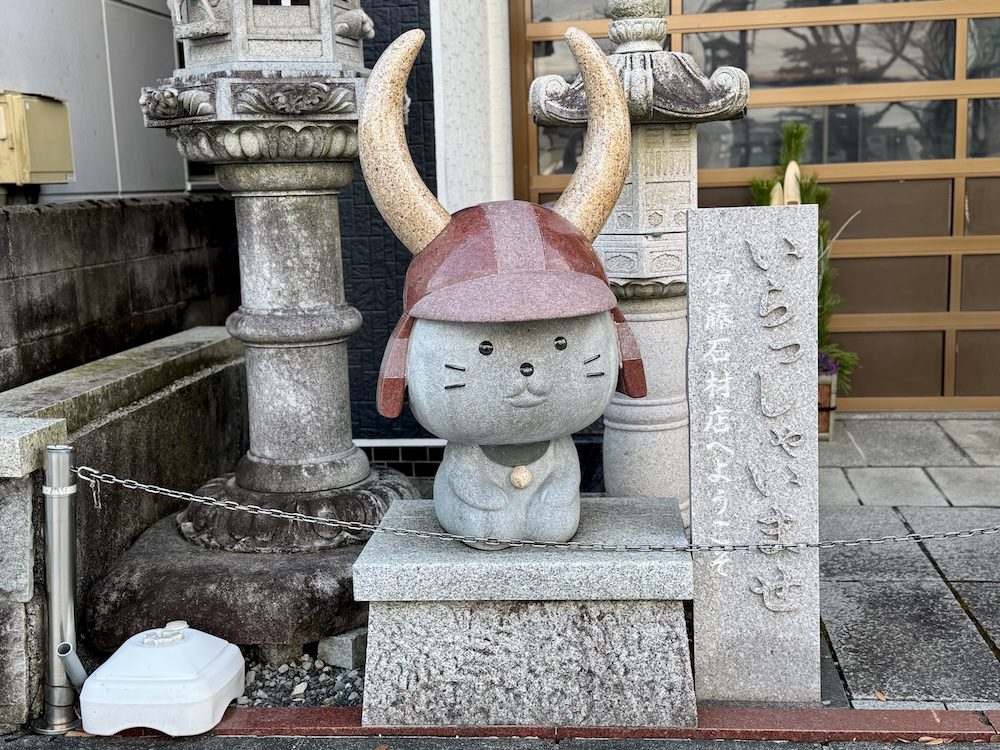
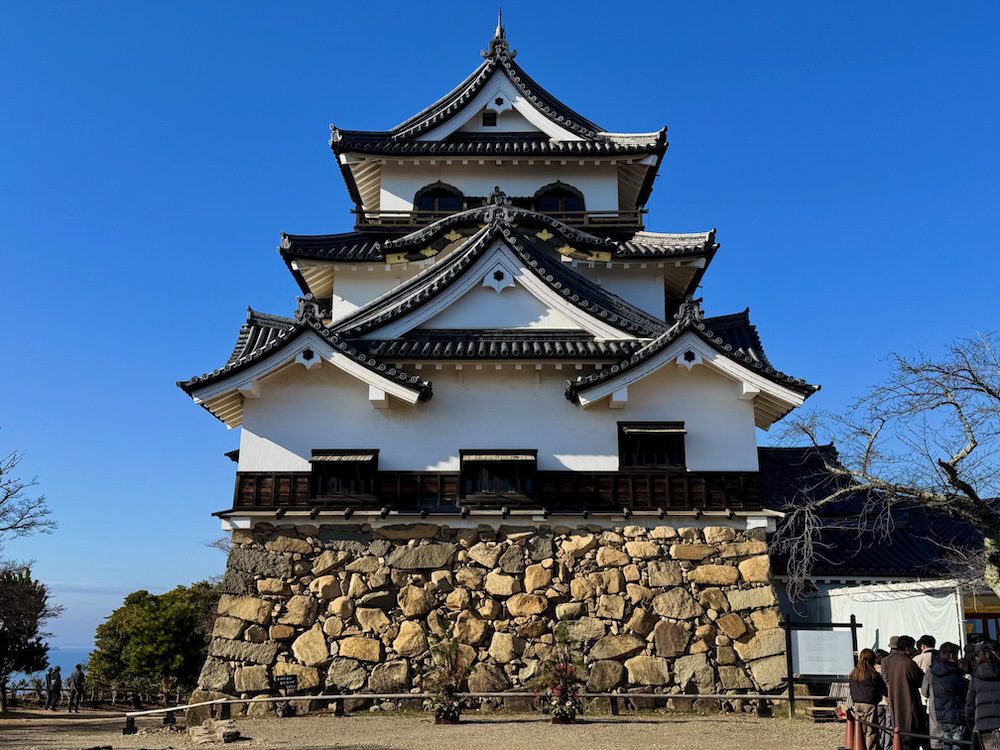
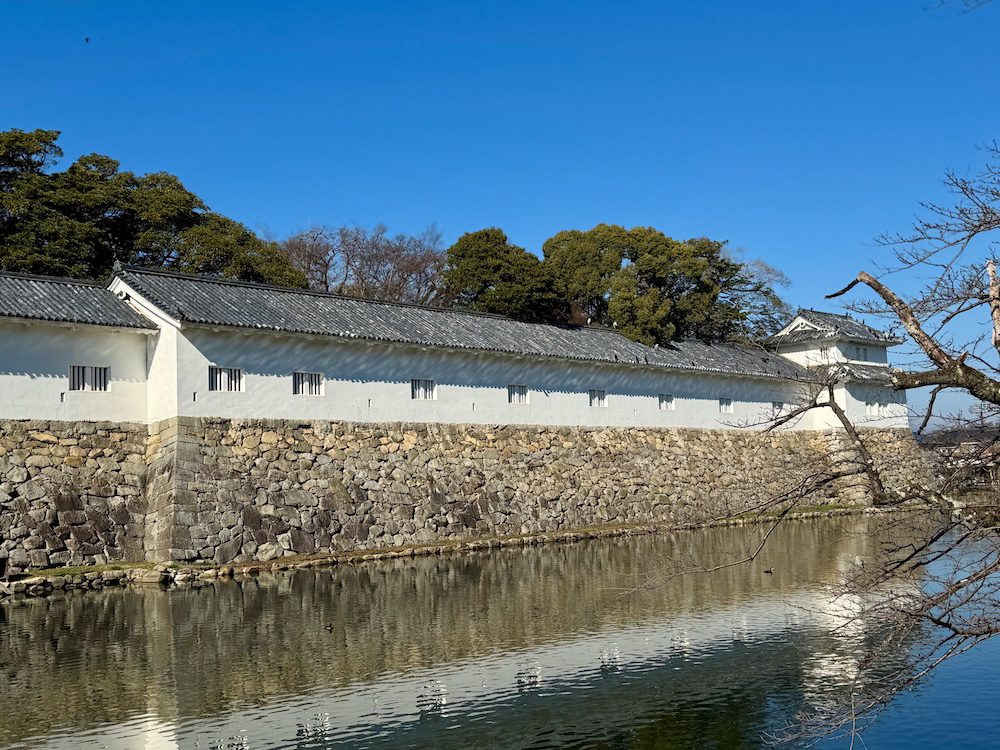
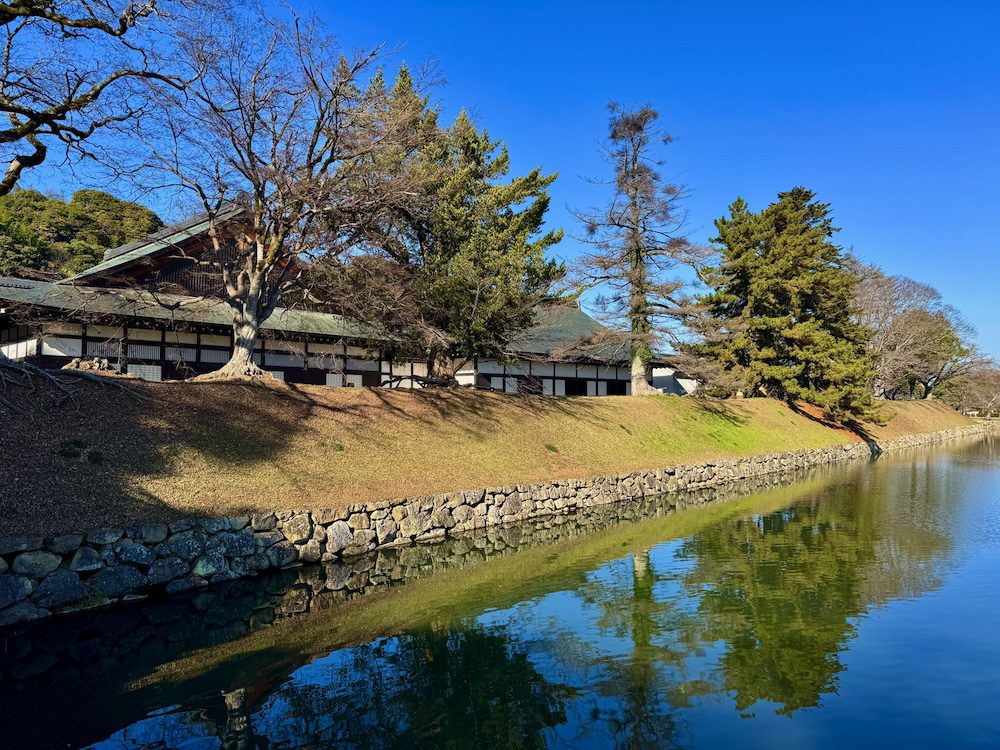
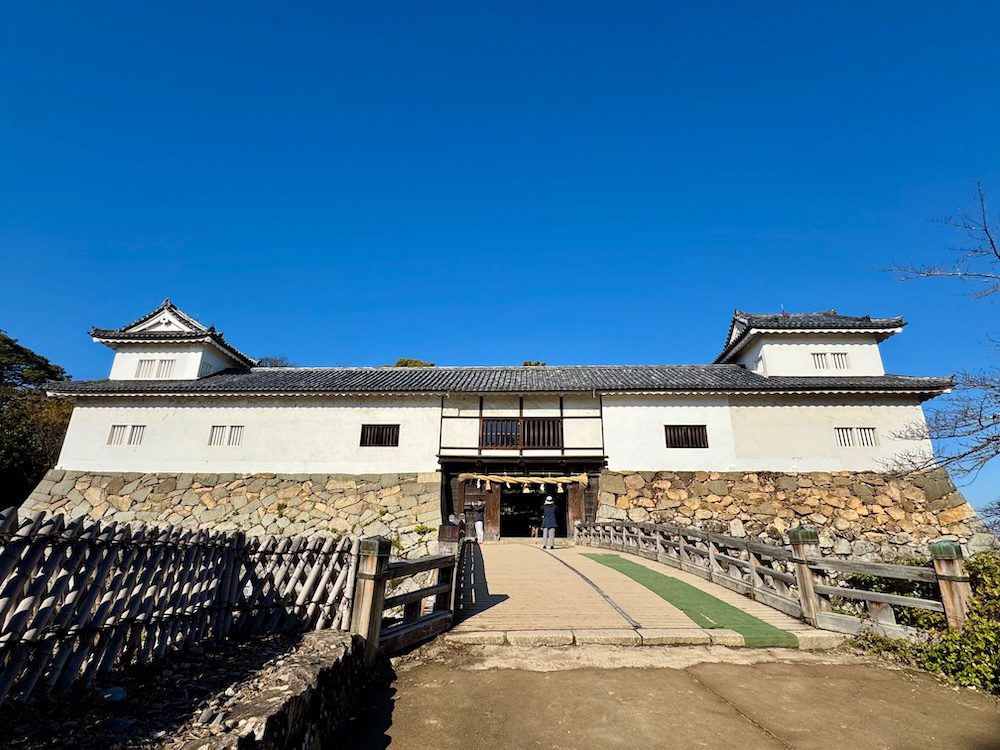
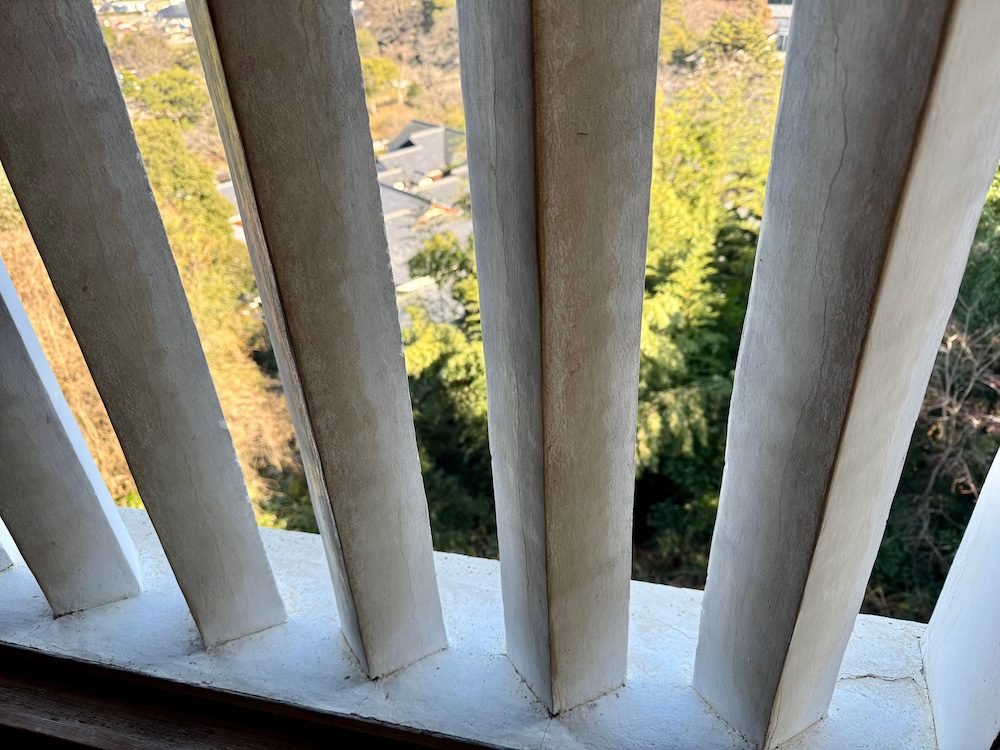
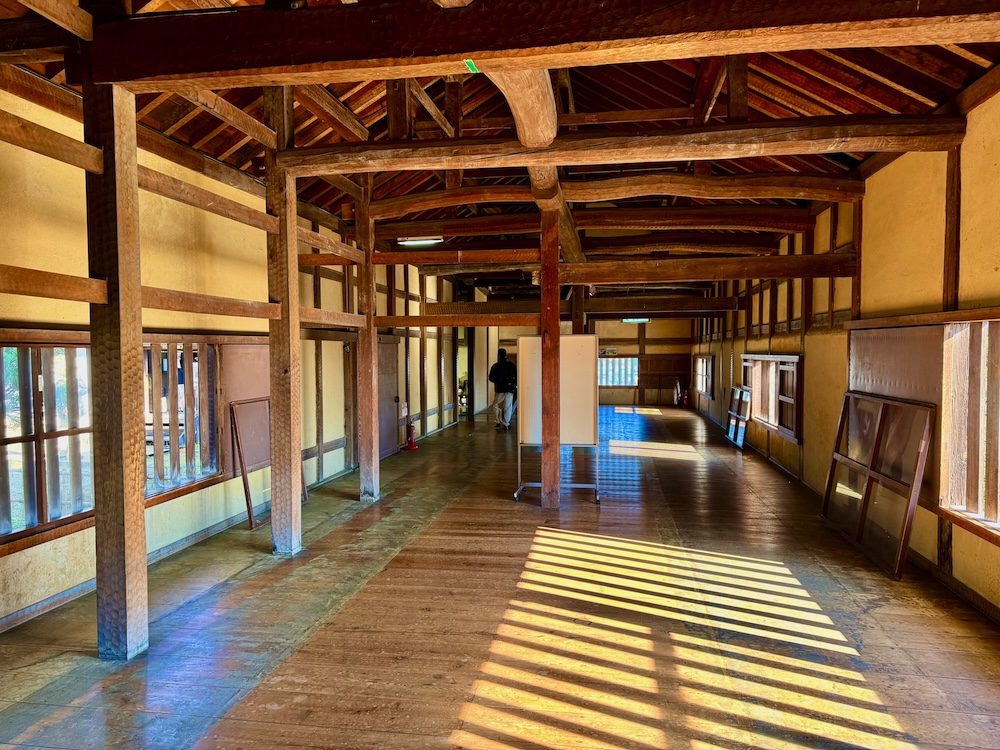
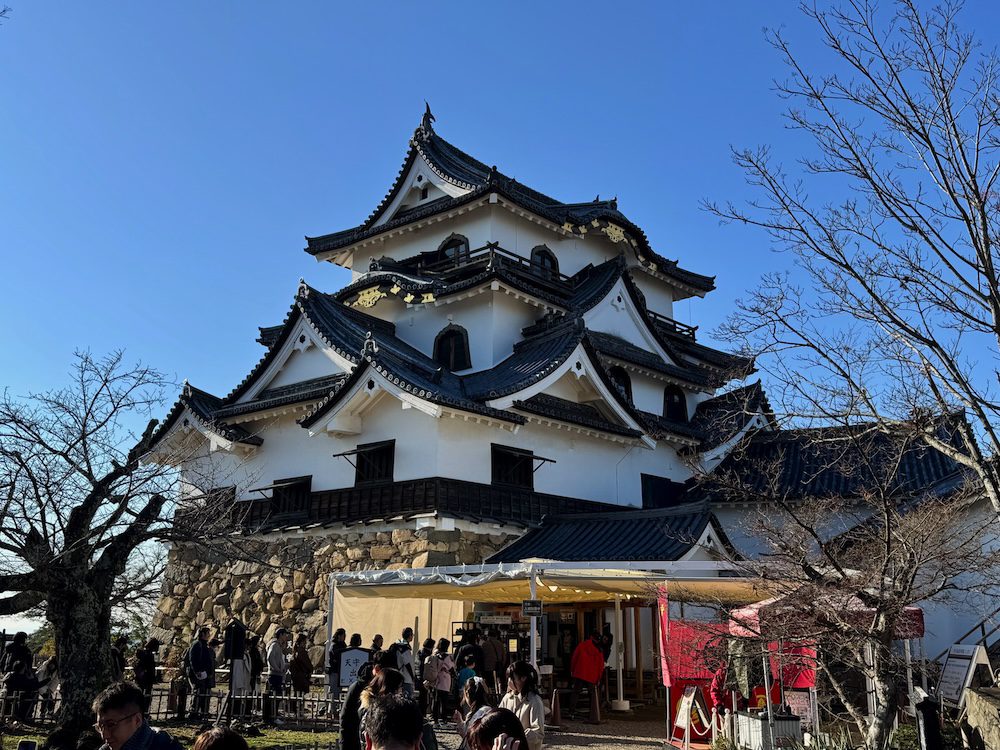
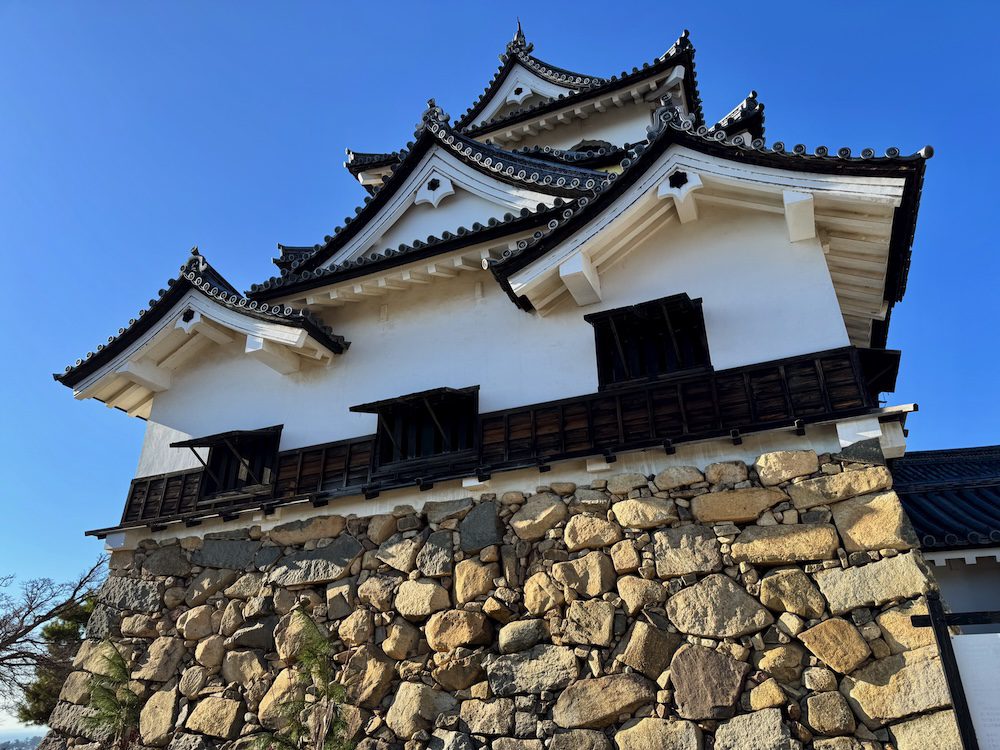
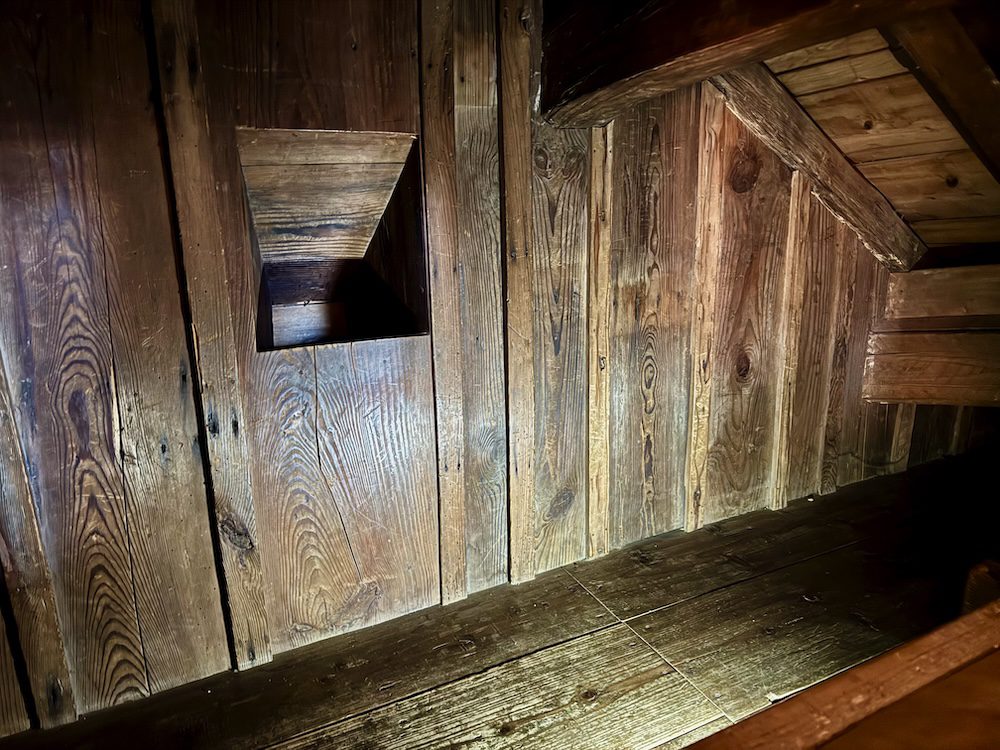
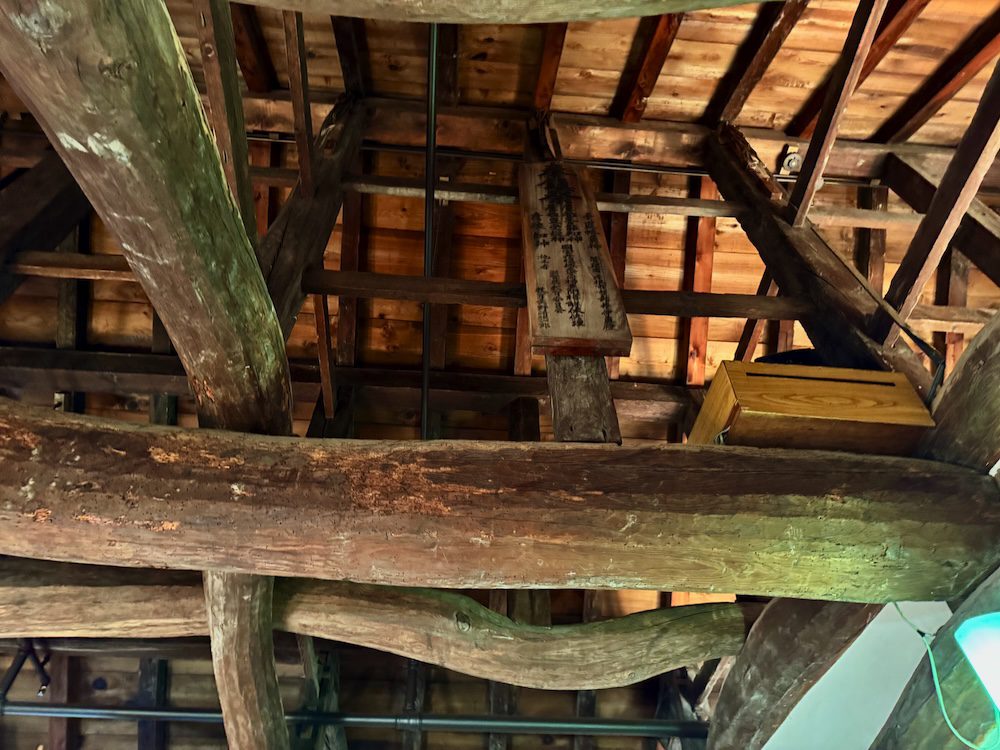
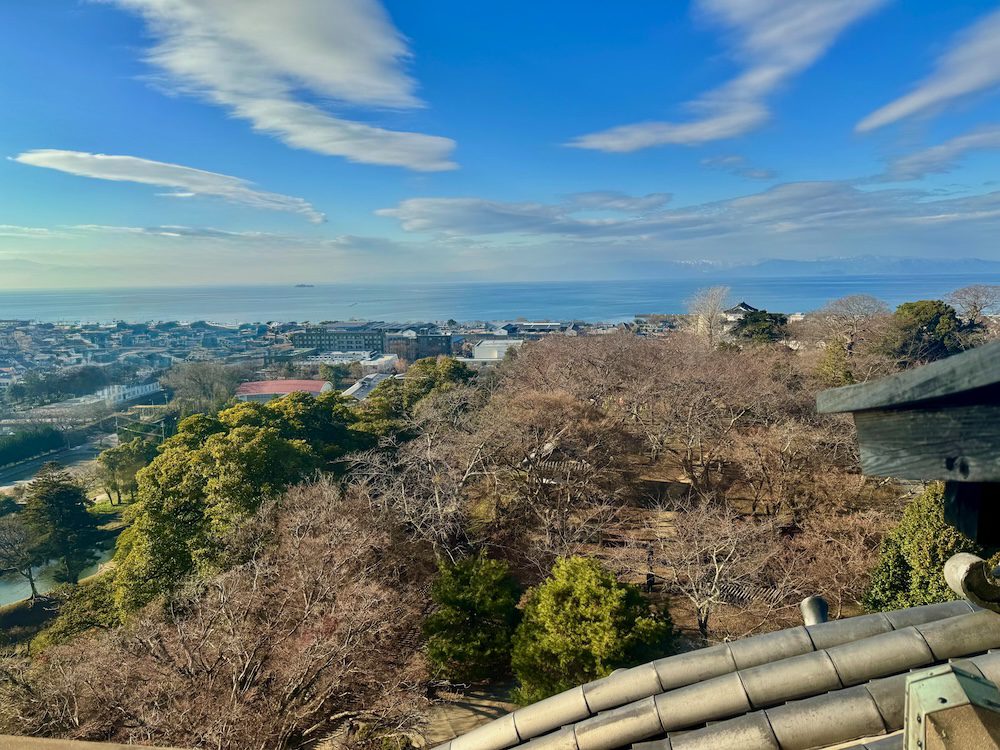
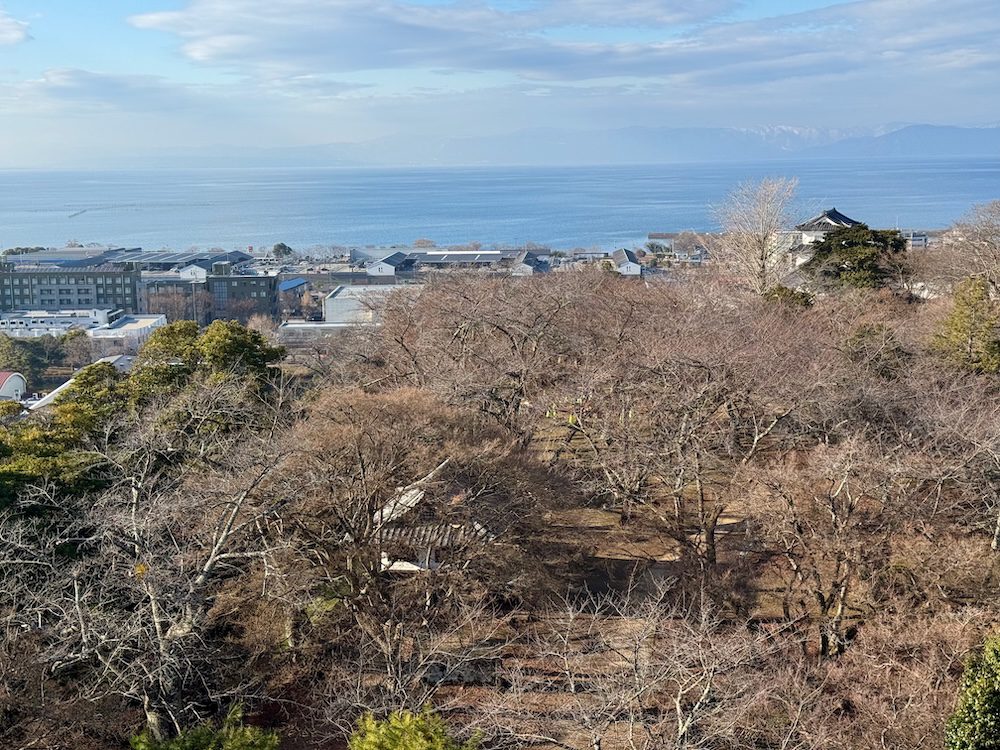
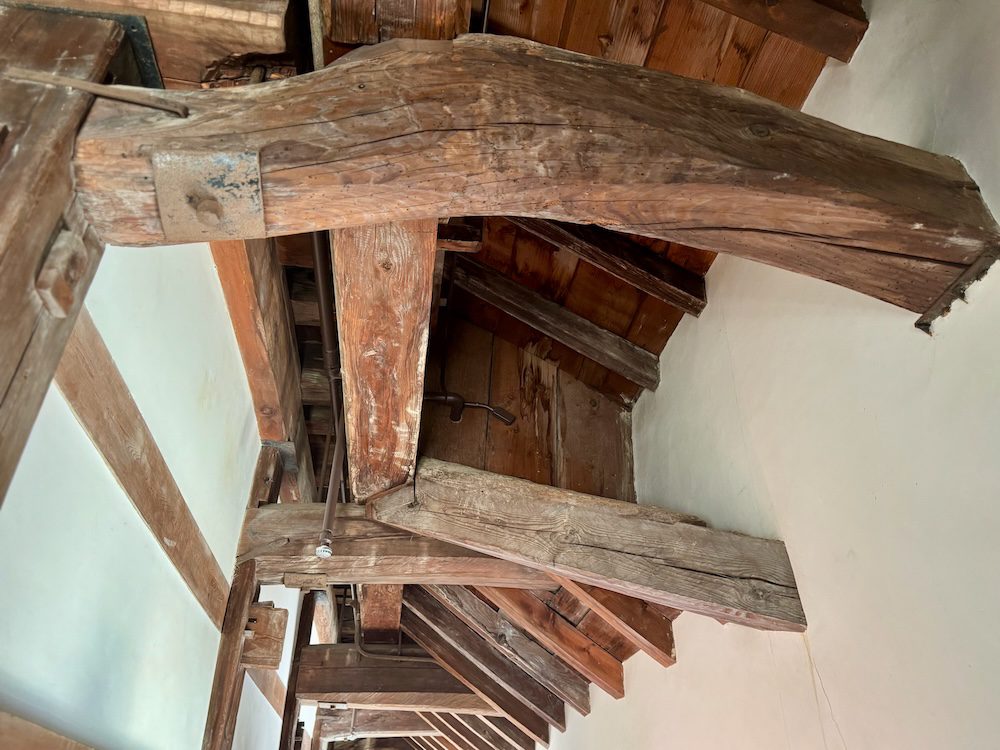
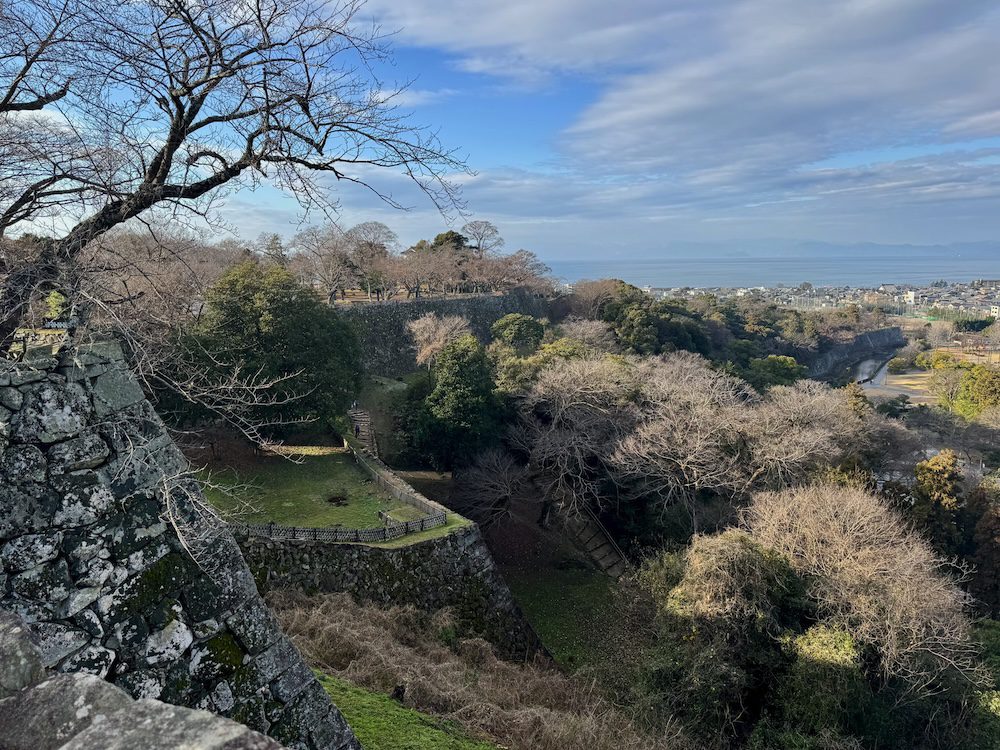
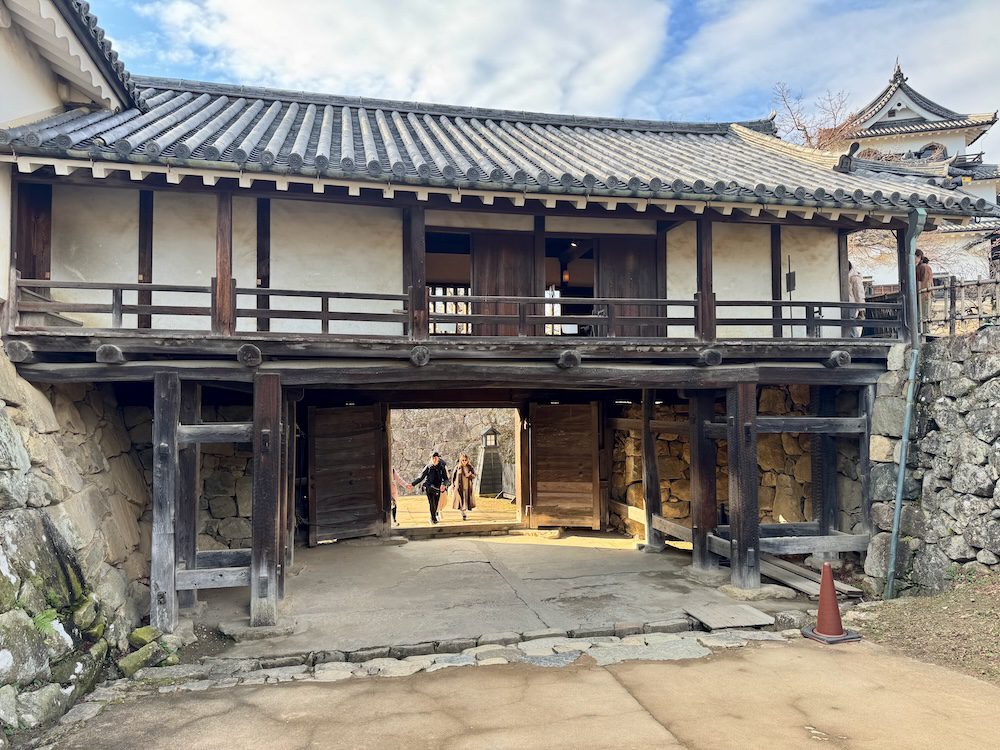
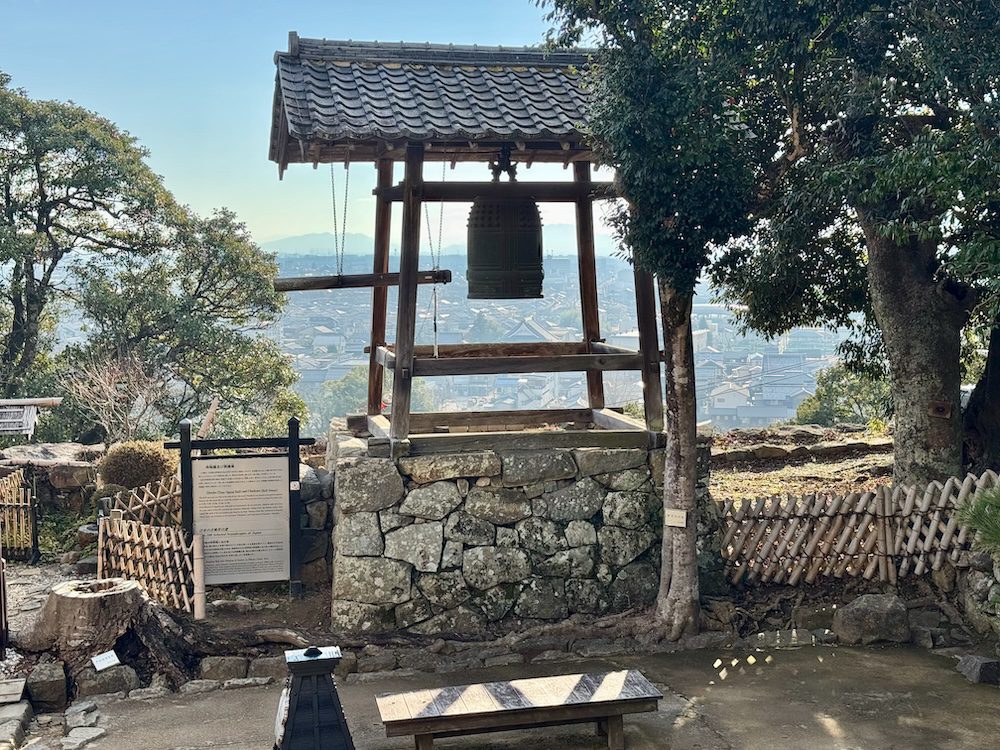
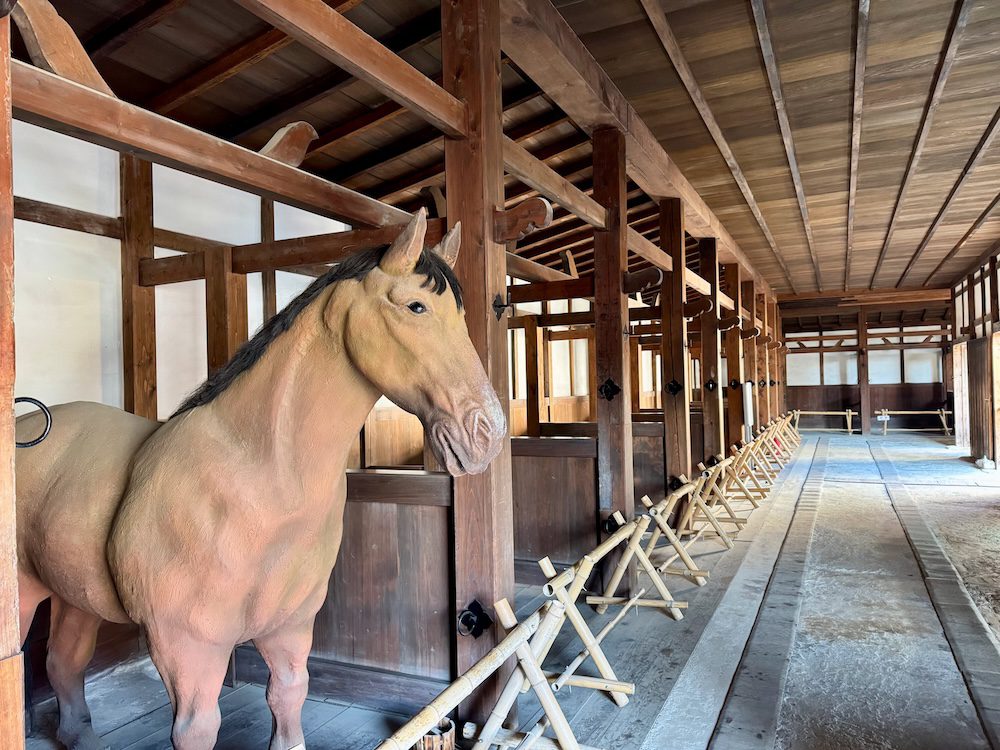
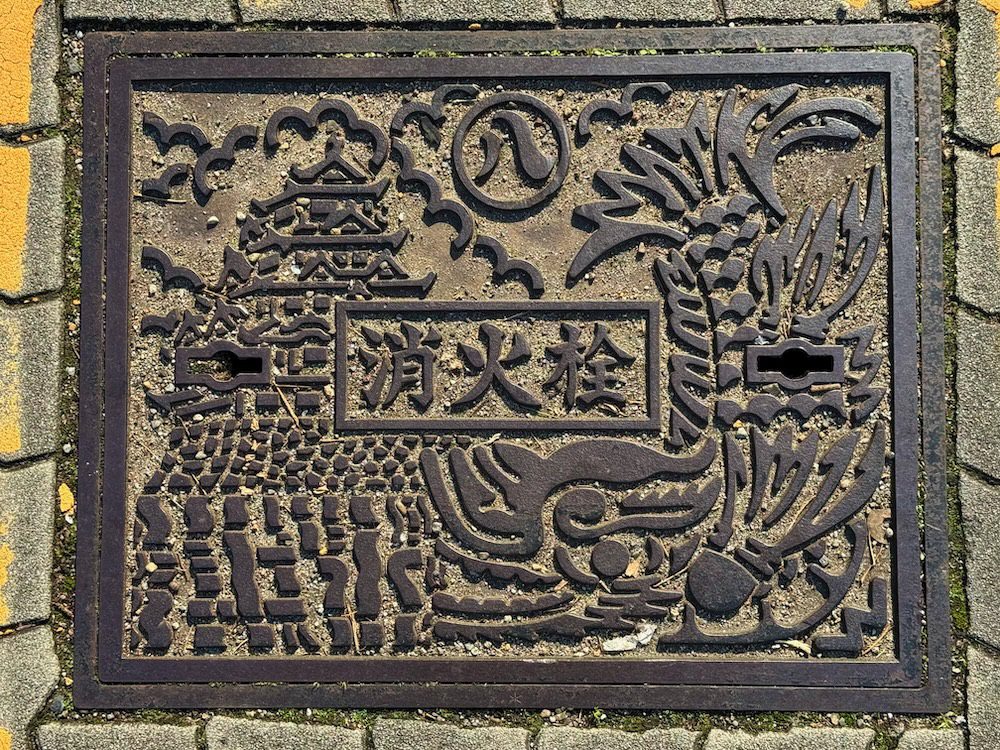
Today was a day where I needed to scale back the activity slightly, especially after last night. Well in truth, if not for rail issues, I may have been tempted to try and squeeze in Sekigahara. That one will have to wait for another time, but the trip to Hikone was definitely worth it. Having been to Japan now 6 times, you tend to start looking for different ways to discover new things. The fact that there is only 12 original castles left in Japan, was something that straight away caught my attention. On top of this, only five castles in Japan with its original tenshu (main keep) that survived war, fire, and modernisation still exist. Himeji & Matsumoto have been ticked off the list already so Hikone was the next one to fall.
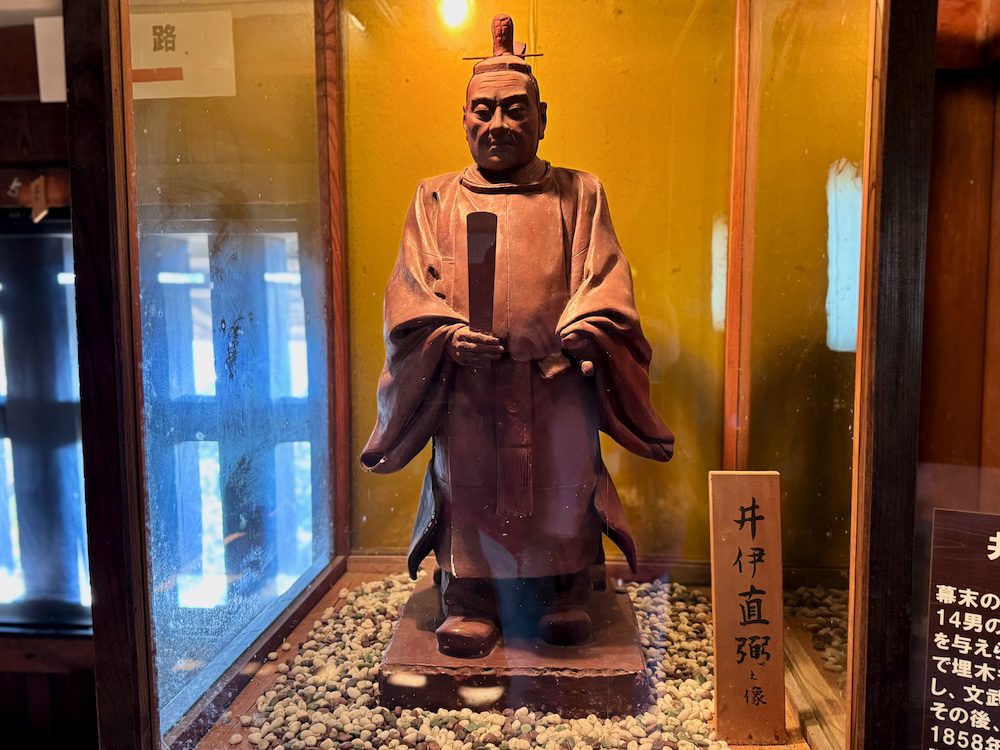
History fact time – Construction of the tenshu (main keep) began in 1604, and finished 2 years later (the castle was completed by 1622). The entire structure itself was built by the Ii clan after control of the Hikone area after the land was granted to them due to the exploits of General Ii Naomasa (“Red Devil of the Battlefield”) at the Battle of Sekigahara (1600).
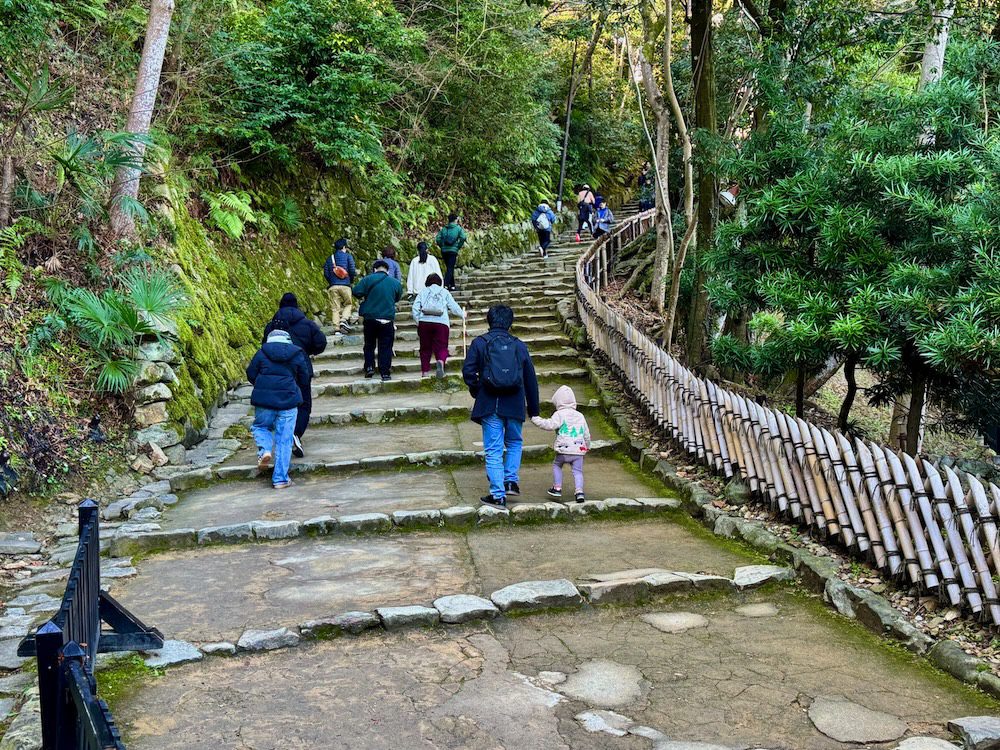
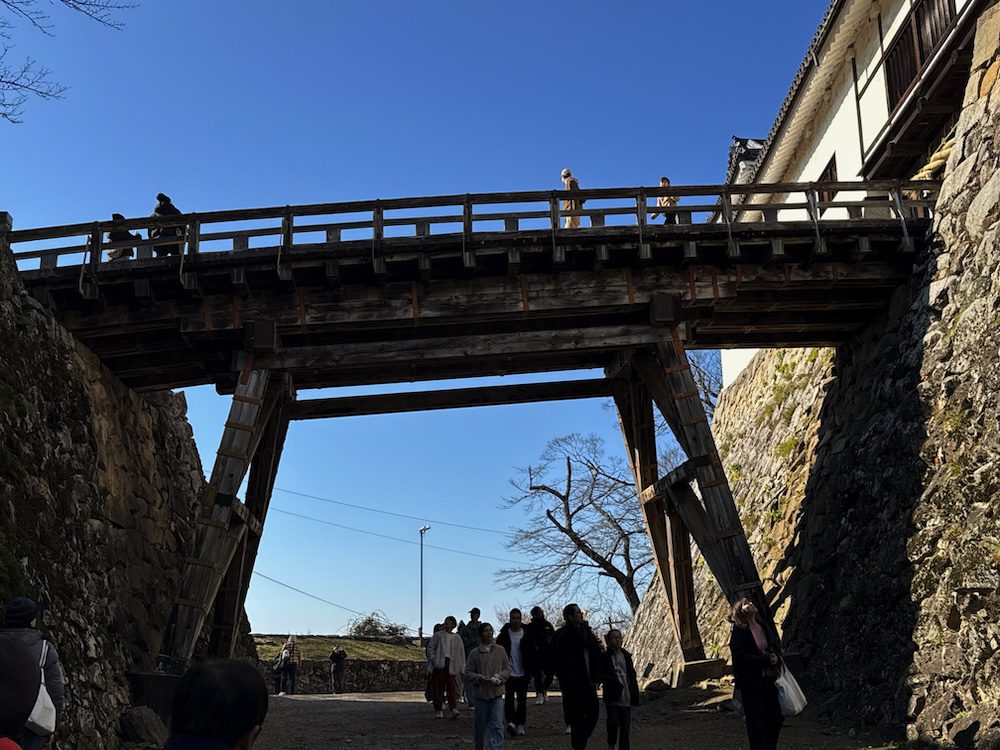
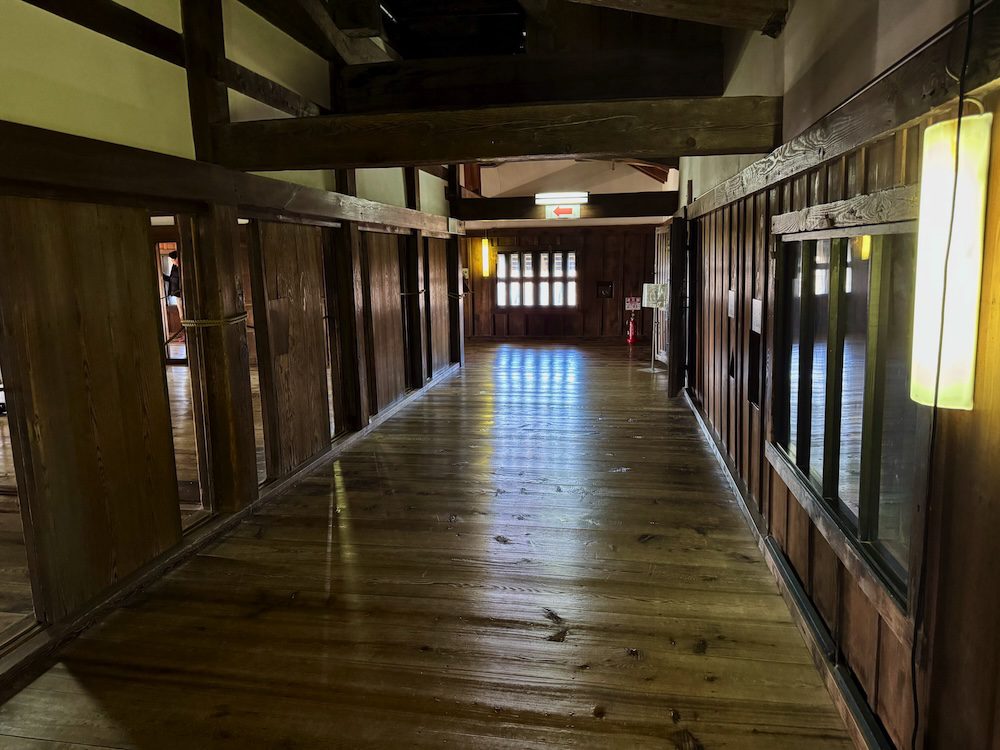
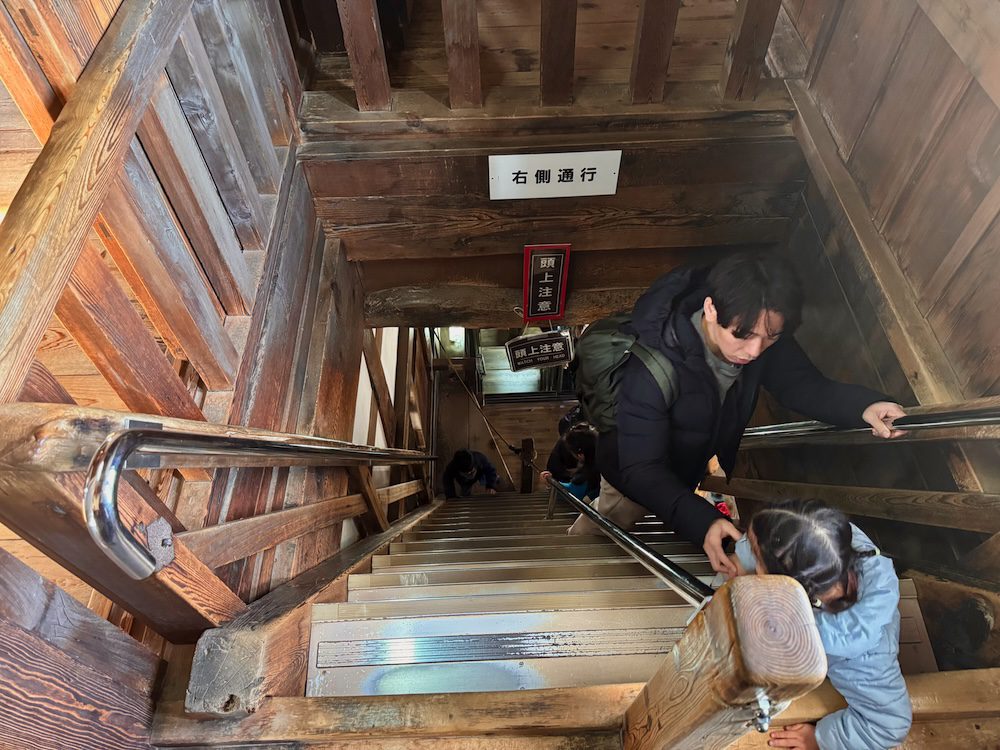
A few of things struck me about this place. 1. The steepness of the path leading up the castle. 2. the steepness of the stairs within the keep itself and 3. the height of the doorways. These qualities were listed as defensive advantages along with the being on top of Mt. Hikone. My knees and head can can attest to the effectiveness of said defensive qualities.
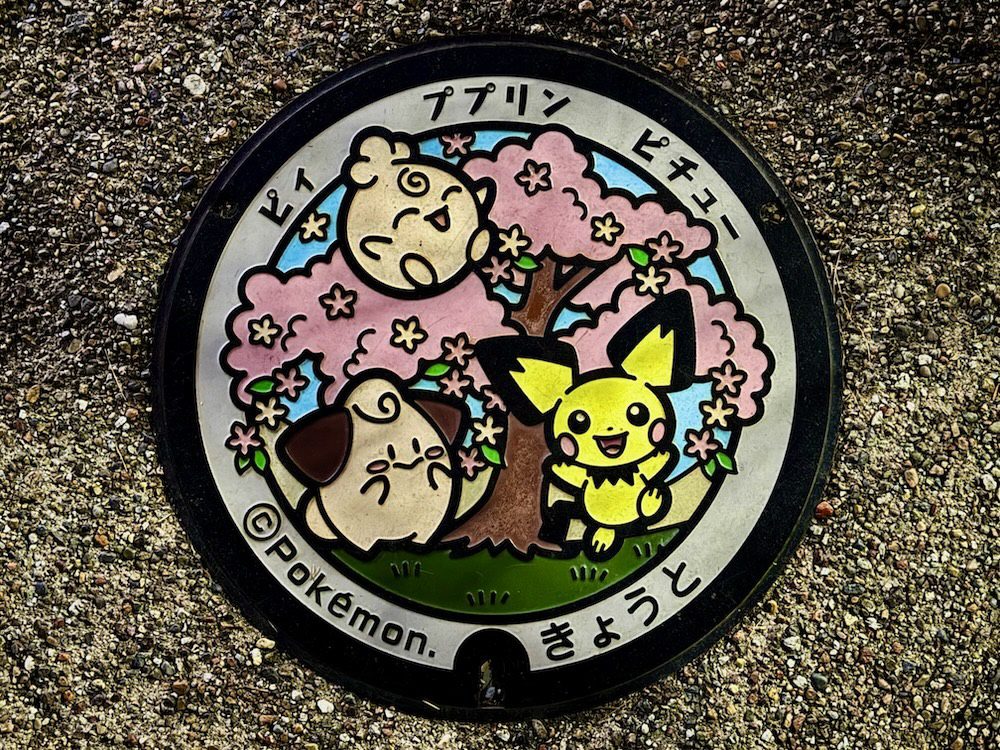
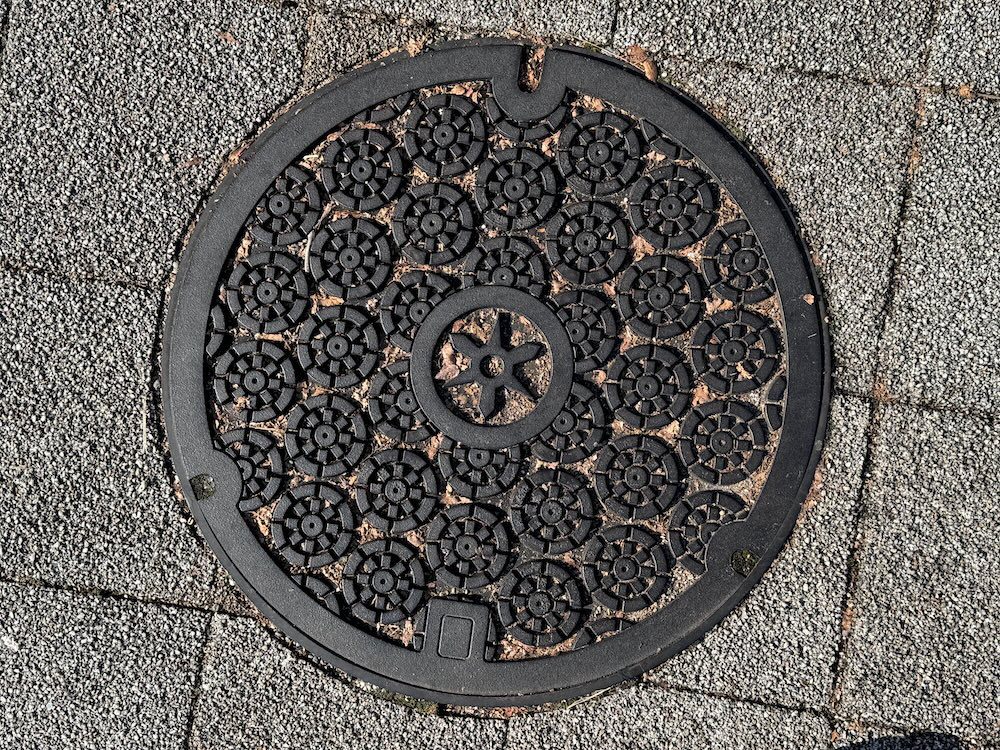
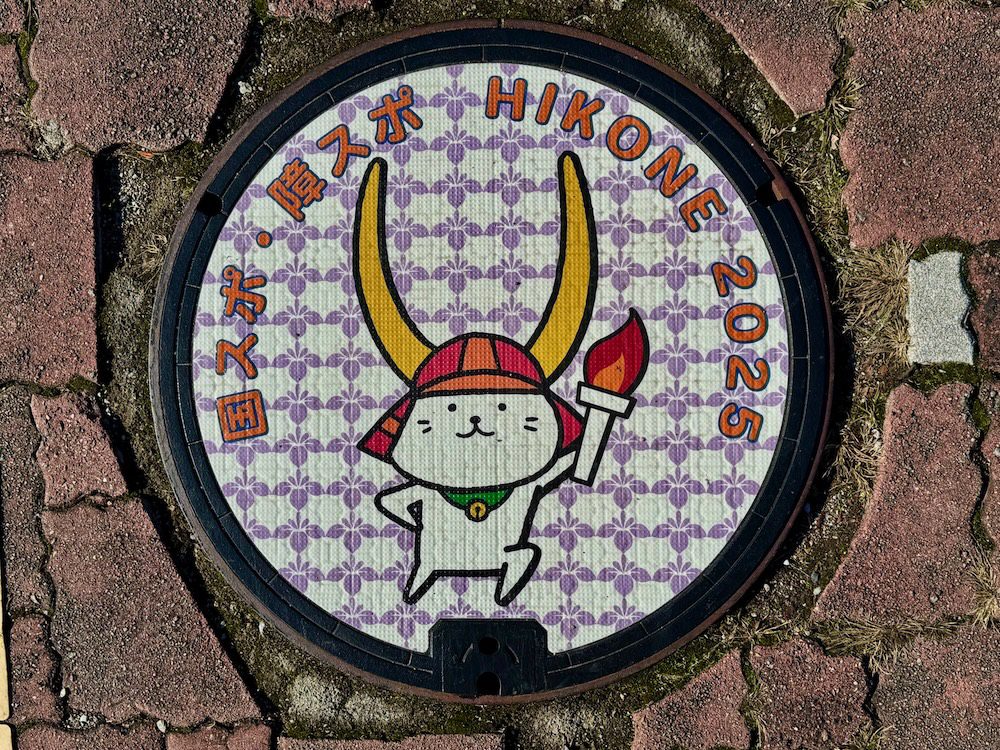
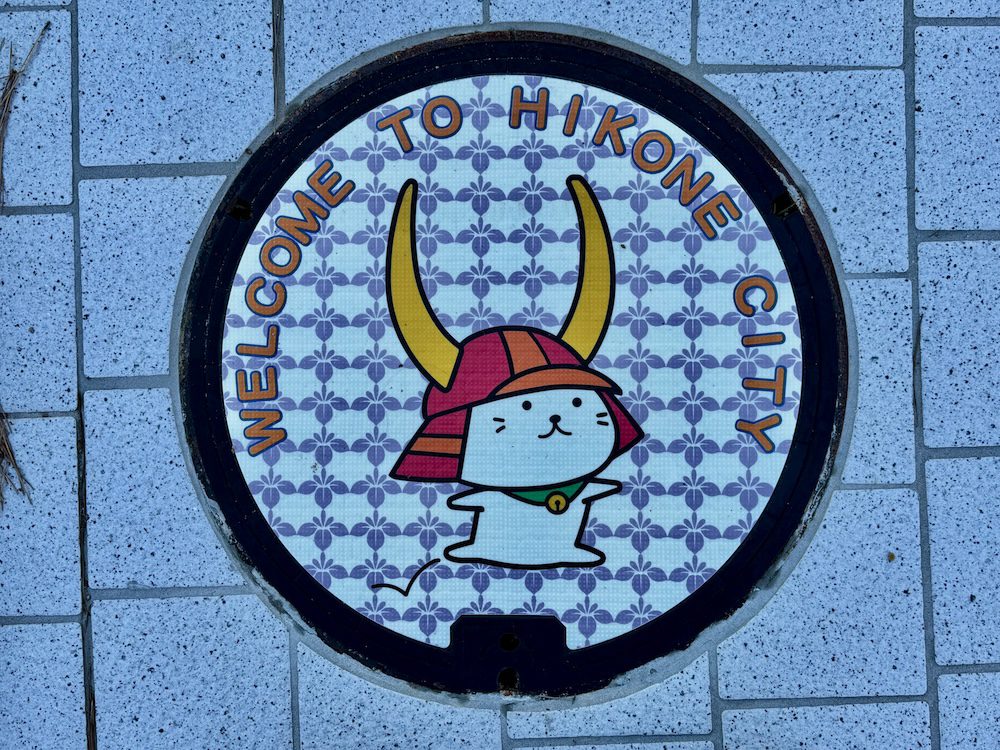
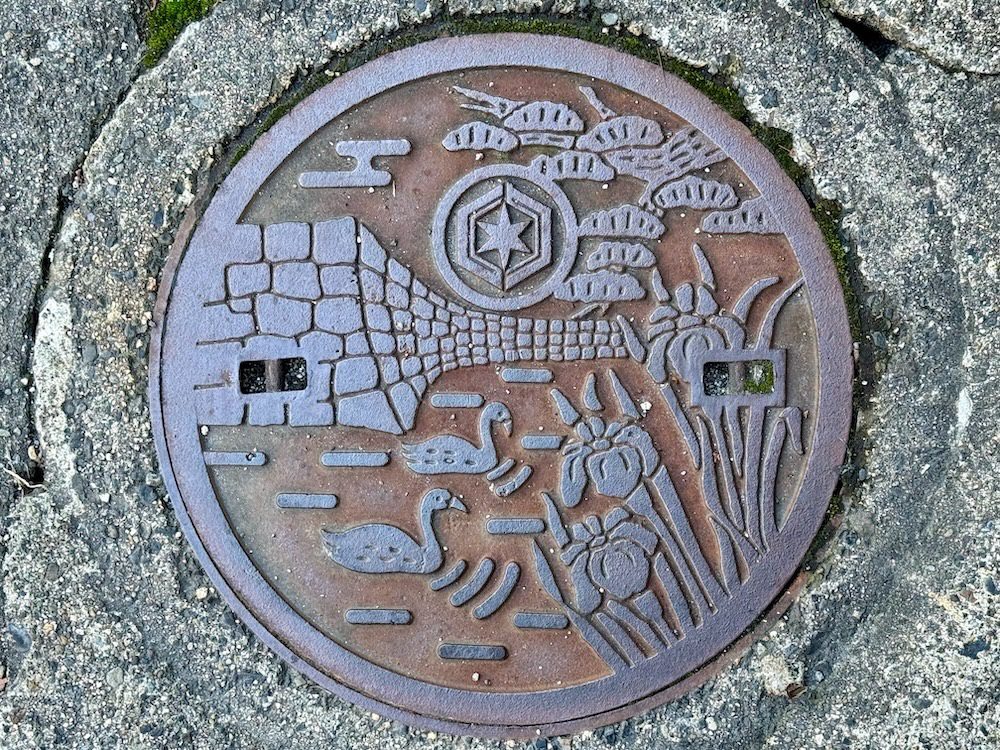
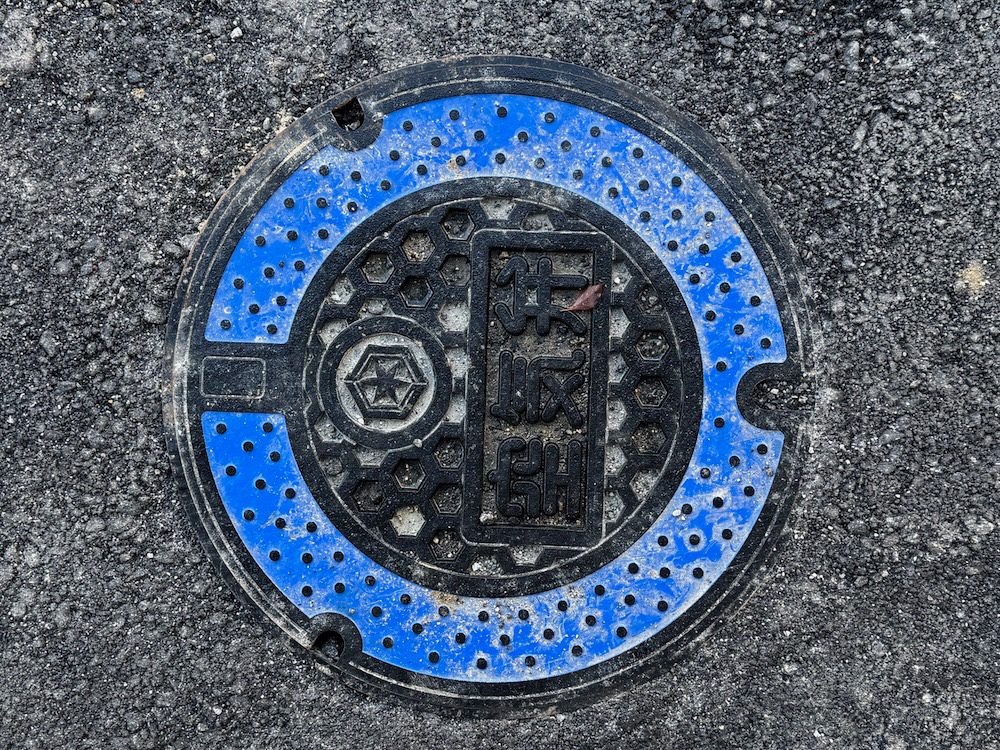
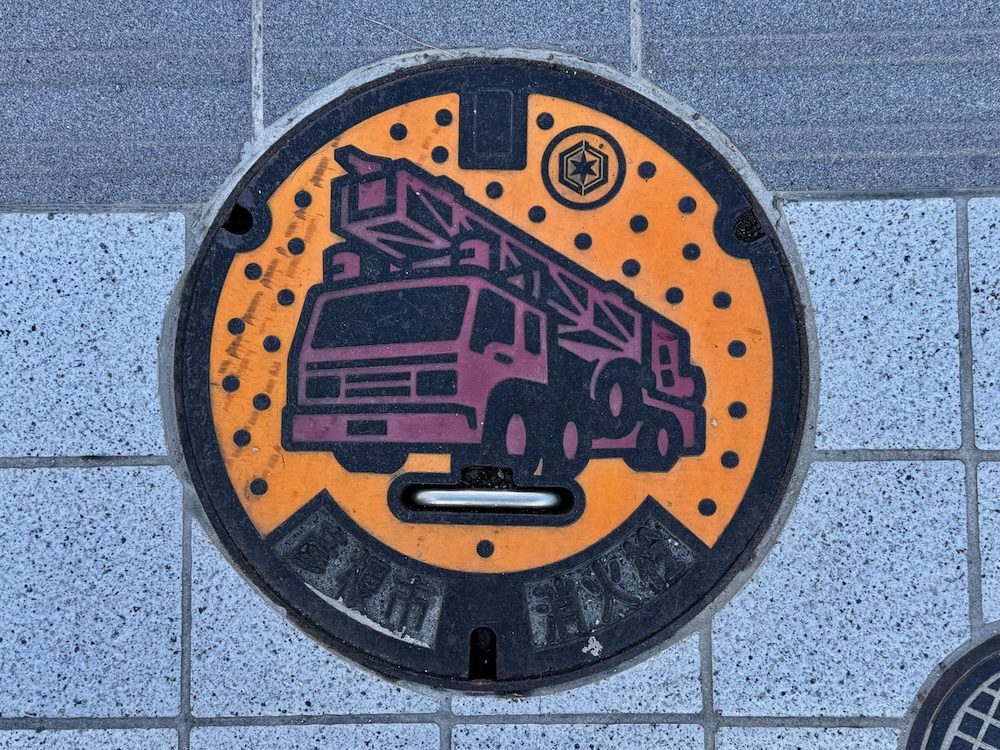
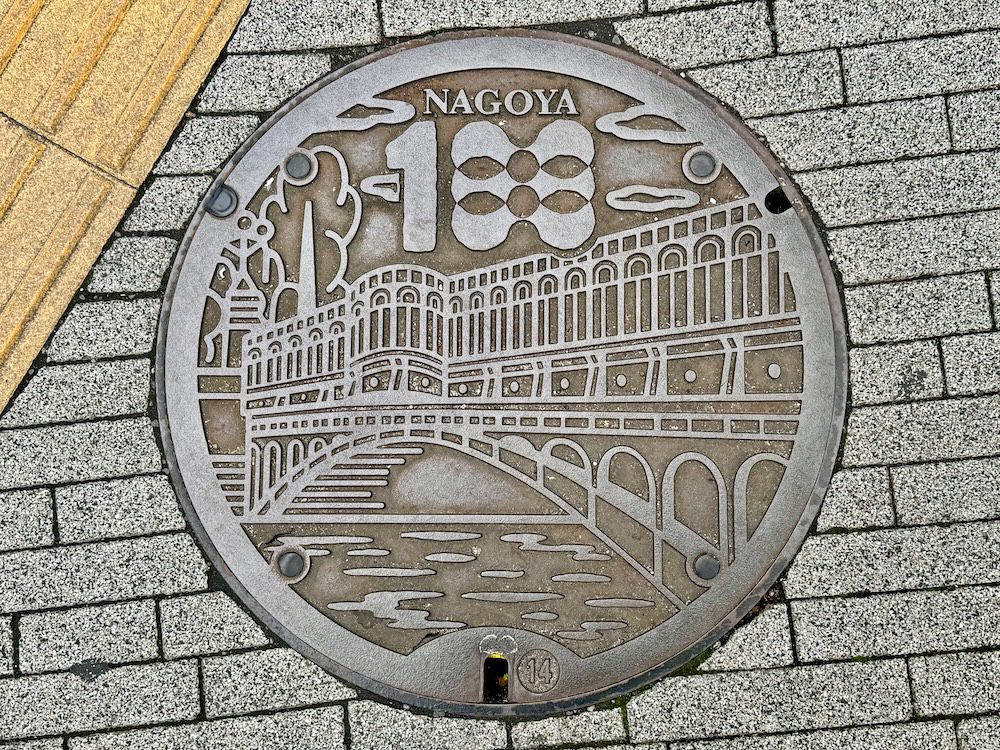
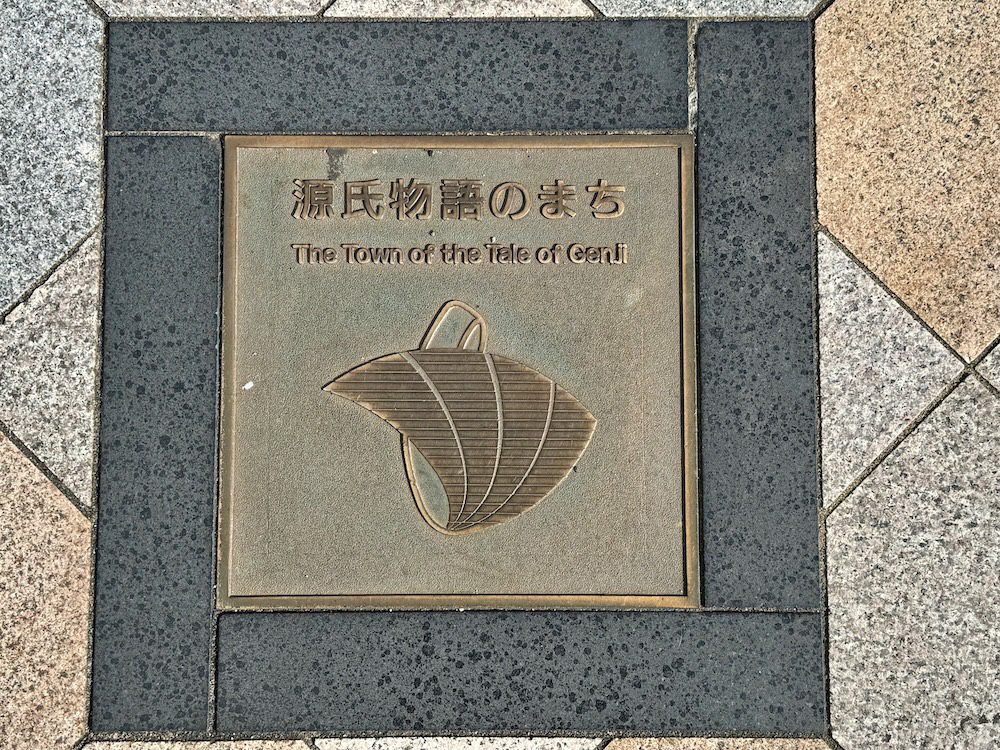
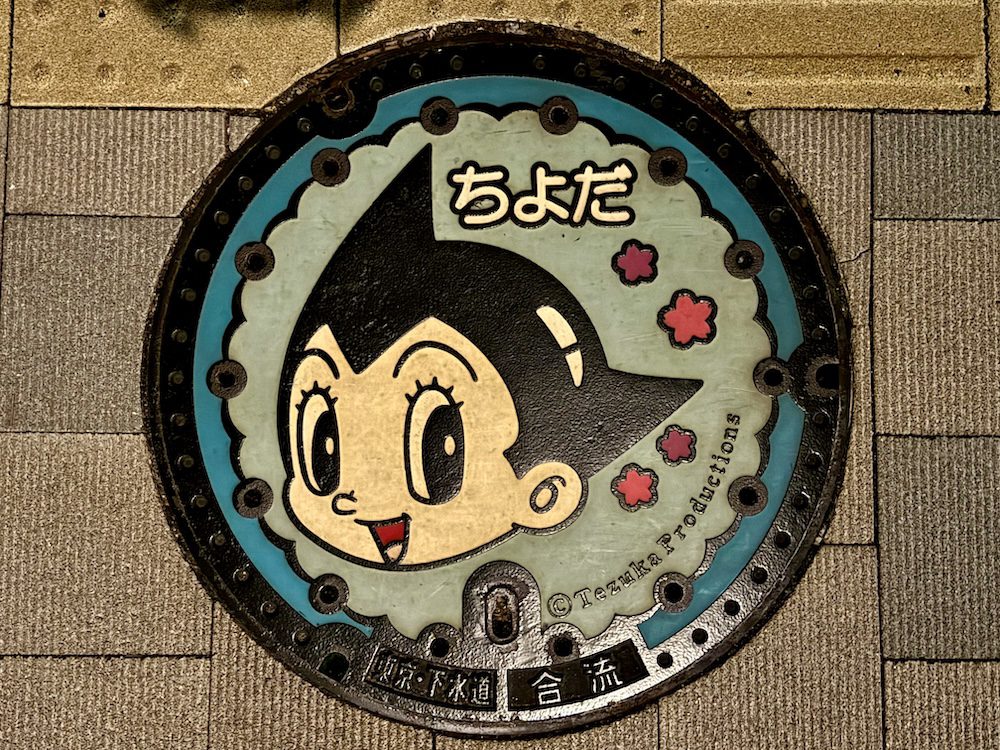
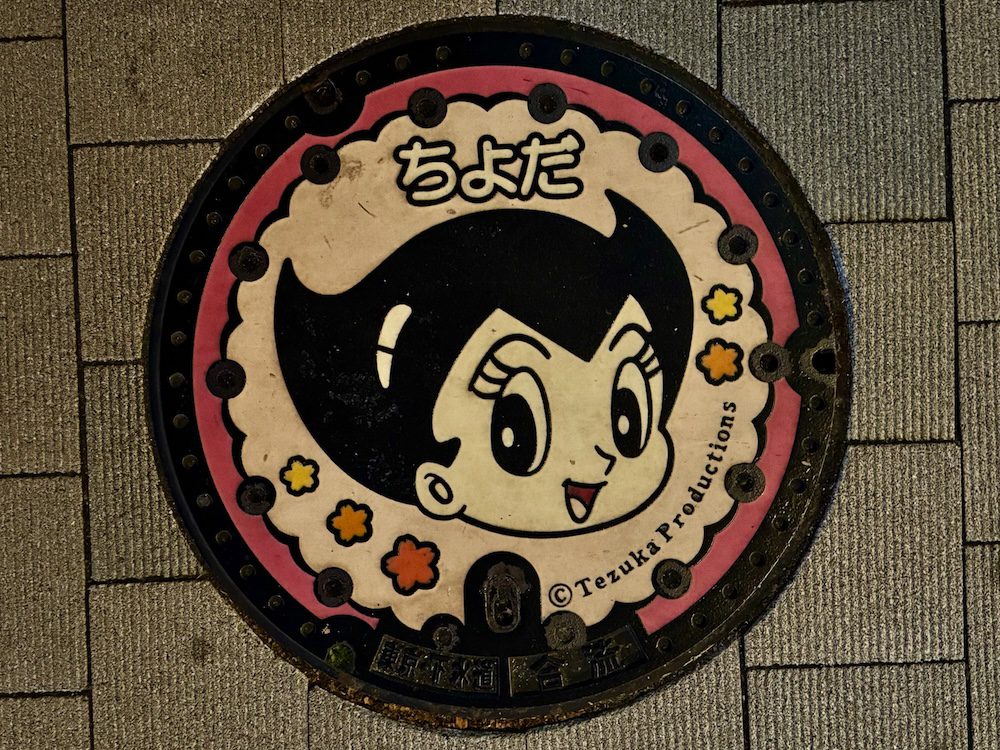
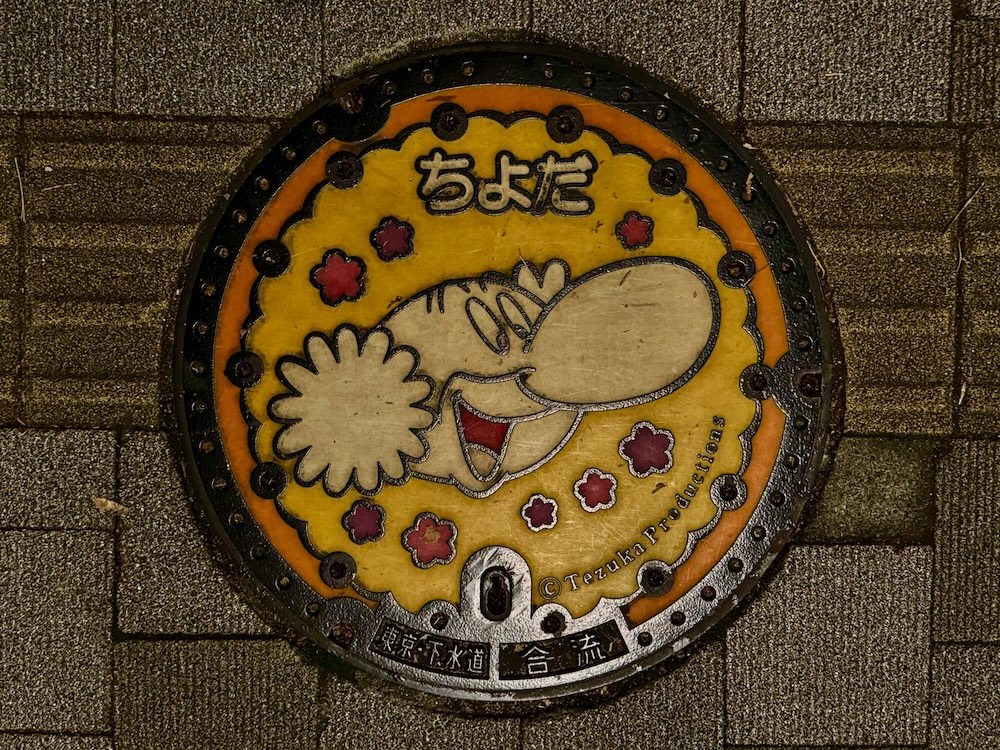
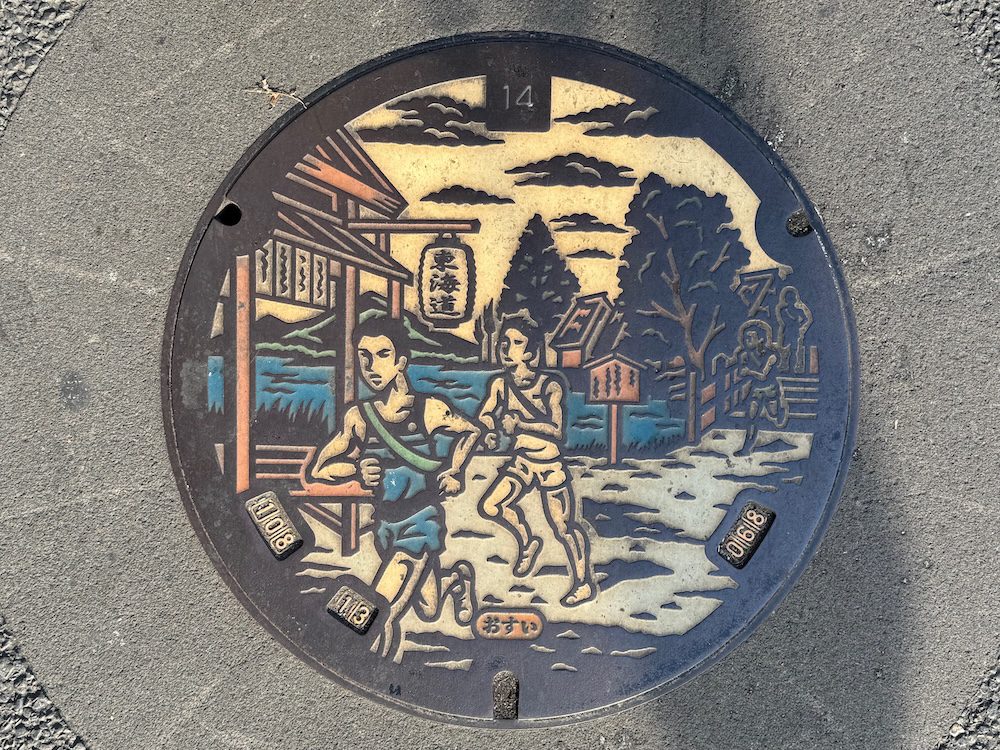
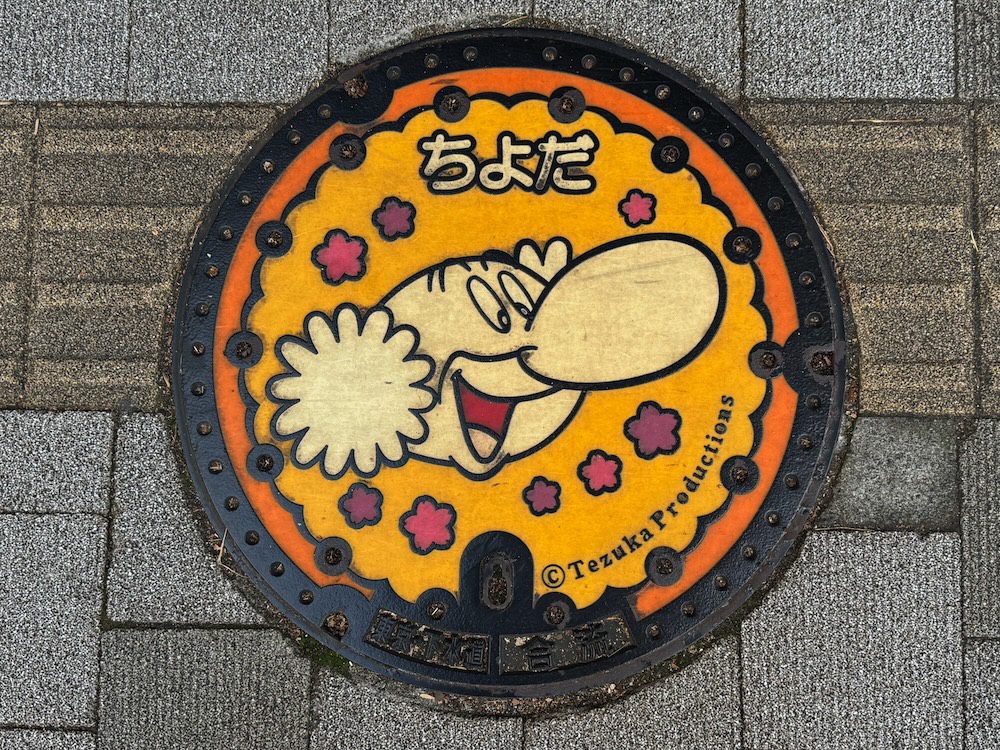
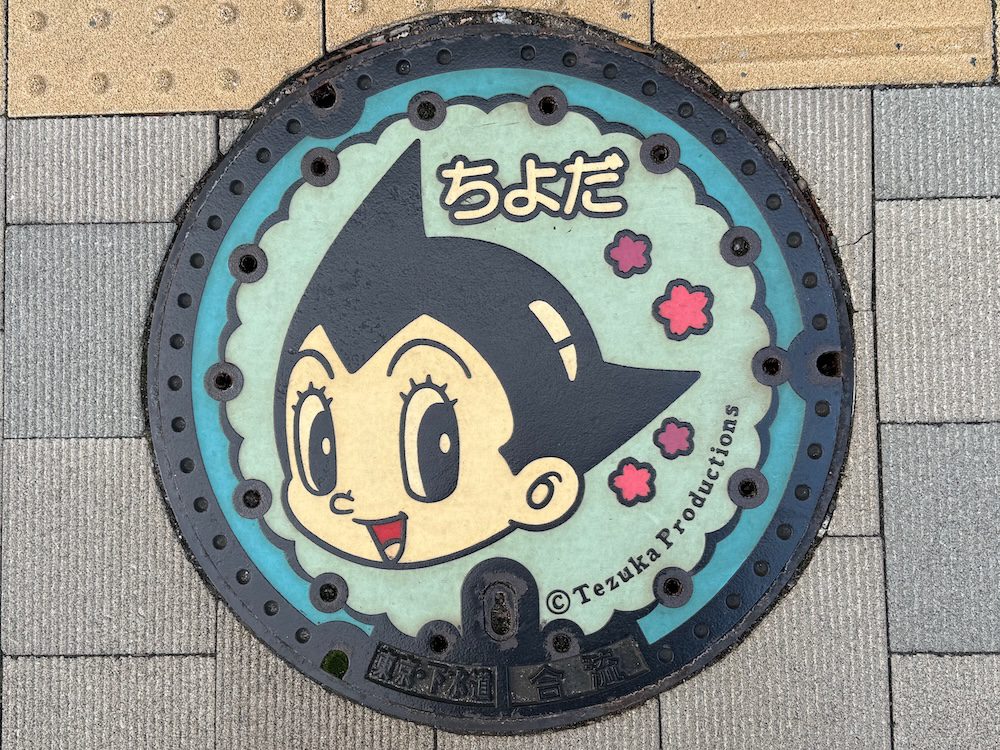
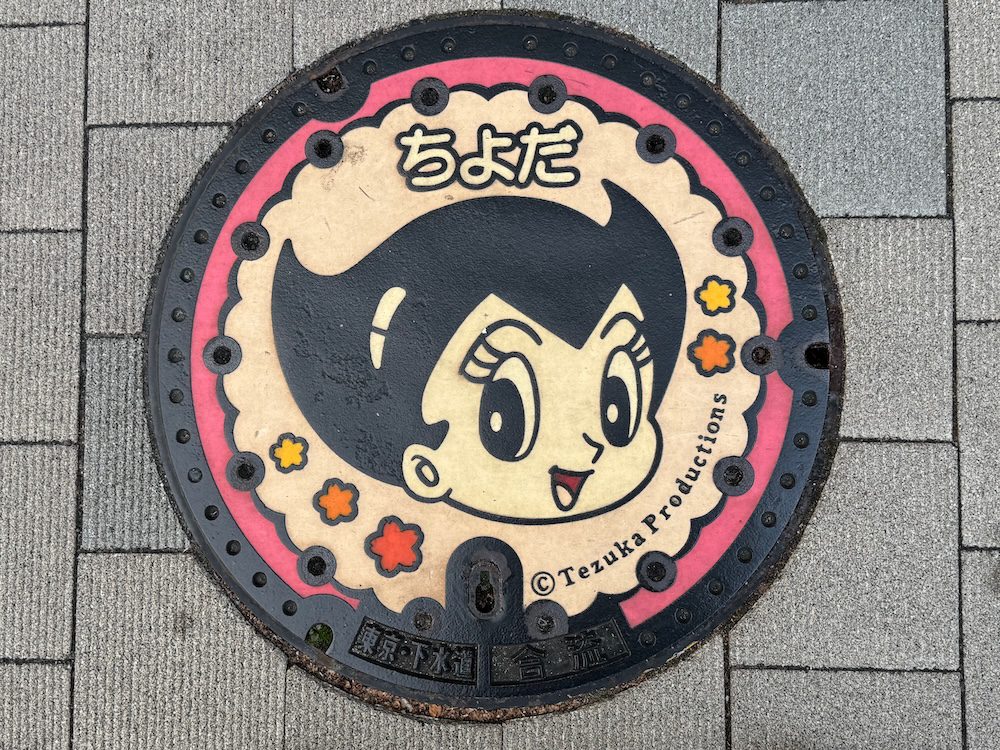
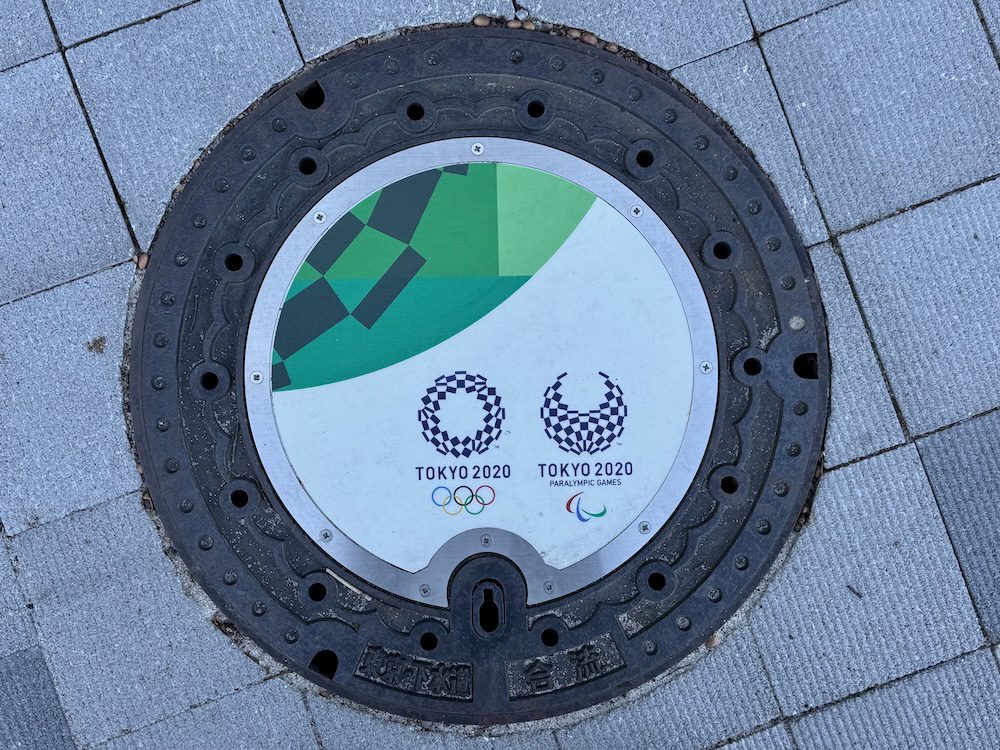
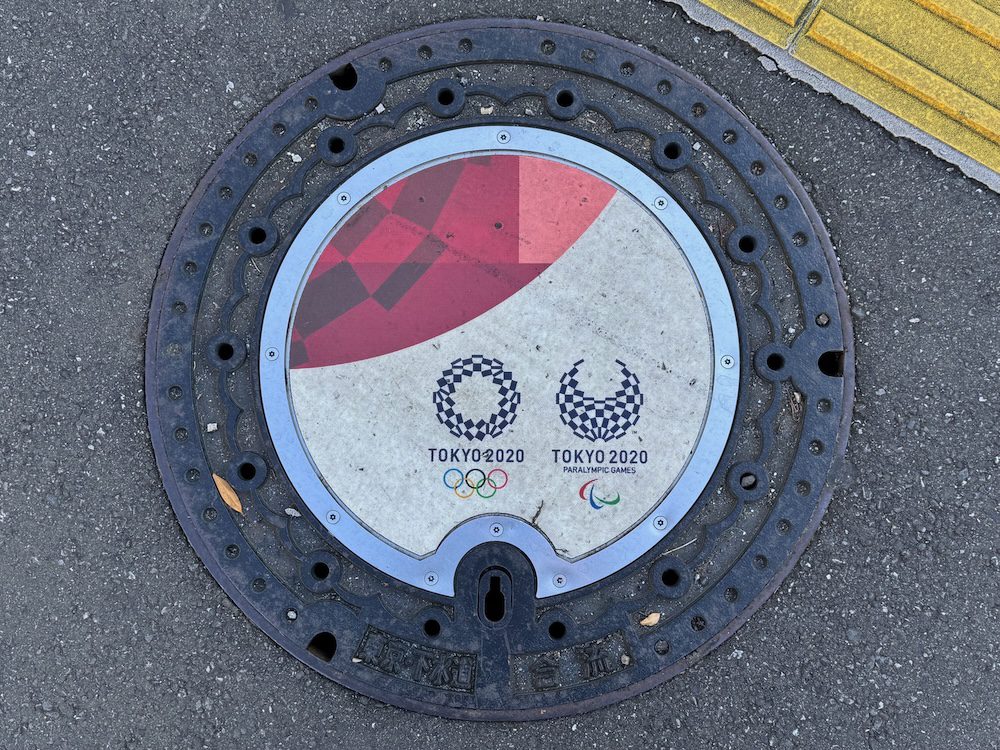
Anyway, after a wander and a sandwich, it was back to Kyoto for a quieter end of the day. A quirky little thing in a land of quirkiness are the manhole covers. I first really discovered them last trip and with my addictive nature, they are always on the radar. Search continues …
Hikone - The town and outer grounds
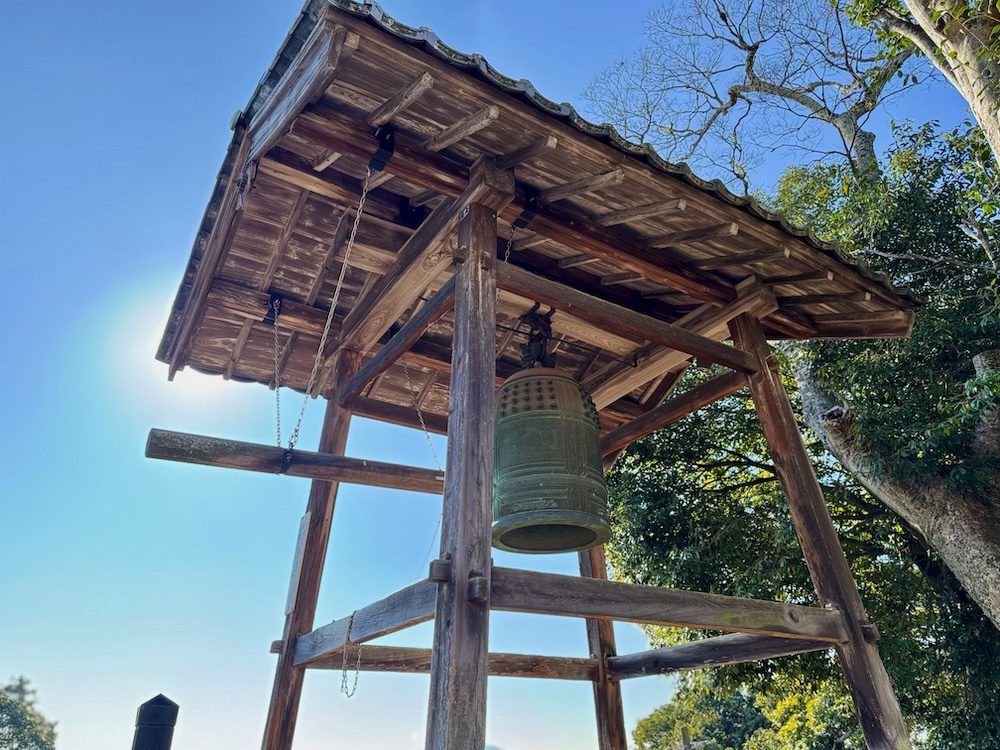
Hikone Castle
Manhole Covers
Day 5 - Nagoya
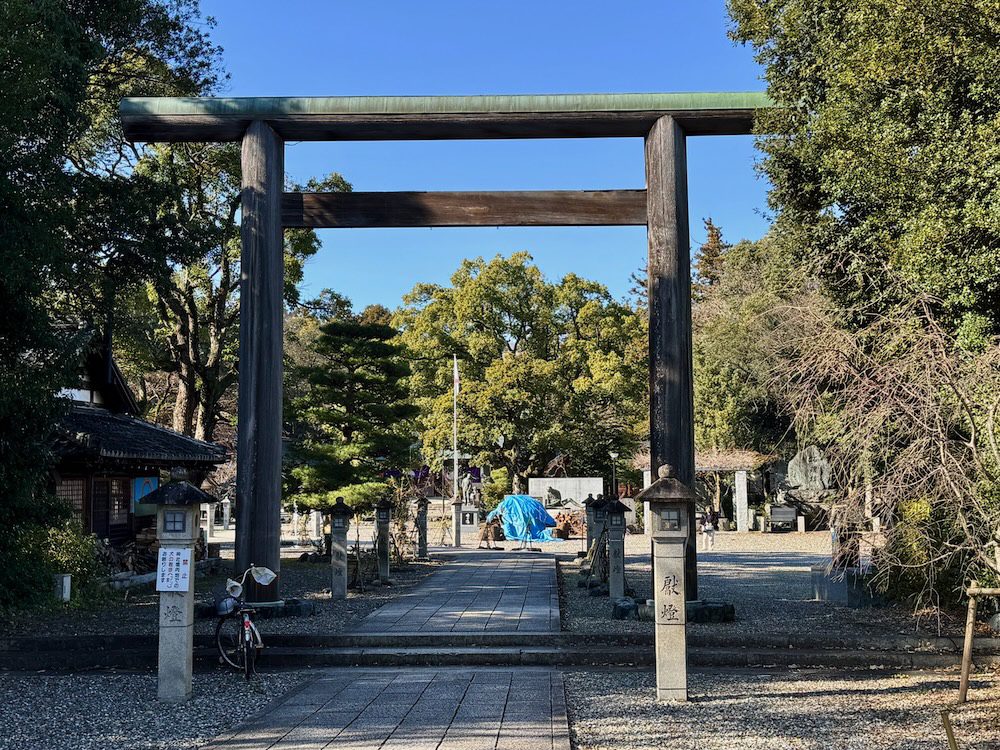
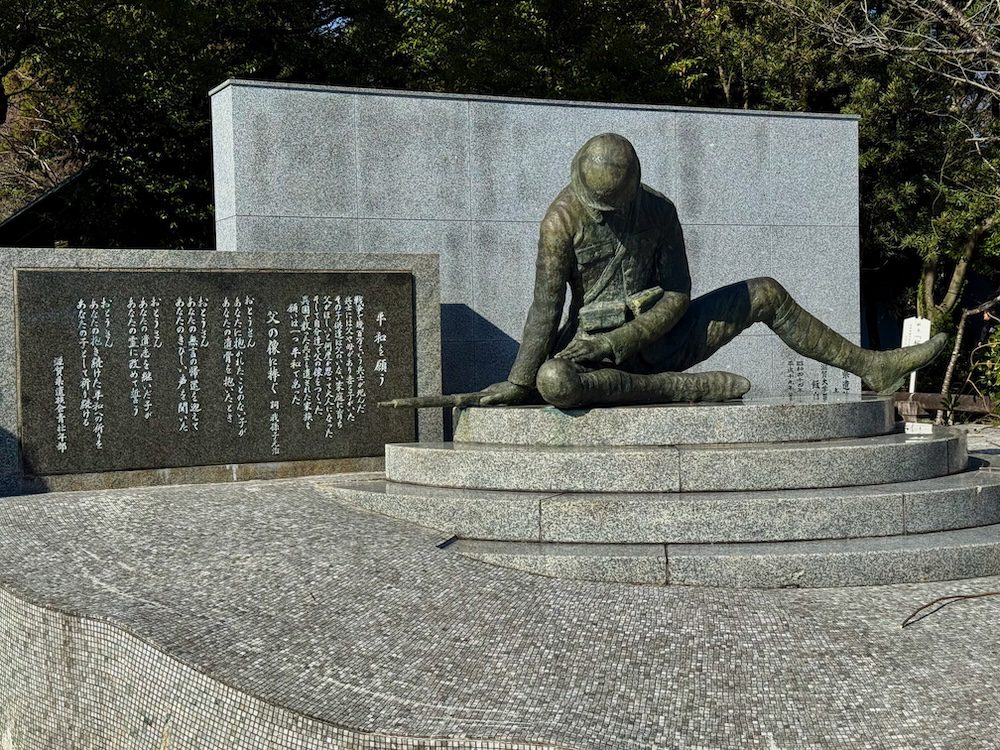
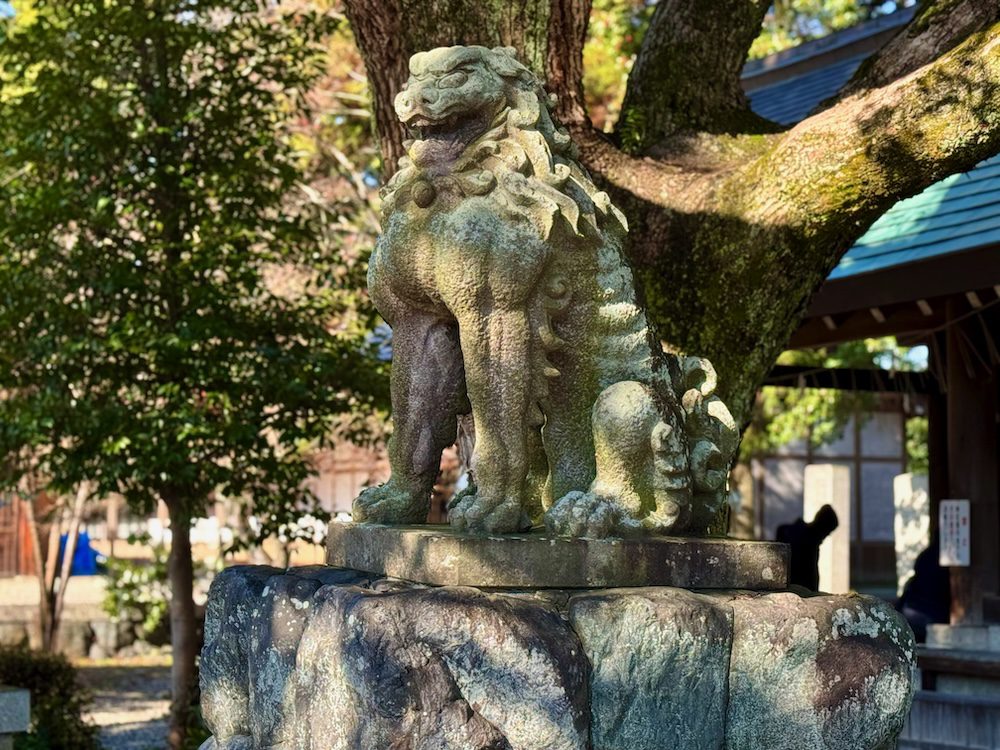
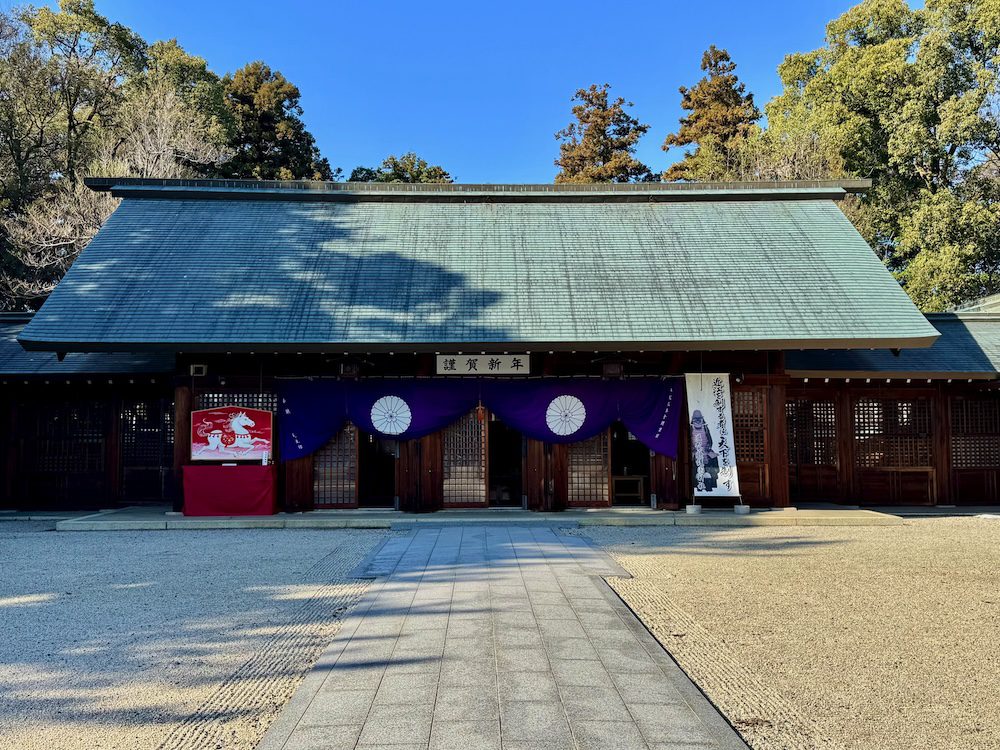
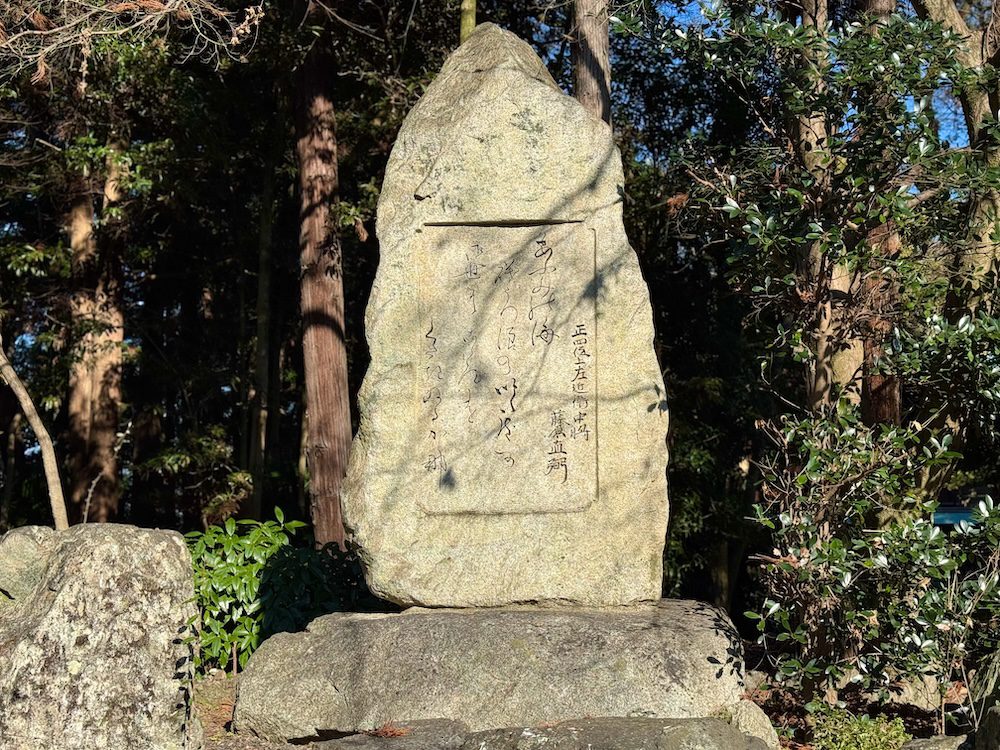
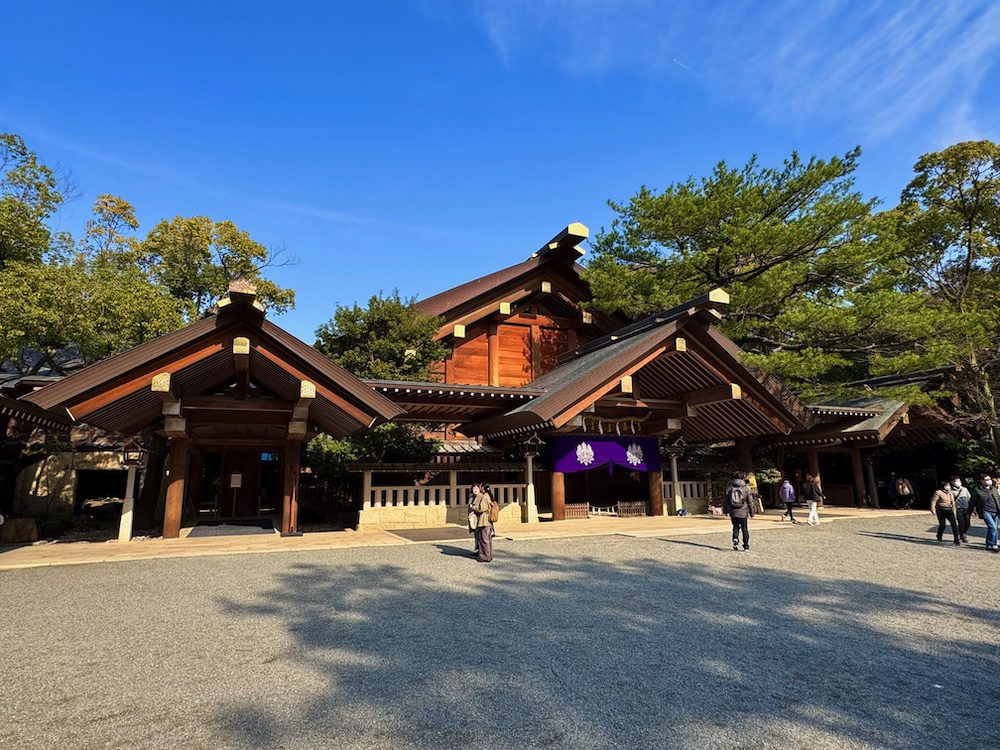
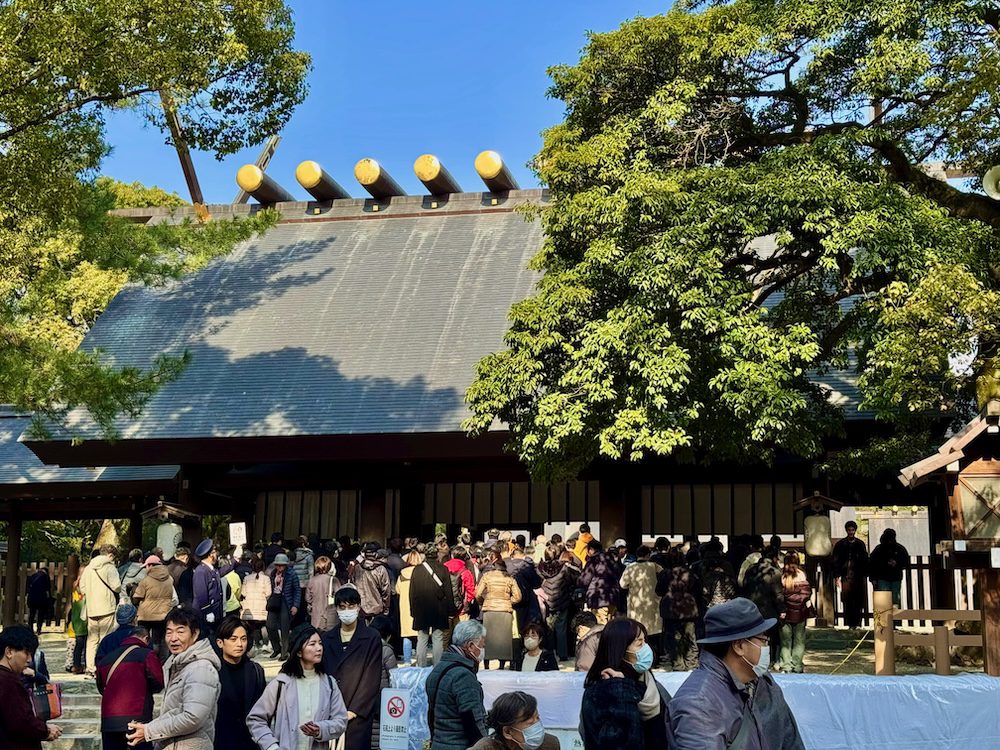
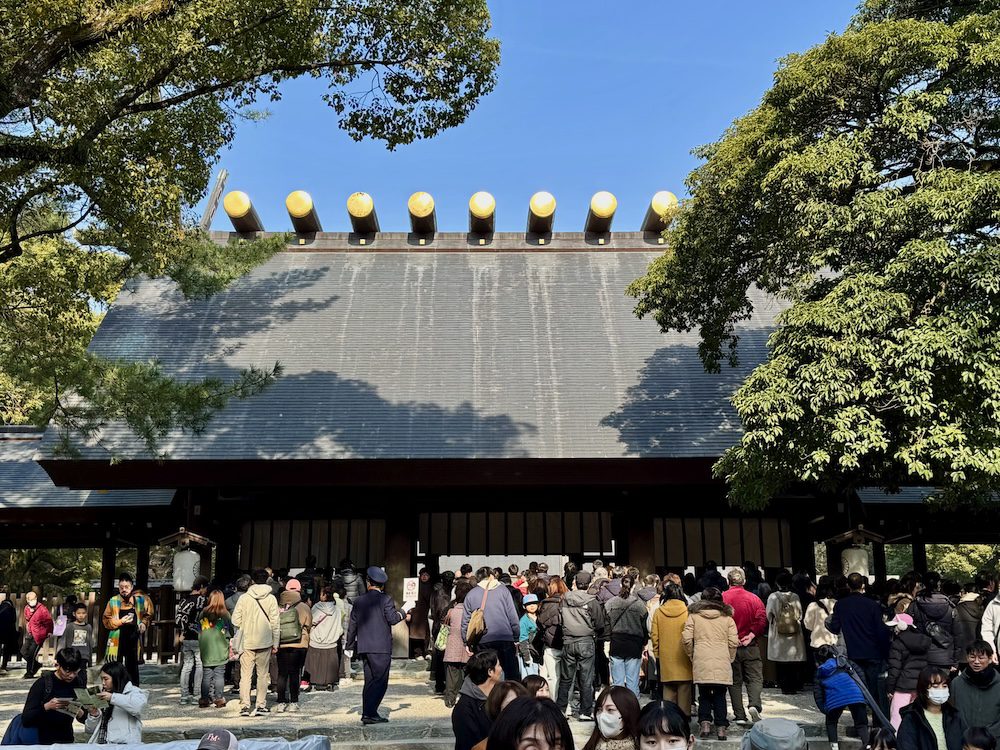
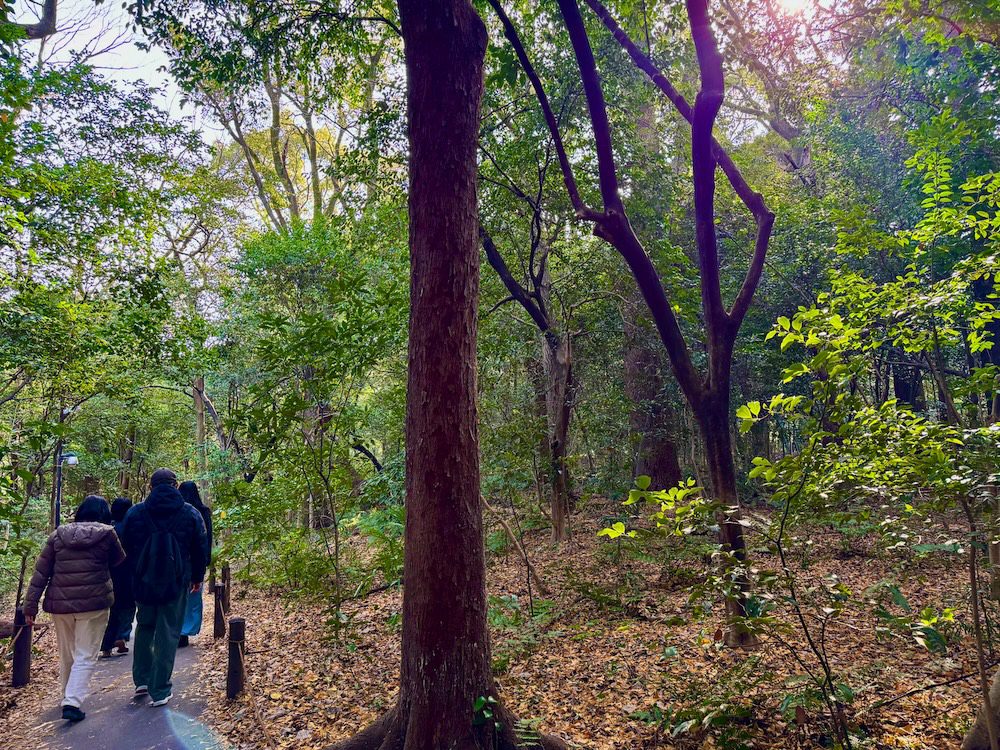
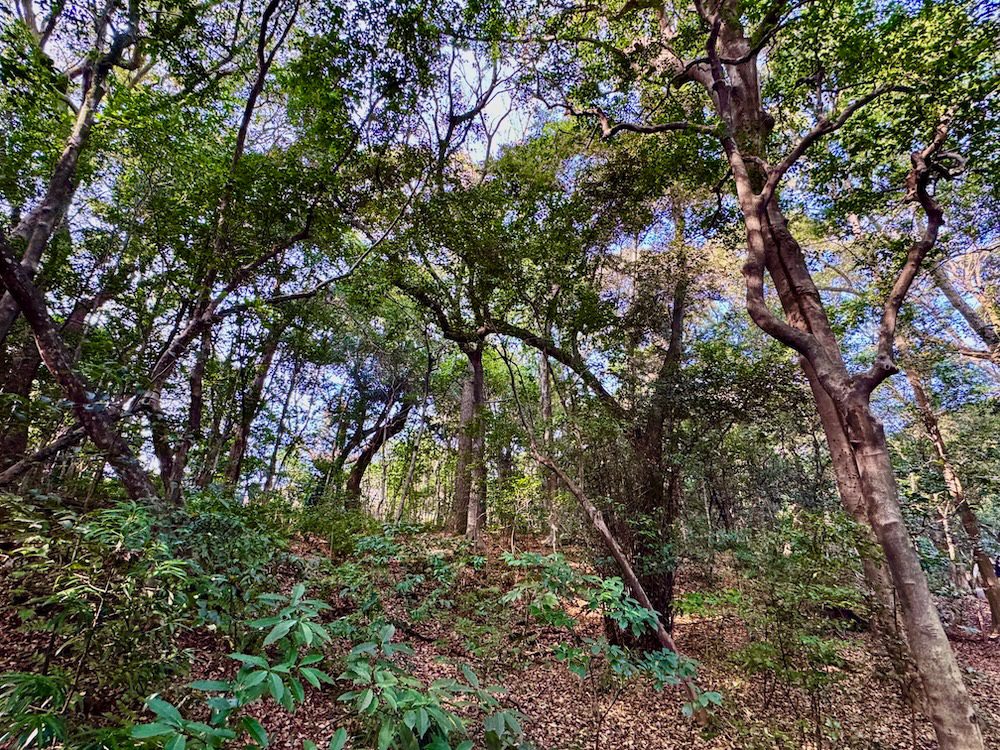
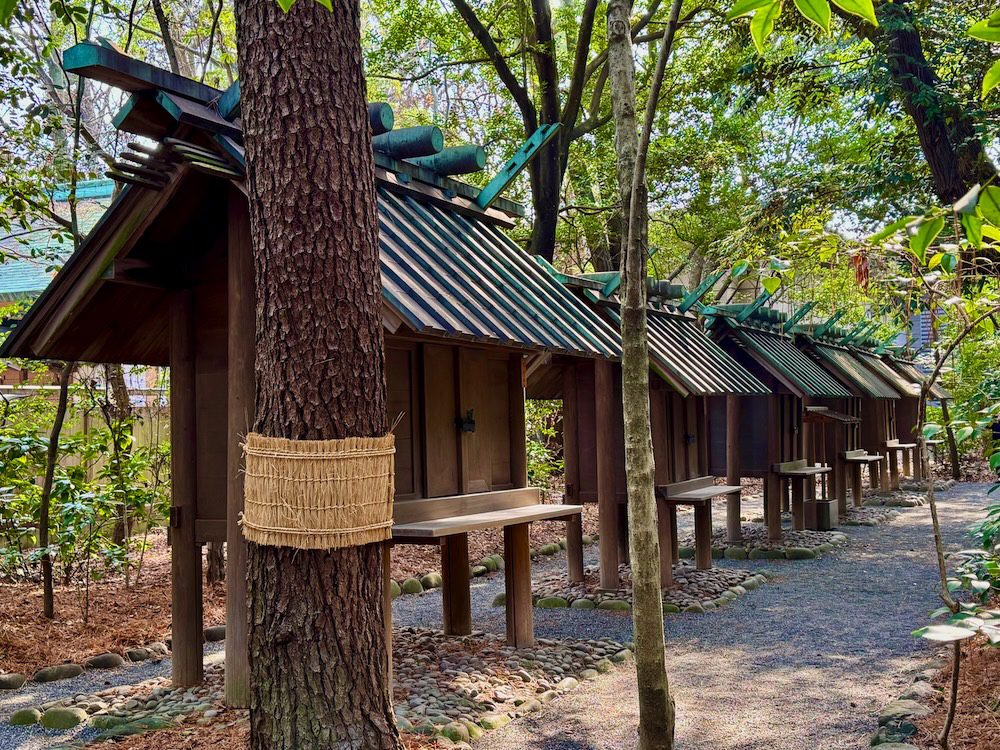
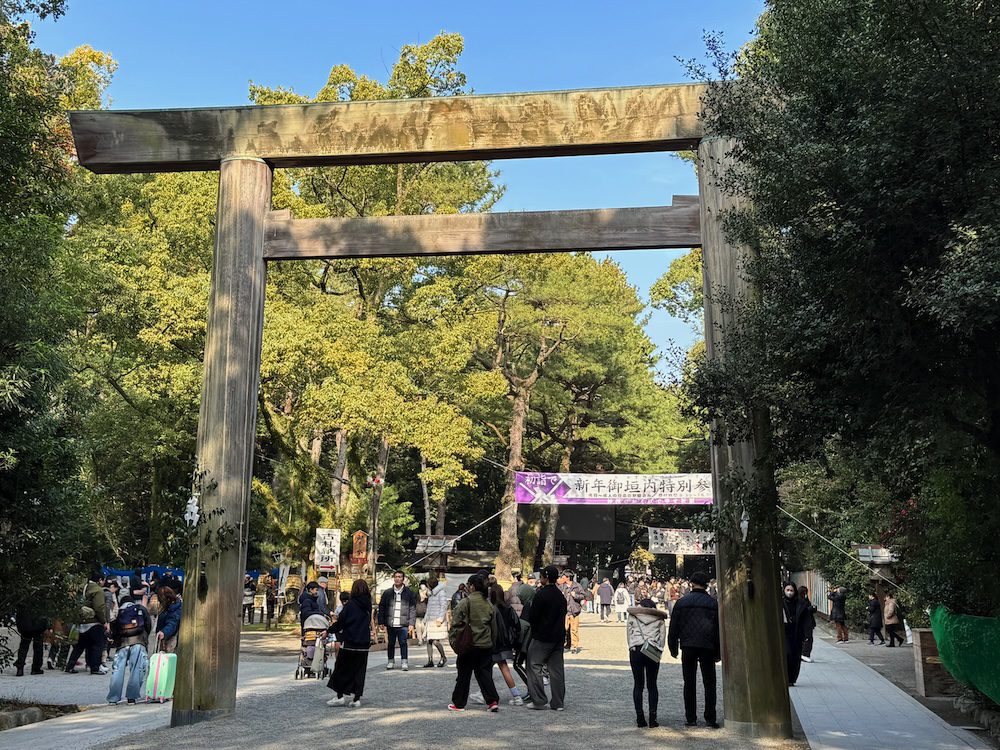
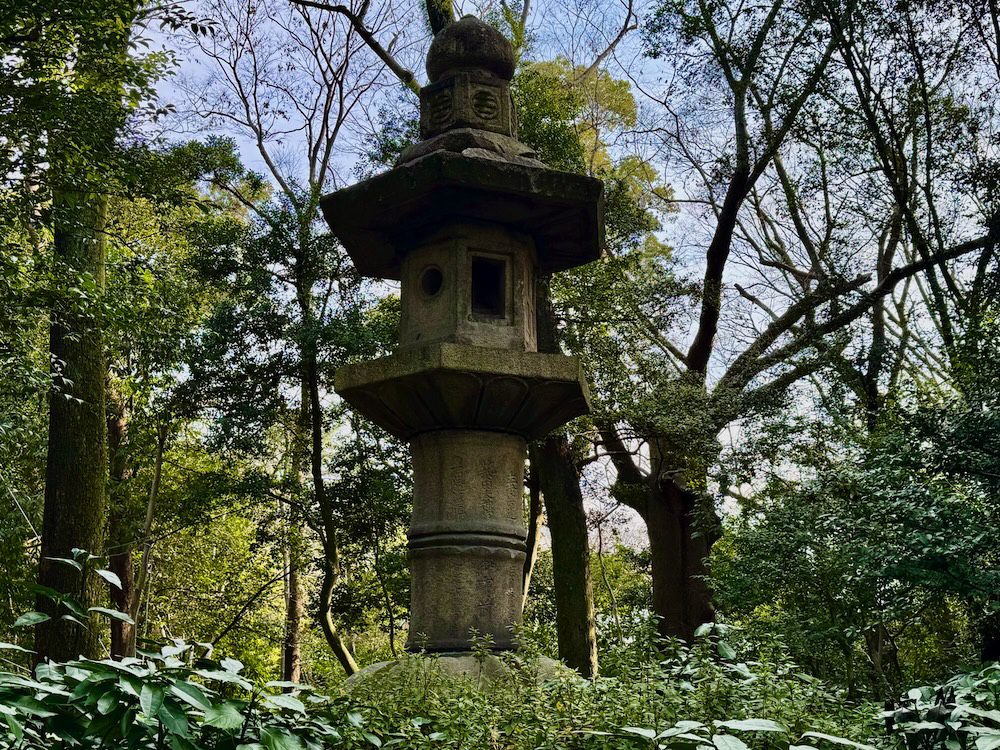
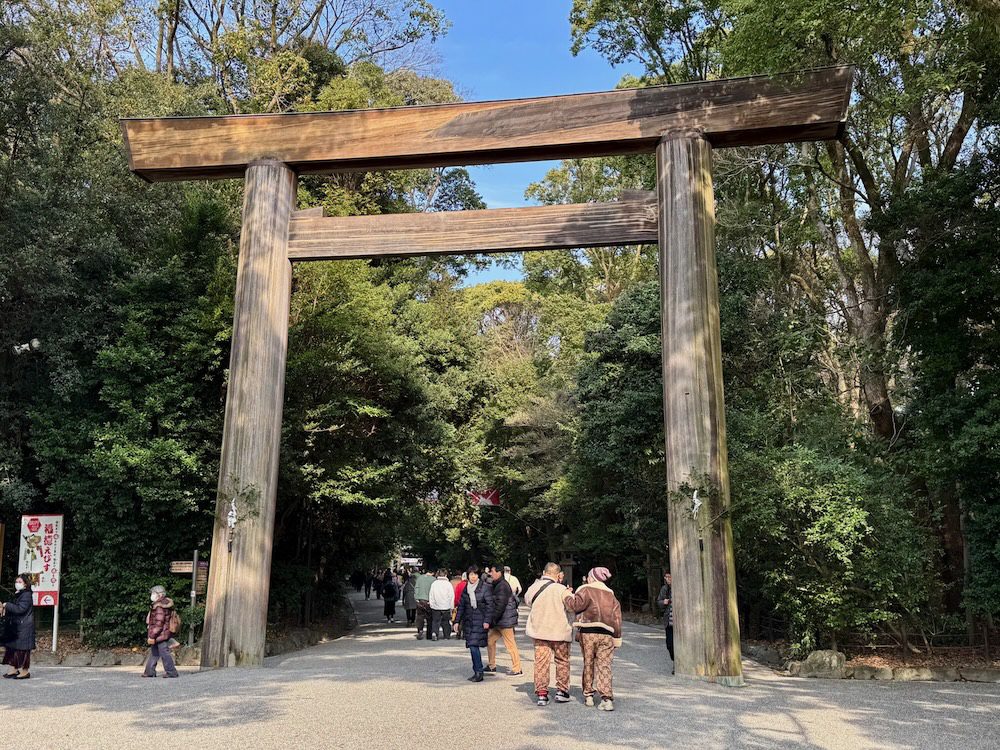
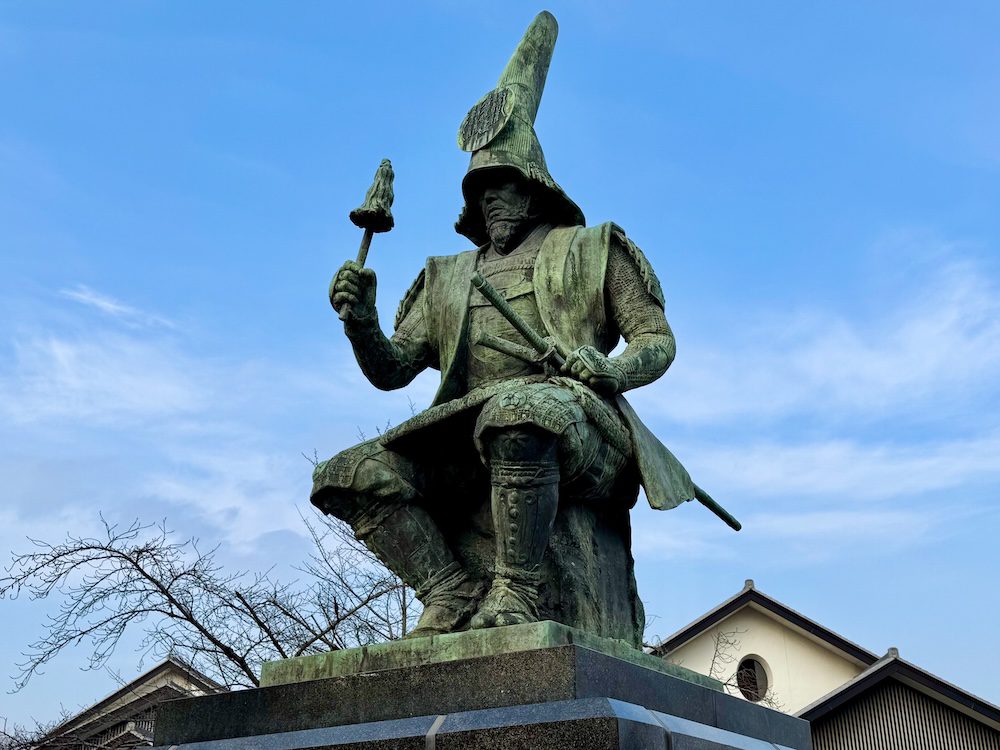
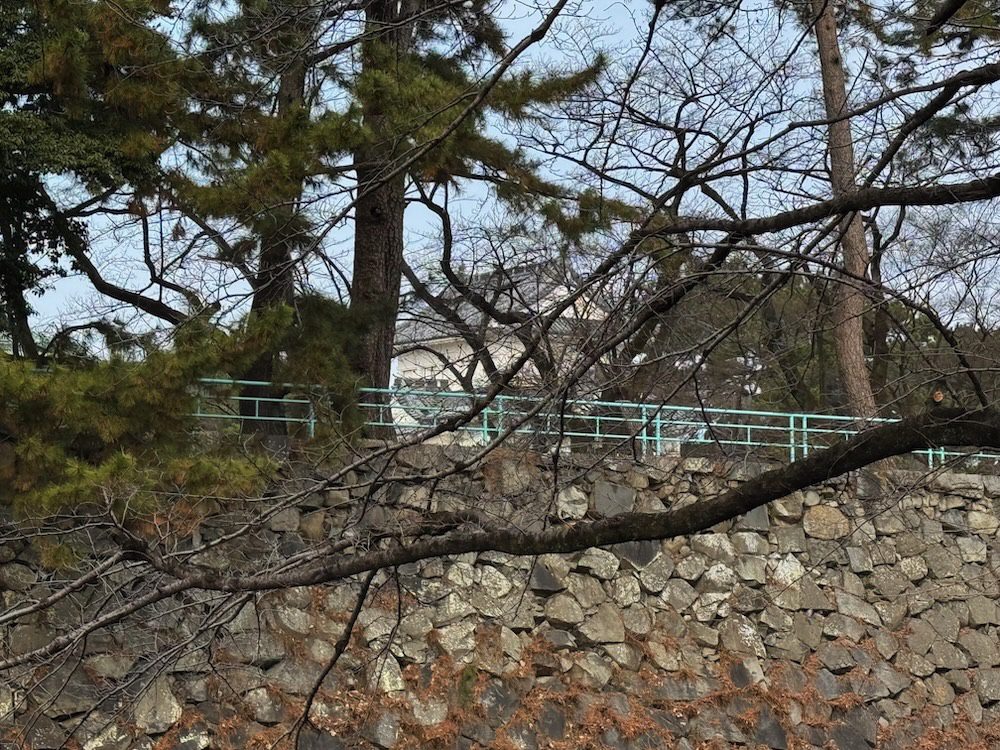
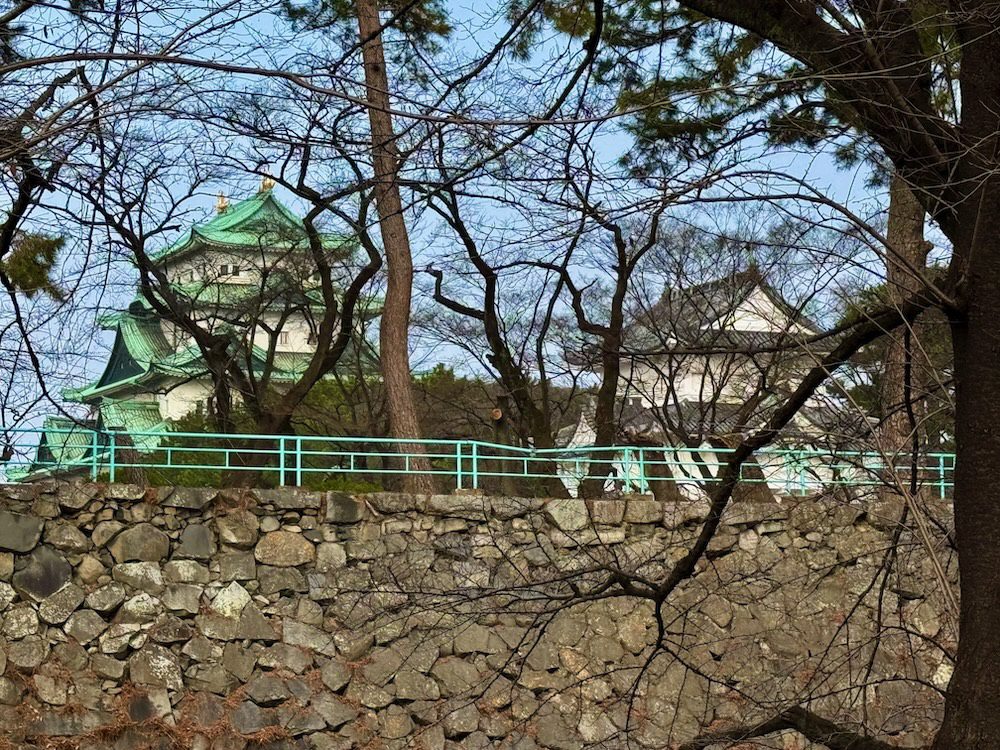
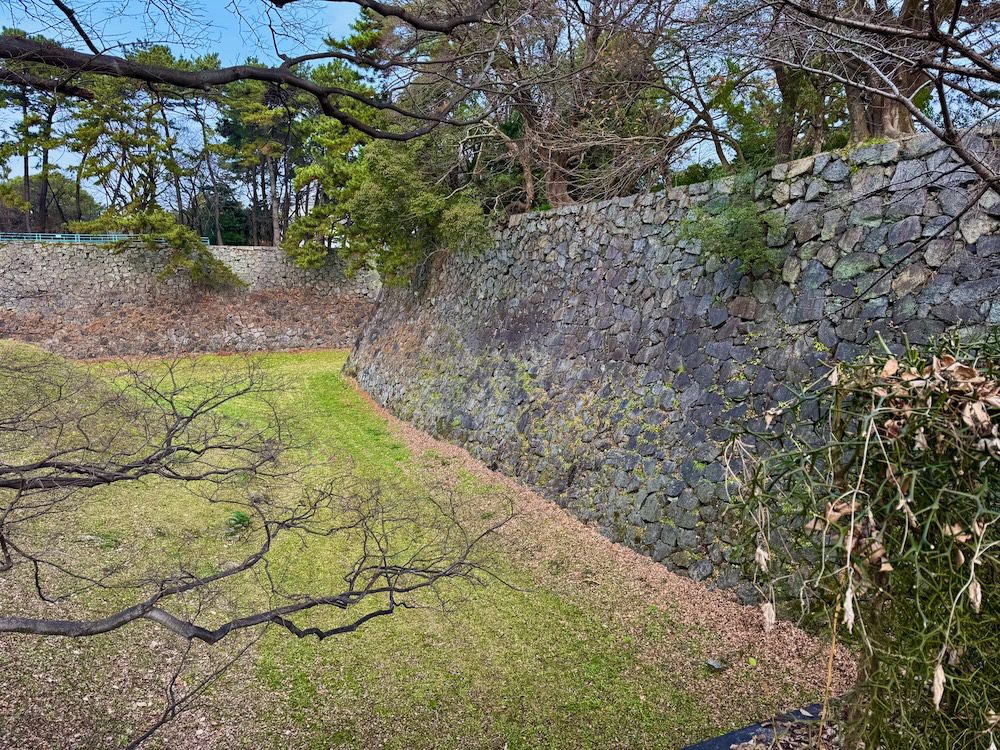
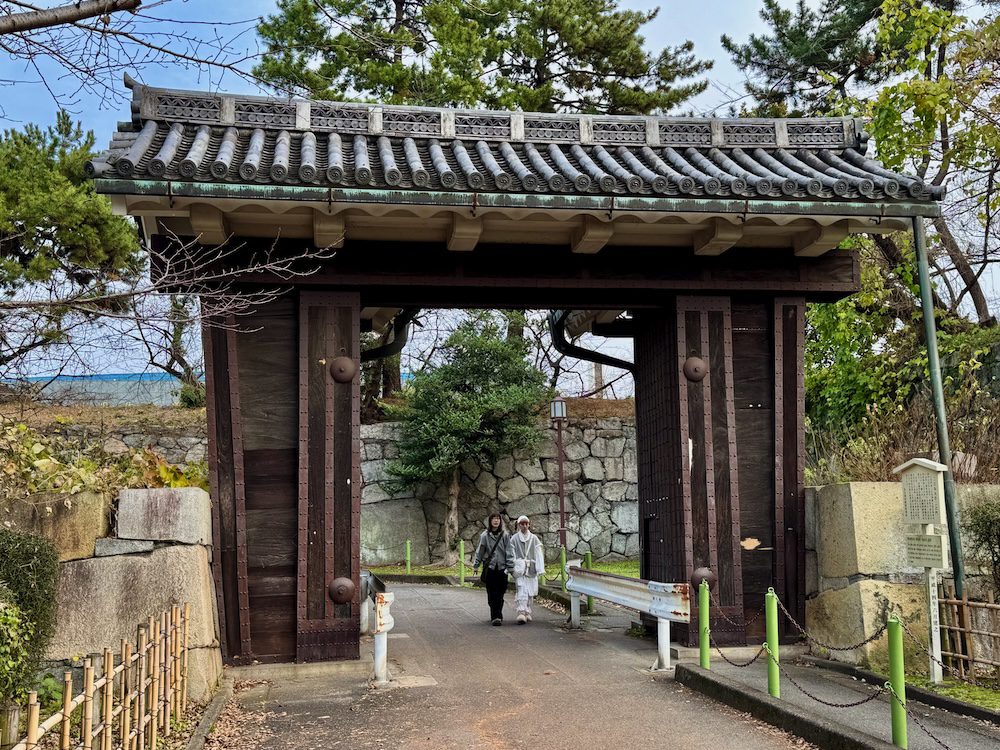
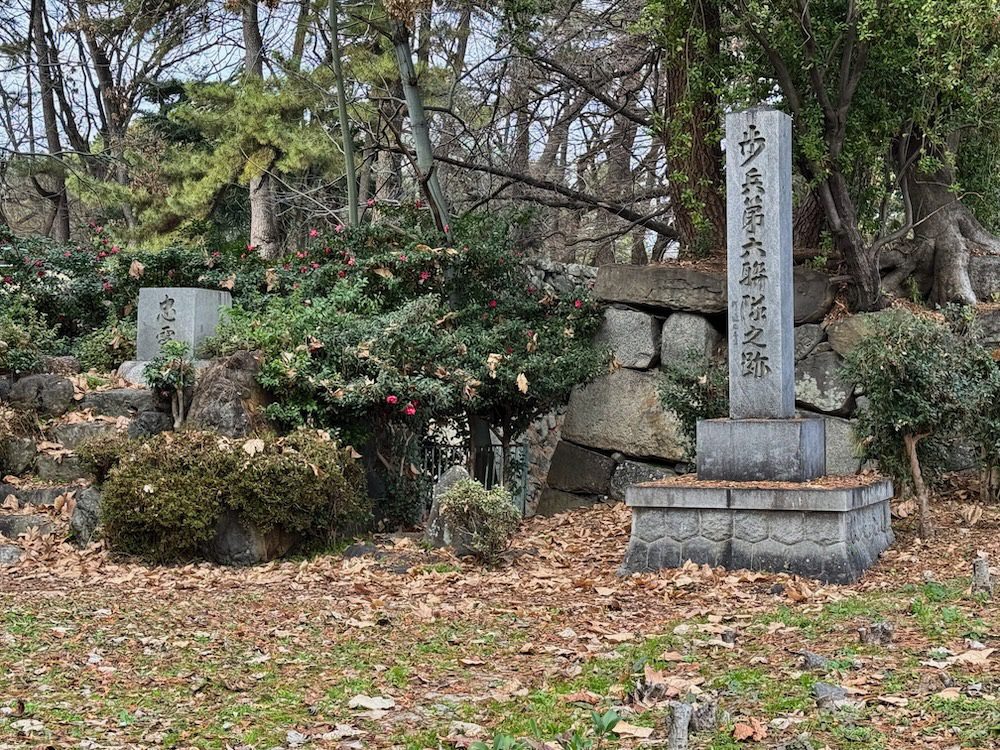
Today it was off to further gain value from my JR Pass. The bullet train to Nagoya in search of what it had to offer. First stop was to the Atsuta-jingu Shrine, which is the oldest state temple in Japan. Dating back to 593CE, it is a sanctuary from the mayhem of urban life … well maybe in a few weeks’ time but leading up to New Year, not so much. Even though there were a lot of people there, the grounds have a serenity that is normally hard to find. A quick walk through was all I had time for today, but it certainly would be magic in Autumn. The biggest disappointment was after trekking to Nagoya Castle, I found out it was closed. Google let me down this time so the age of technology is fallible, telling me that closing time was 4.30pm.
Atsuta-jingu Shrine
Nagoya Castle
Manhole Covers & Street art
Day 6 - NYE in Kyoto
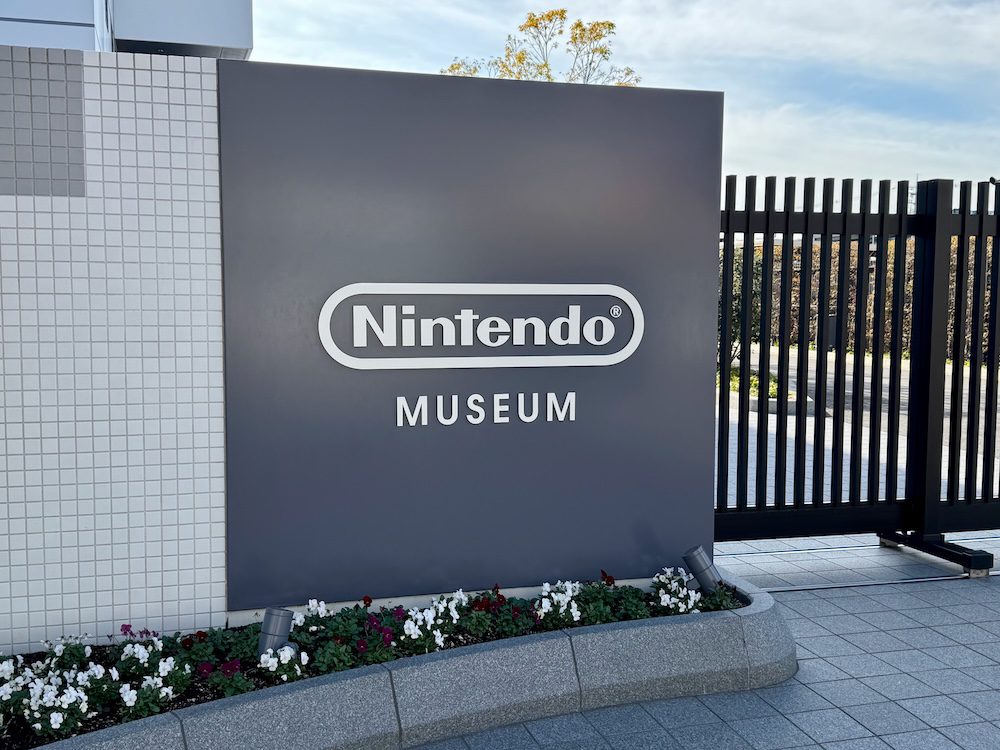
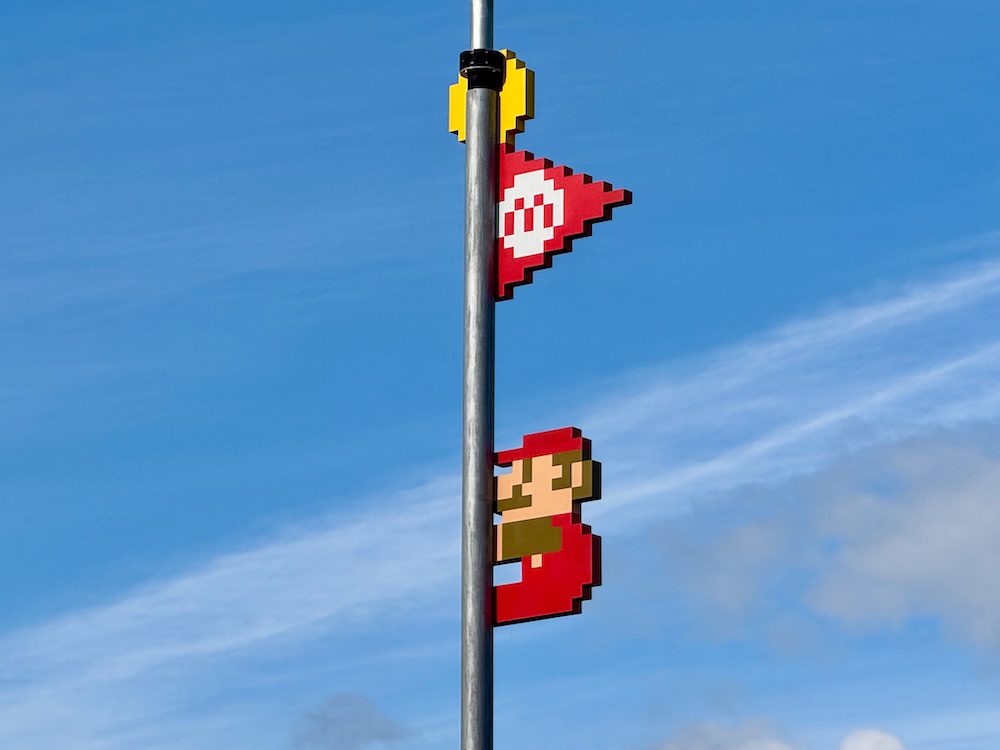
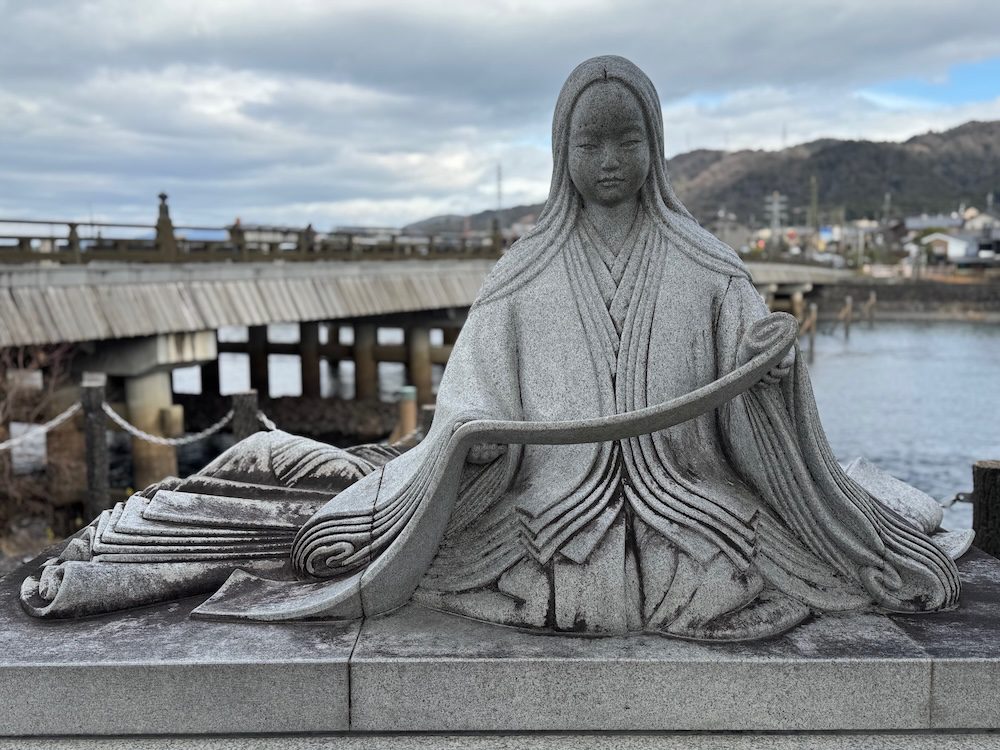
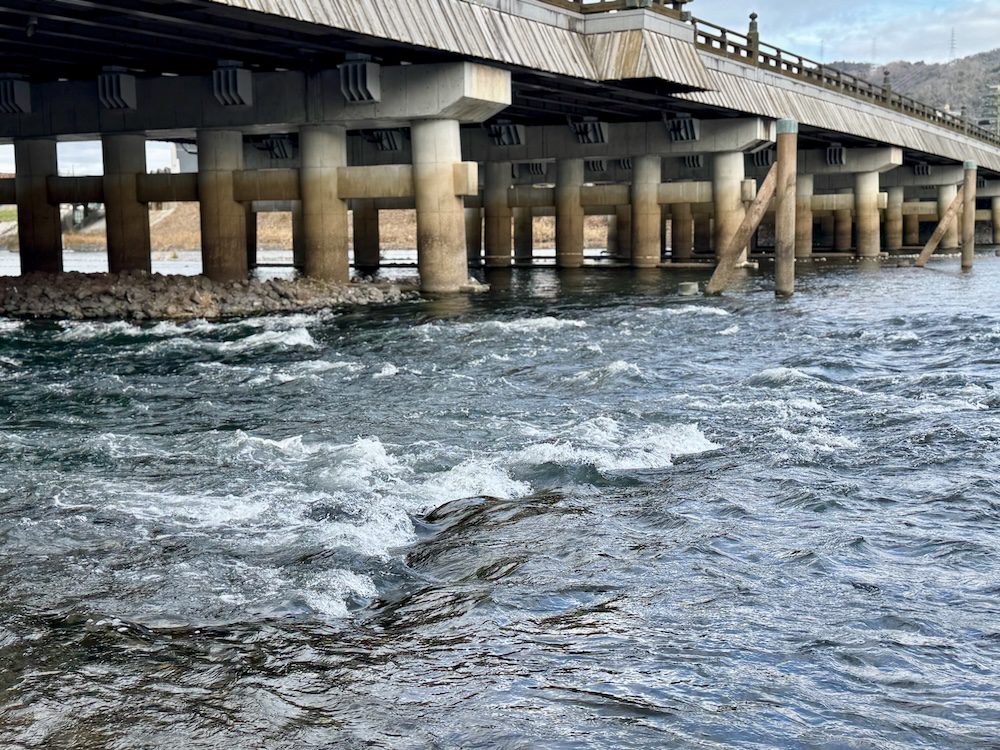
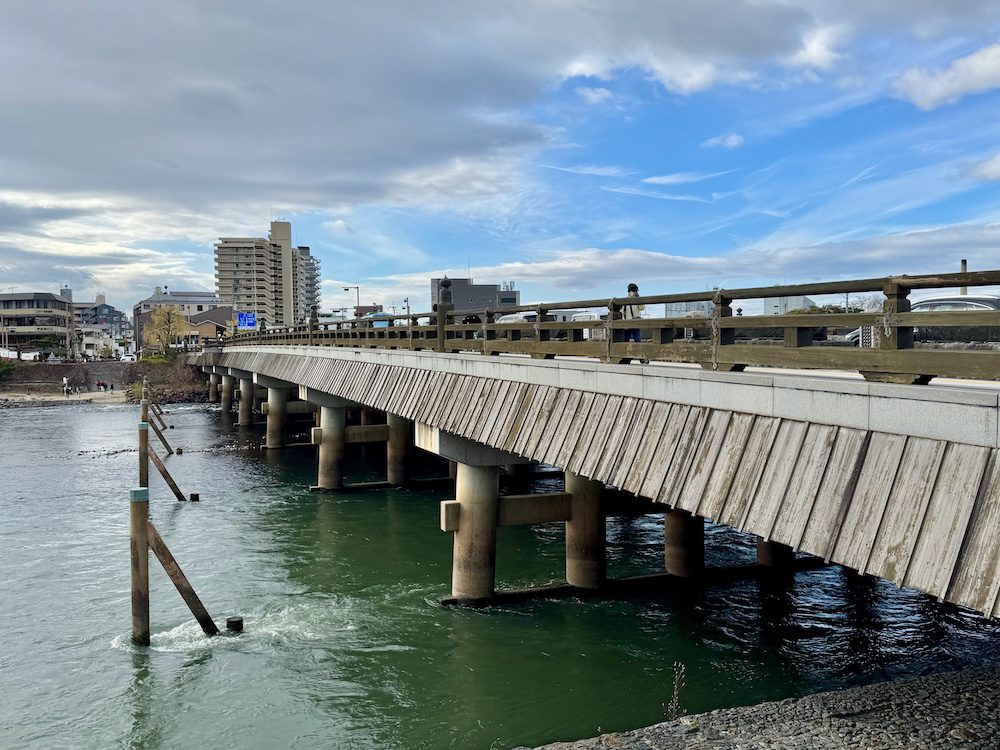
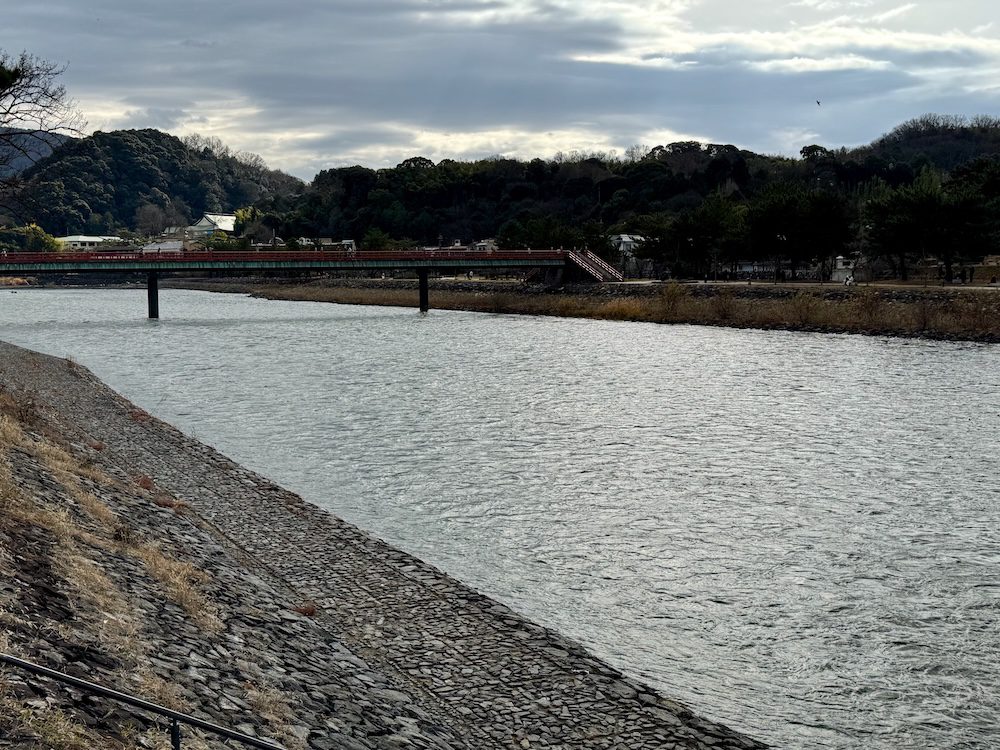
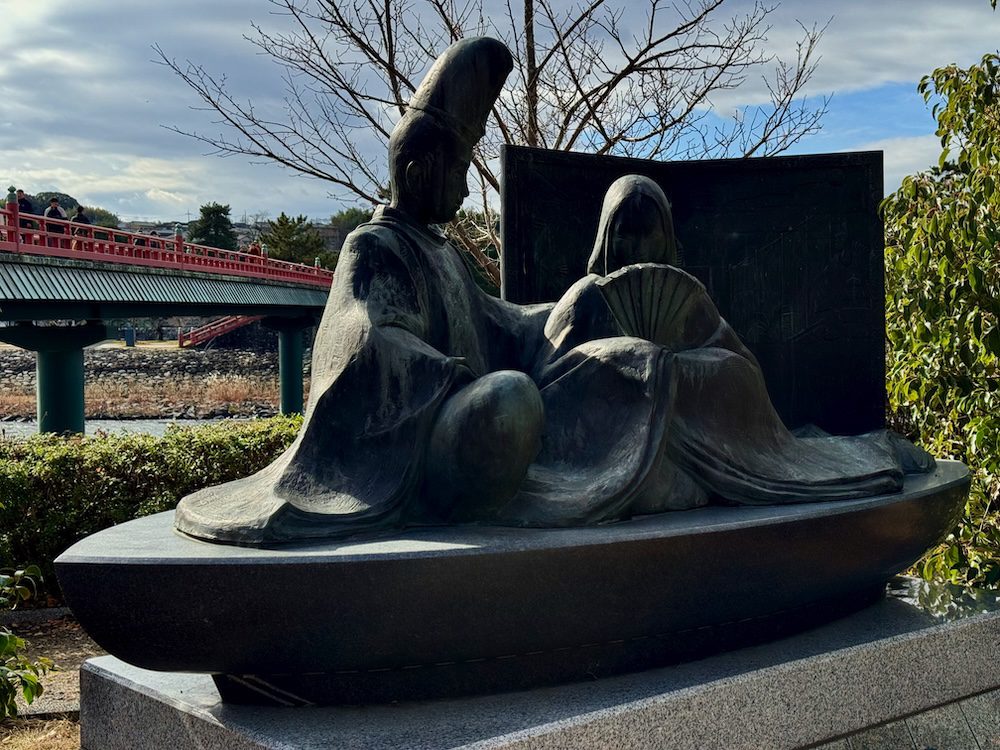
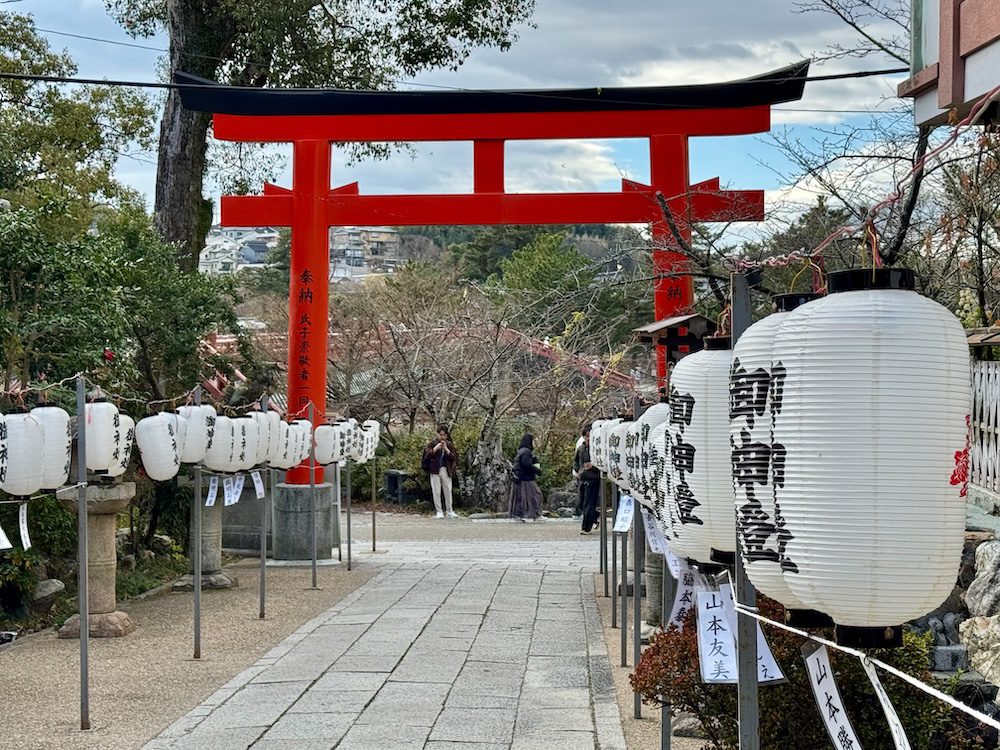
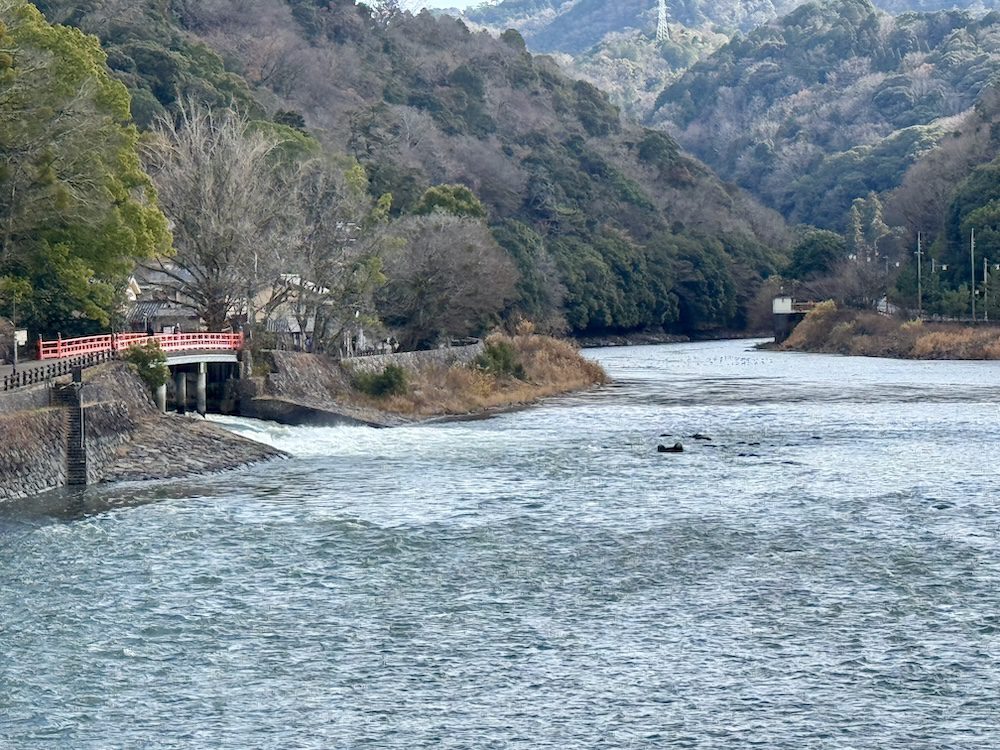
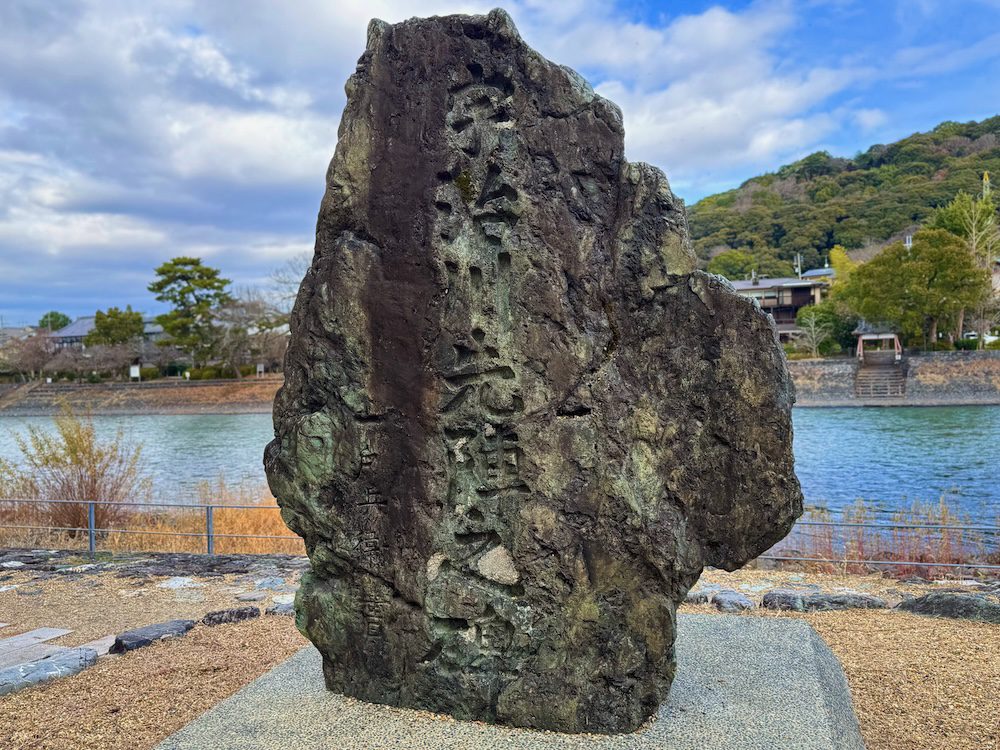
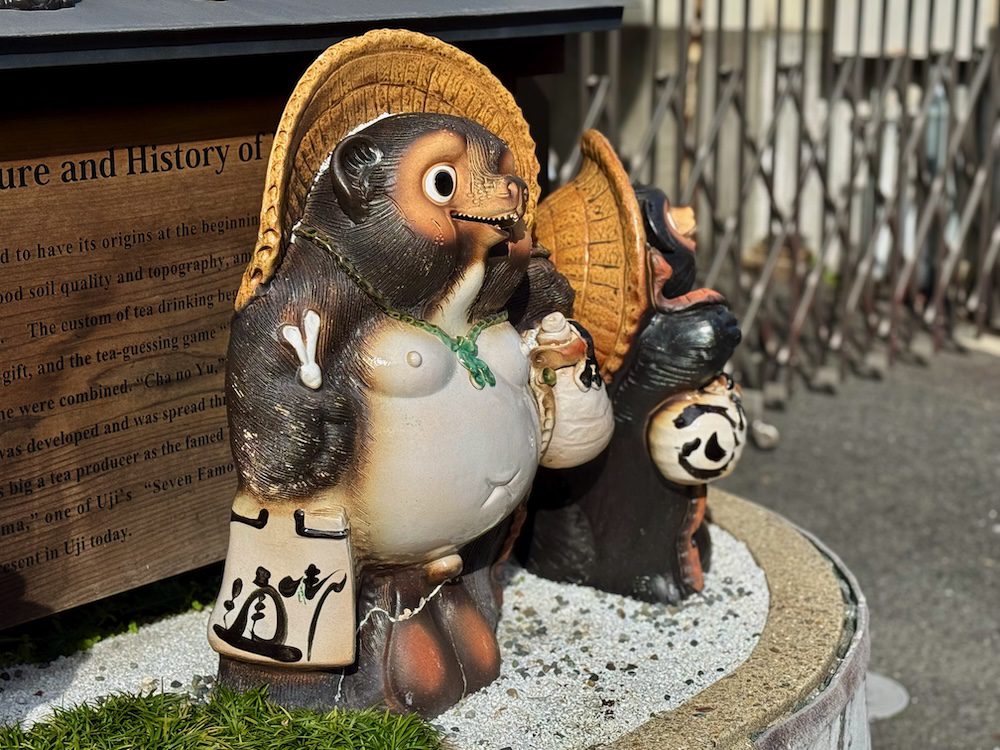
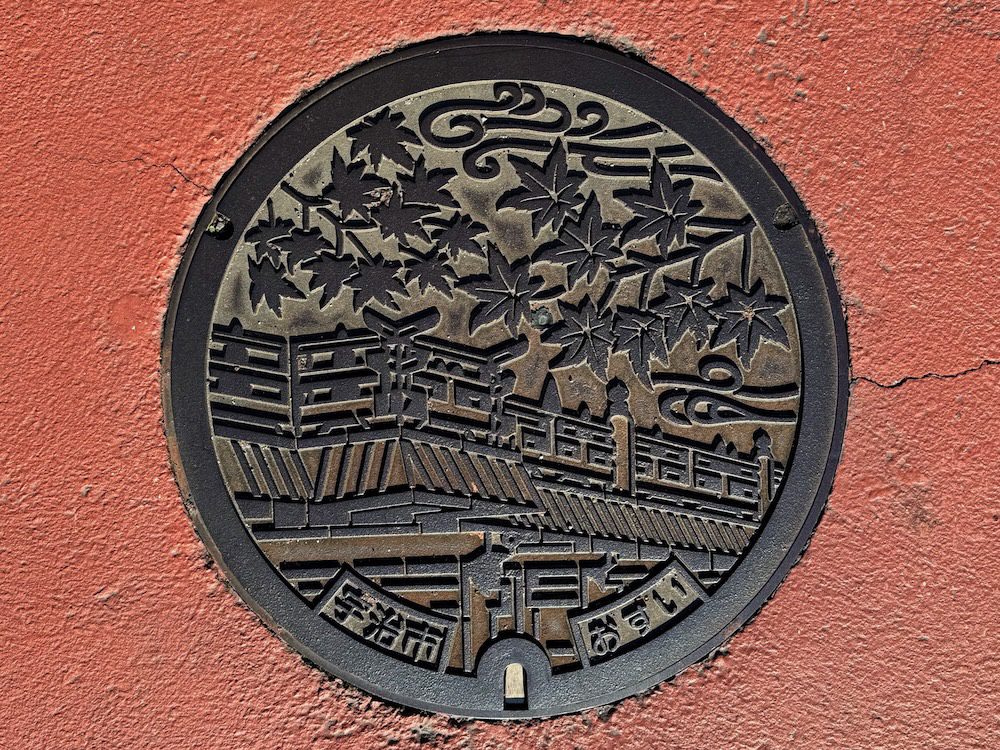
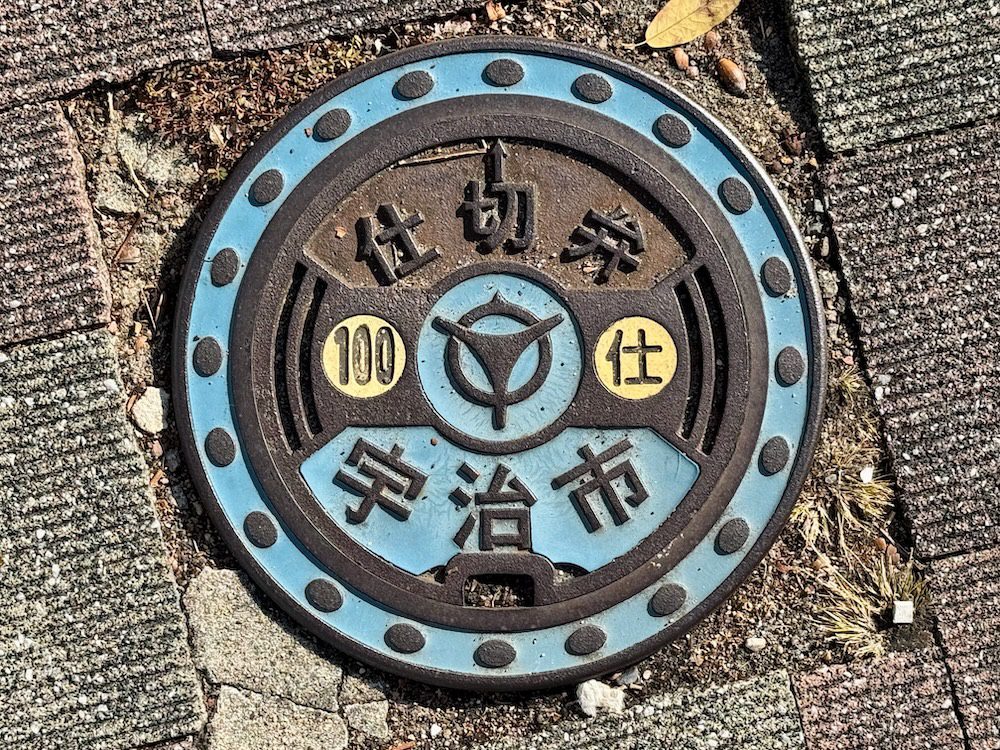
Getting close to the end with only a few days to go. Finding different things to do in a place you’ve been to a few times can lead you into a few dead ends, and some interesting experiences. My first dead end was in Ogura, which is just outside of Kyoto. Being December 31st, most places are closed and the Nintendo Museum was one of them. While I held little hope of getting inside, you just never know. Well, when I saw the gates closed, that kind of put a bit of a dampener on Plan A. Anyway, a couple of pictures to prove I was here and off to the next stop, Uji. Apart from all the things it was famous for, one being the birthplace of the finest matcha in Japan, it was quite a pretty place. It was also nice to get the chance to walk along a river and just take in a little bit of scenery, before heading back to a cityscape.
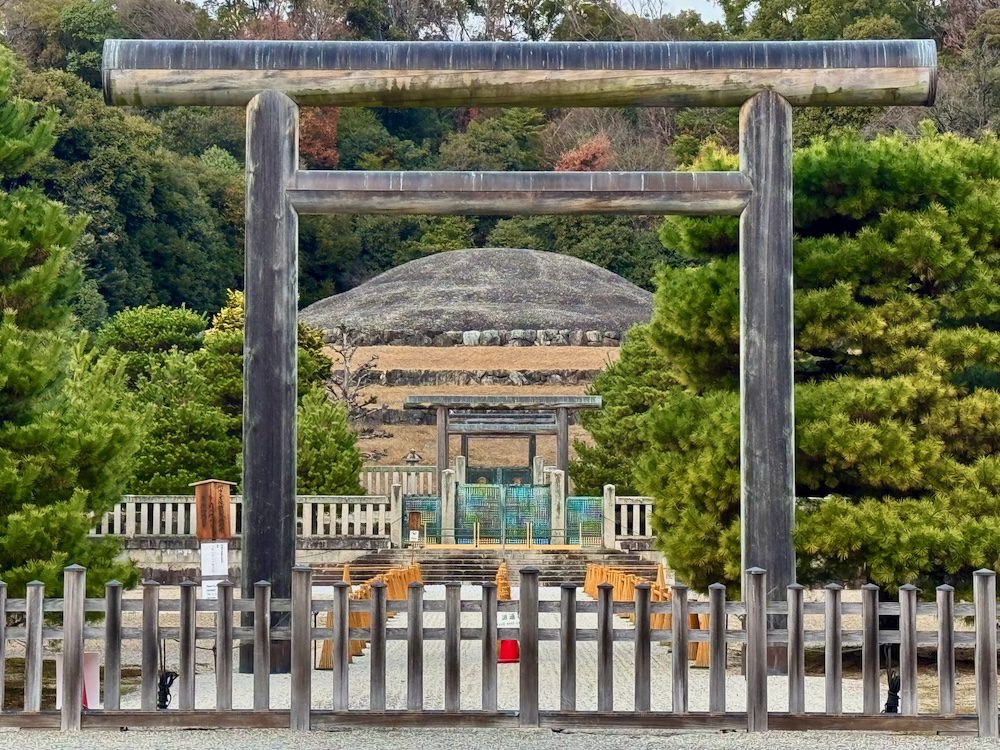
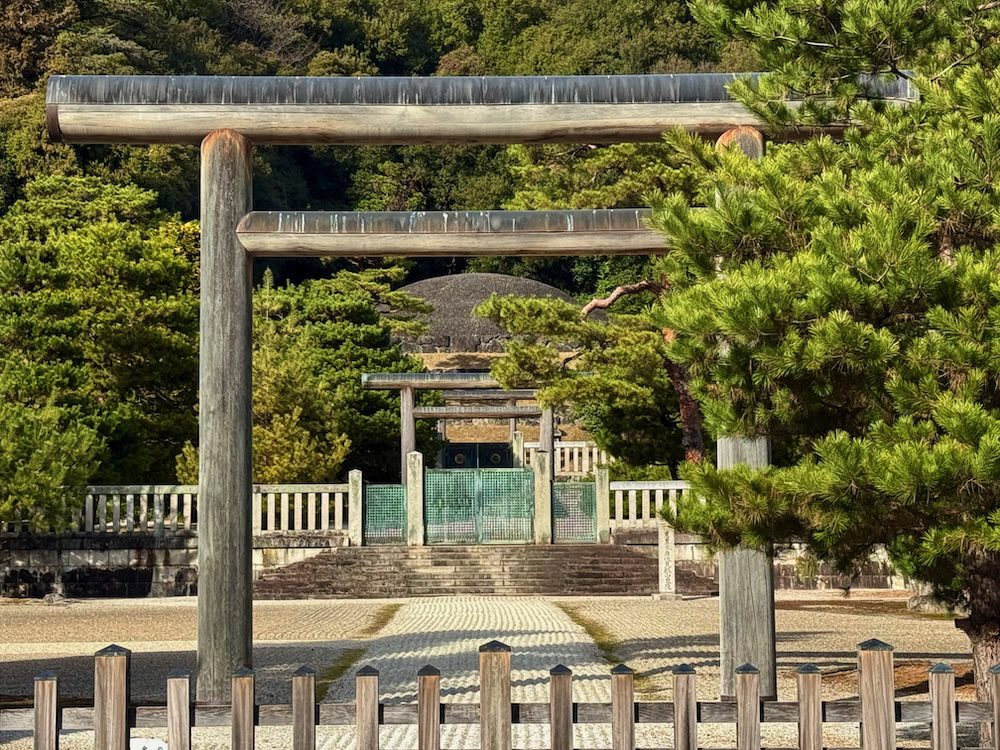
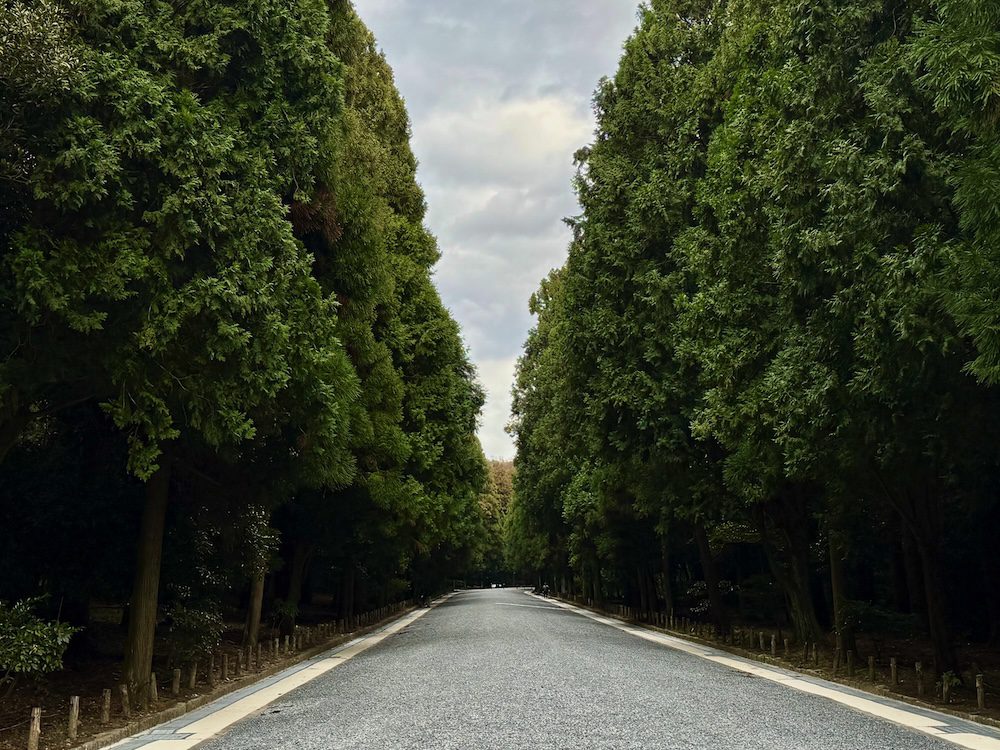
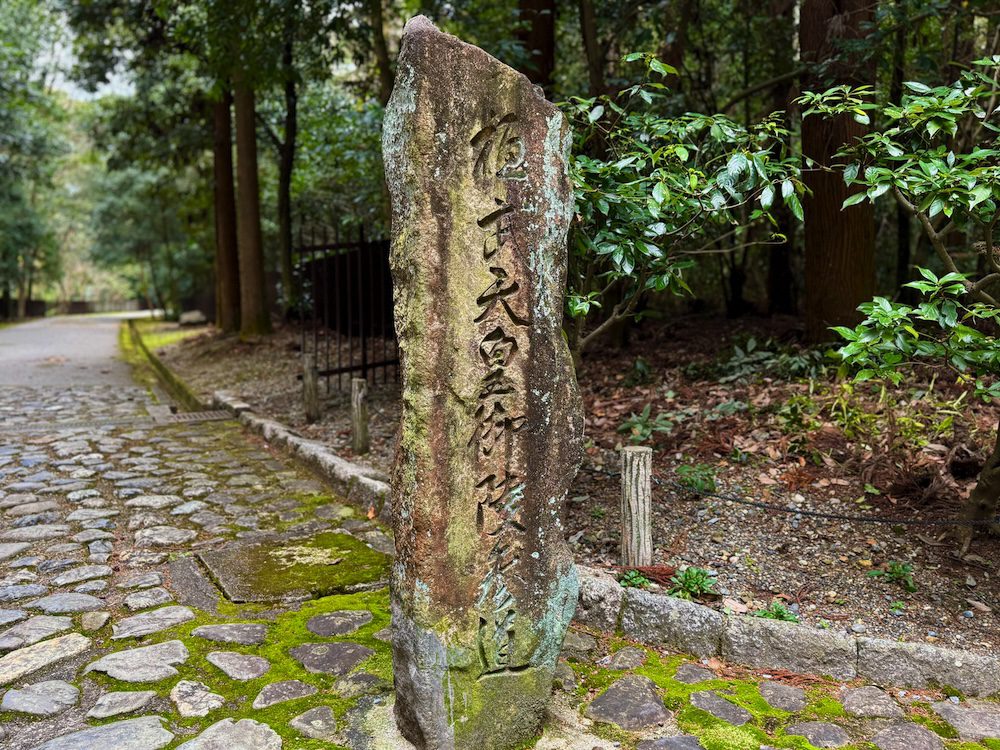
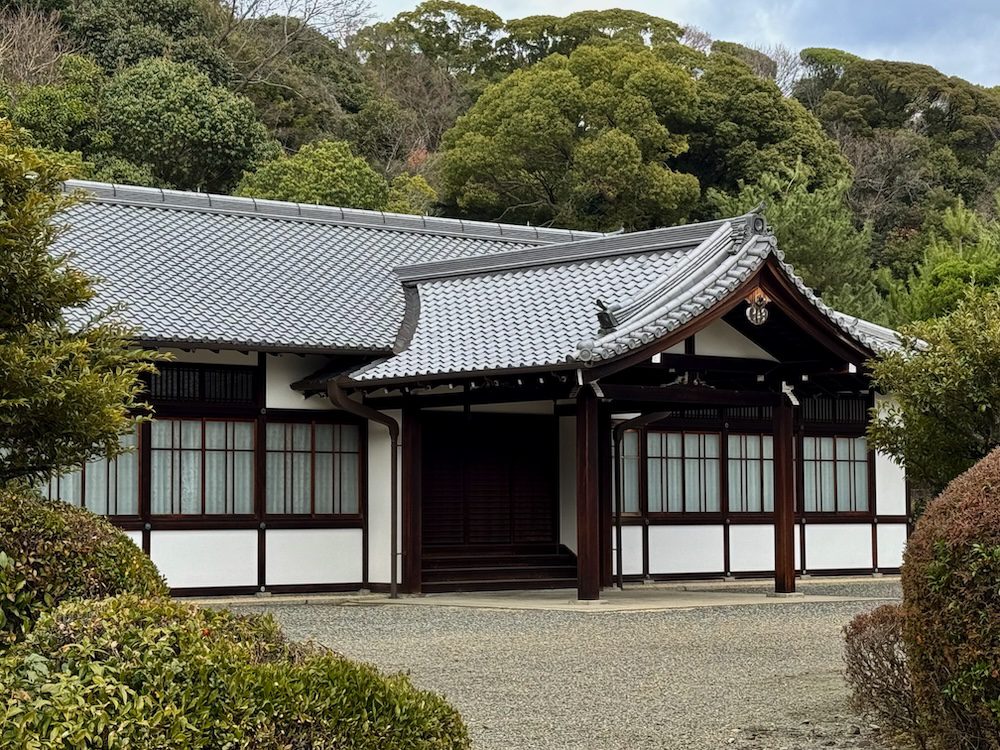
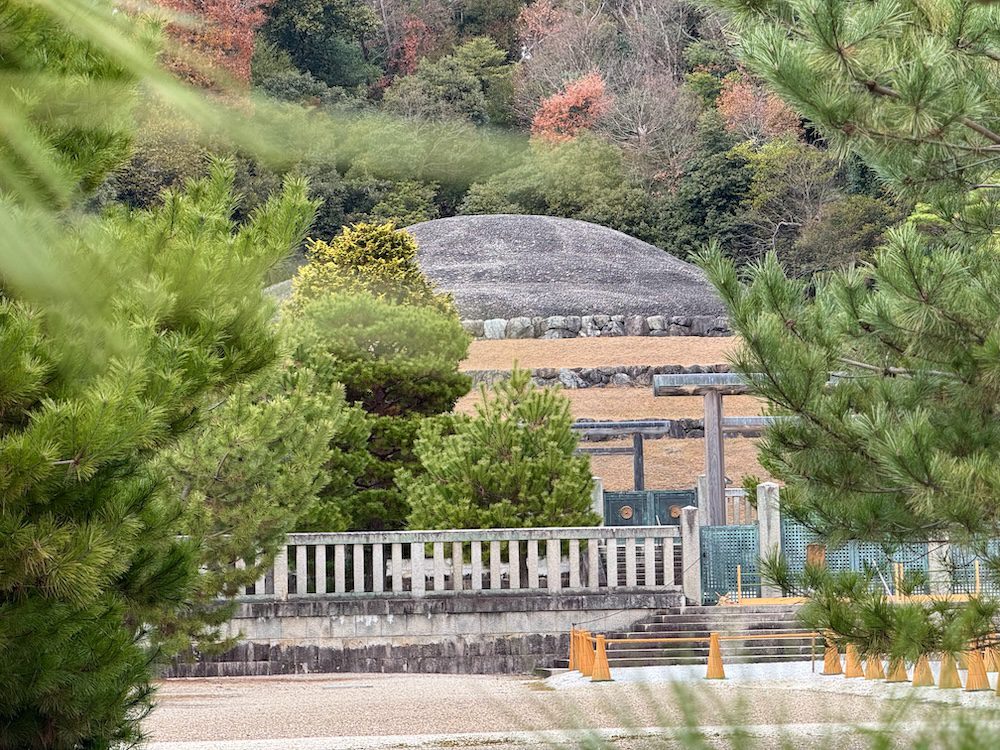
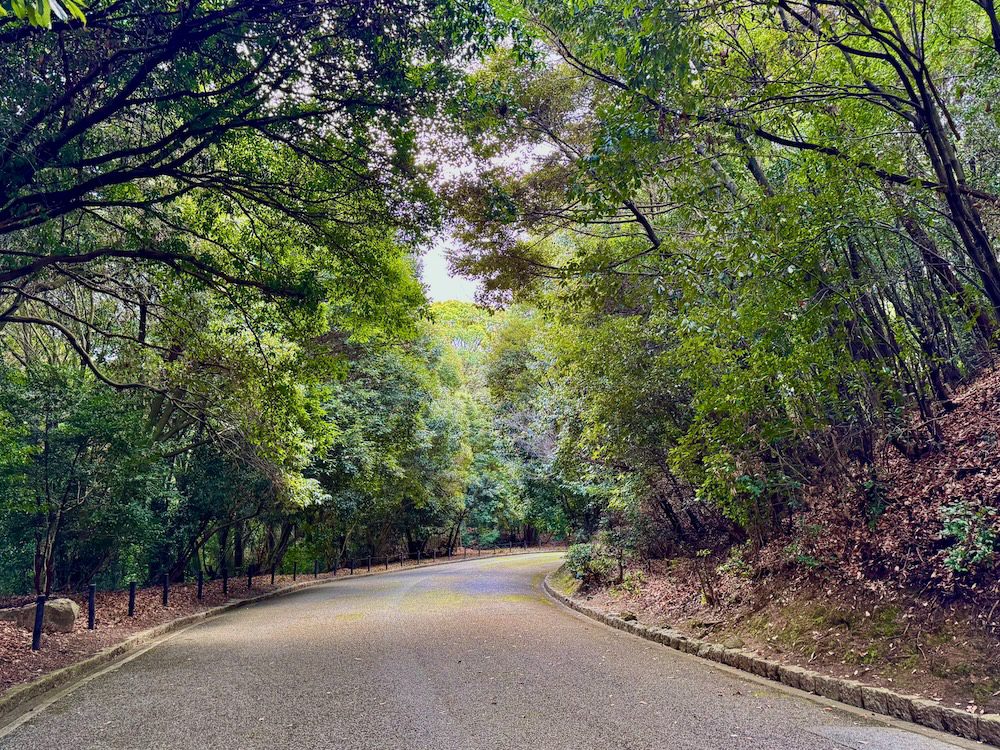
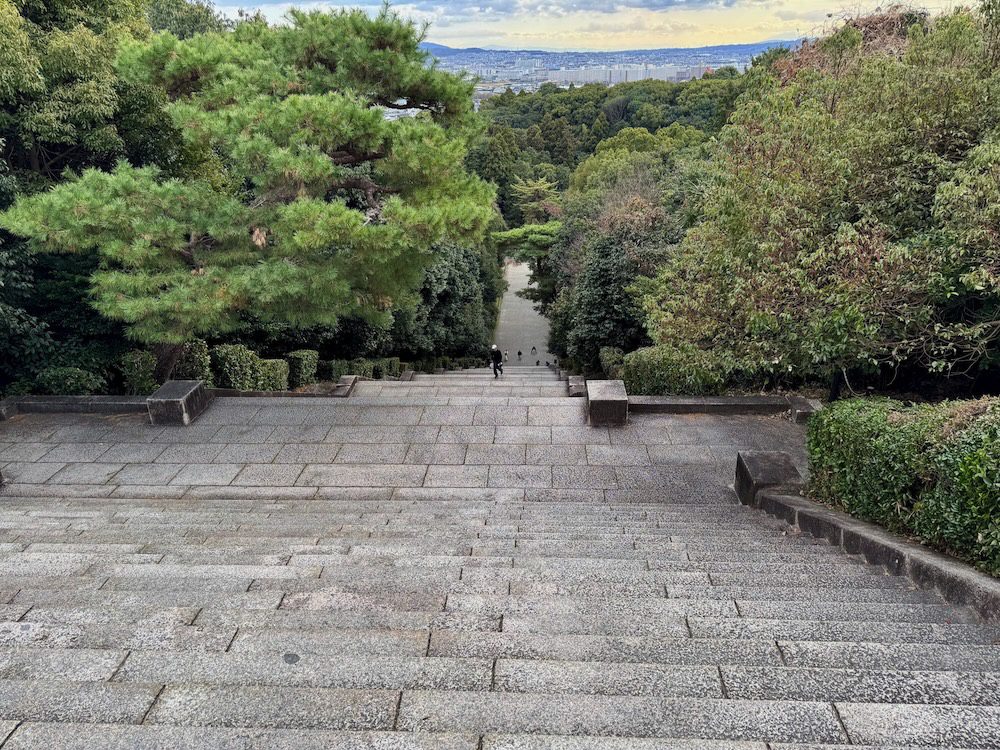
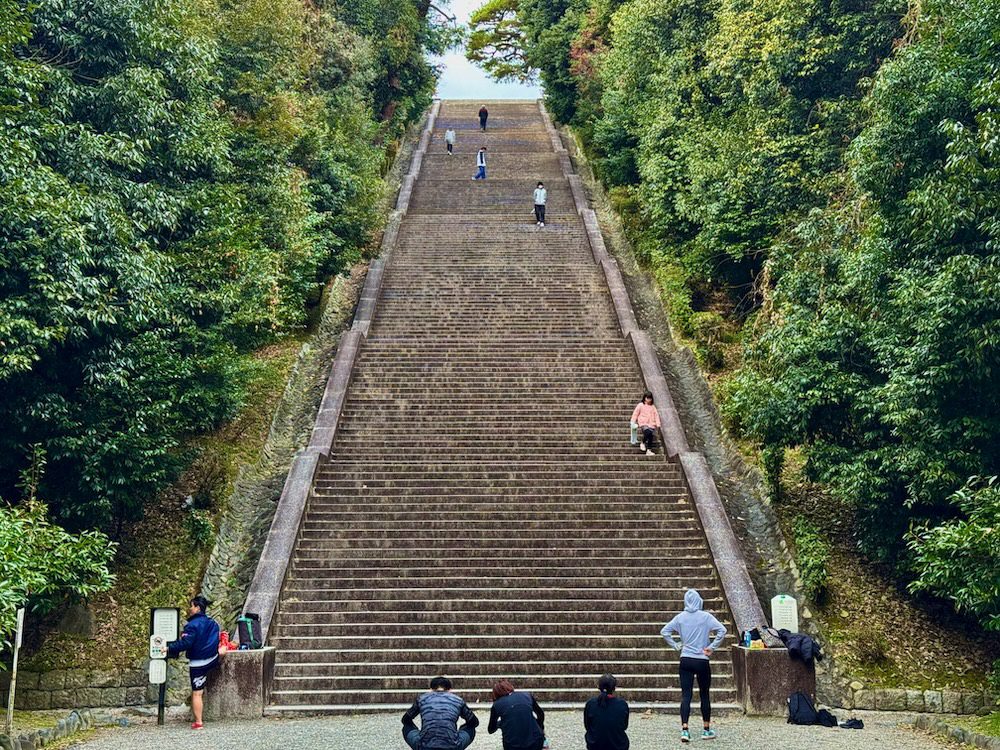
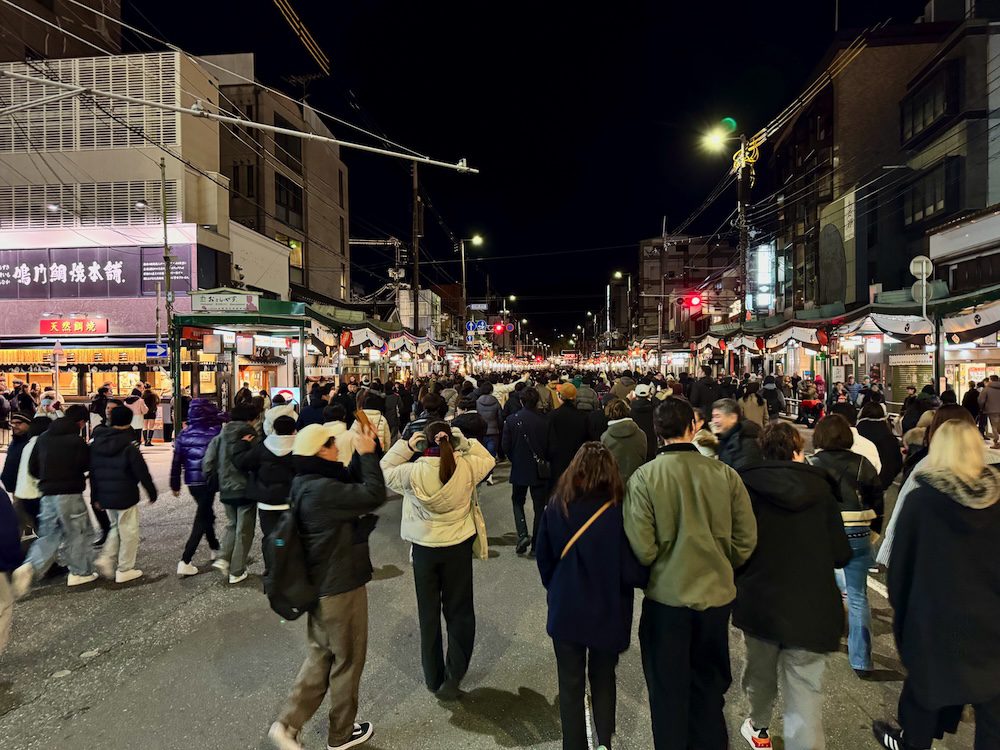
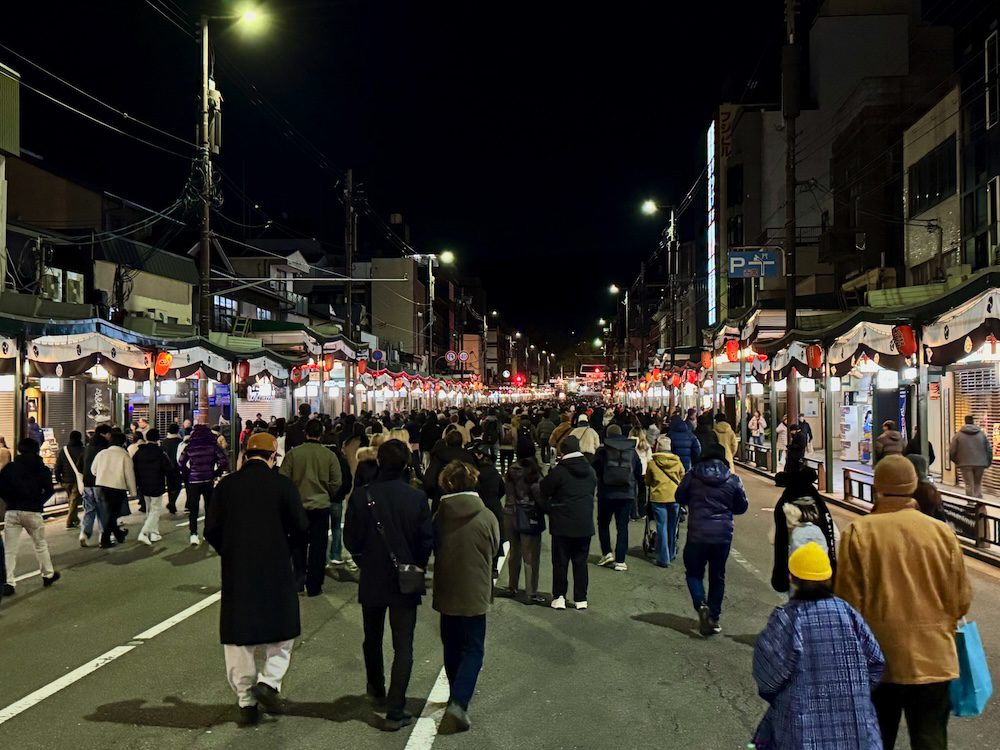
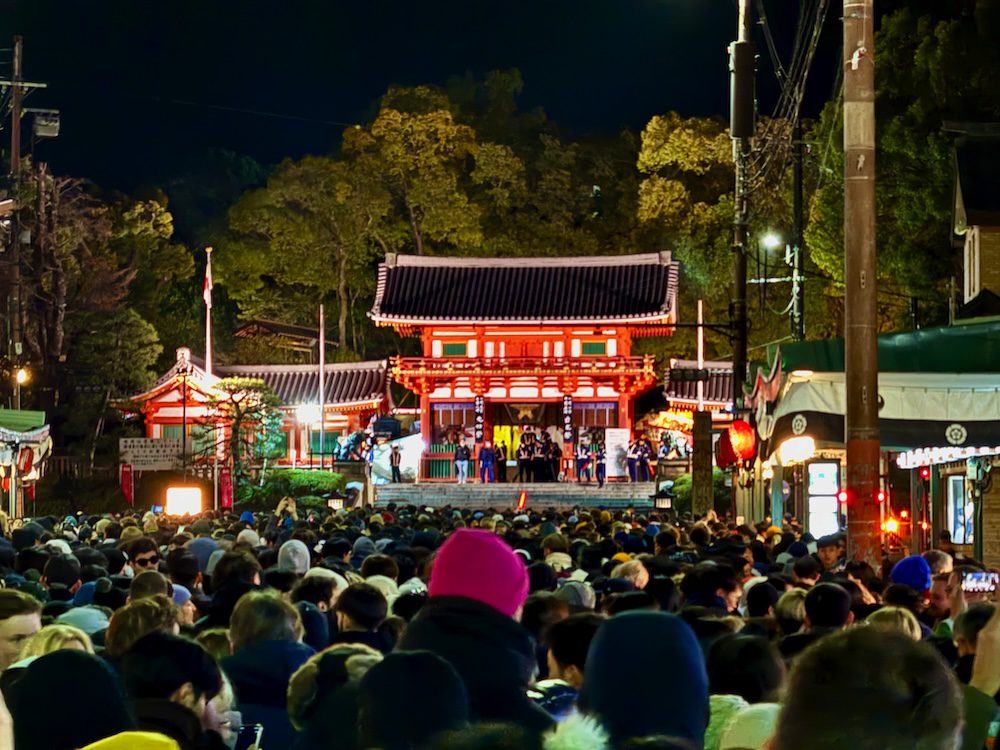
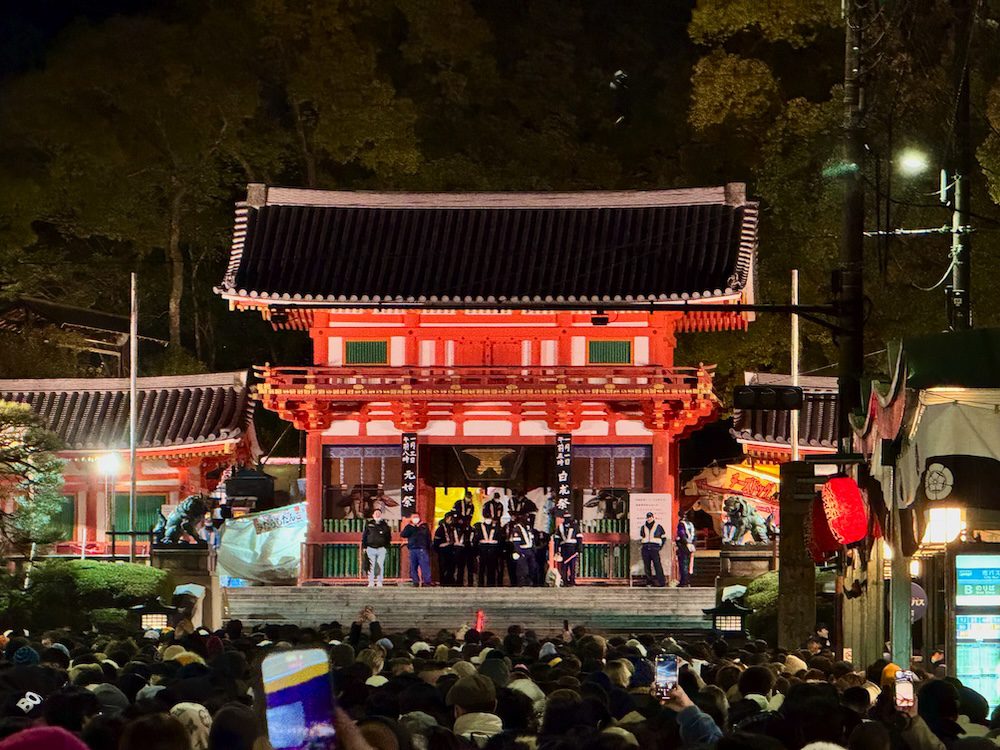
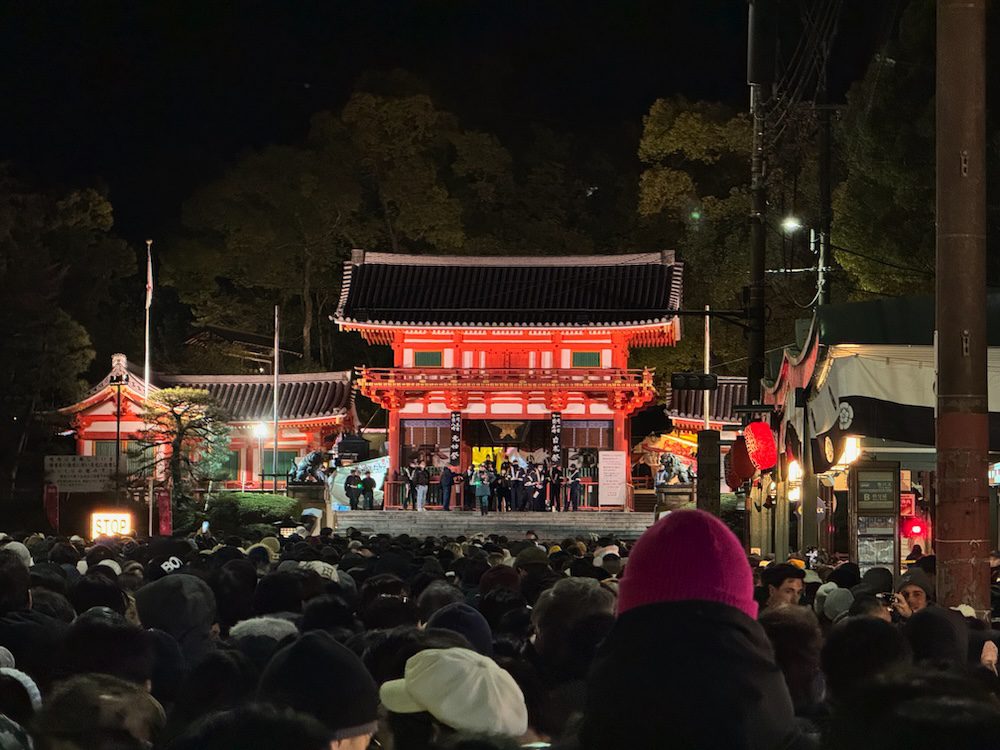
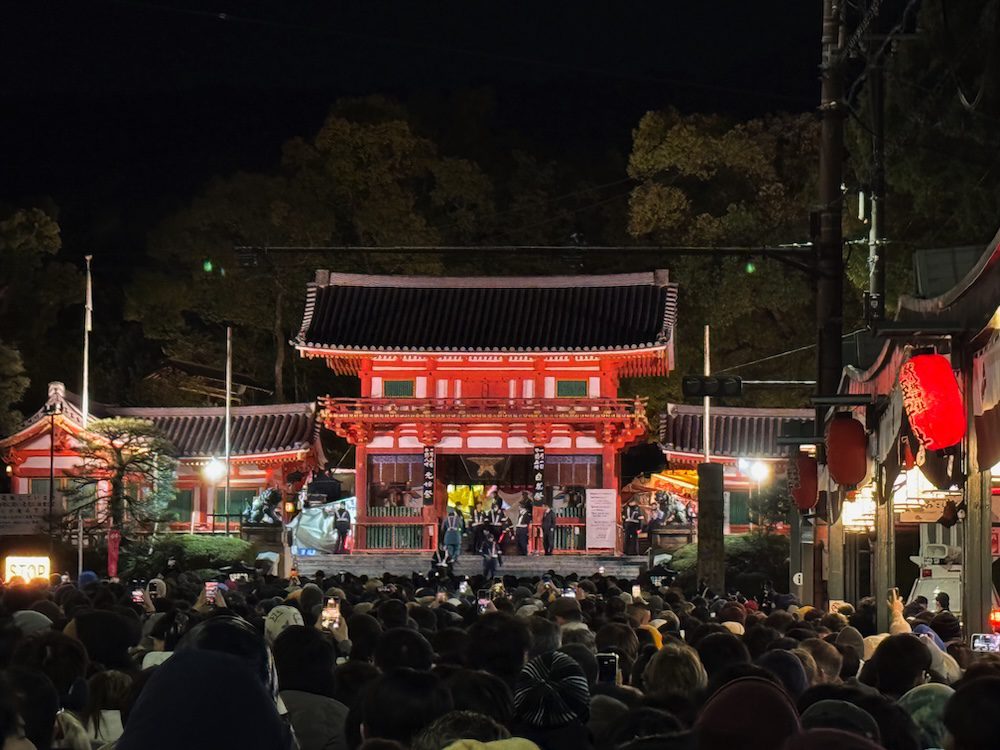
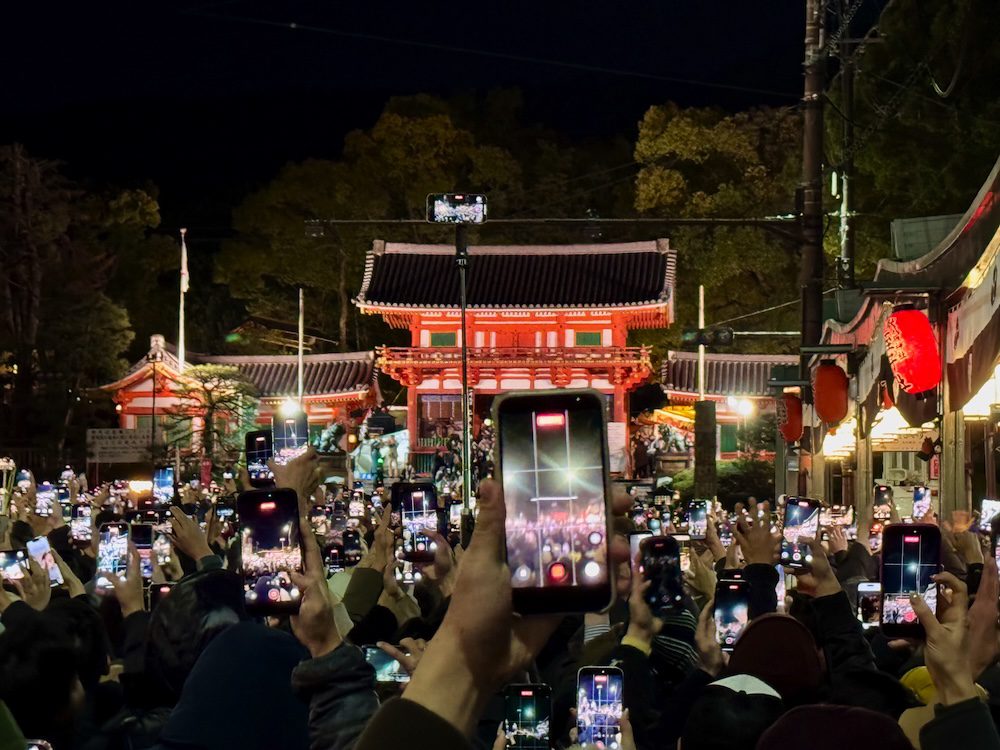
The last stop of the day was to the Fushimi Momoyama (Emperor Meiji’s Mausoleum). Meiji ushered in the modern age in Japan from the 1860’s and he, as well as this place are quite revered in Japan. The mausoleum is a large mound which sits majestically on a hillside (as does his wife, the Empress Dowager Shōken) and the moment you enter the grounds, a sense of peacefulness envelopes you. This would turn out to be the exact opposite to what New Year’s Eve in Gion would bring. Now I’m not saying there were riots, but taking 40 minutes to move 30 metres is not my idea of fun. At midnight, the Yasaka Shrine is opened to people (that they let in in groups). Well based on the distance and the amount of people that were ahead of me, I would have got in by the Third of January. Still, was good to be out rather than sitting in a room.
Ogura & Uji
Fushimi Momoyama (Emperor Meiji's Mausoleum)
New Years Eve
Manhole Covers
Day 7 - Back to Tokyo
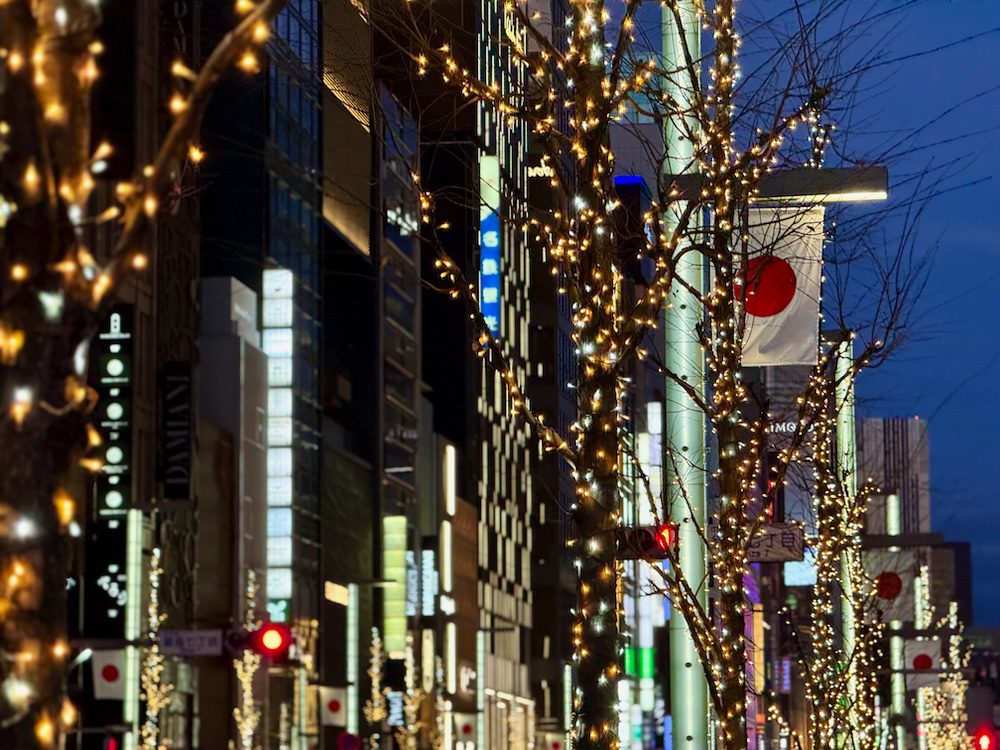
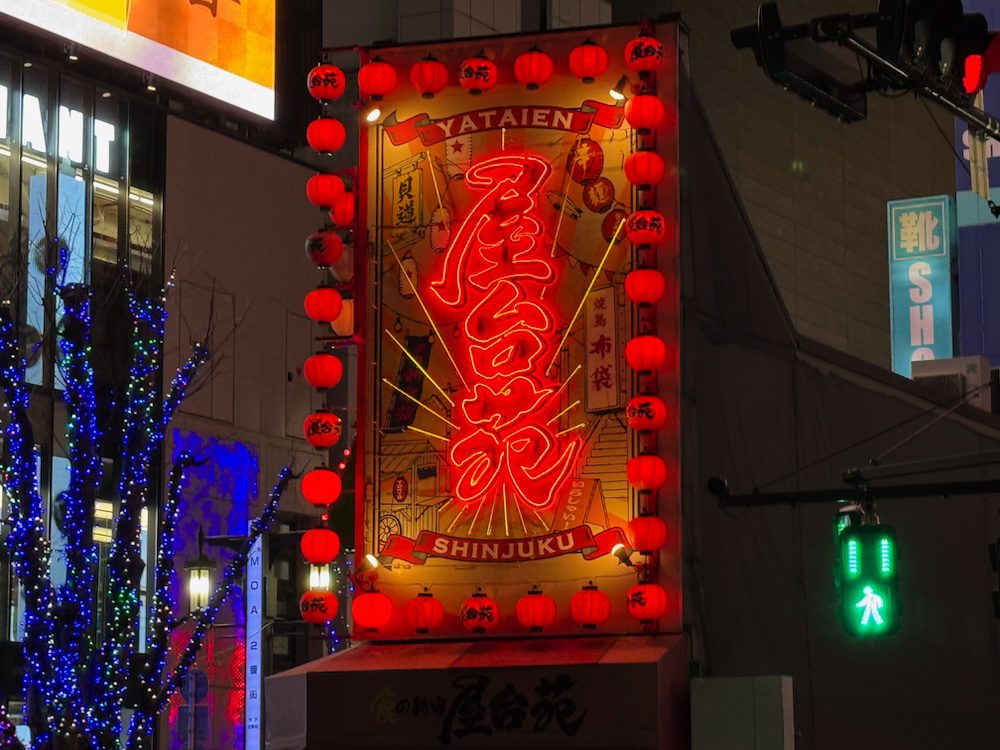
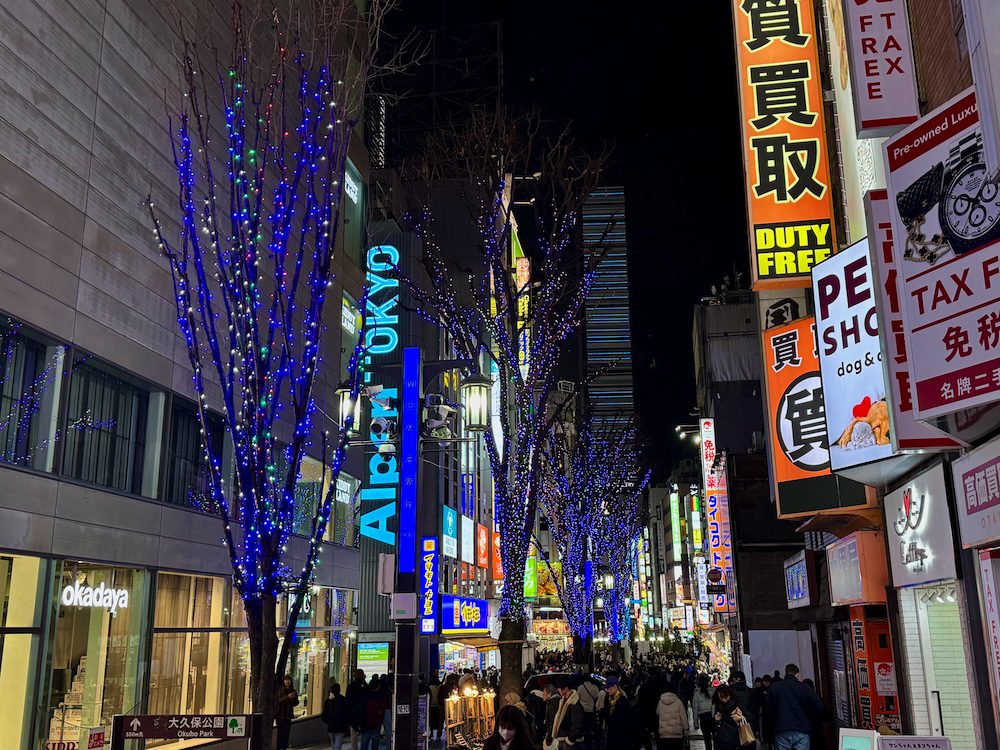
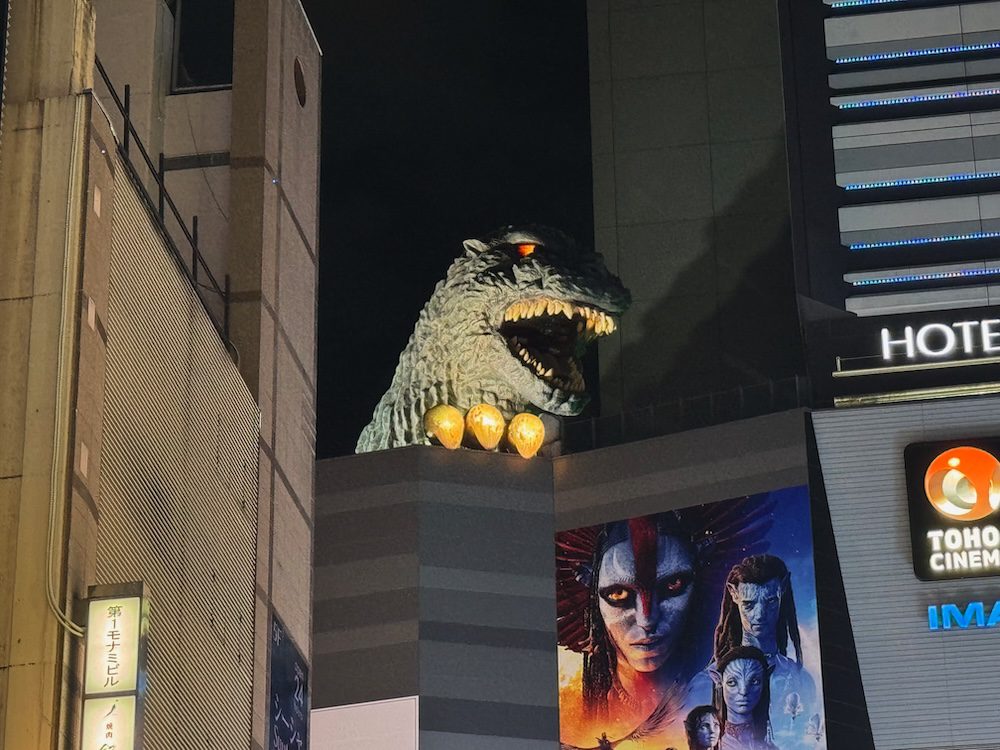
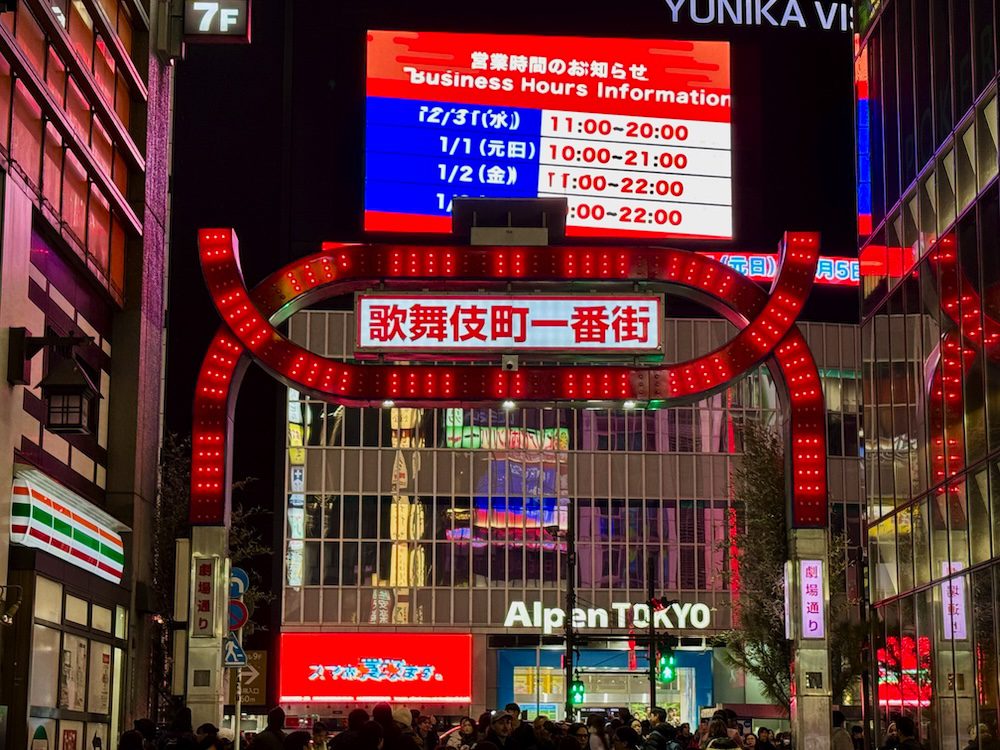
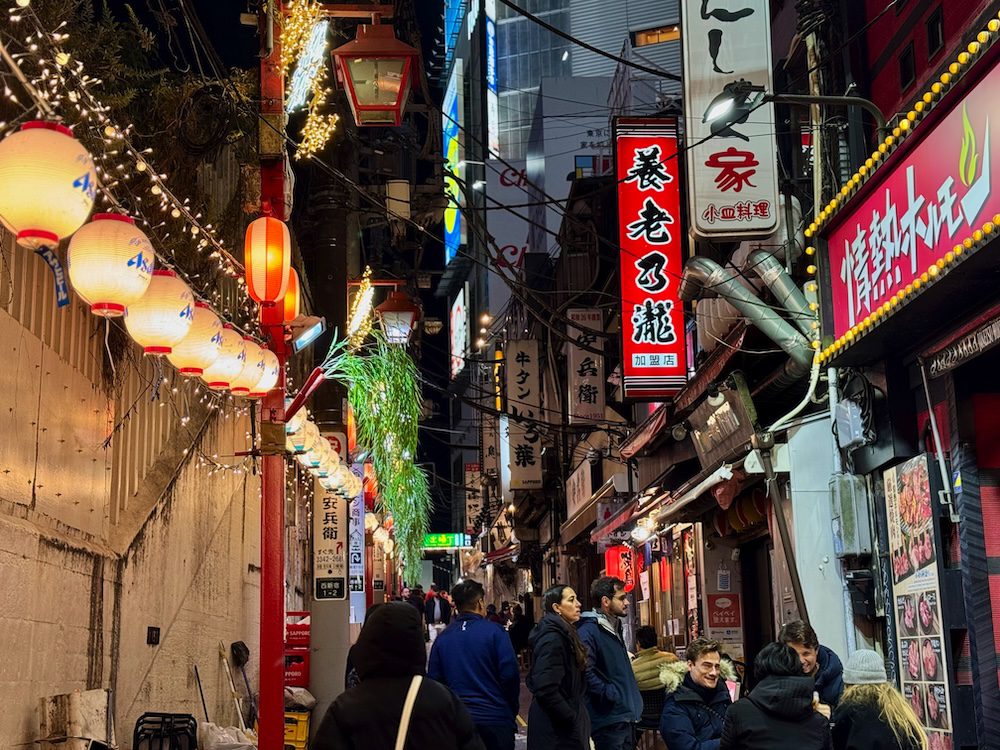
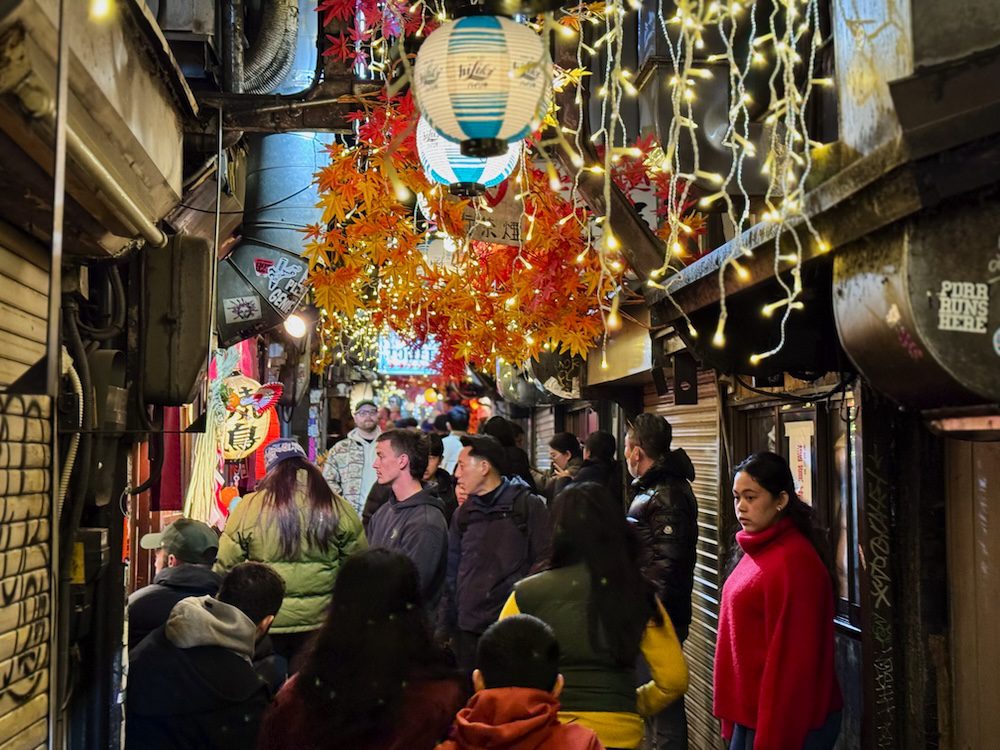
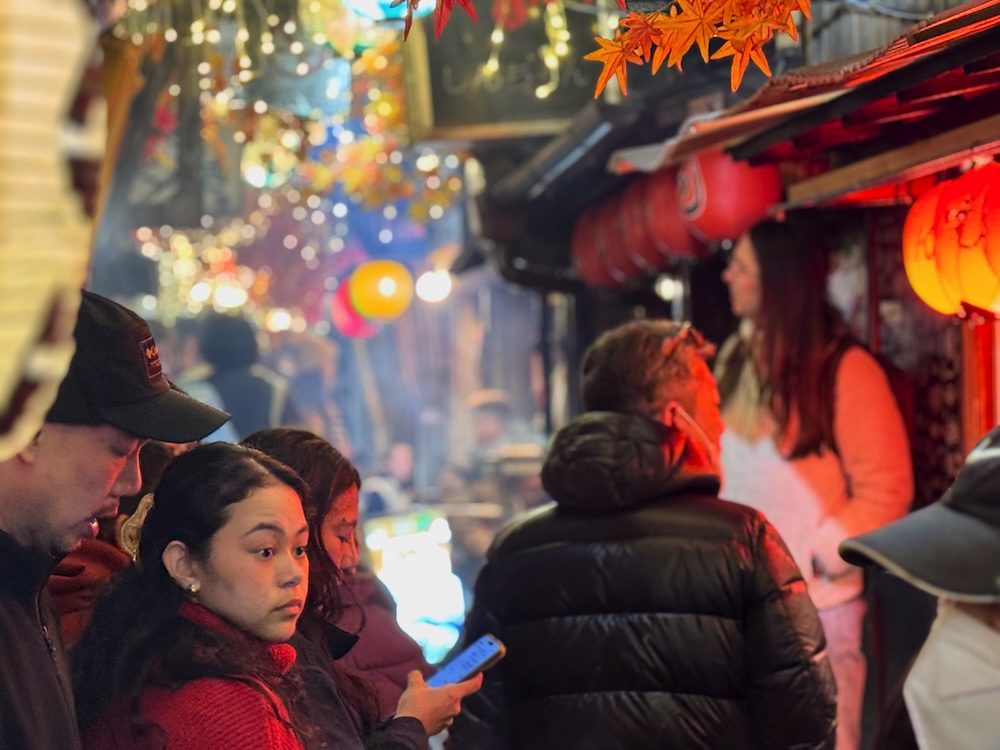
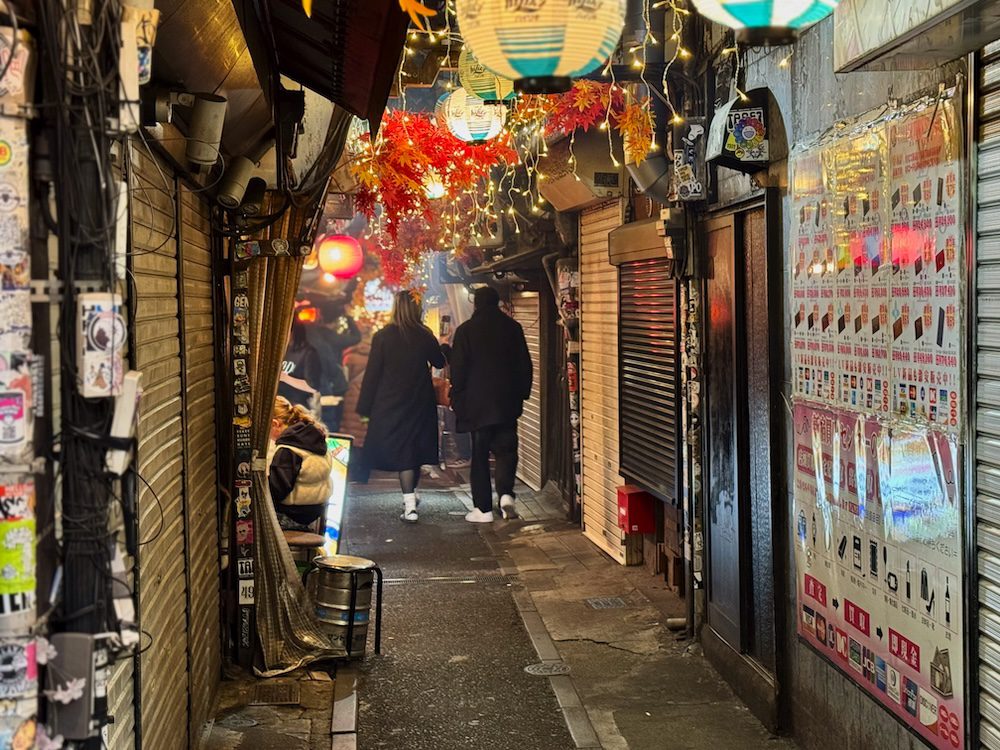
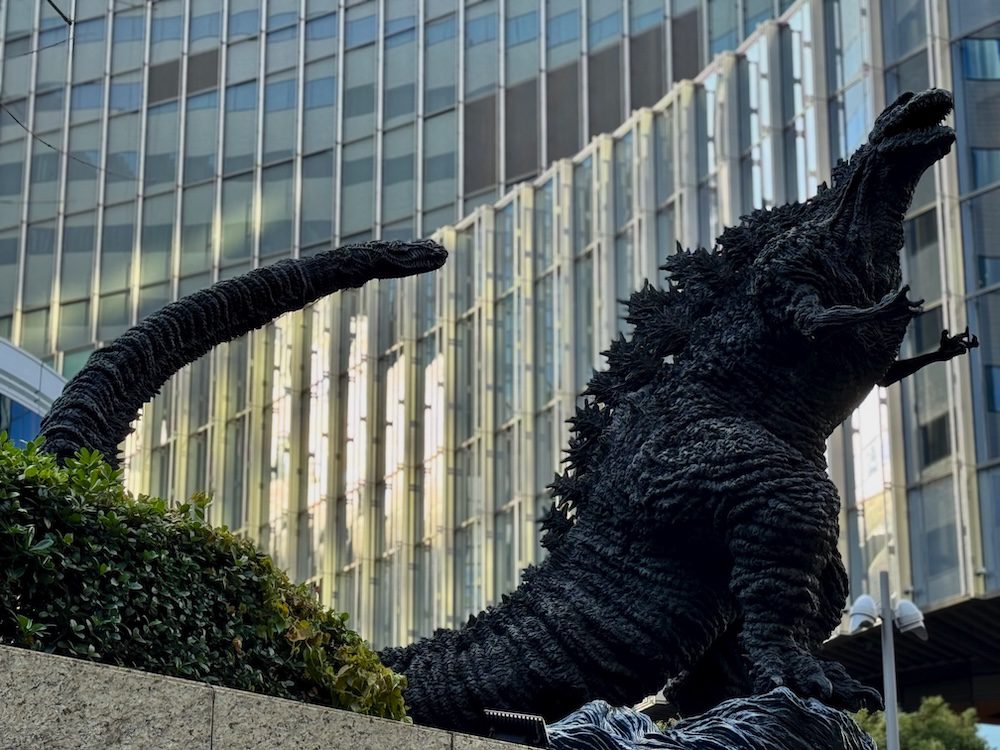
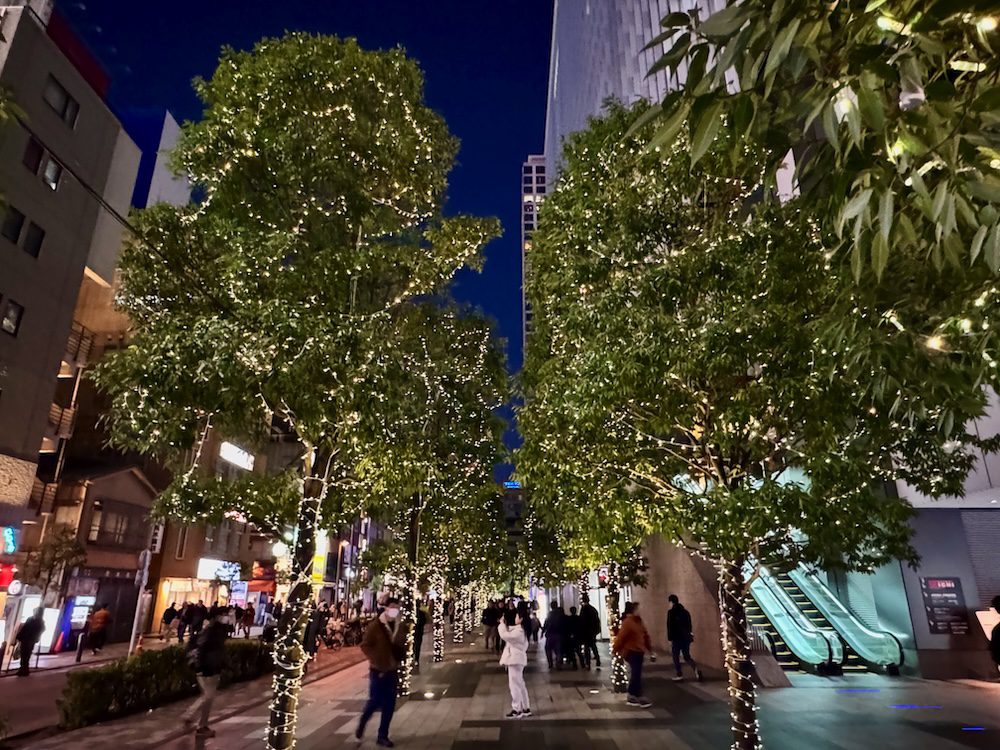
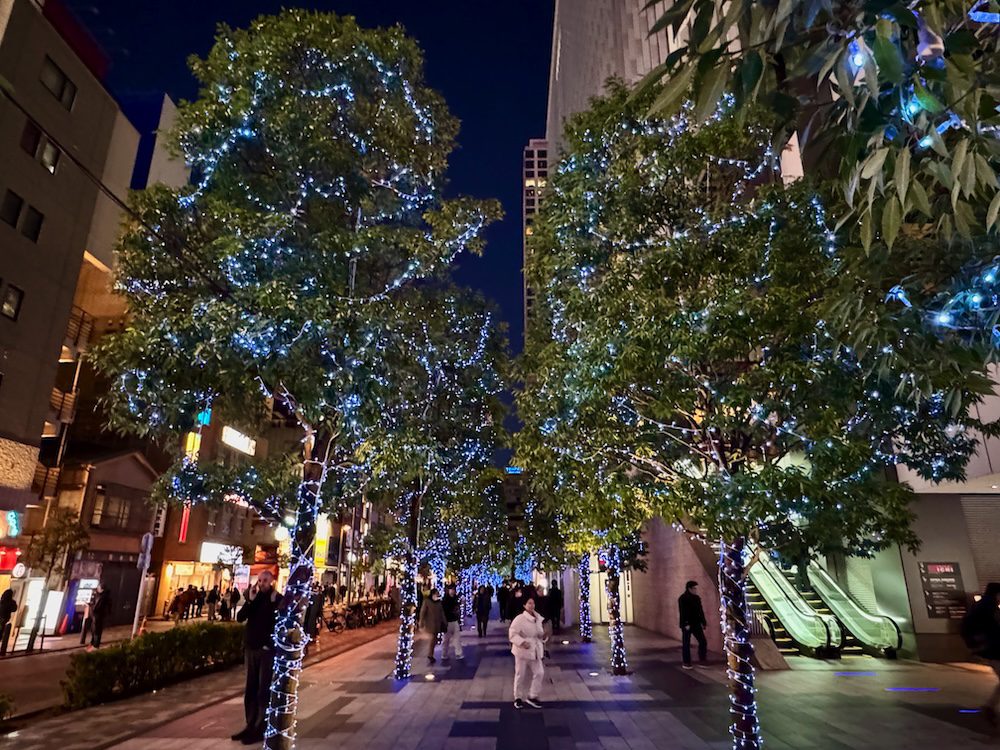
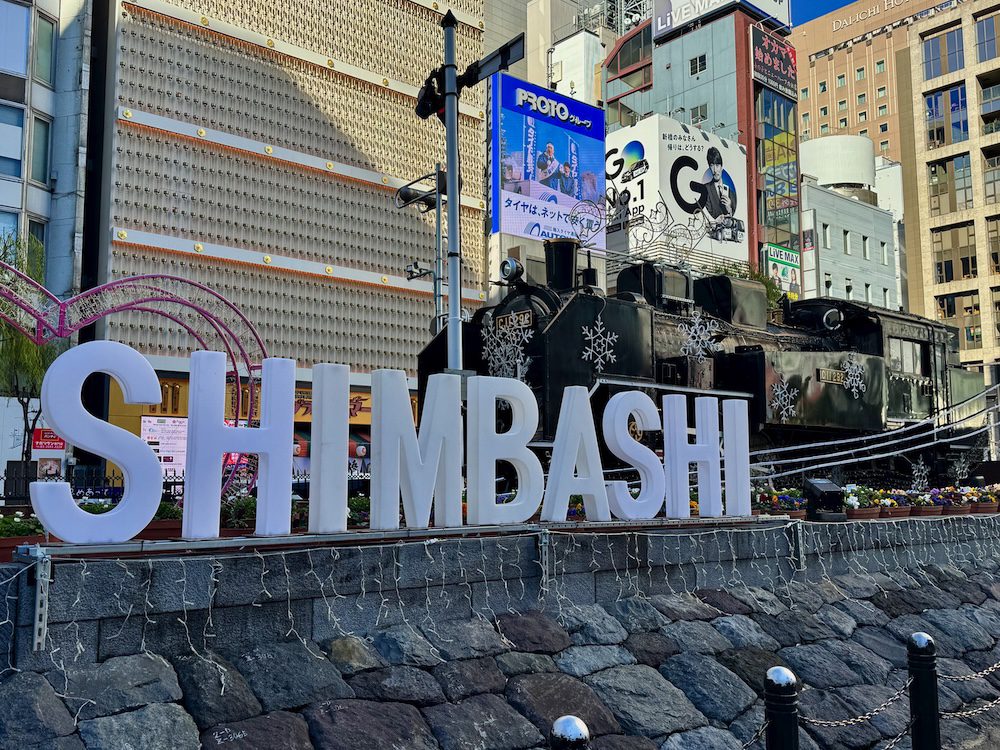
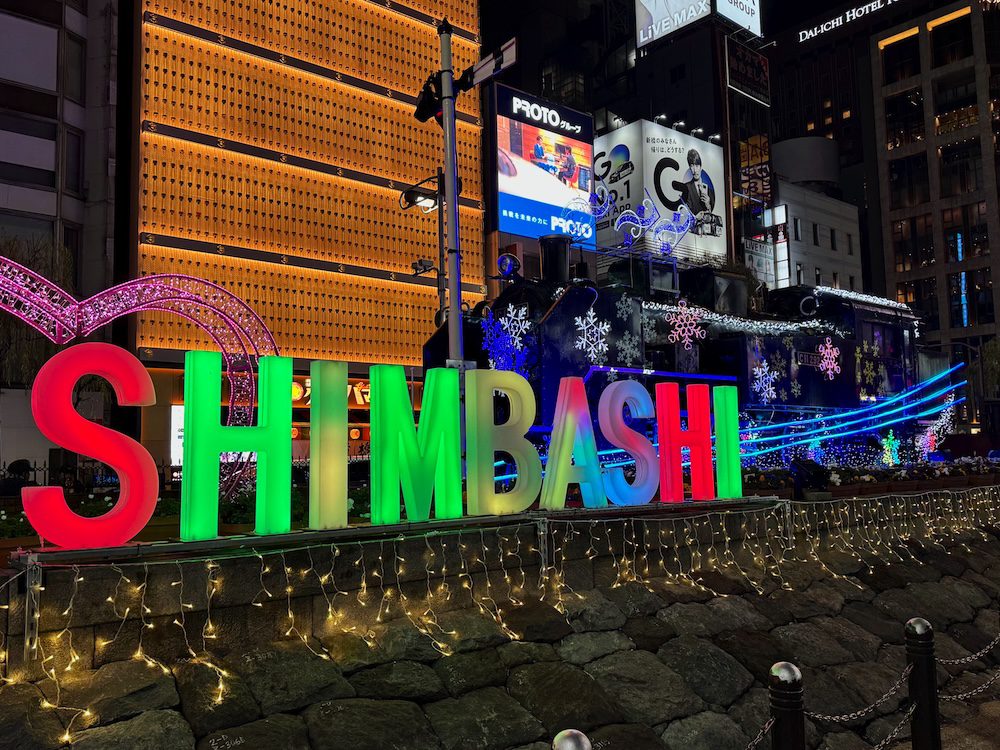
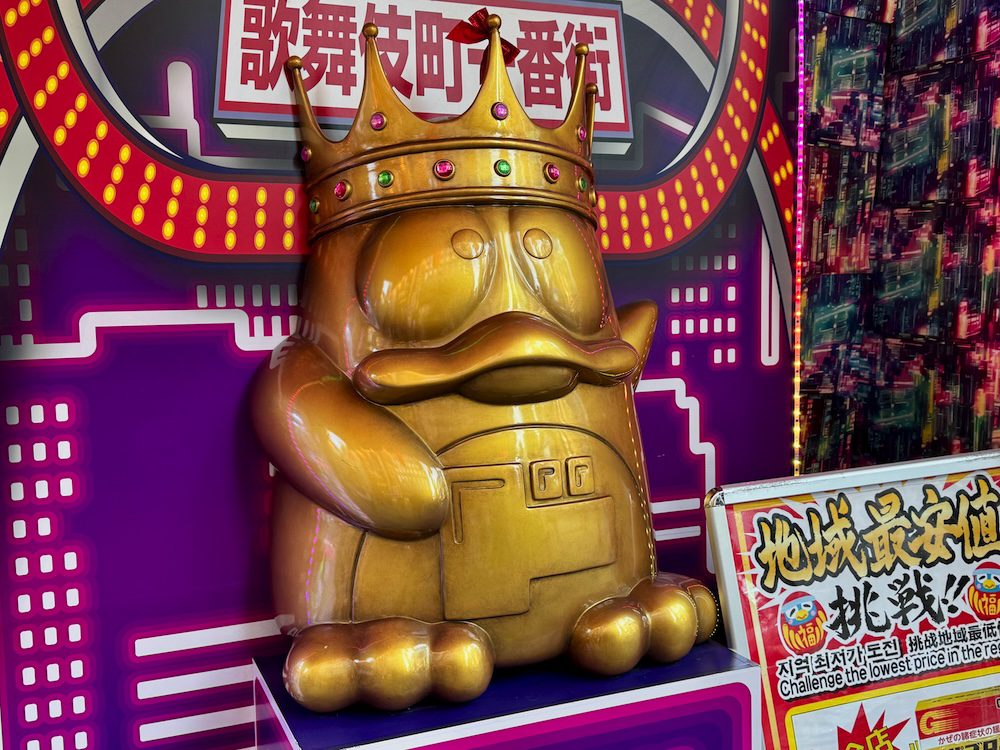
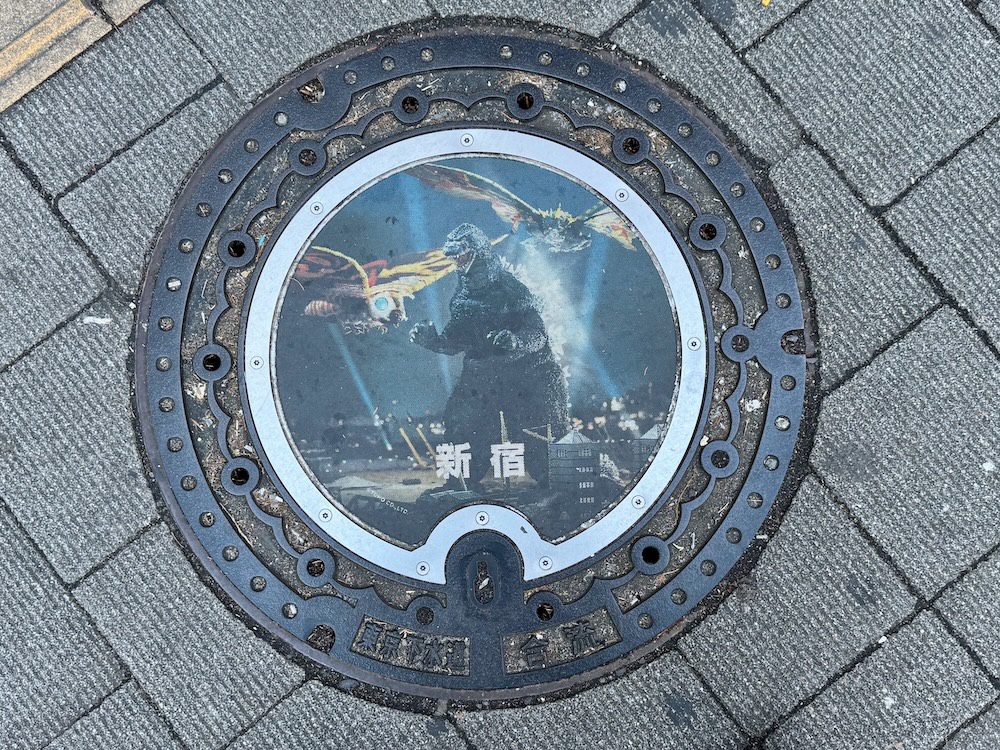
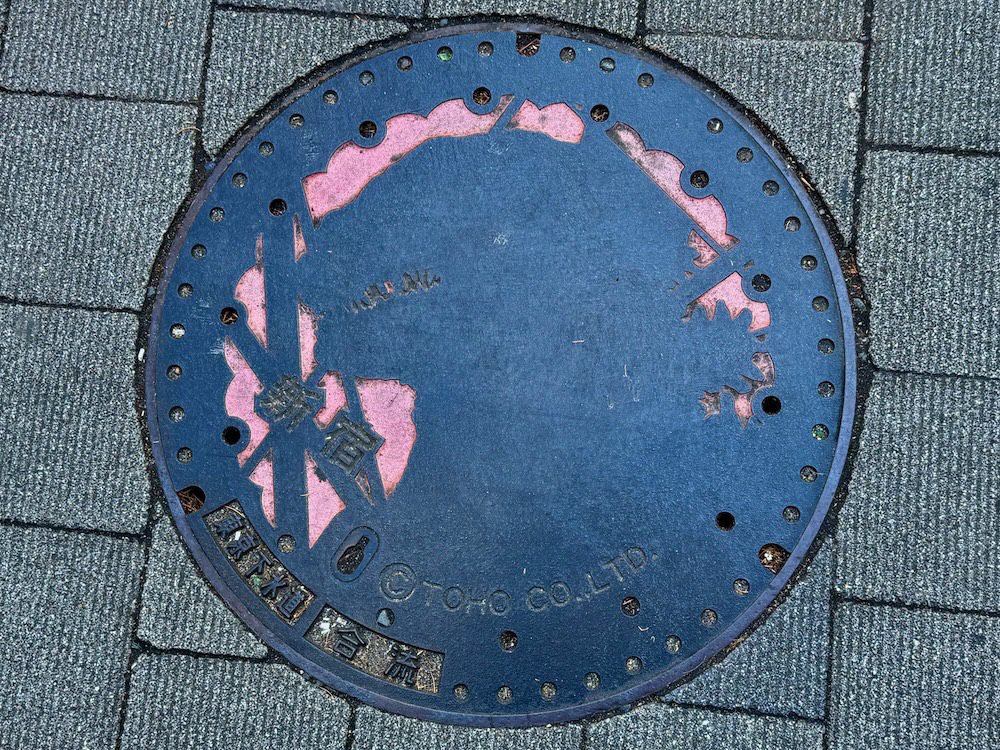
First day in Tokyo didn’t really leave with much time to do anything after the midday train from Kyoto then booking in process. After I got finally settled, it was my obligatory visit to see Godzilla and the 3D cat in Shinjuku. The place is an attack on your senses but never changes (be it the lights, sounds or people). The smells of Omoide Yokocho (a narrow alley packed with tiny yakitori and izakaya bars) never gets old and its always worth a walk through. It really is a throw back to the Showa-era and captures the Tokyo that the lights and noise tends to lose.
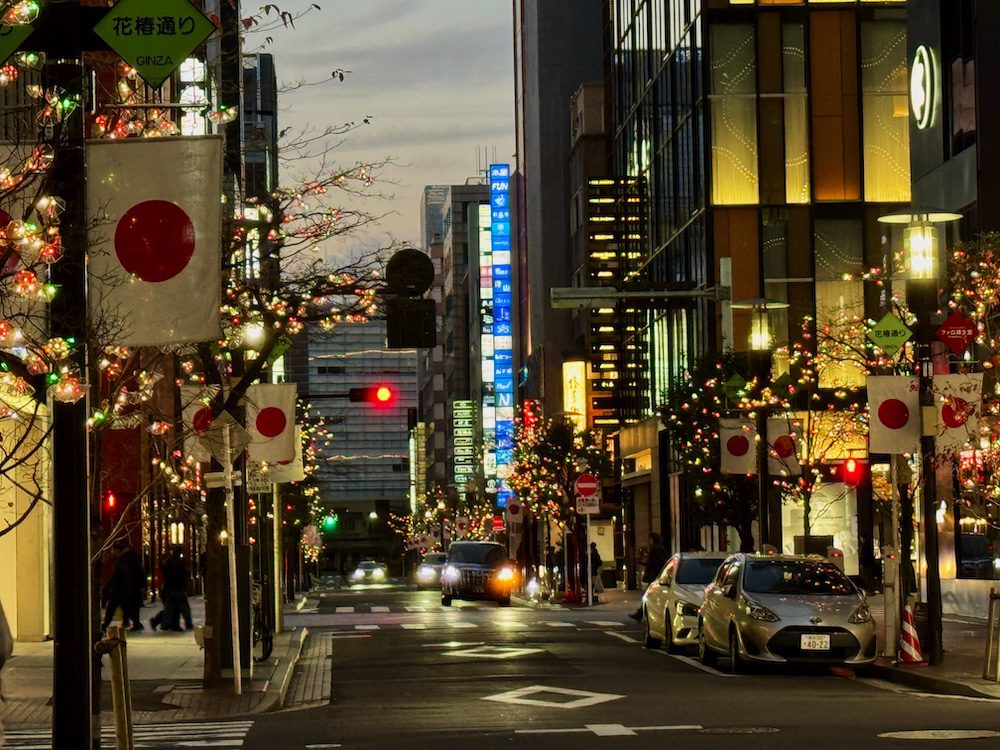
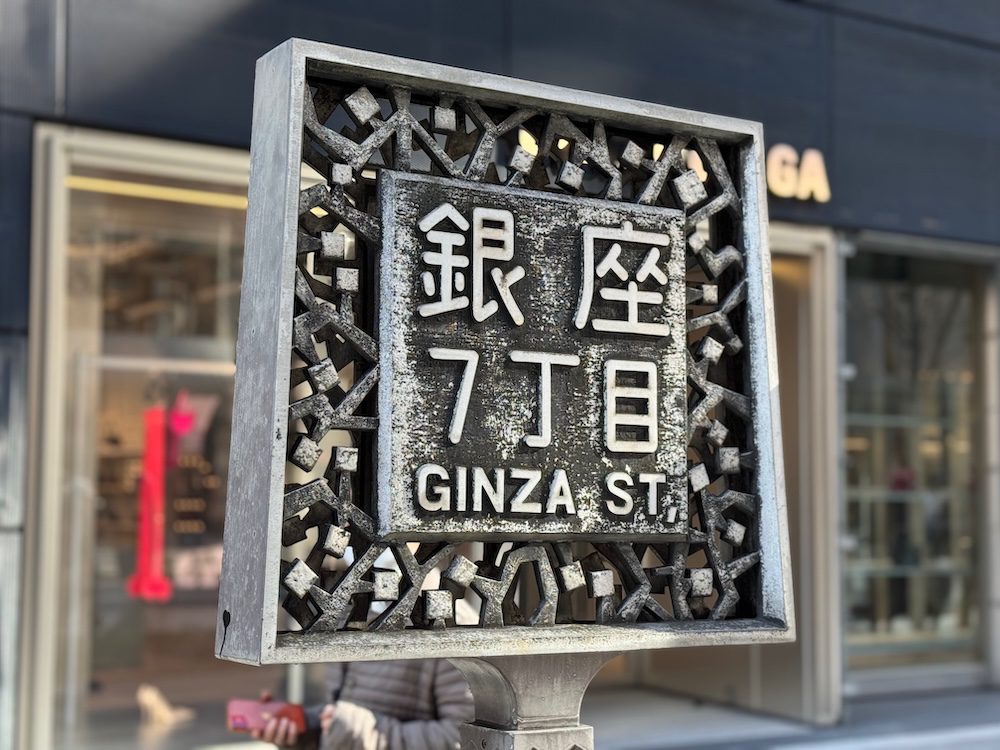
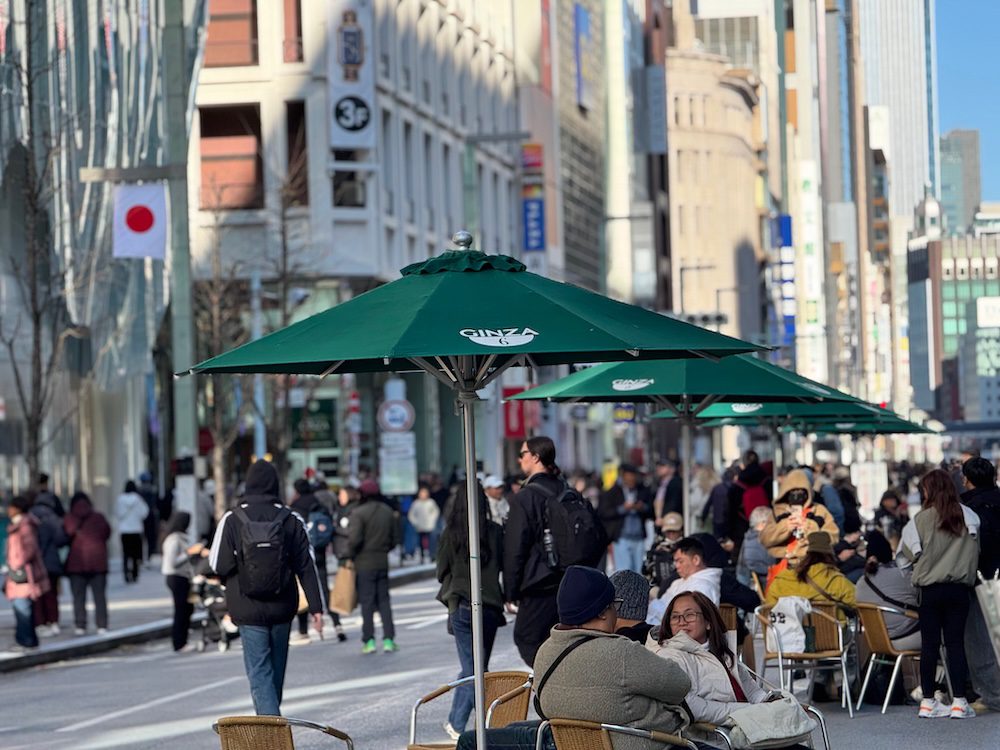
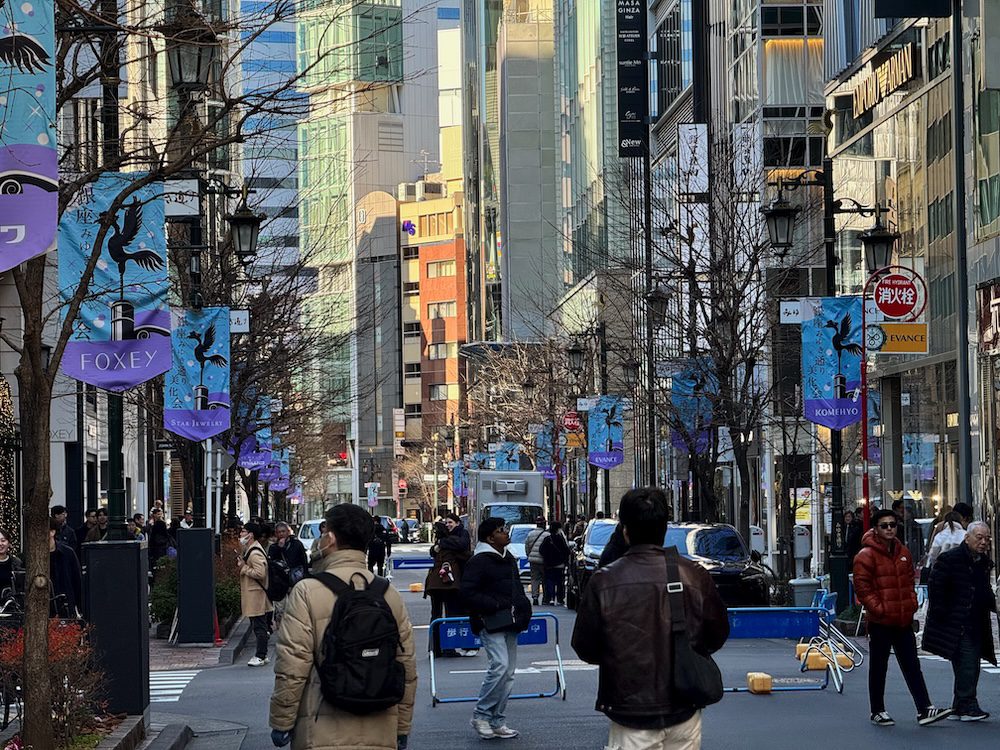
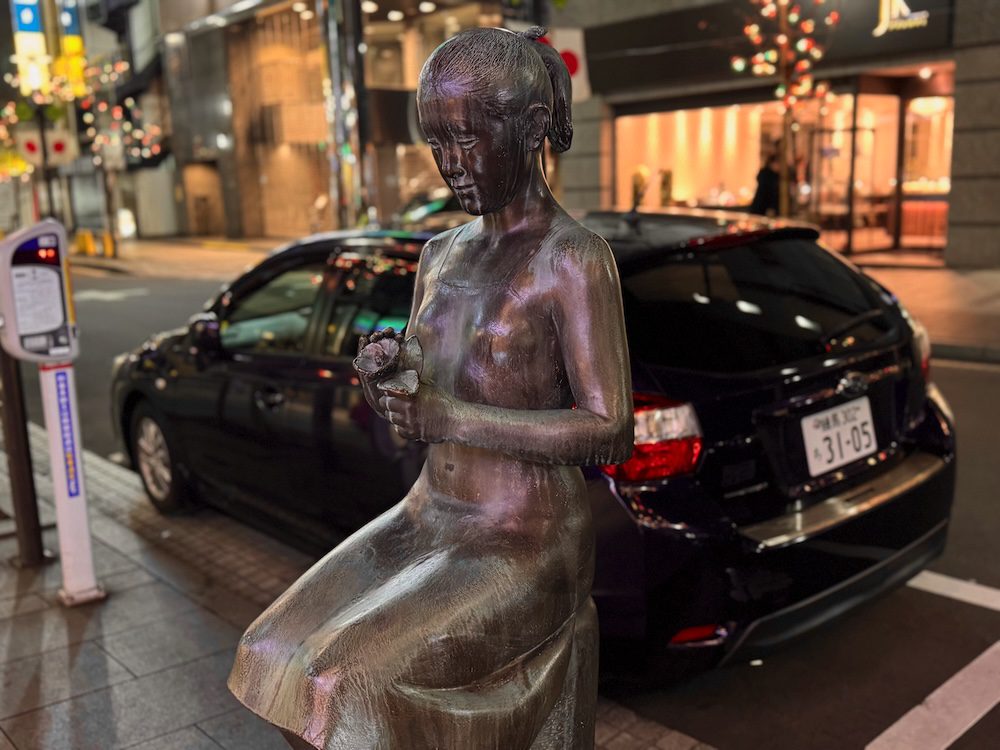
Heading to and in Ginza
Shinjuku
Manhole Covers
Day 8 - Yokohama & Tokyo
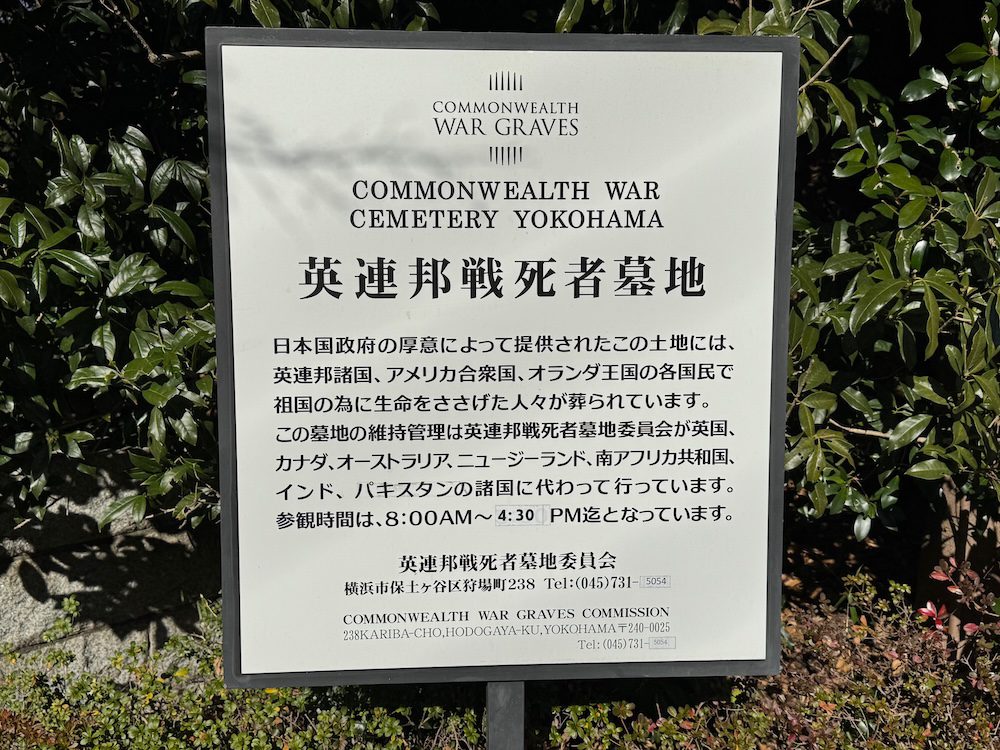
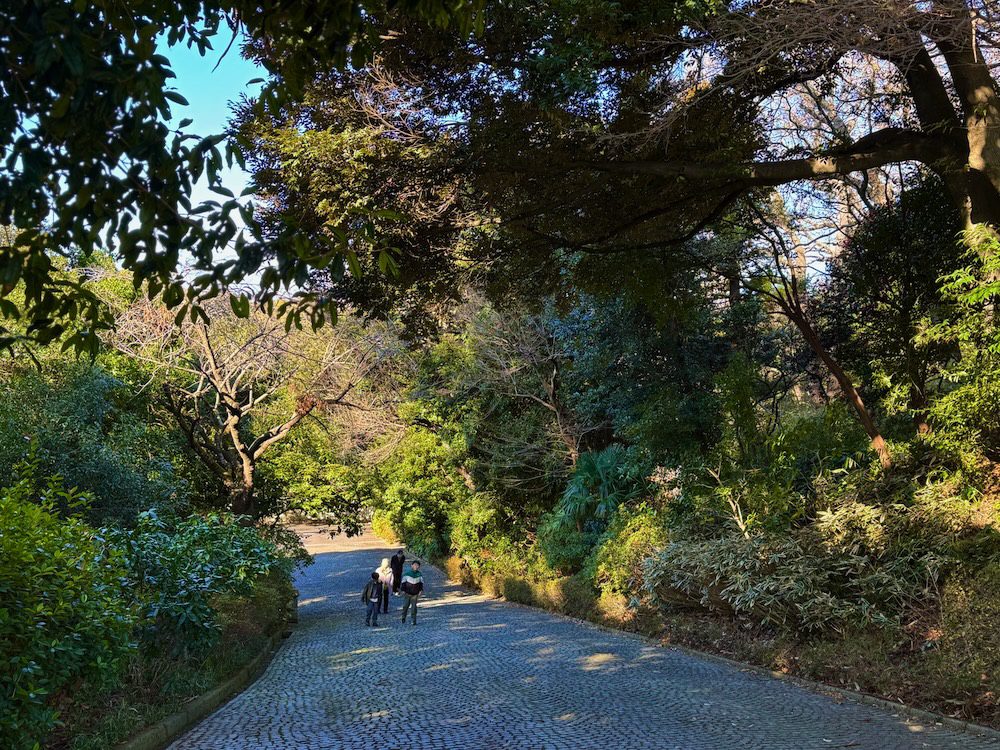
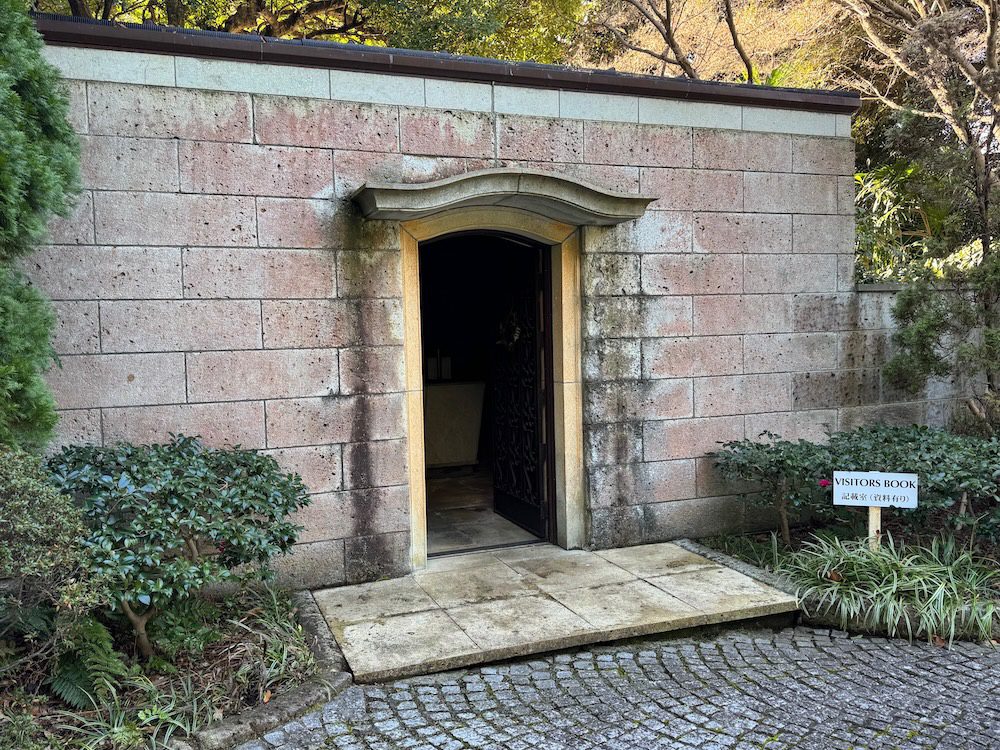
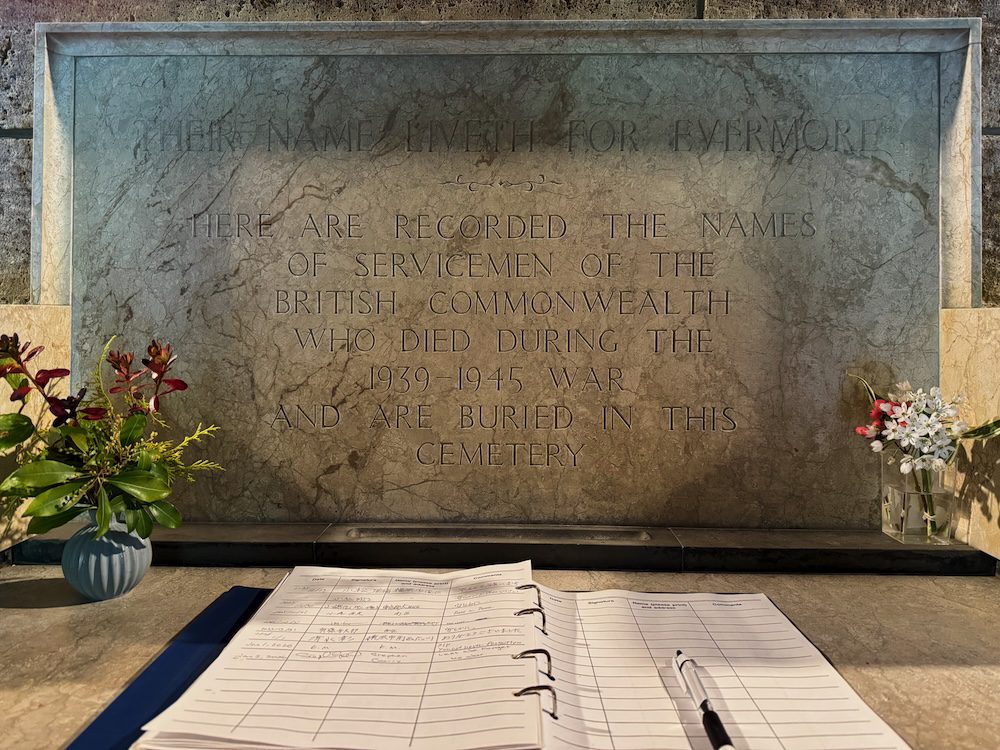
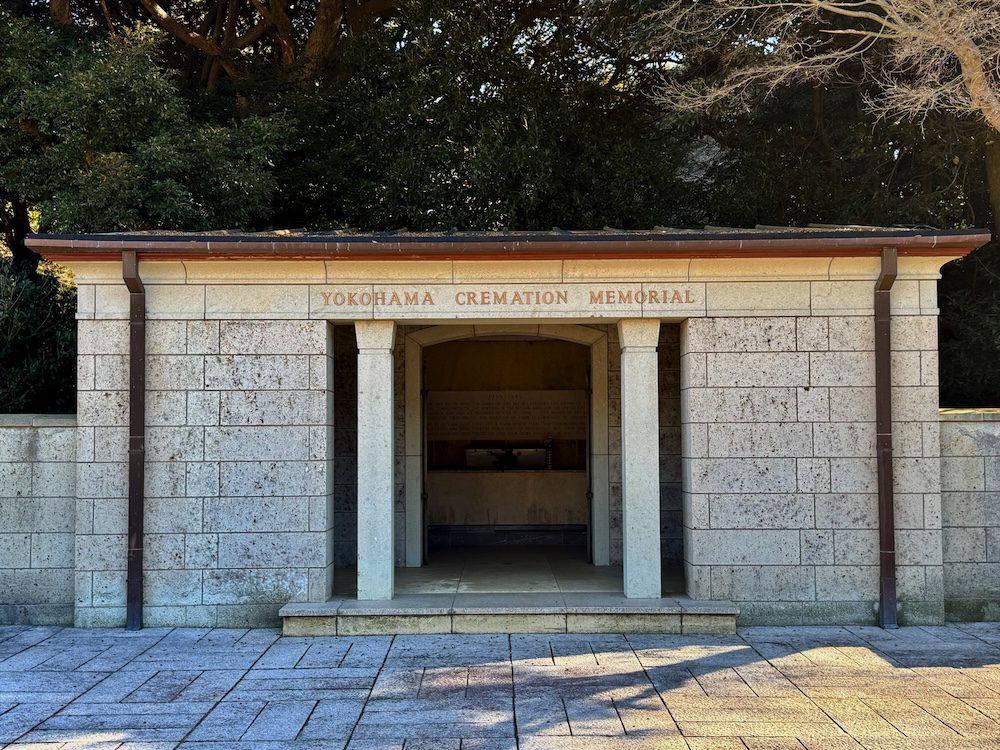
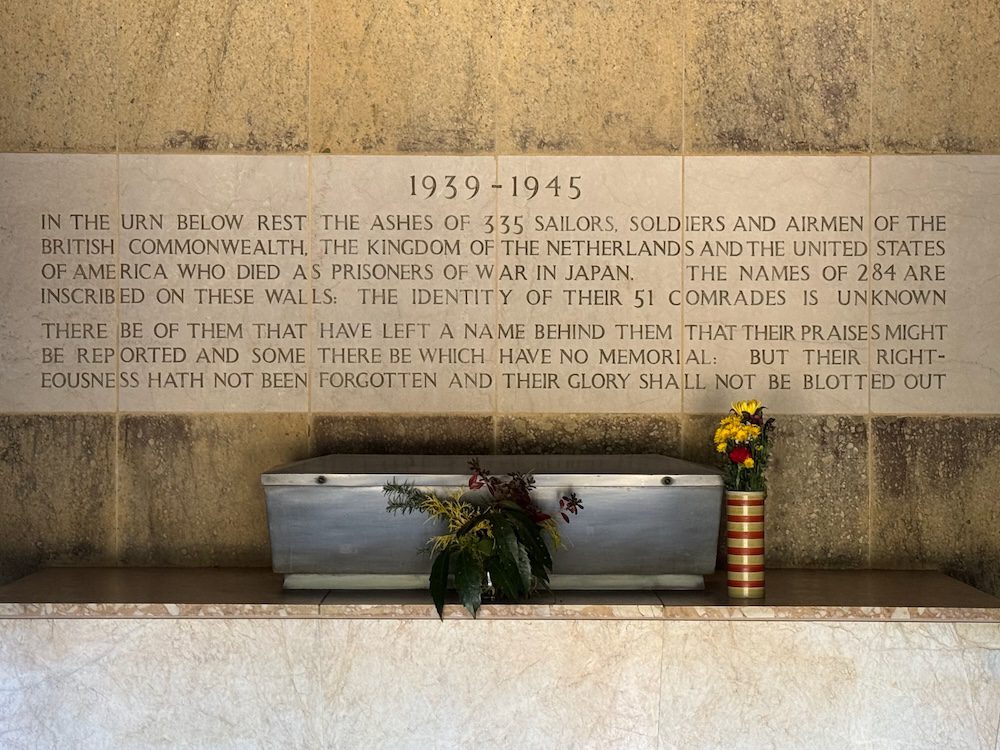
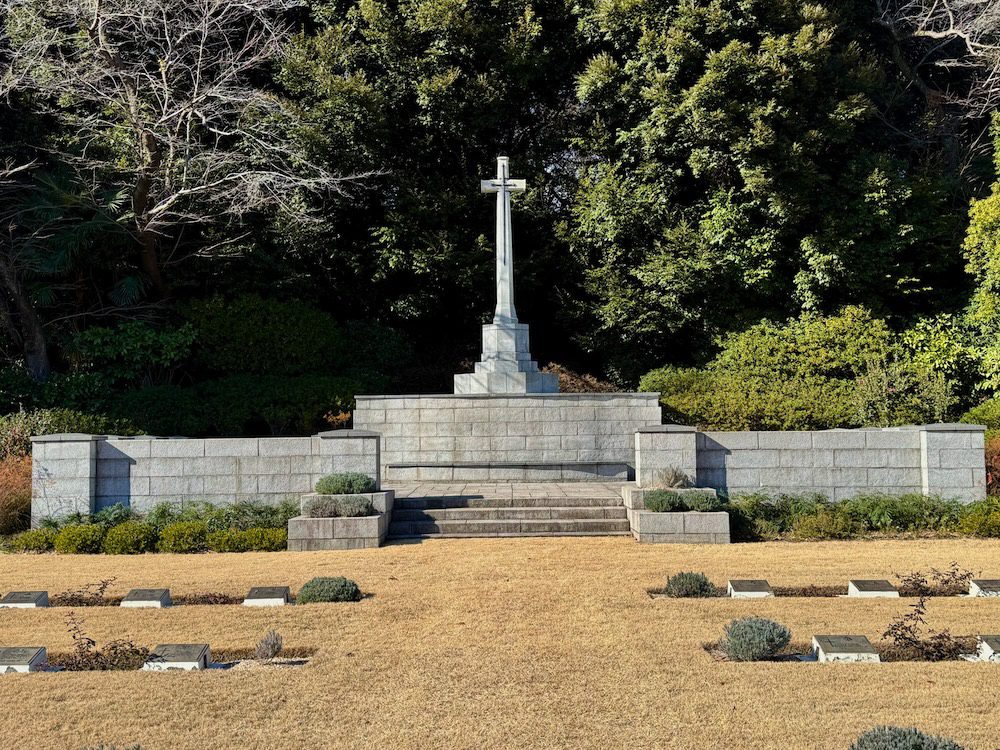
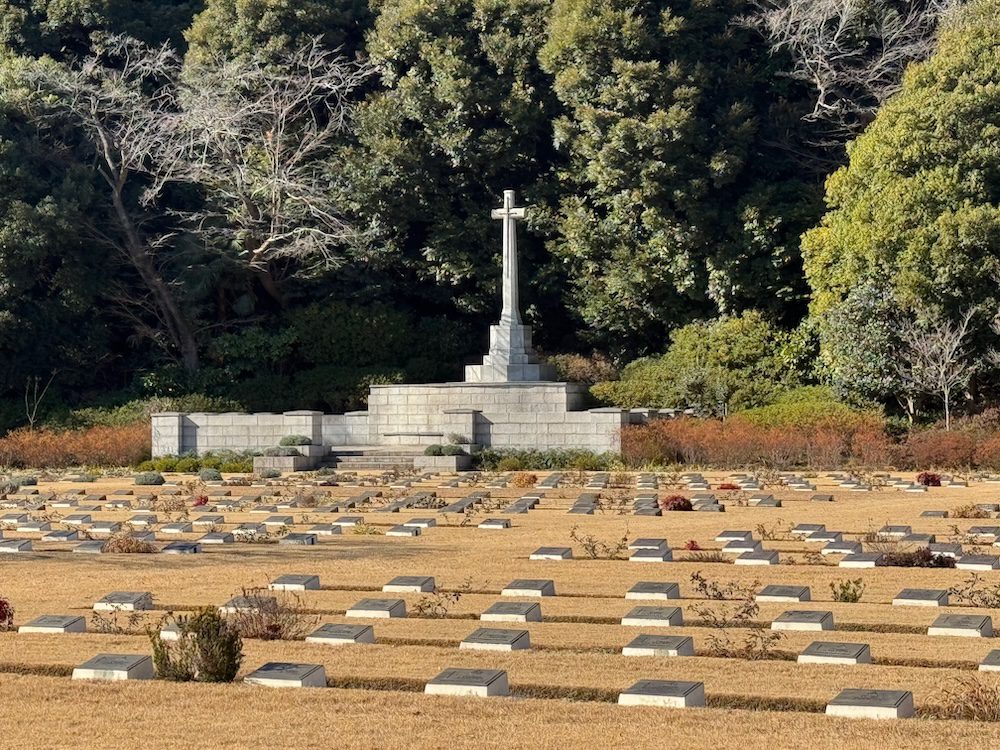
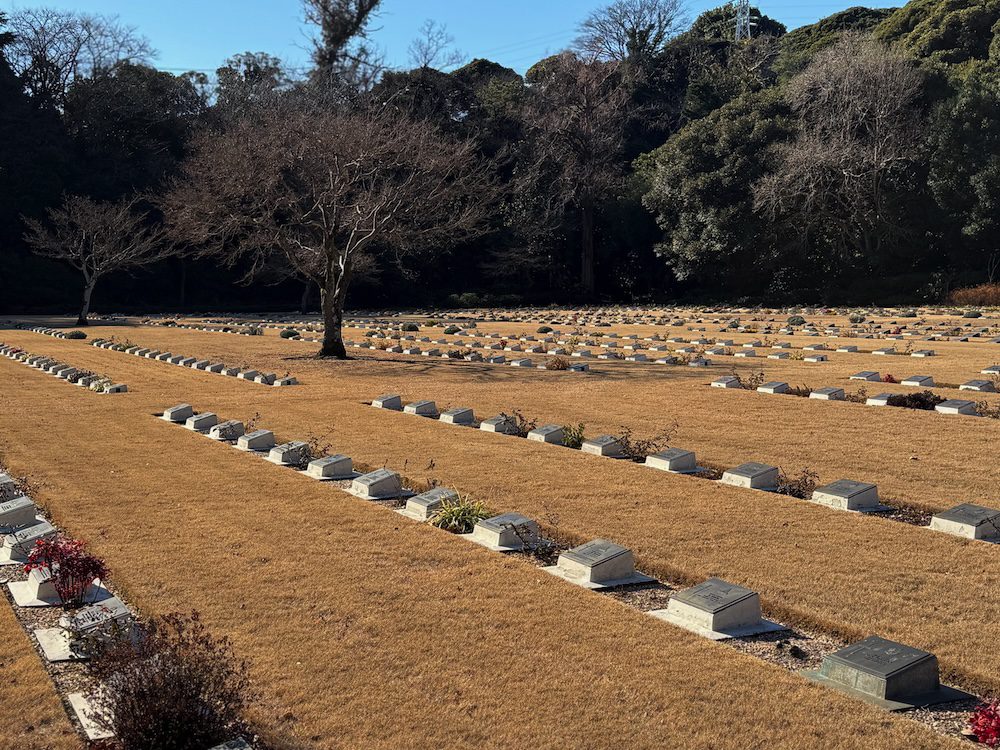
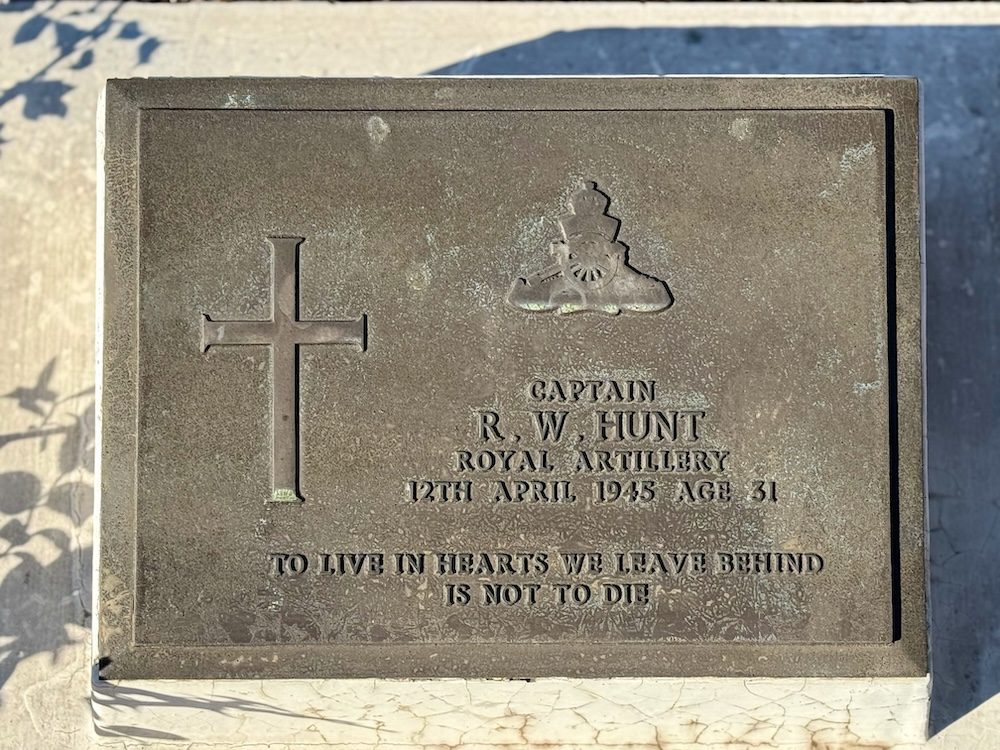
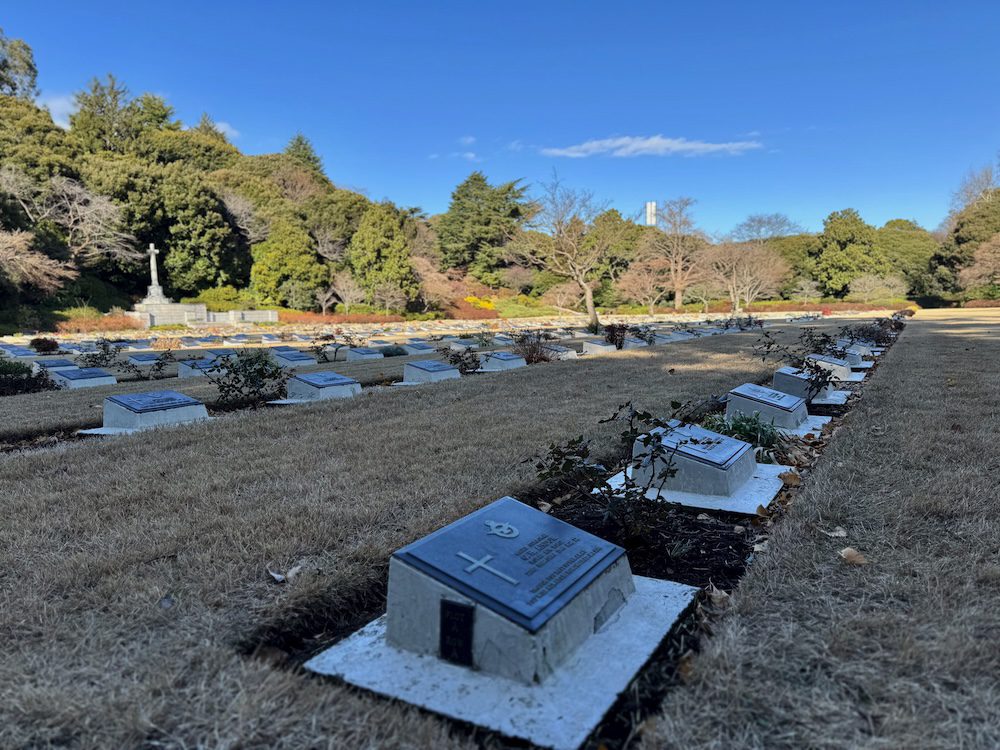
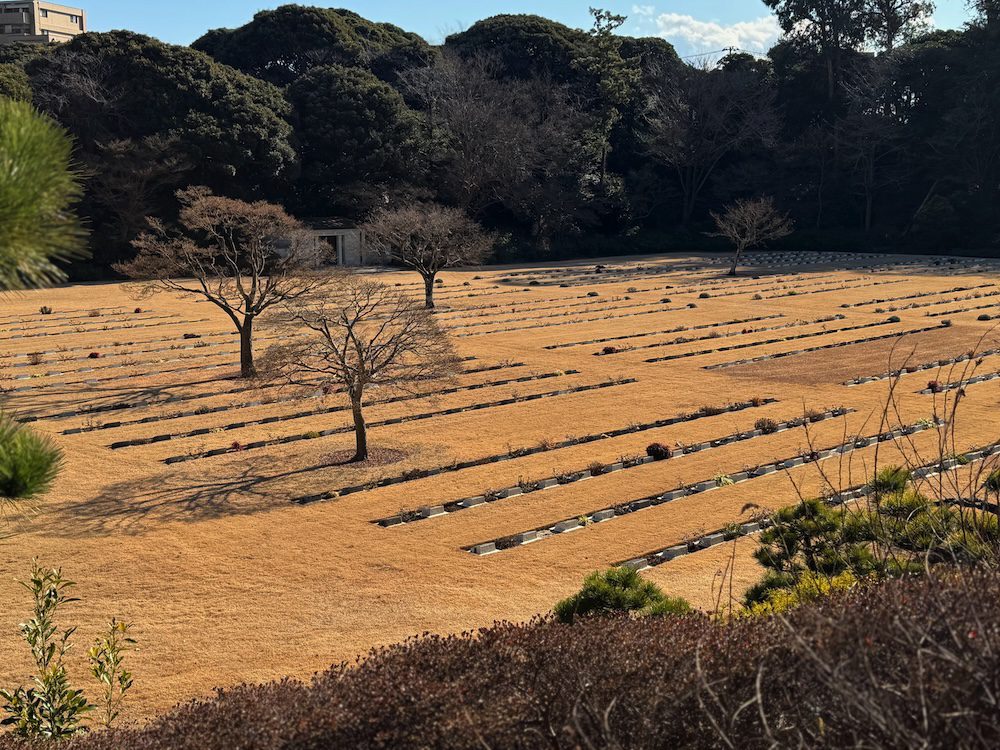
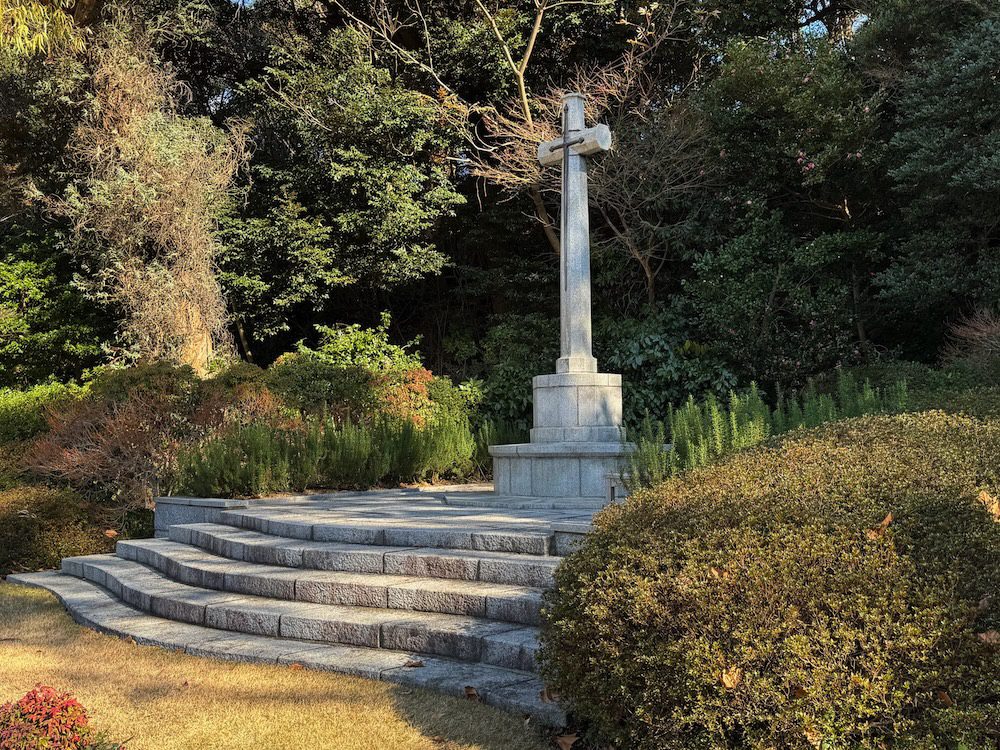
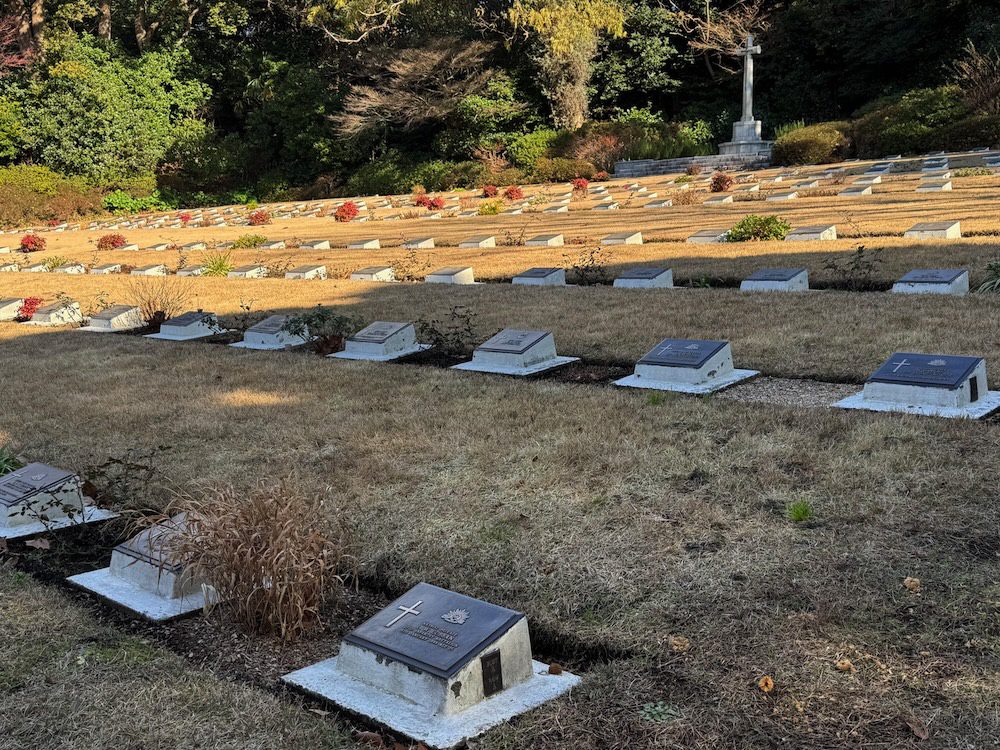
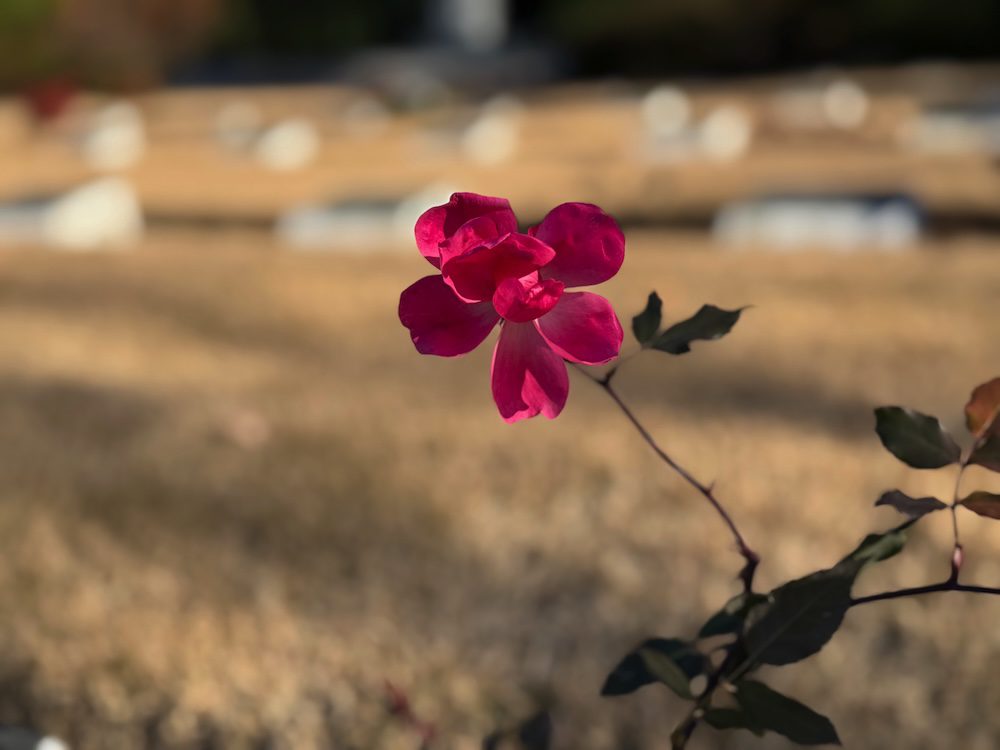
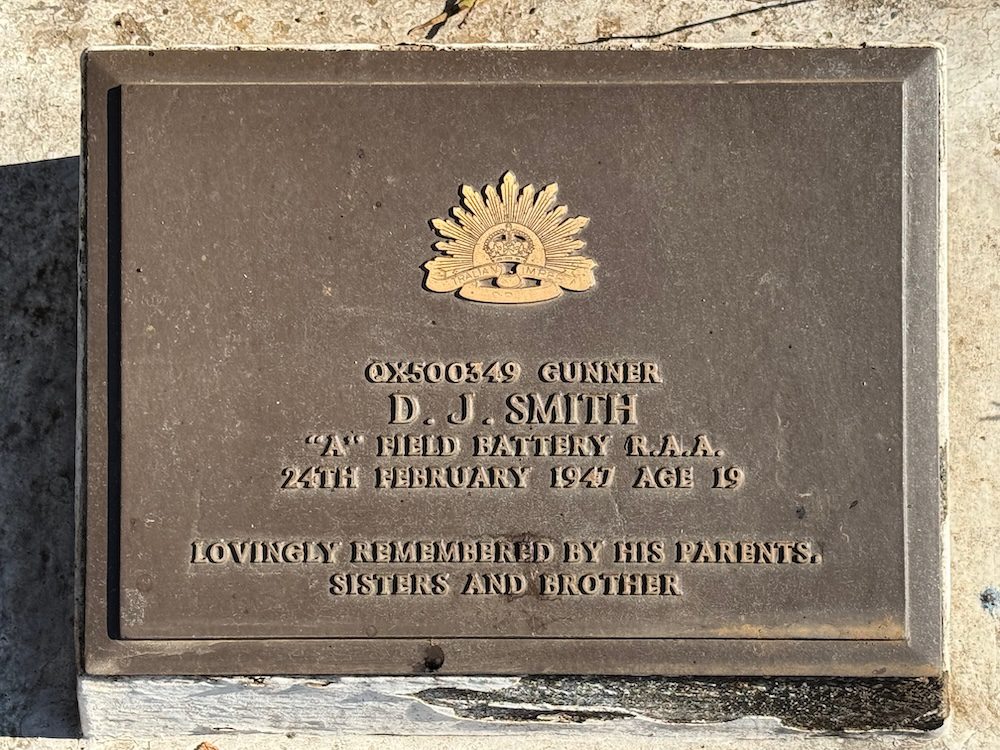
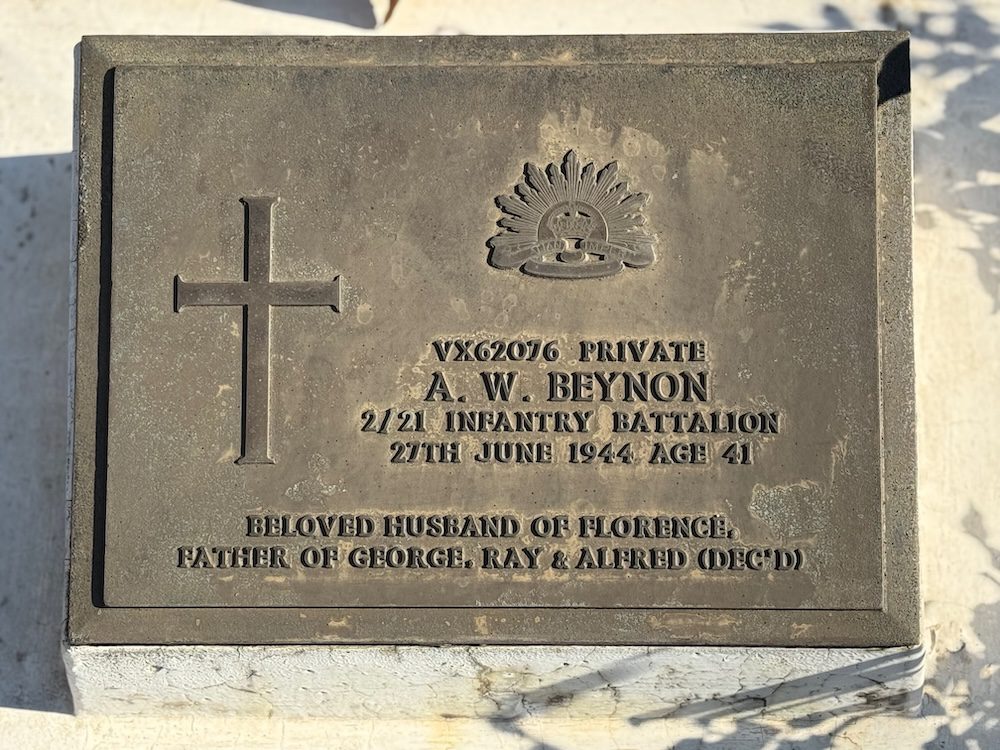
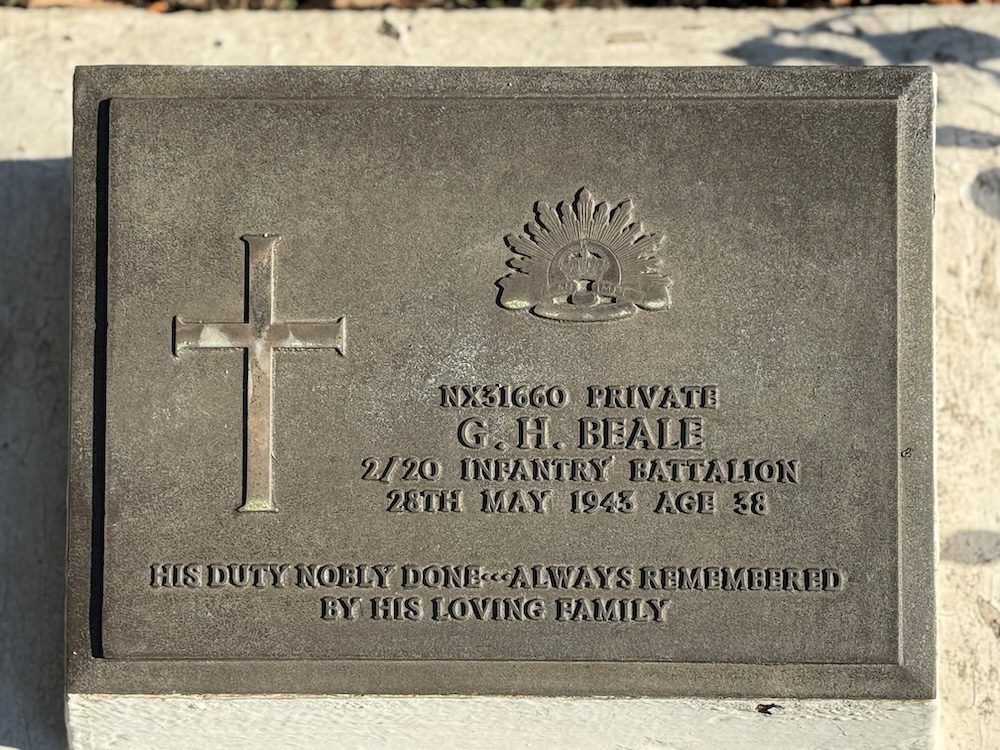
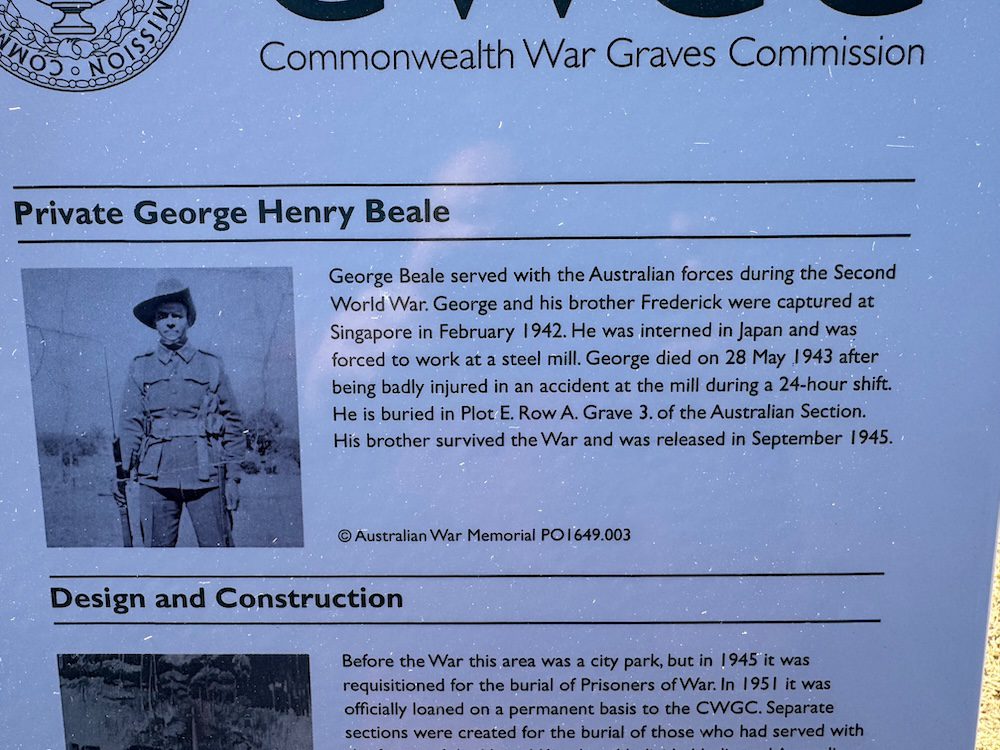
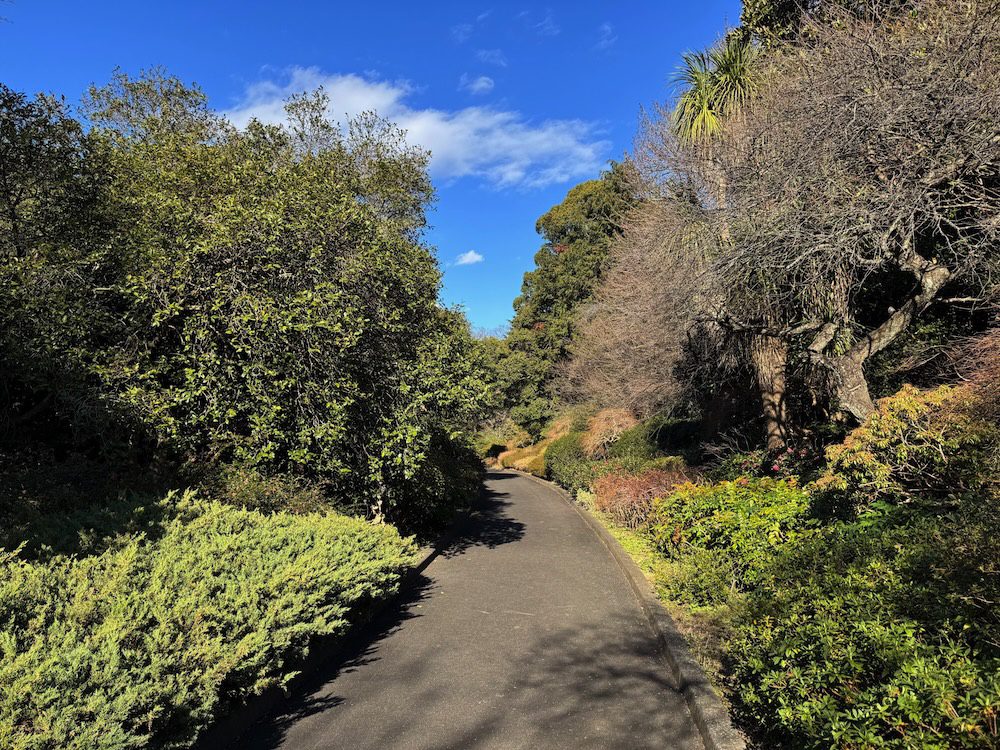
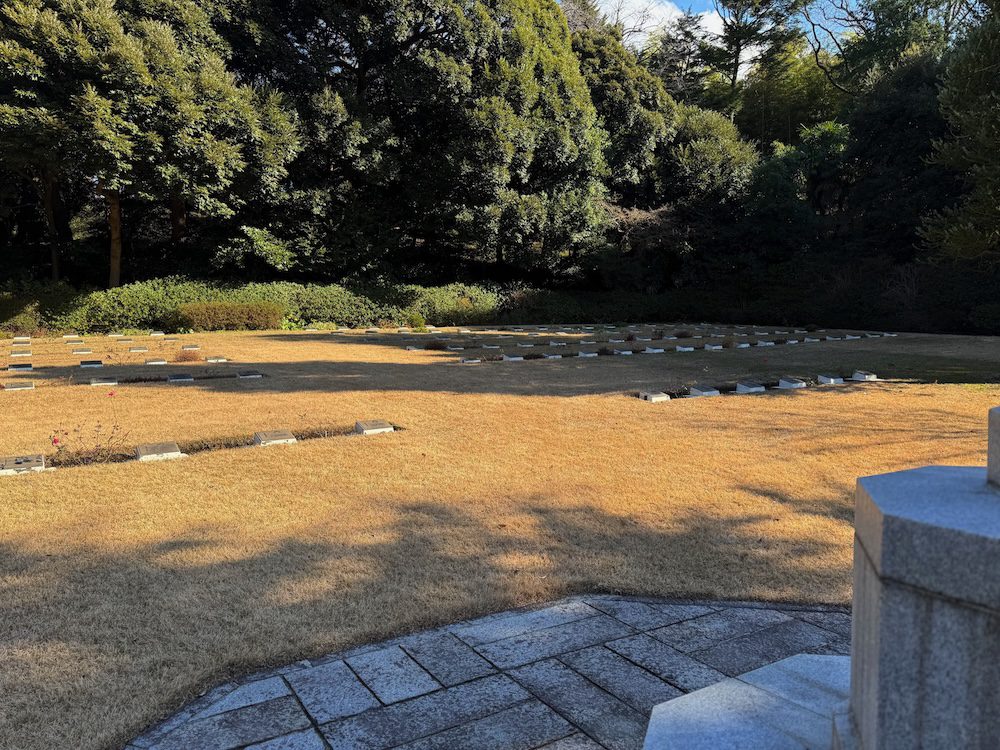
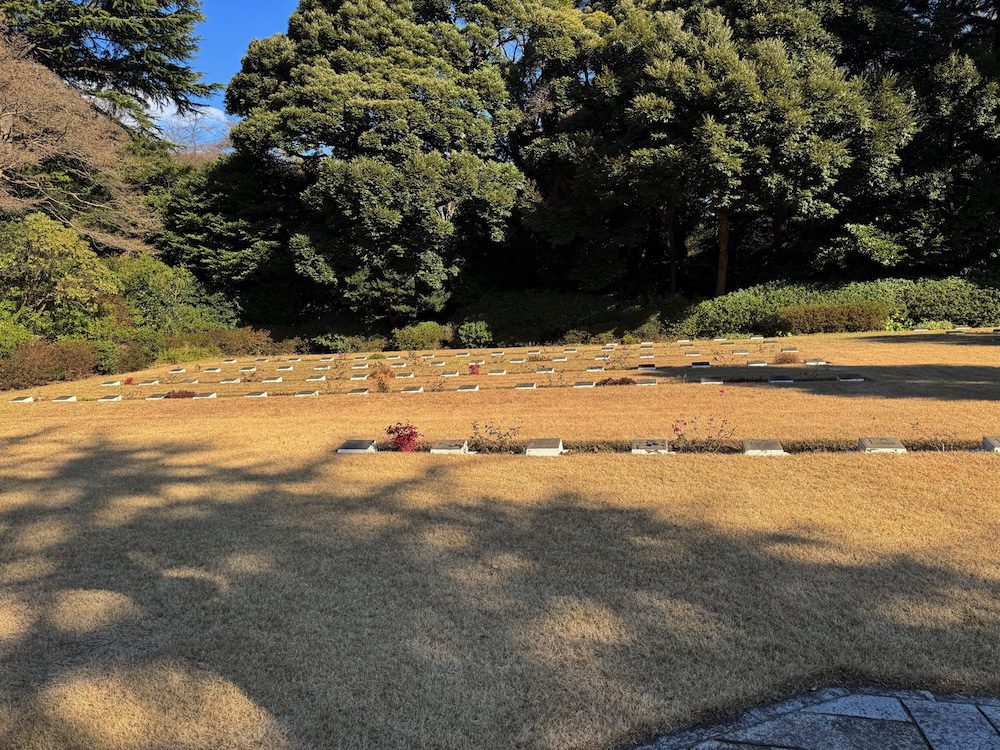
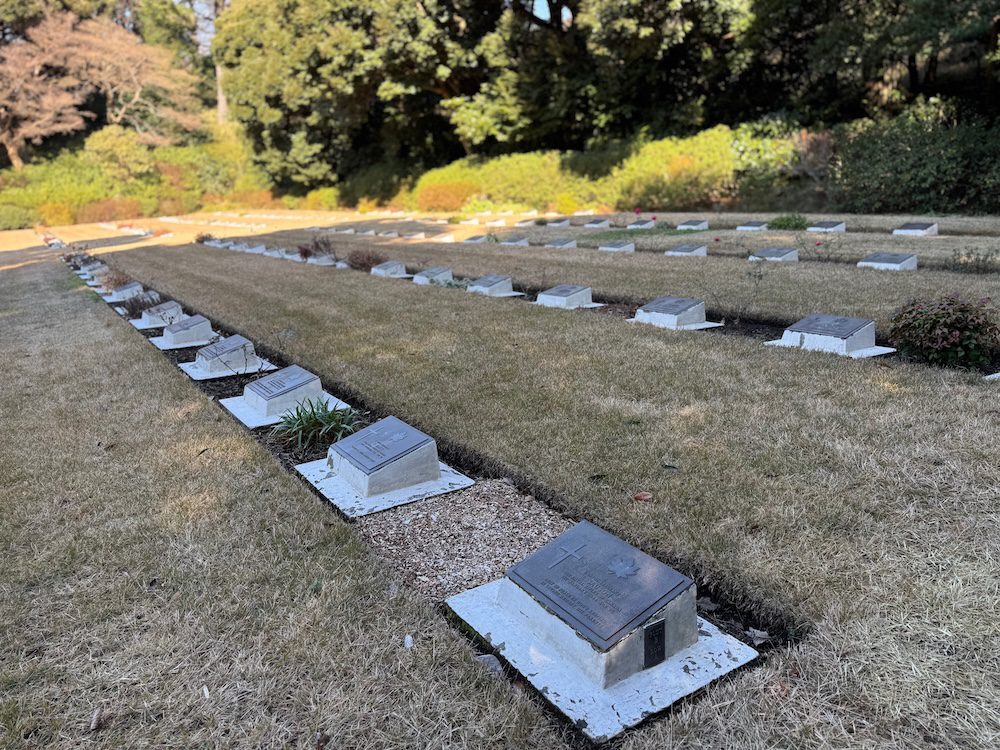
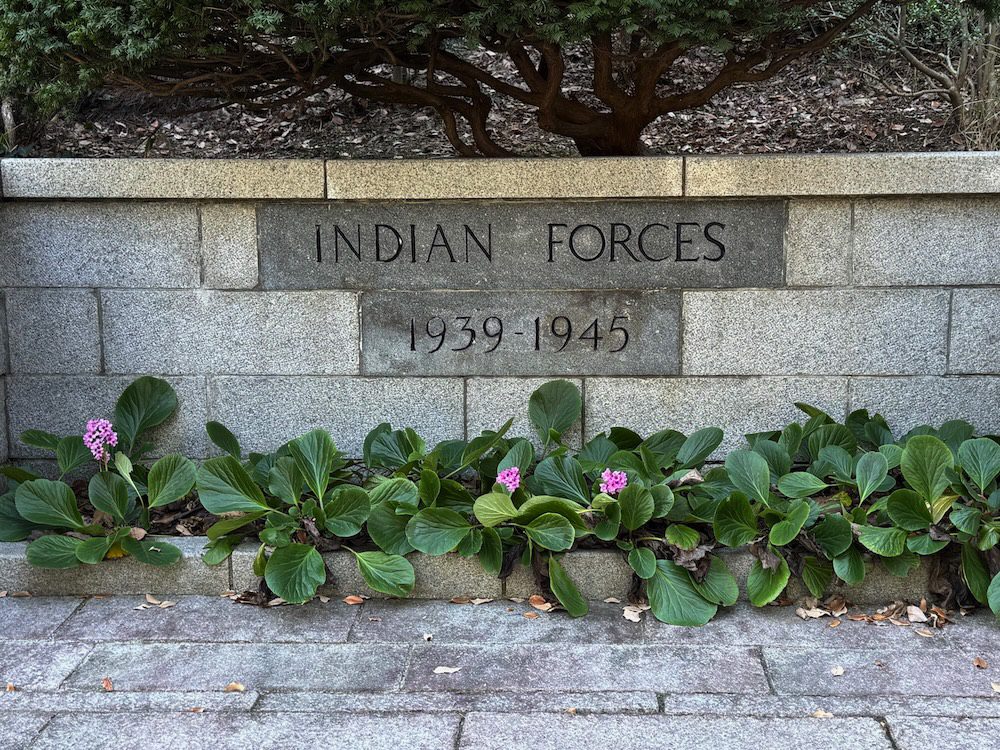
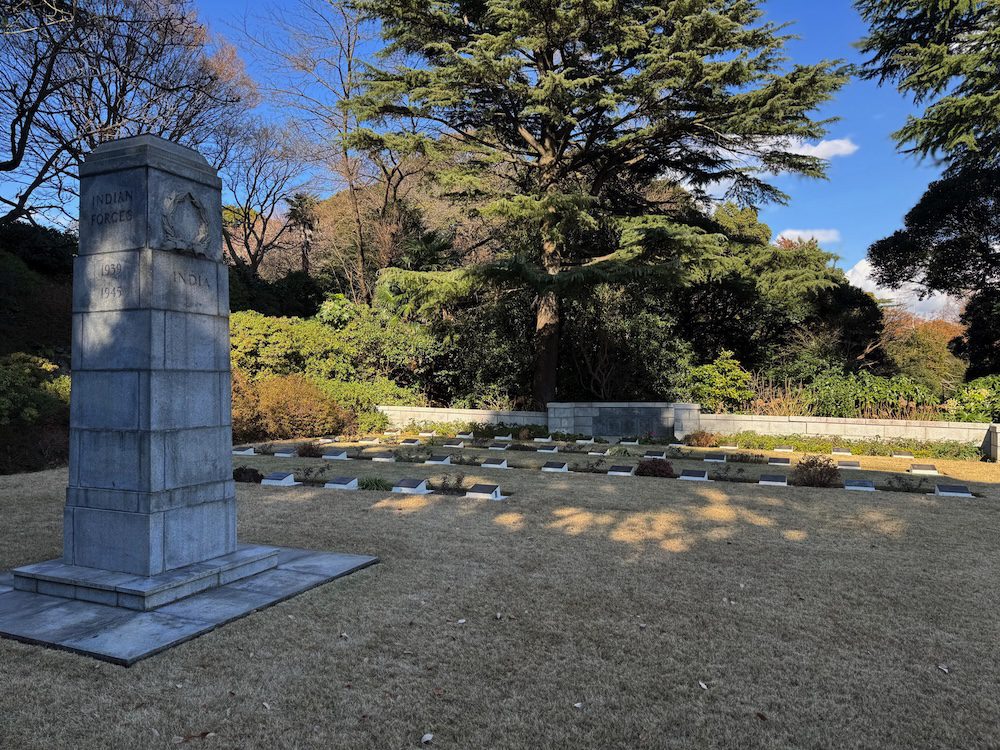
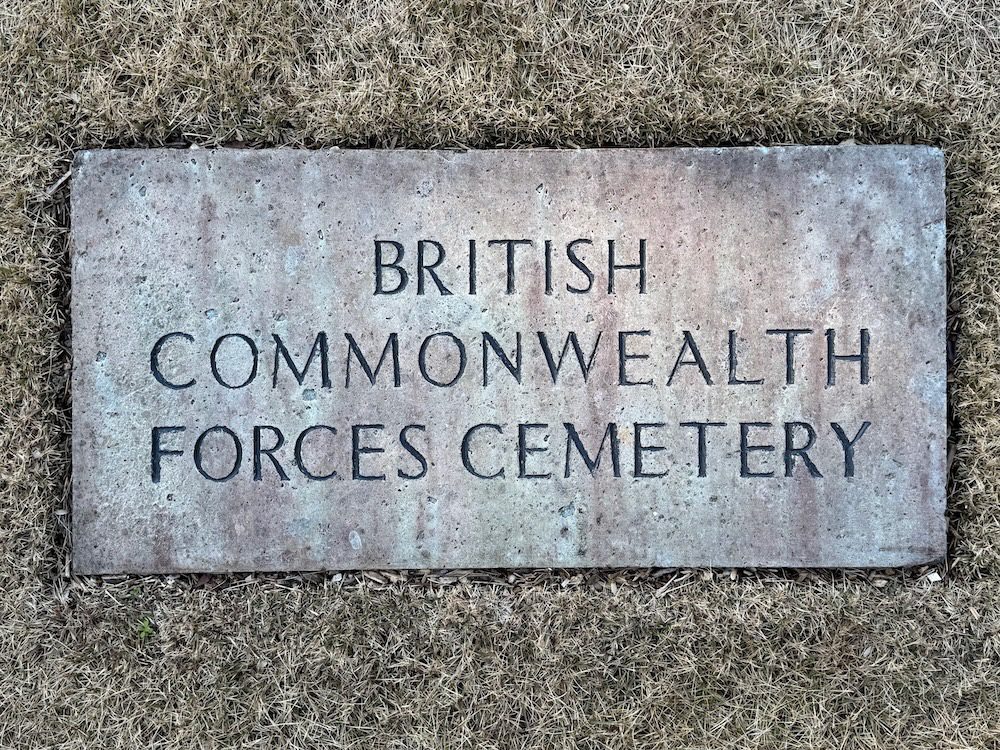
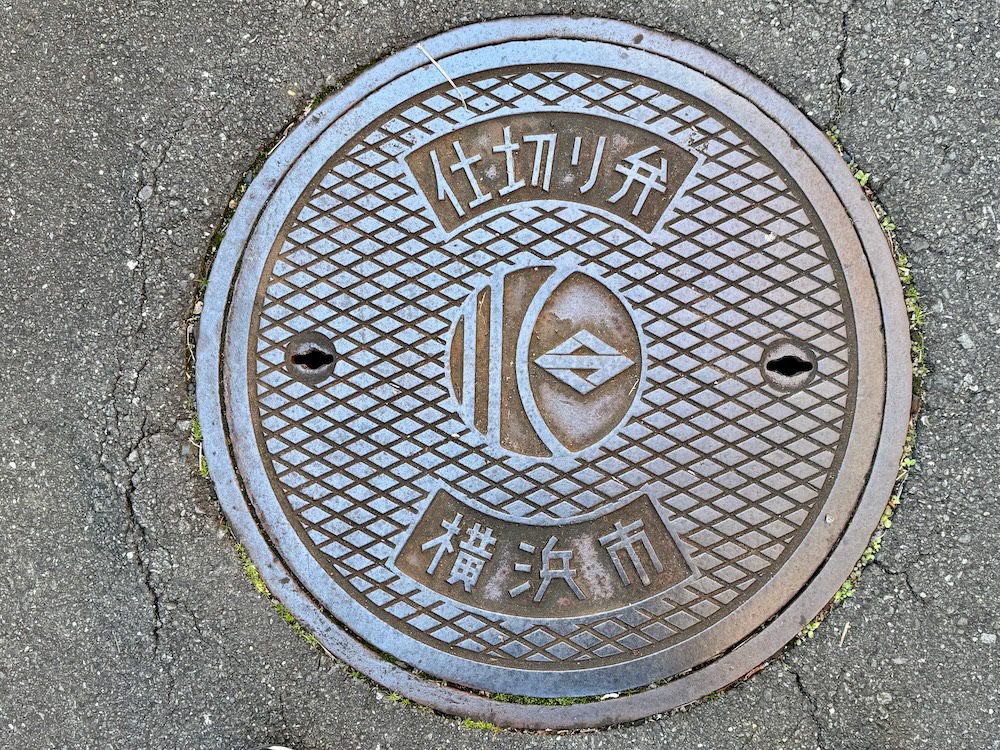
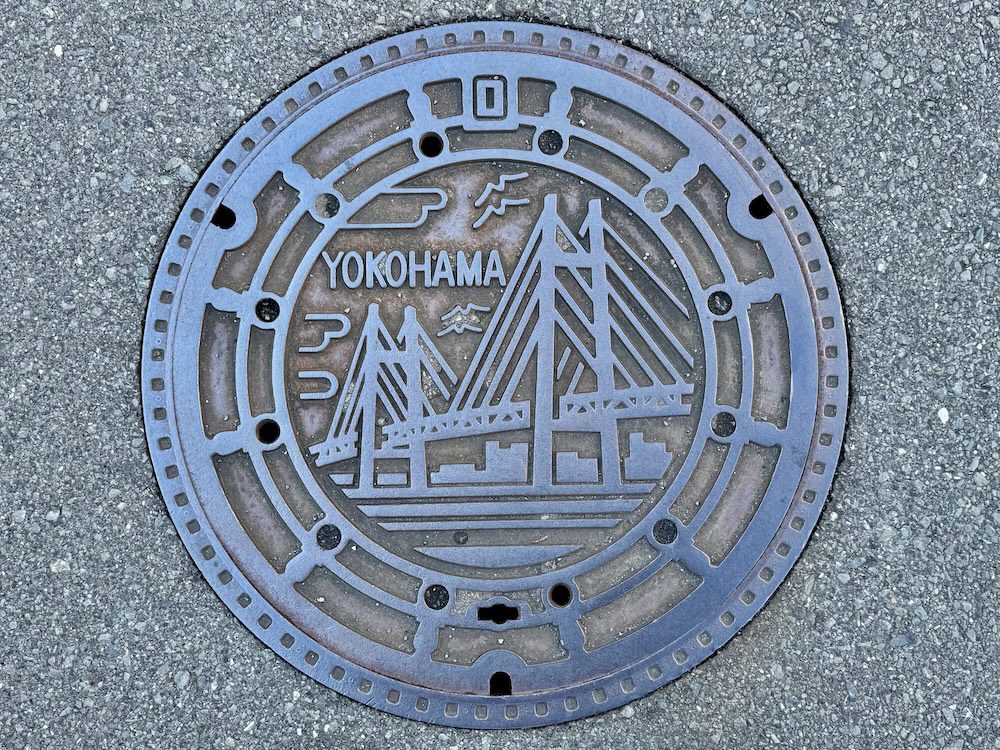
Today I travelled out to Yokohama to the only Commonwealth War Graves Site in Japan. It’s a place I’ve been meaning to visit over the past few trips but was never able to organise it. 1,507 casualties of war are contained within the grounds, most were Prisoners of War who died in captivity in gruelling conditions. Reading the plaques keeps reinforcing the sheer futility which is war, a similar experience to any visit to war grave sites, in any country, for any nationality. The CWGC do a wonderful job right across the world maintaining the cemeteries, this being no exception. As I walked in, an older Japanese couple with their grandchildren were walking out of the site. A small bow was all that was needed to show the shared respect that we had for each other.
The forecast for the rest of the day was looking a little gloomy. I didn’t really have a lot of time to have a walk around Yokohama this time so I headed back. The rain kicked in around 5pm and we also coped a brief bit of snow. Anyway, that’s it from me for the day …
Tokyo
Day 9 - Tokyo
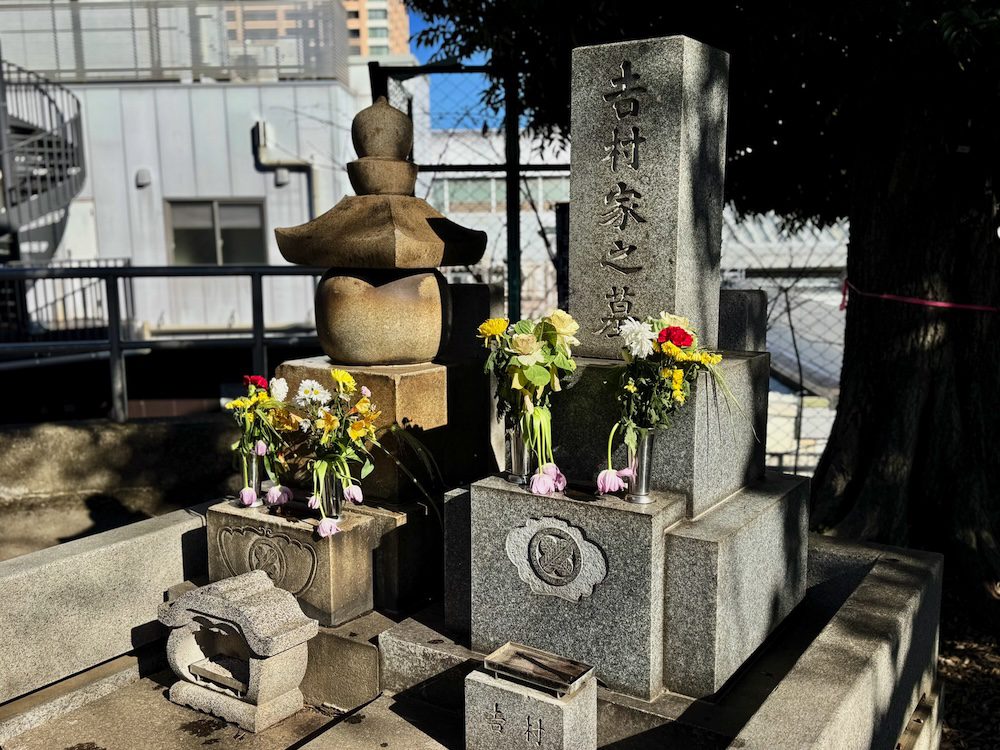
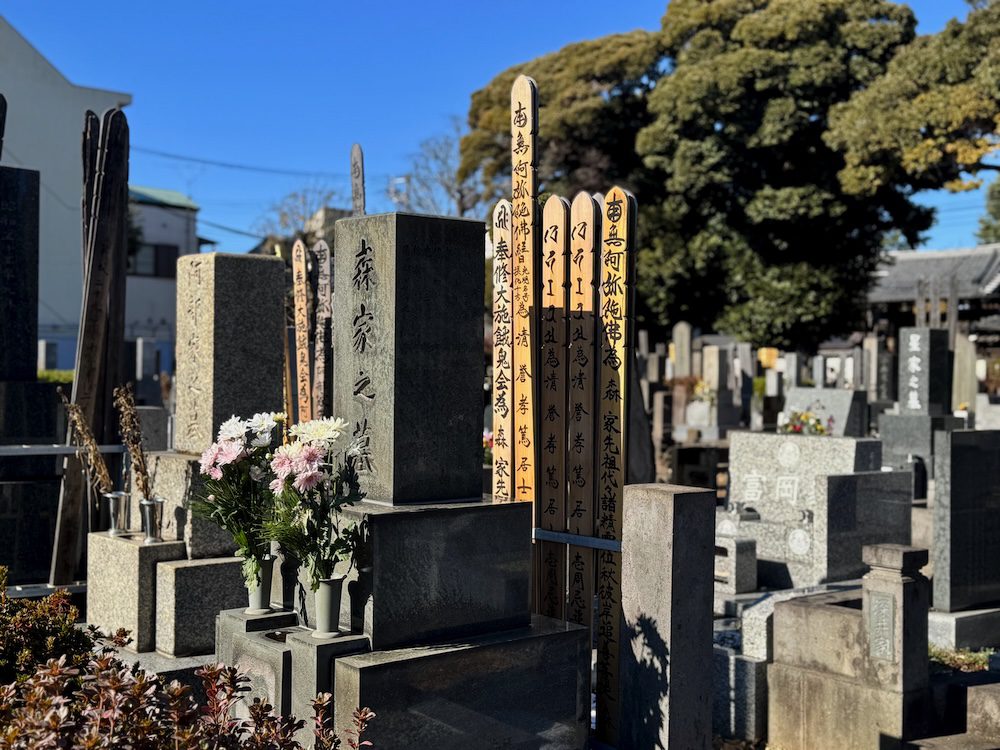
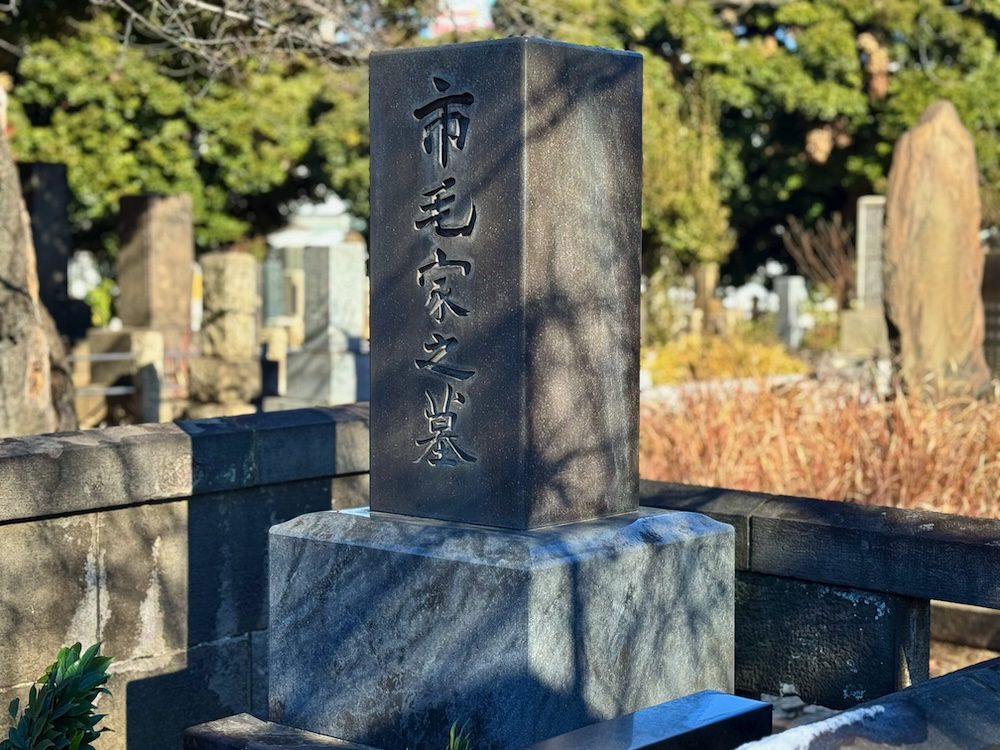
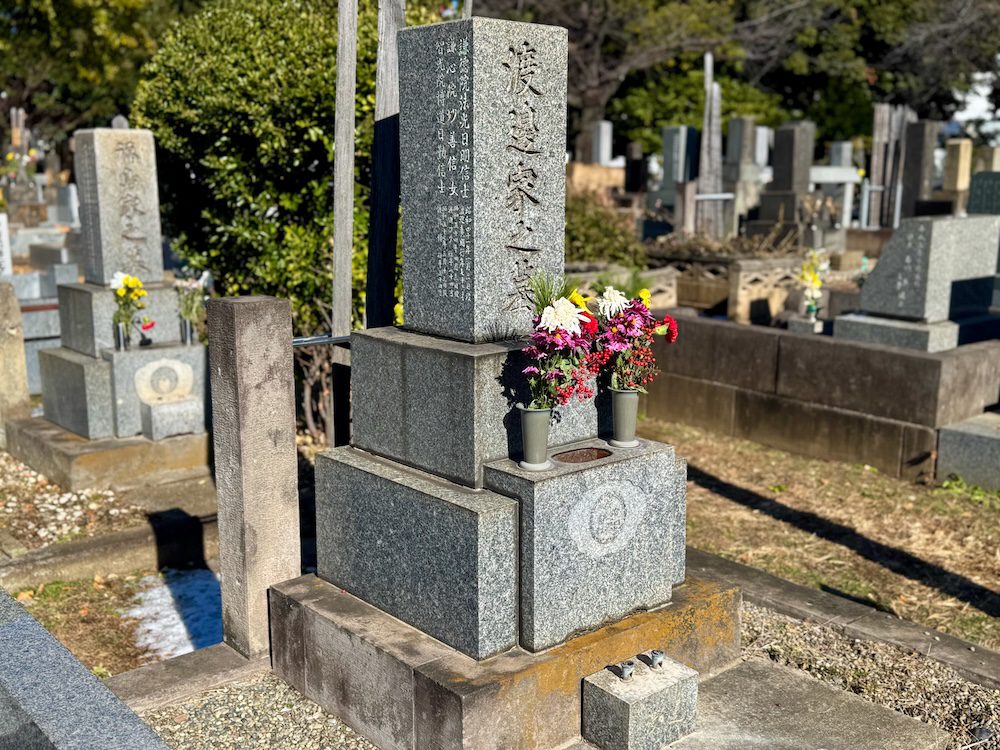
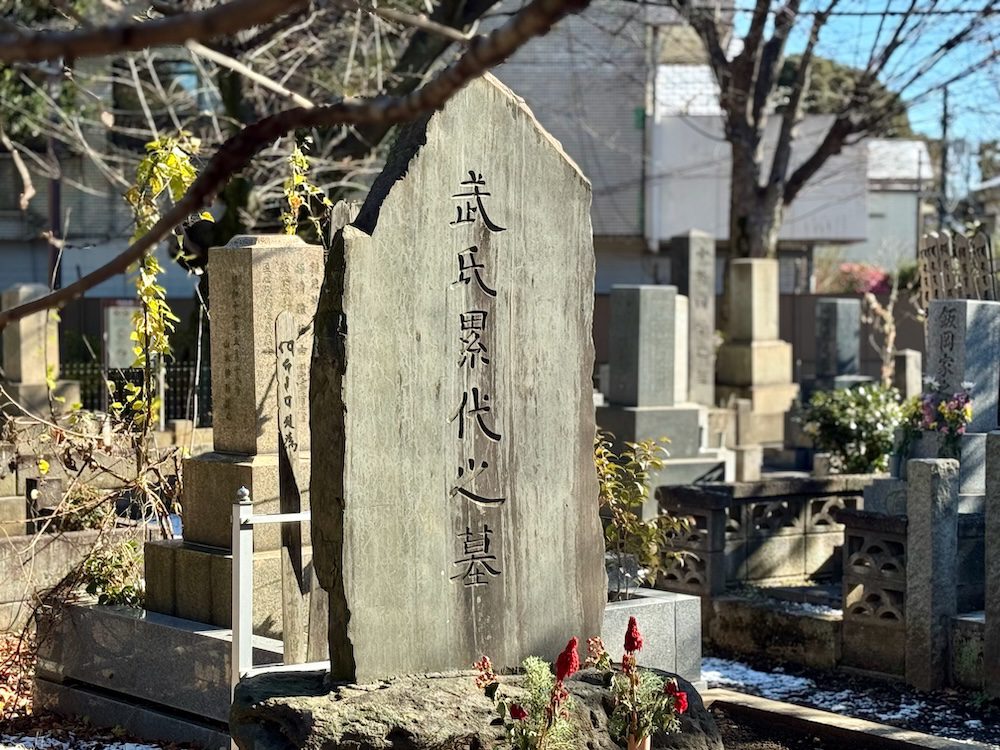
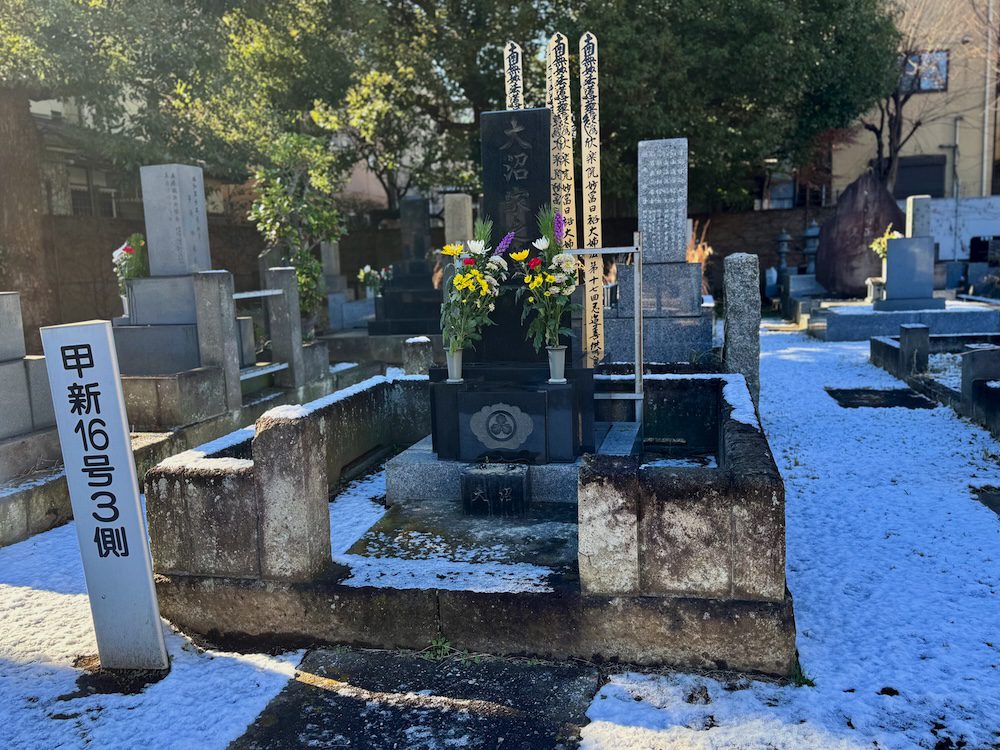
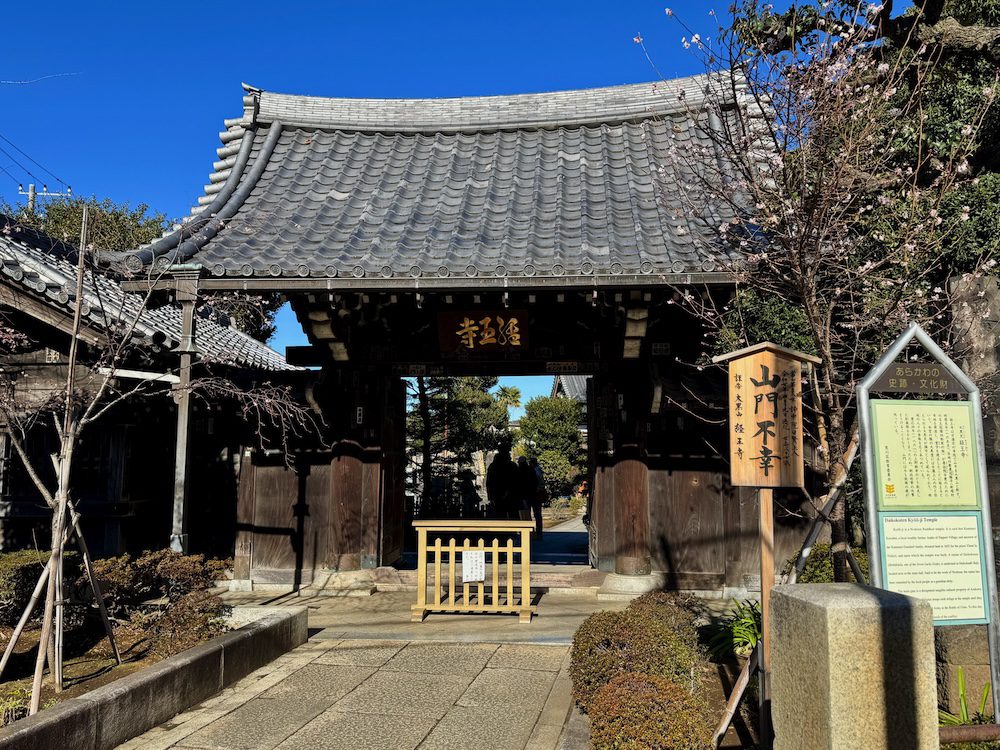
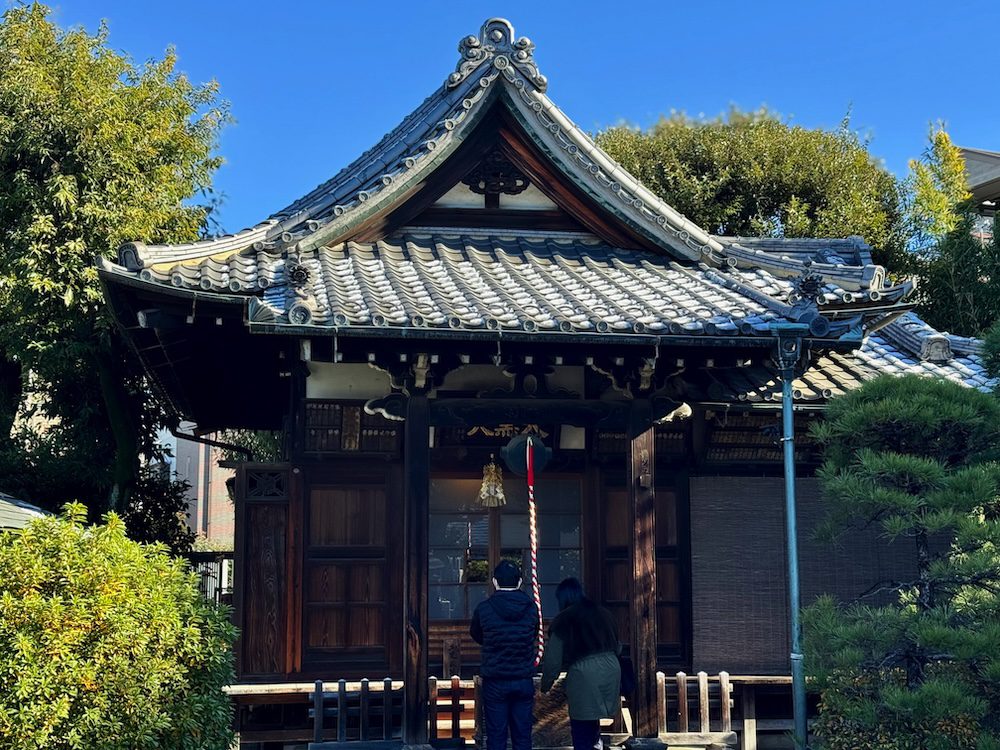
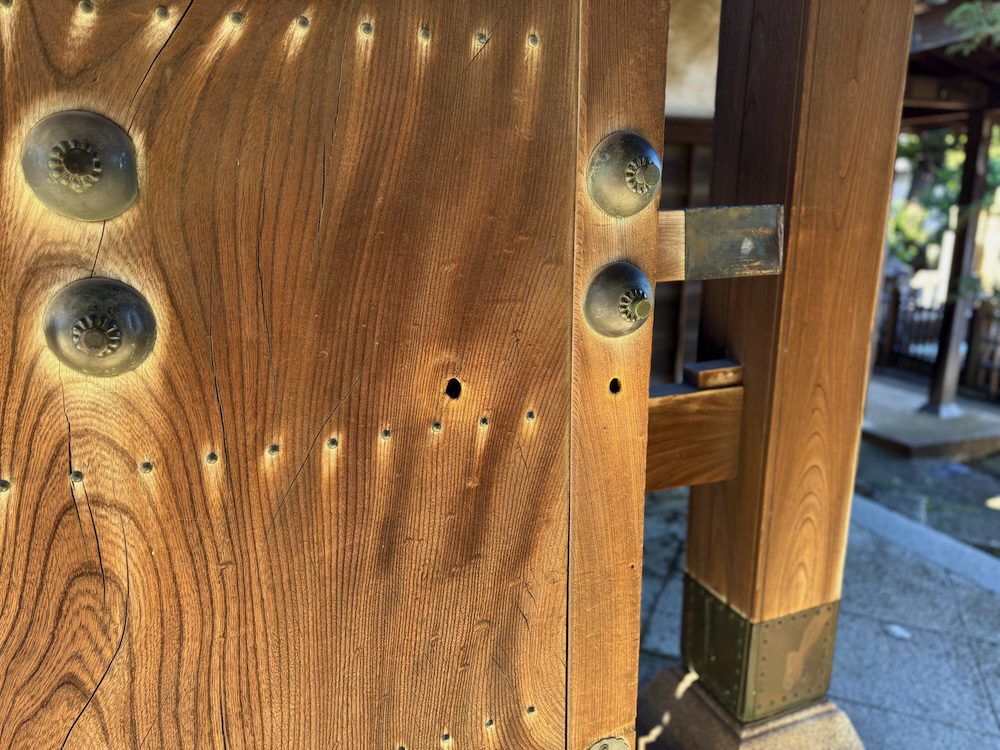
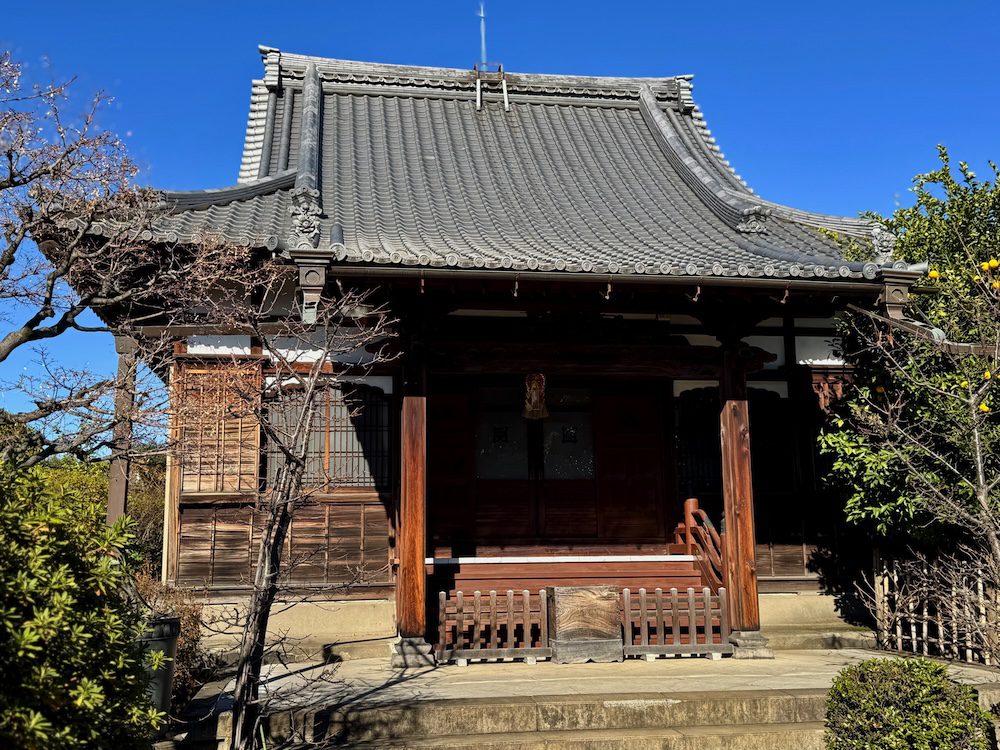
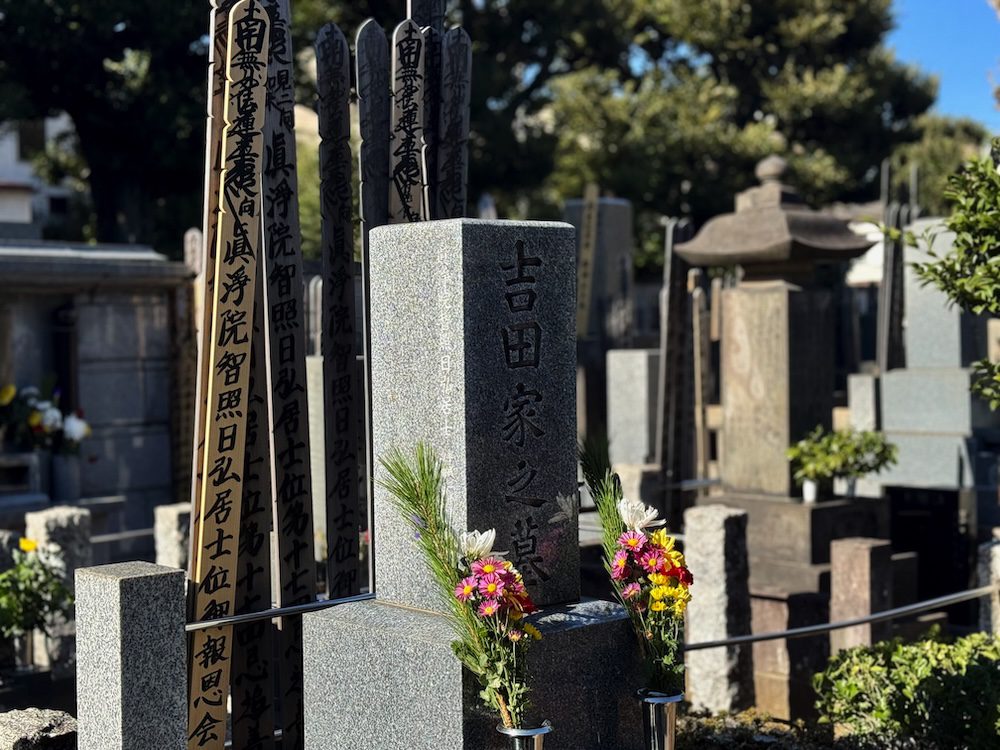
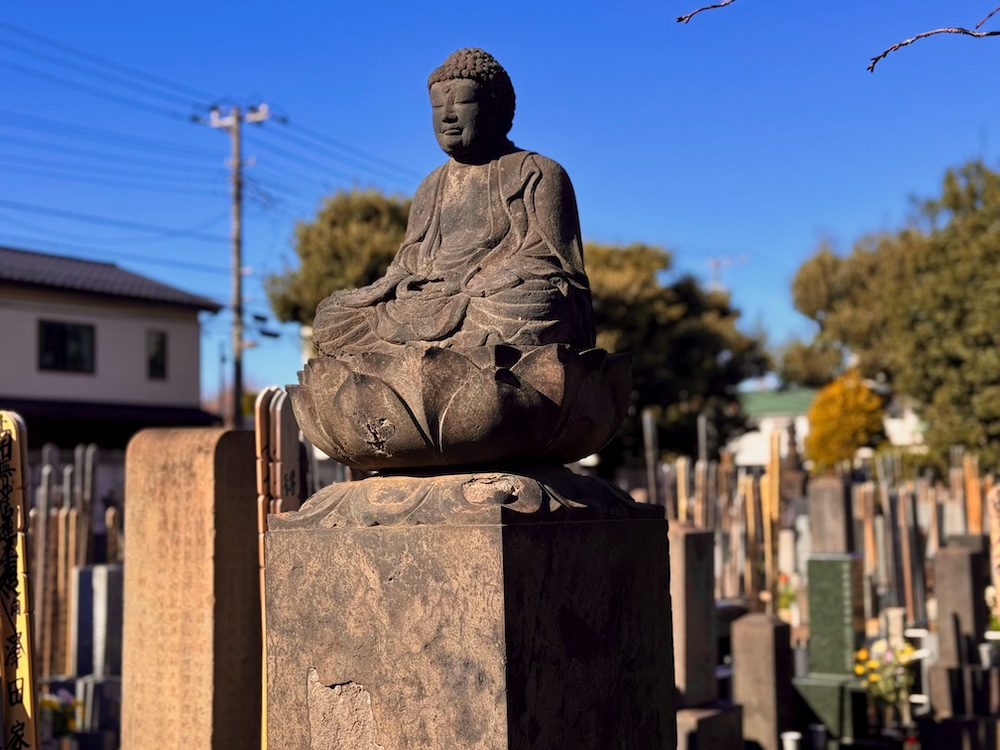
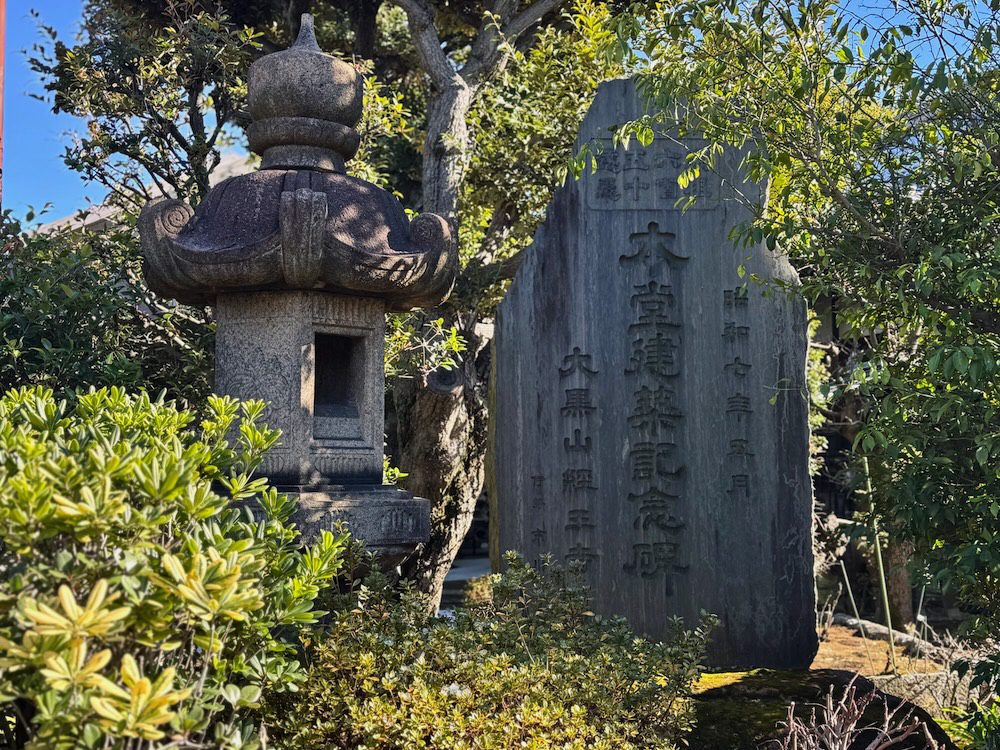
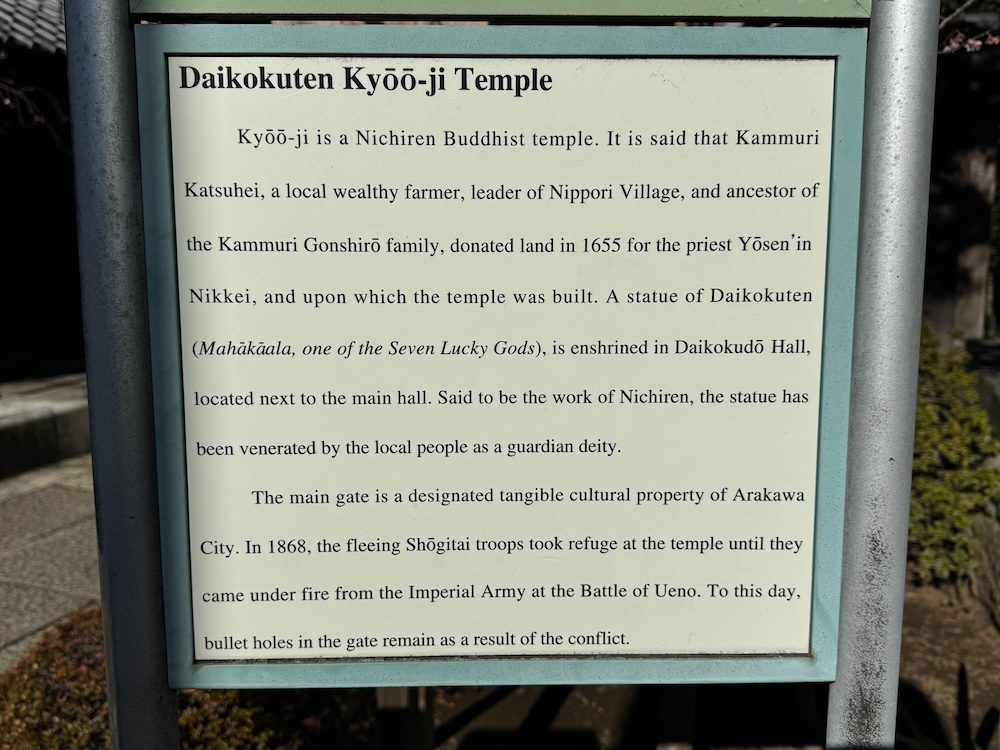
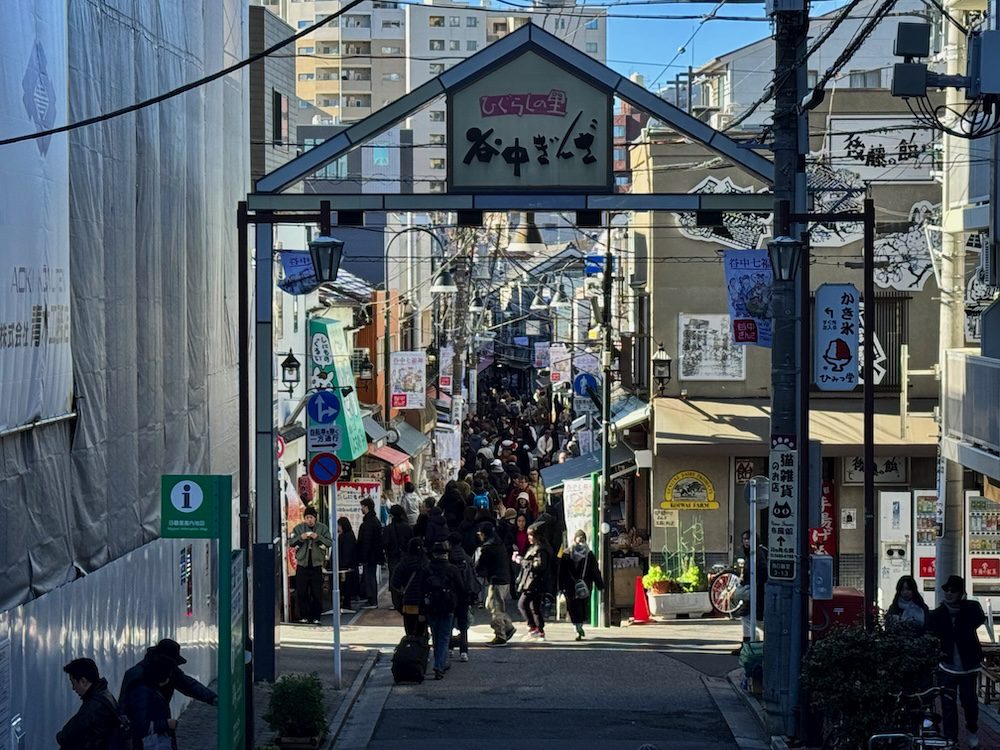
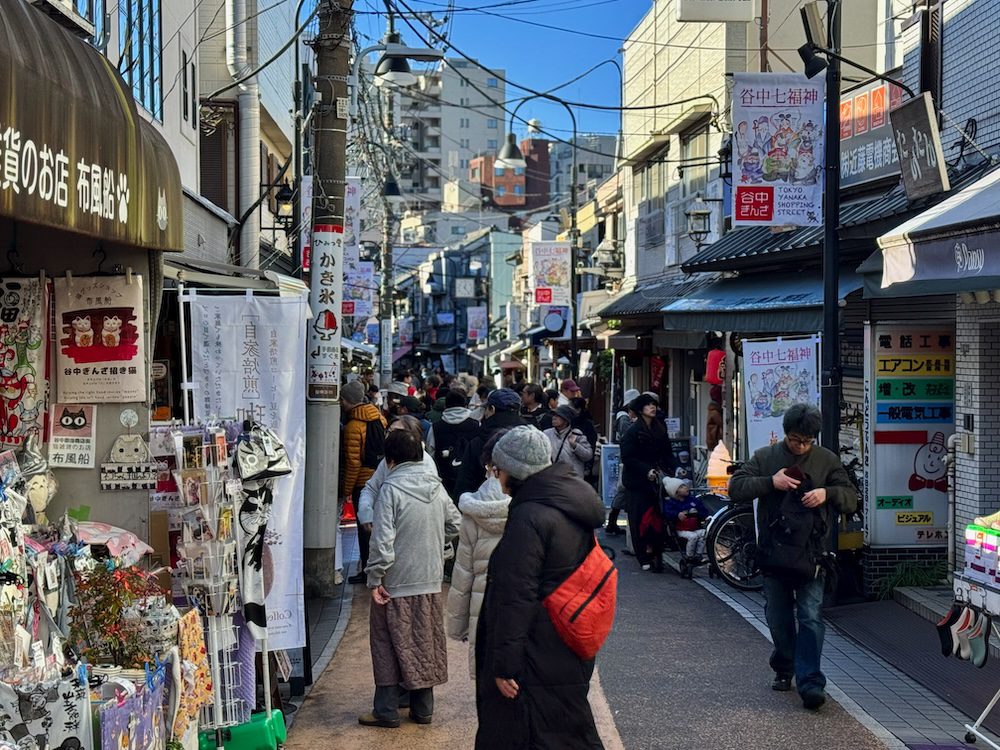
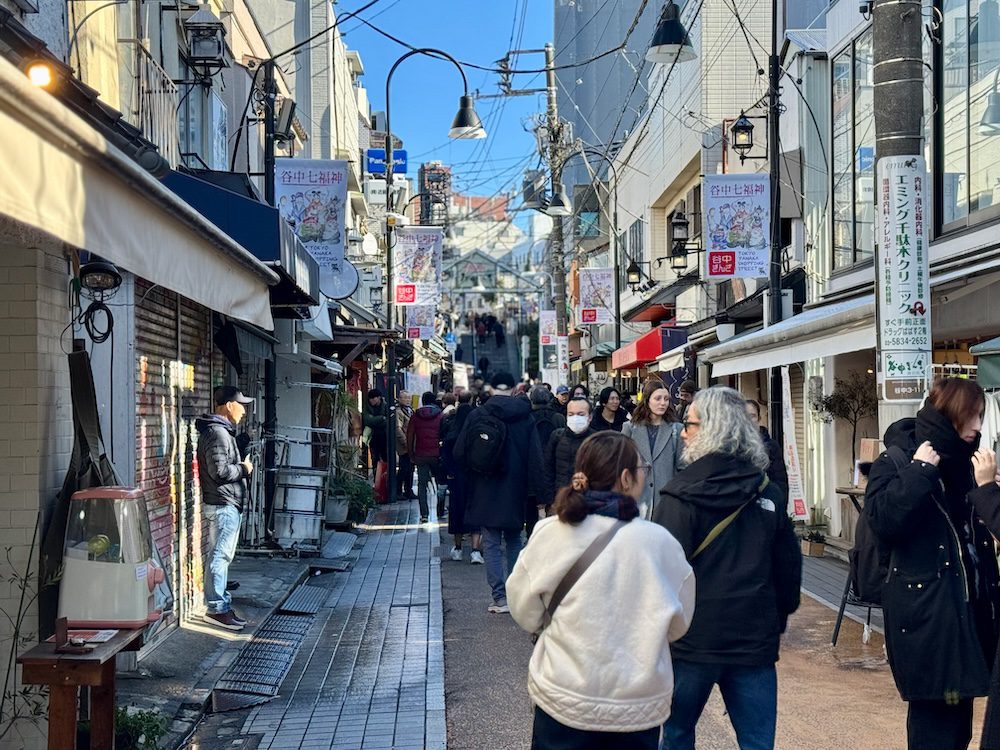
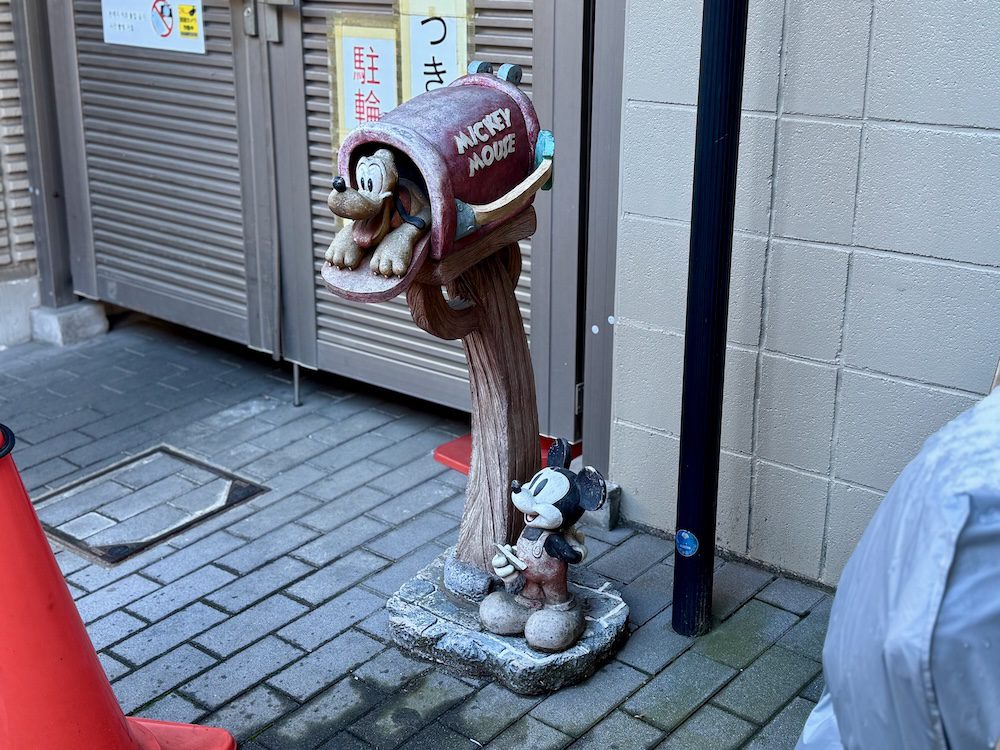
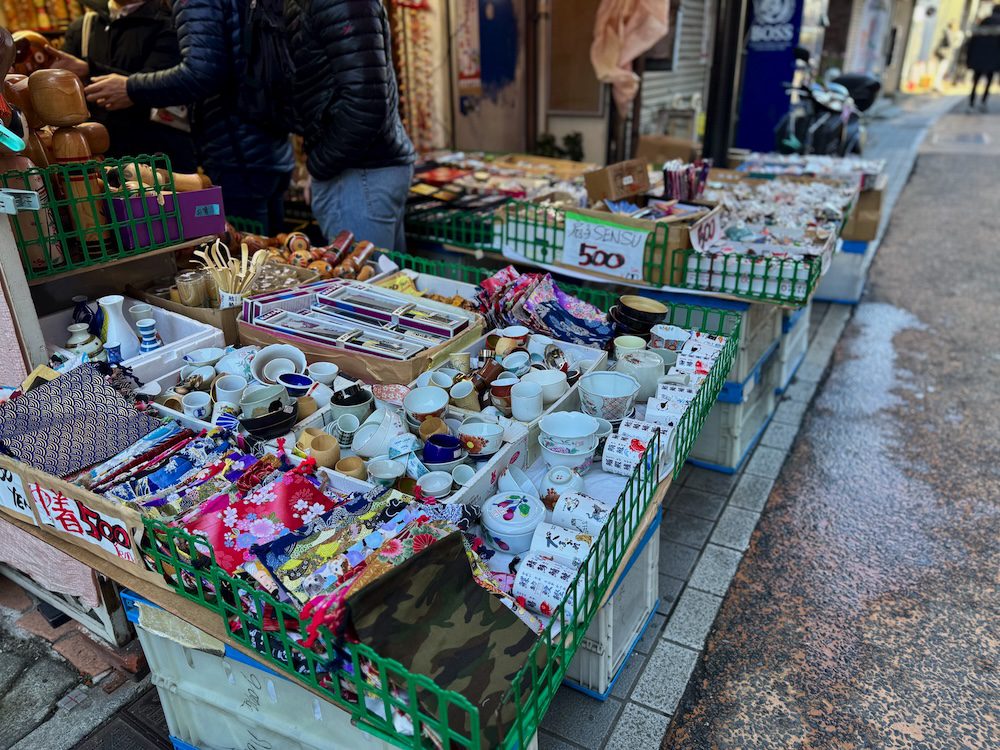
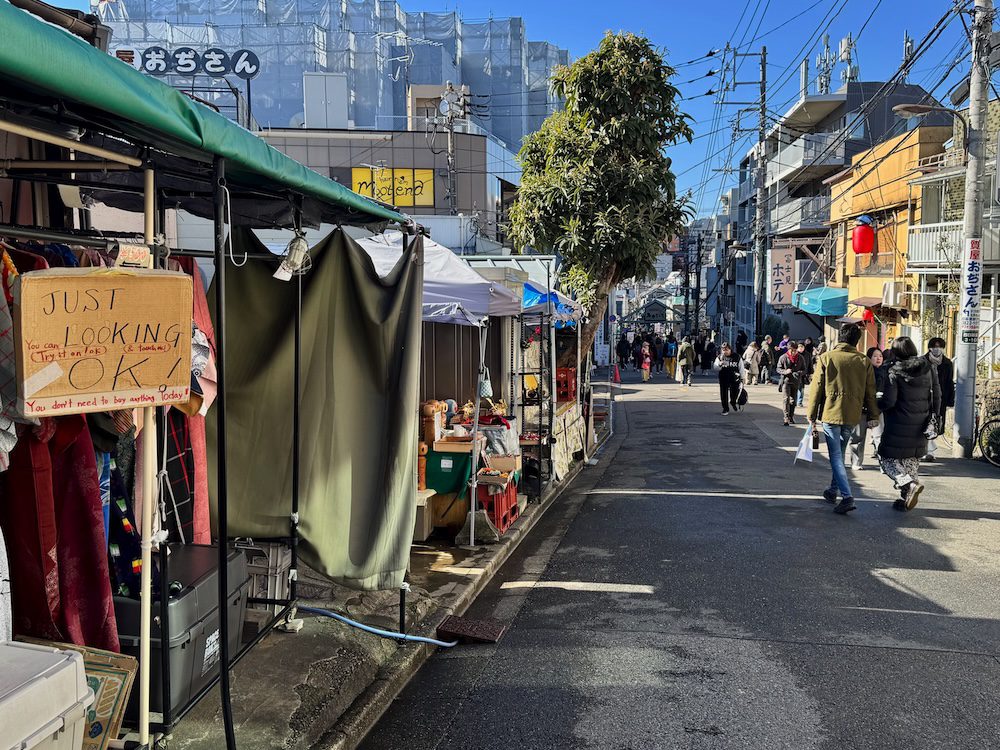
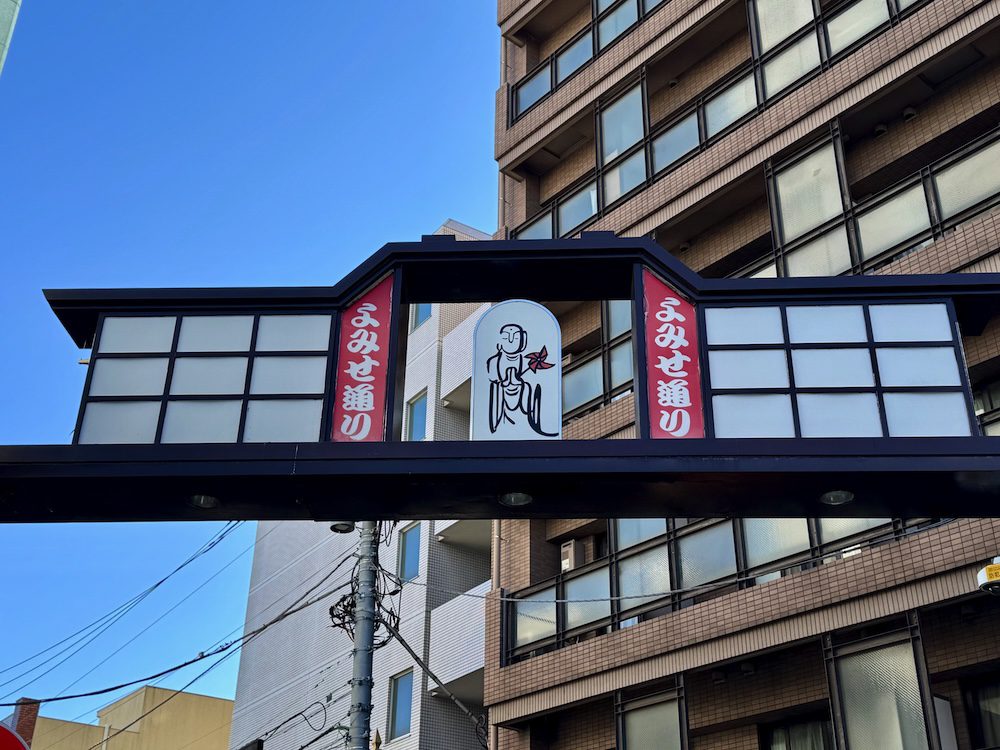
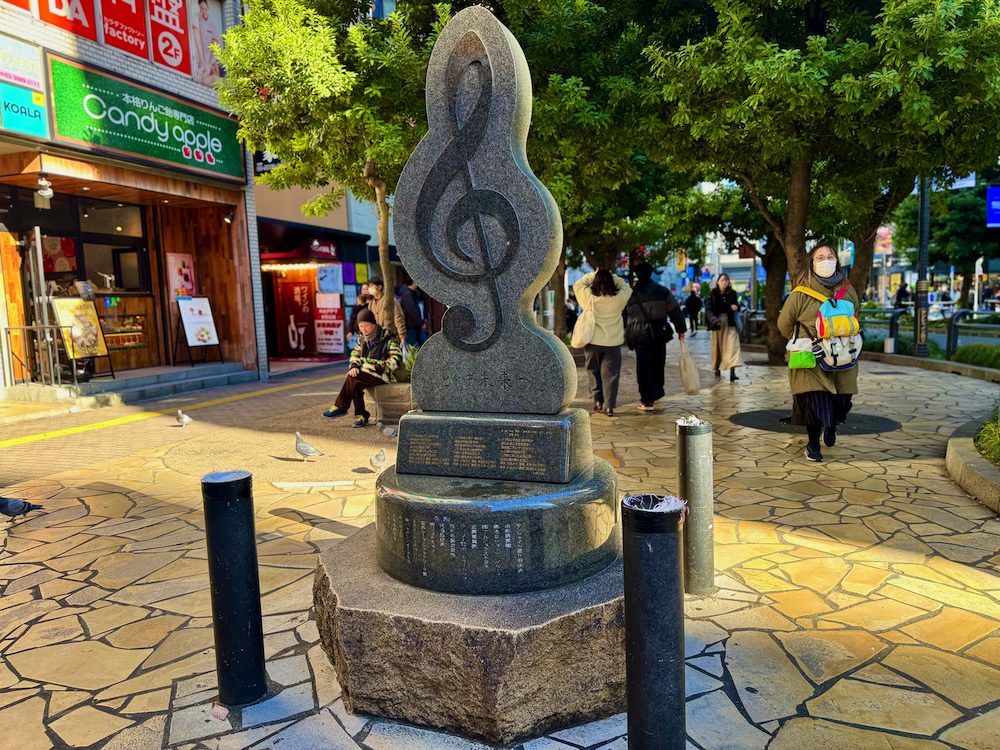
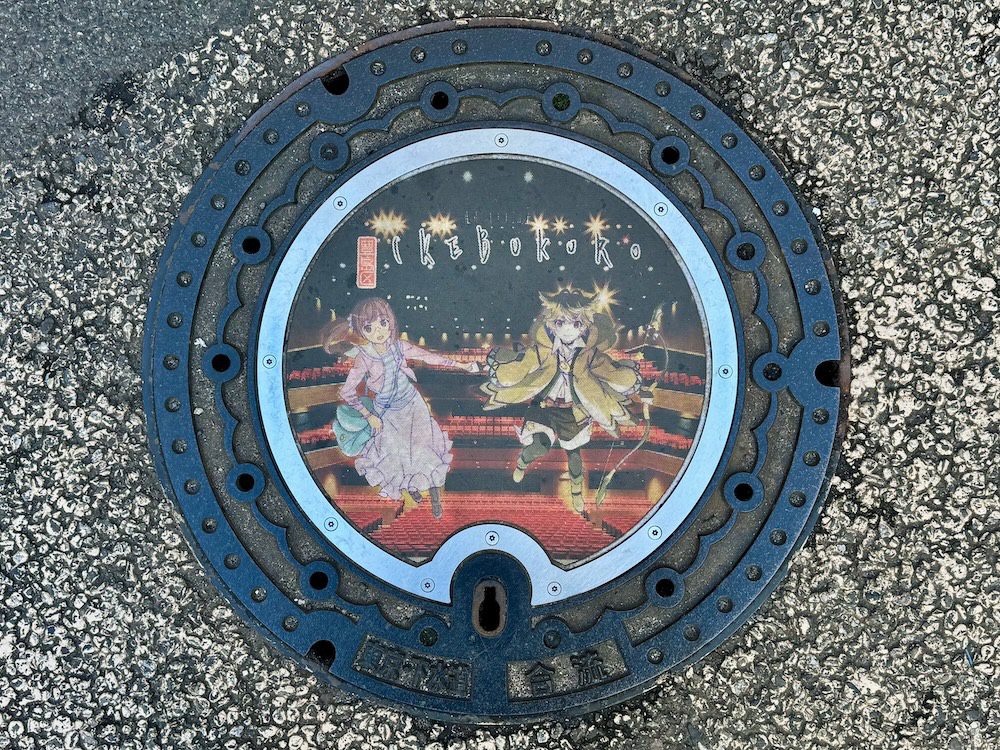
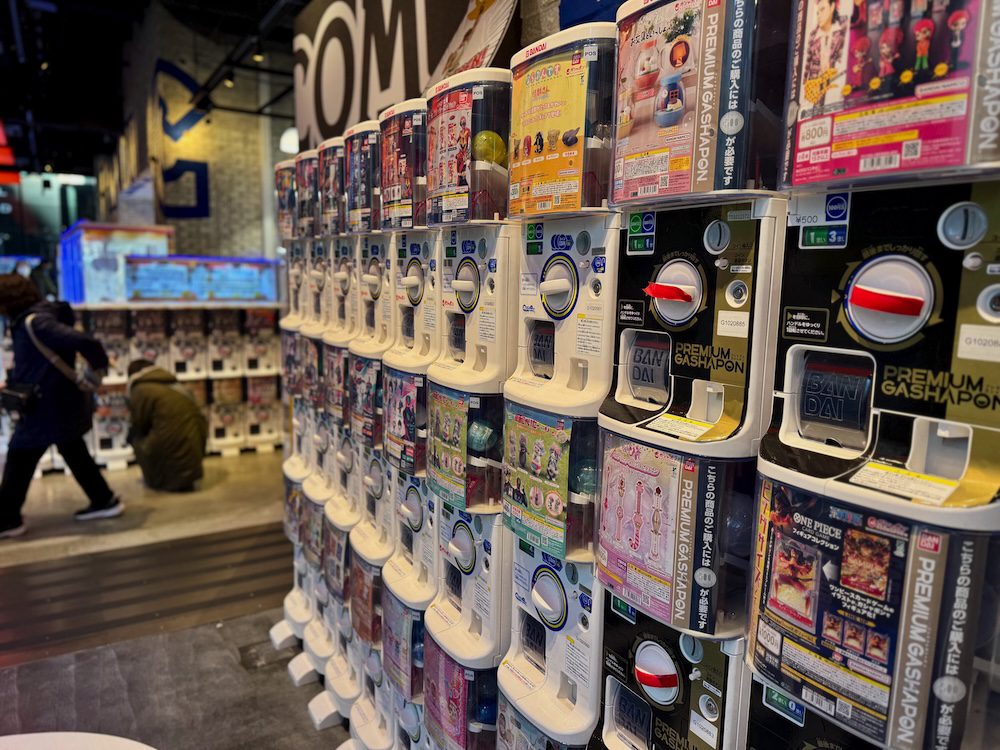
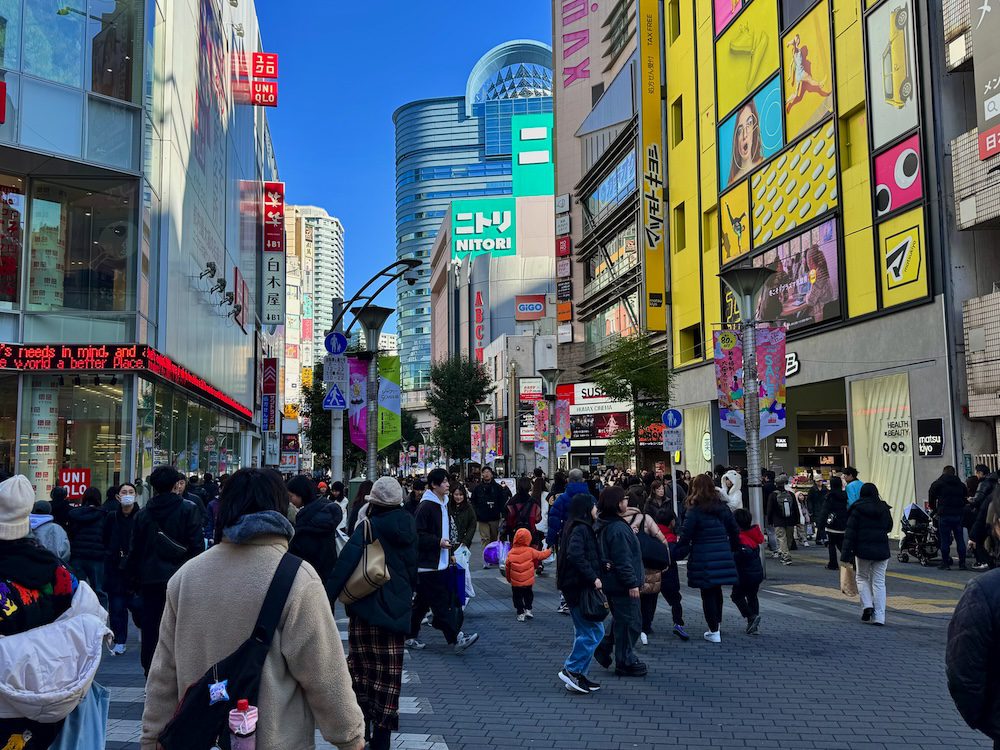
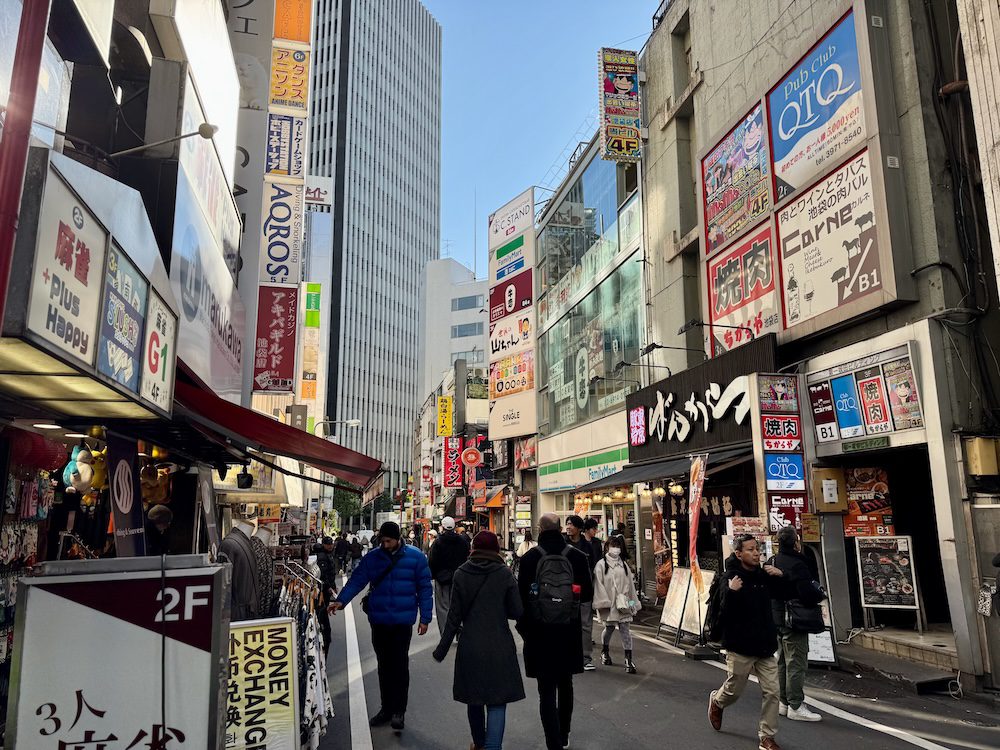
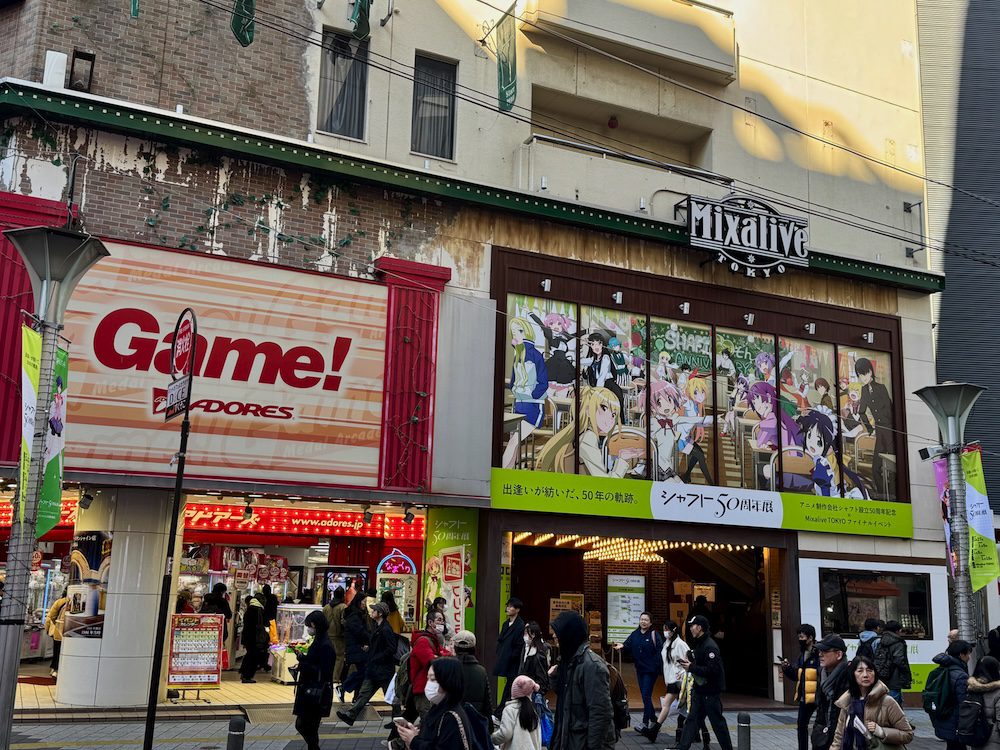
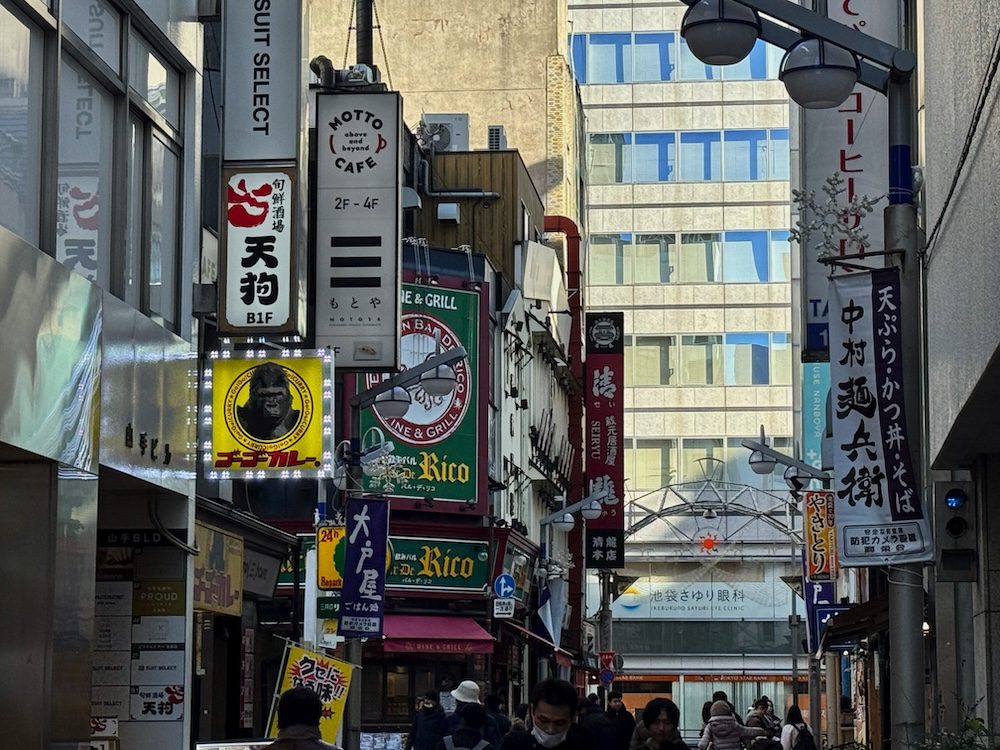
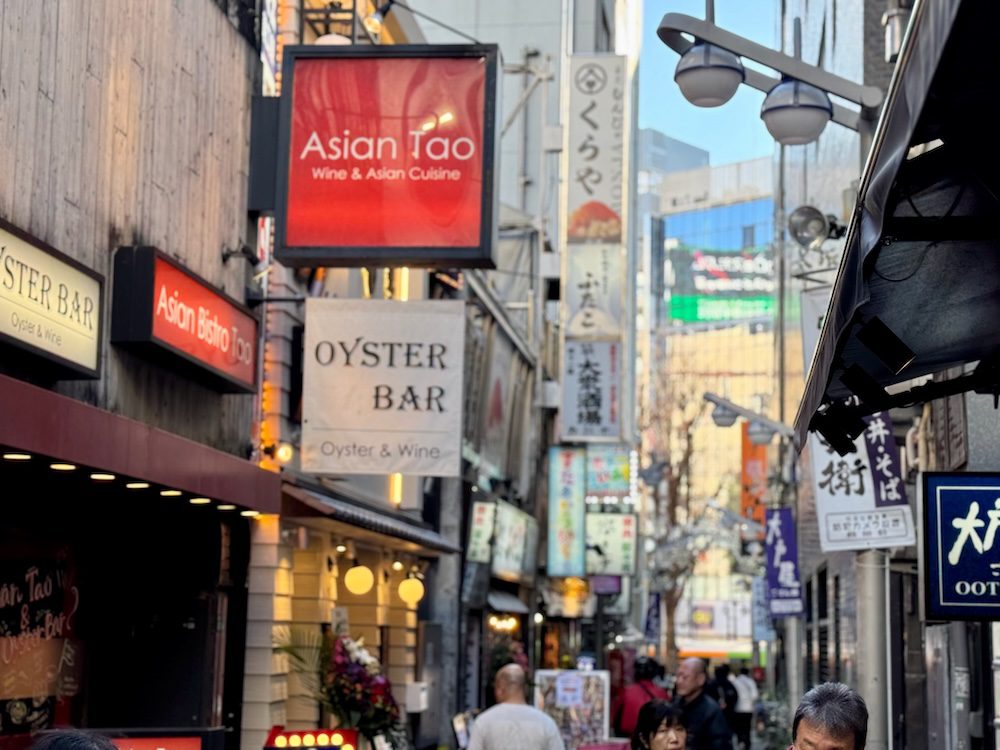
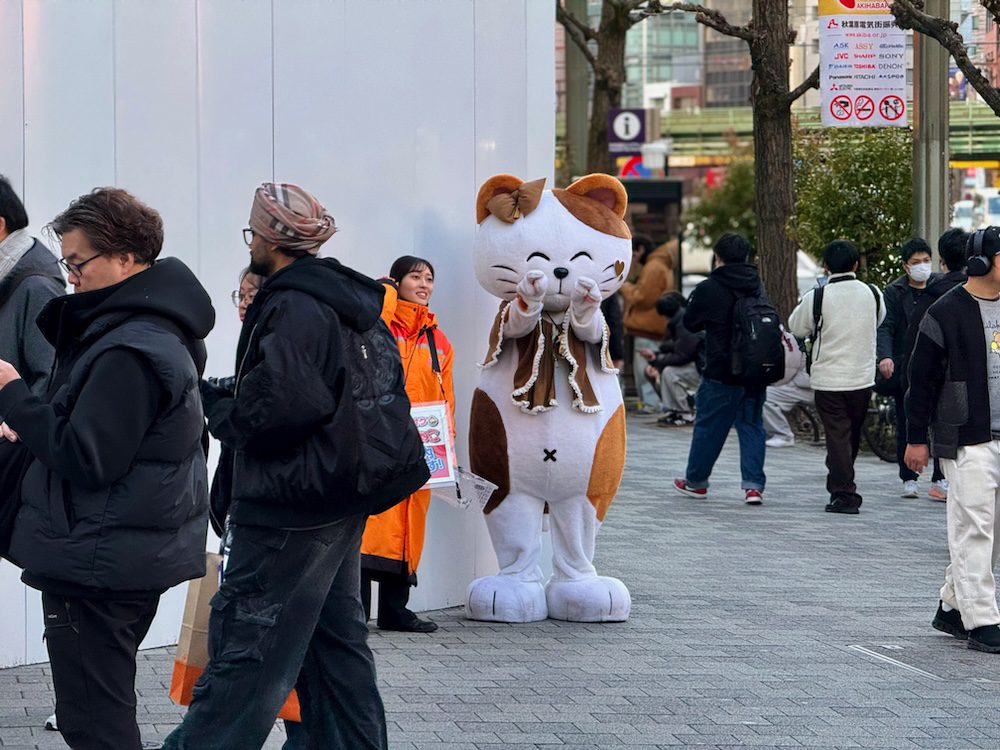
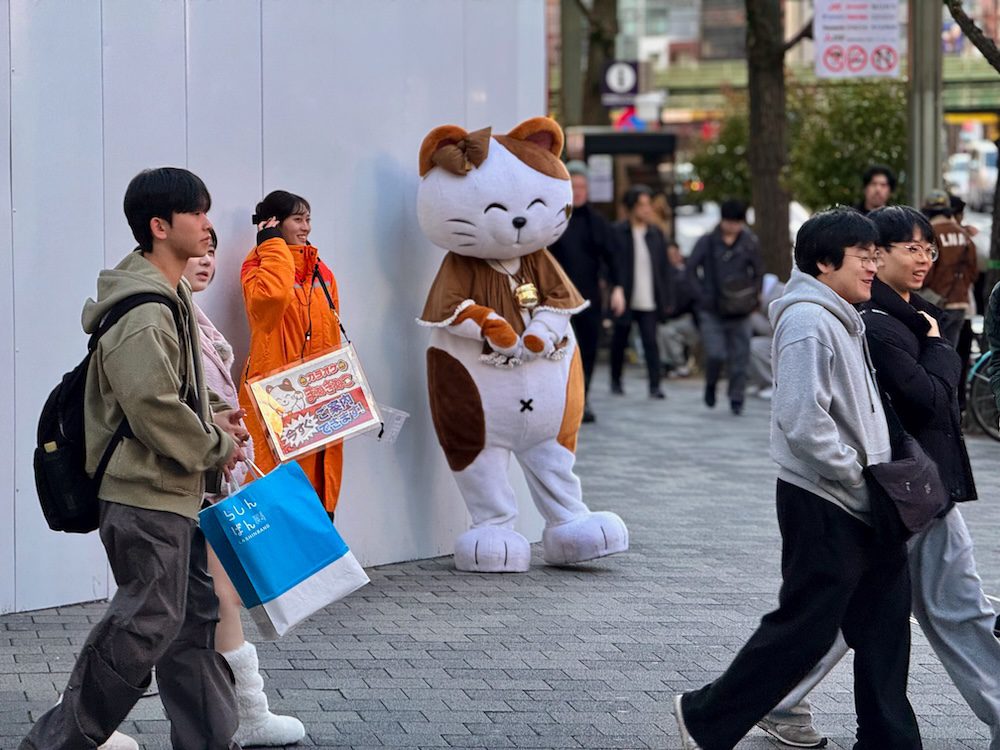
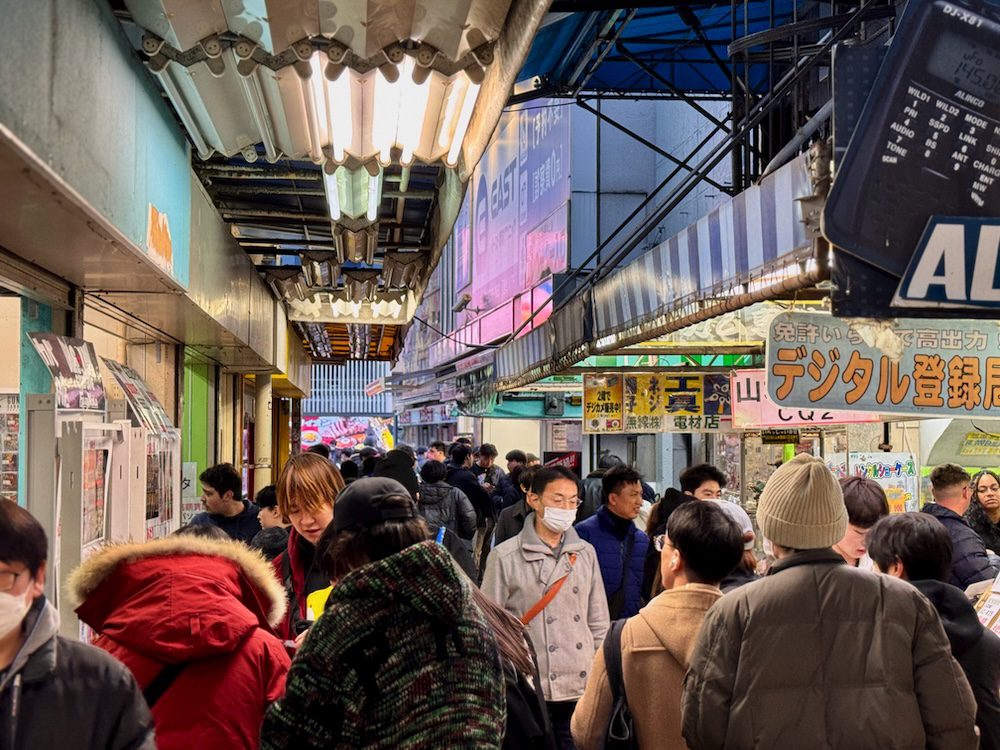
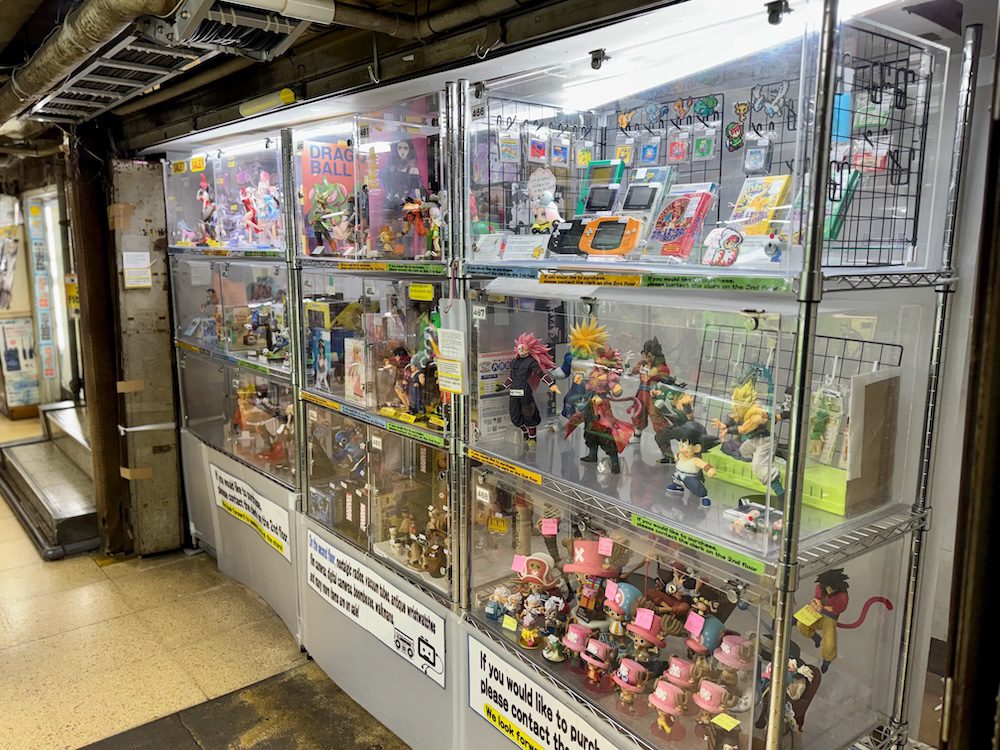
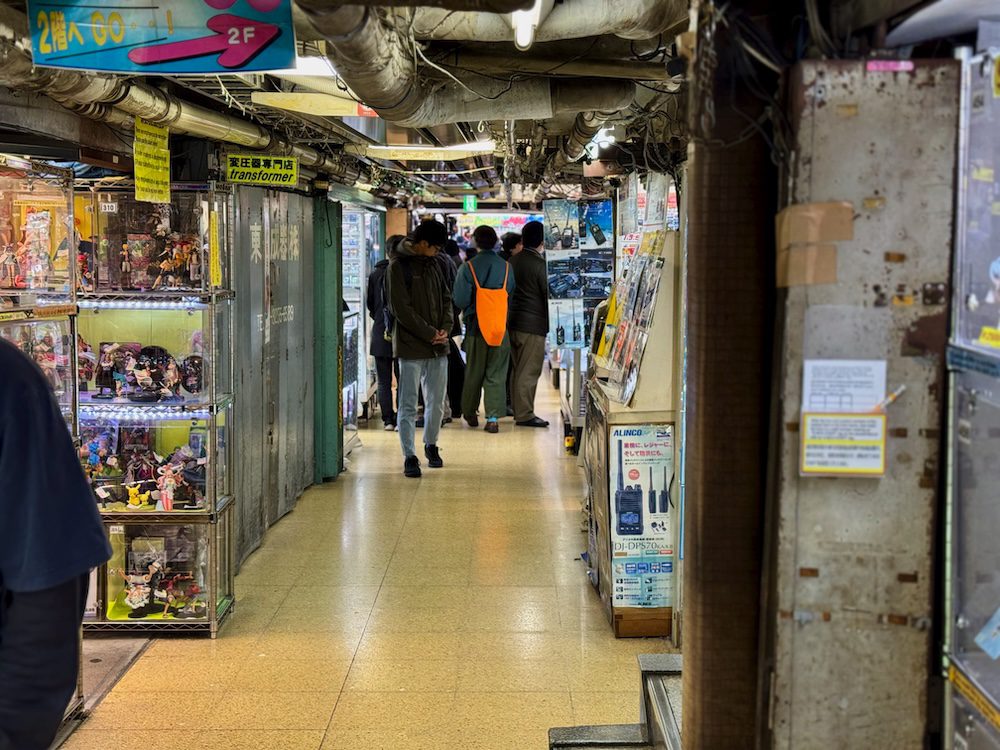
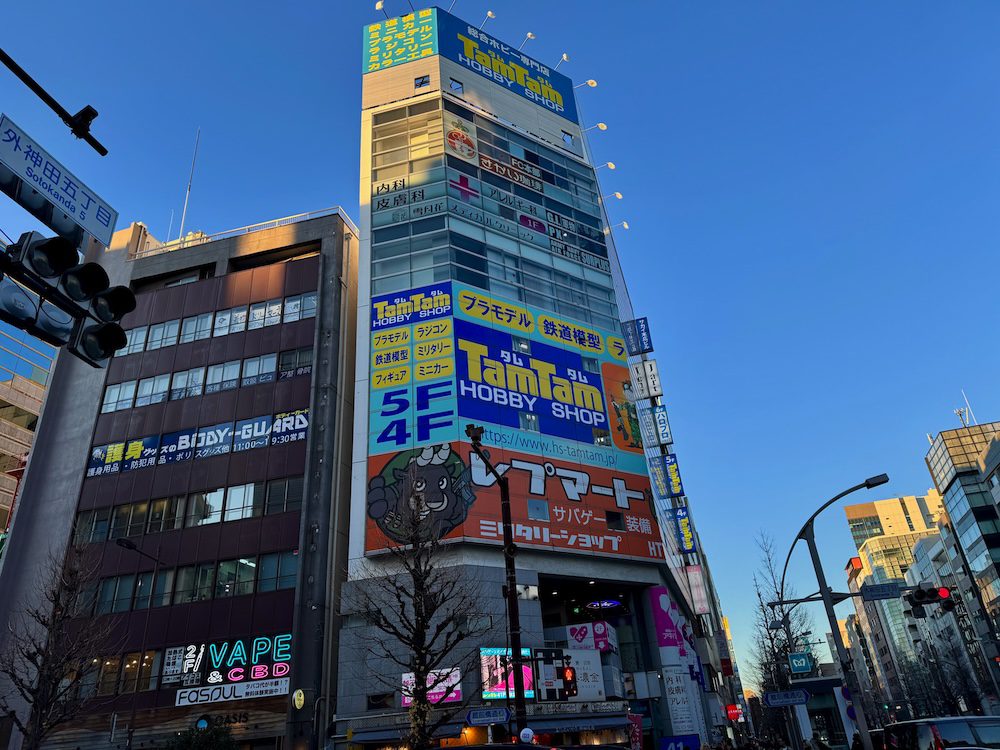
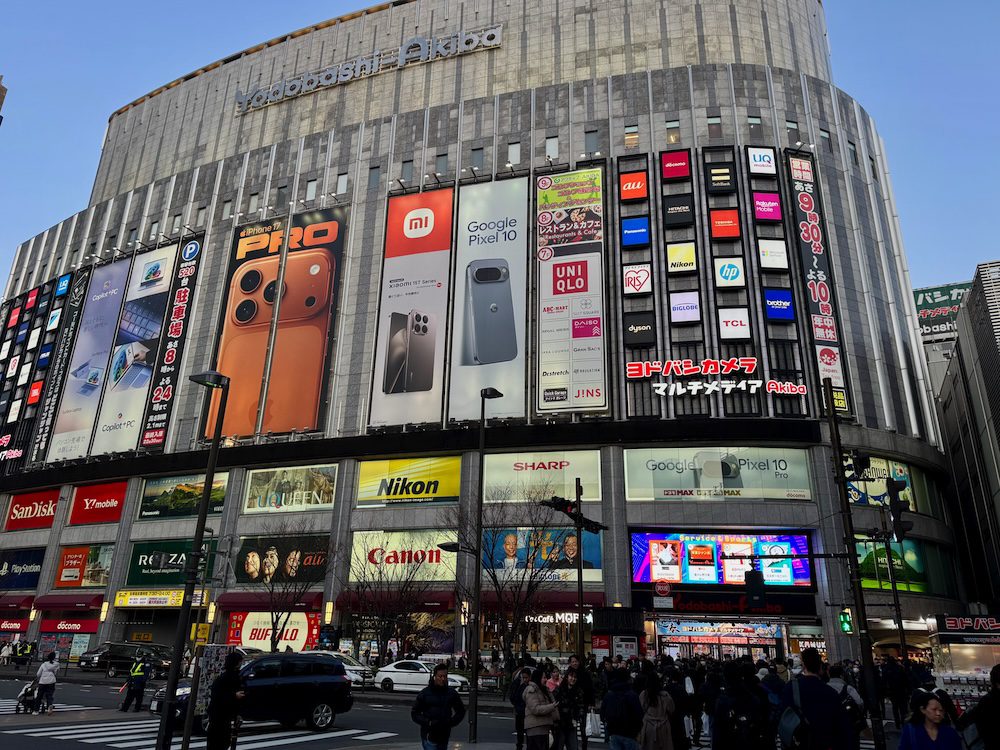
Today was a little bit different to yesterday, both in weather and locations visited. It was my first day without the JR Pass, which had served me so well these past few days. The first stop was Nippori Station to have a wander through the Yanaka District. It is an area that I have never walked through, and it was to present a slice of mid-Showa period. So much of the Edo and earlier periods were lost in the Great Kanto Earthquake of 1923 so this is the period you are more likely to witness in Tokyo. My first stop was the Yanaka Cemetery for a quick wander around the grounds. I am always fascinated with way in which cemeteries are presented and differ around the world. You visit Paris and sites like Pere La Chais and Montparnasse incorporate so much of the art in the way of sculptures, that Paris is famous for. Yokohama yesterday, will elicit a different sense of loss due to the nature of Commonwealth War Grave Sites. You walk around here, and there is a solemn feel that embraces you. While they all differ, similarities exist that highlights the importance of life and remembrance. The next stop was the Daikokuten Kyōō-ji Temple, a small Buddhist temple which dated back to the mid 17th Century. The main gate displayed a history unto itself, with bullet holes from 1868 Battle of Ueno fully evident. The site itself has a more localised significance but at this time of the year, places such as these and shrines play an important role in setting up the fortunes of the of the new year. Onto Yanaka Old Town, which is primarily a older precinct that dates back to the post war period. An interesting area of shops that wasn’t too crowded for a change. The latter part of the day was spent in the modernised areas of Tokyo in Ikebukuro & Akihabara. Technology and everything you associate with modern Japan is summed up in these two areas. One more day to go, and then home.