Himeji Castle, Japan’s most celebrated feudal fortress, is a UNESCO World Heritage Site and the country’s finest surviving example of traditional castle architecture. Known as the “White Heron Castle” for its brilliant white exterior, the complex dates back to the early 17th century and features an intricate system of gates, walls, and defensive corridors. Perfectly preserved and dramatically set above the city, Himeji Castle is a must-see highlight of Japan’s historical heritage.
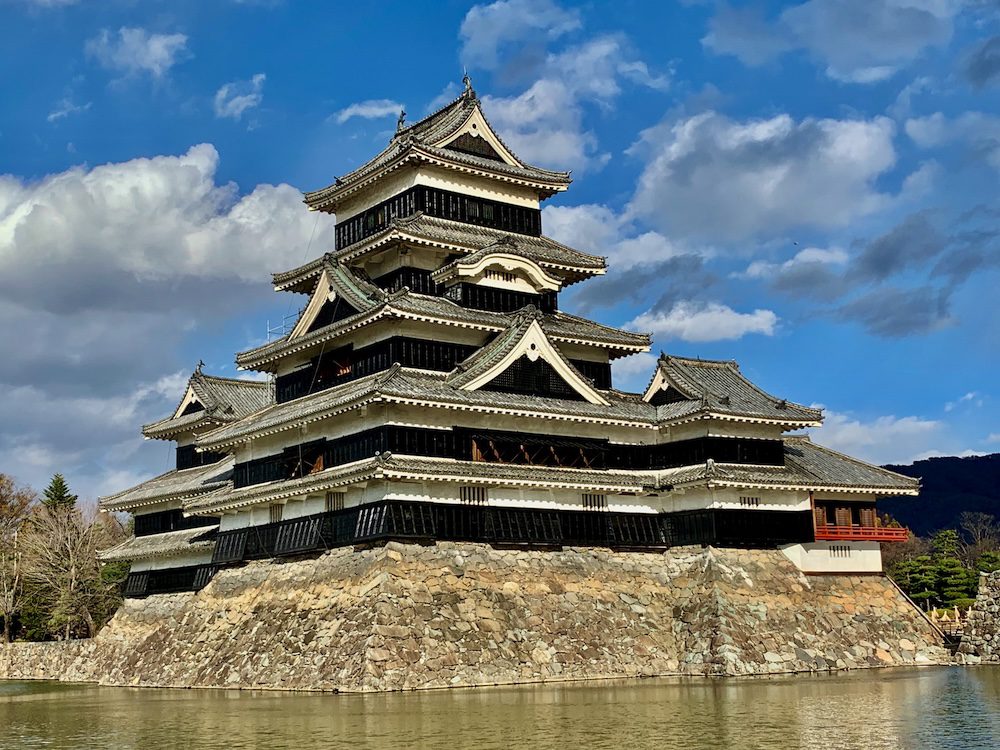
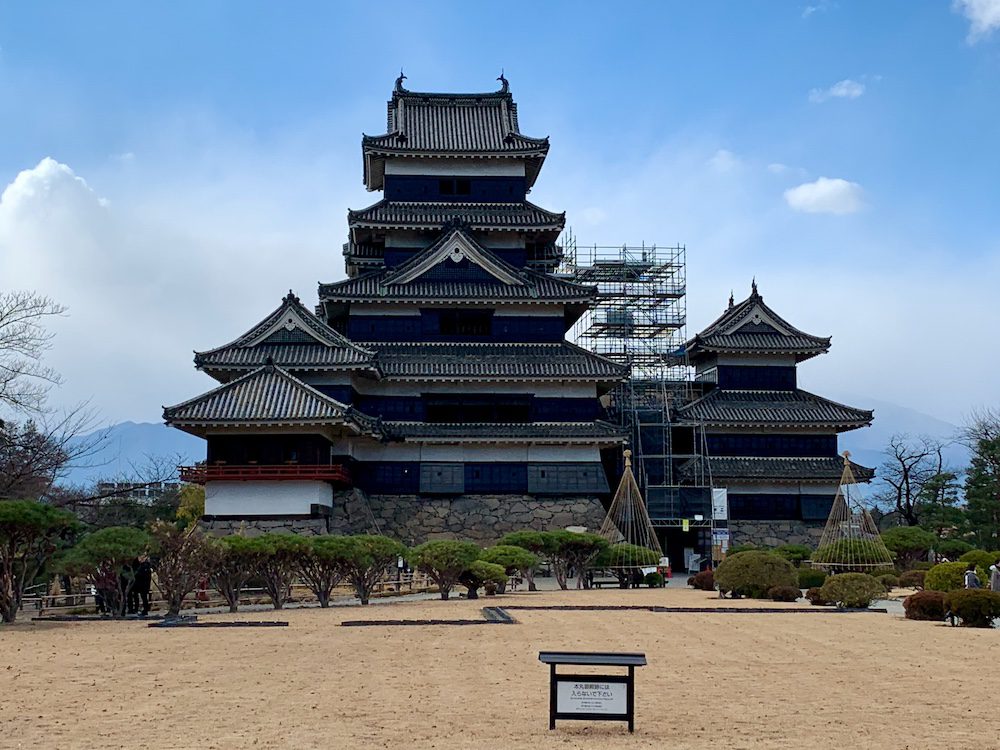
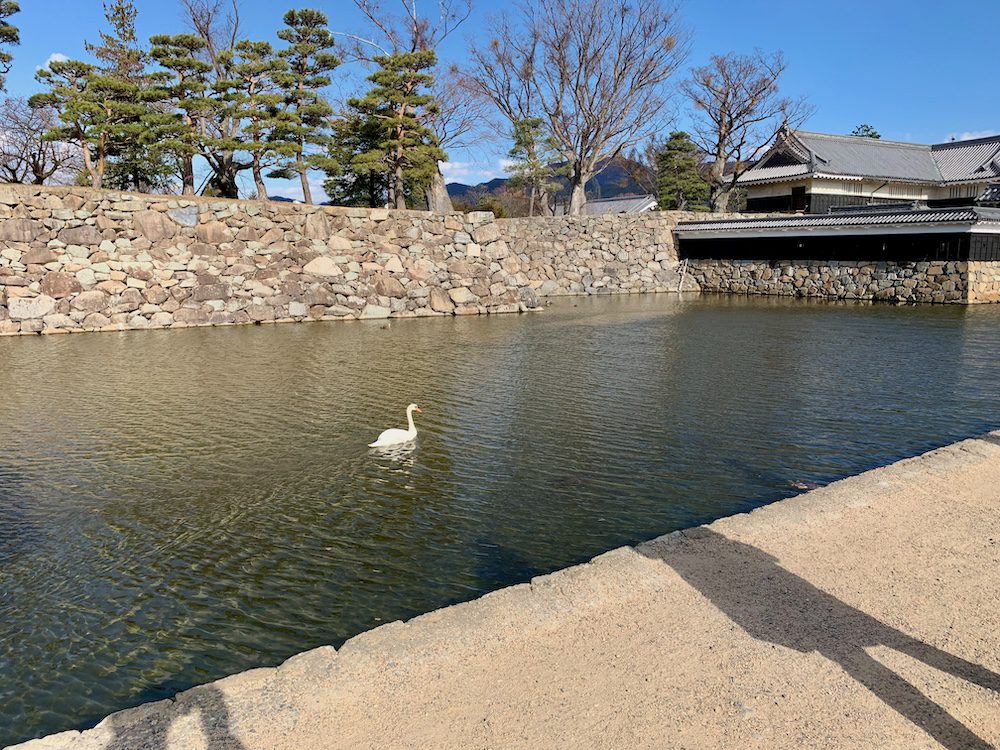
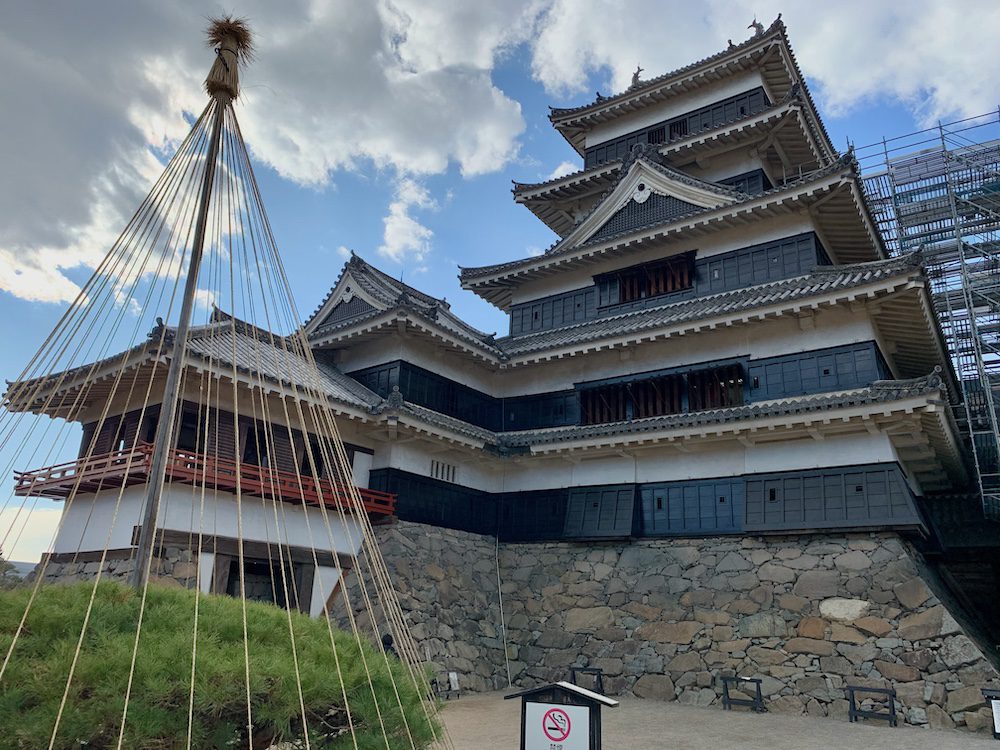
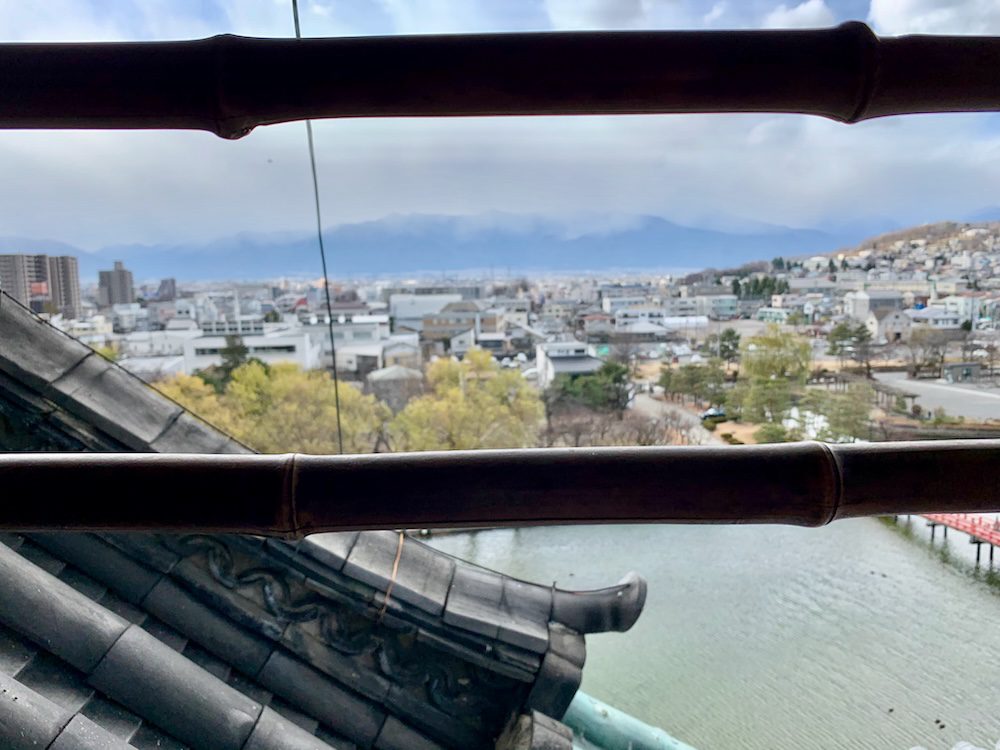
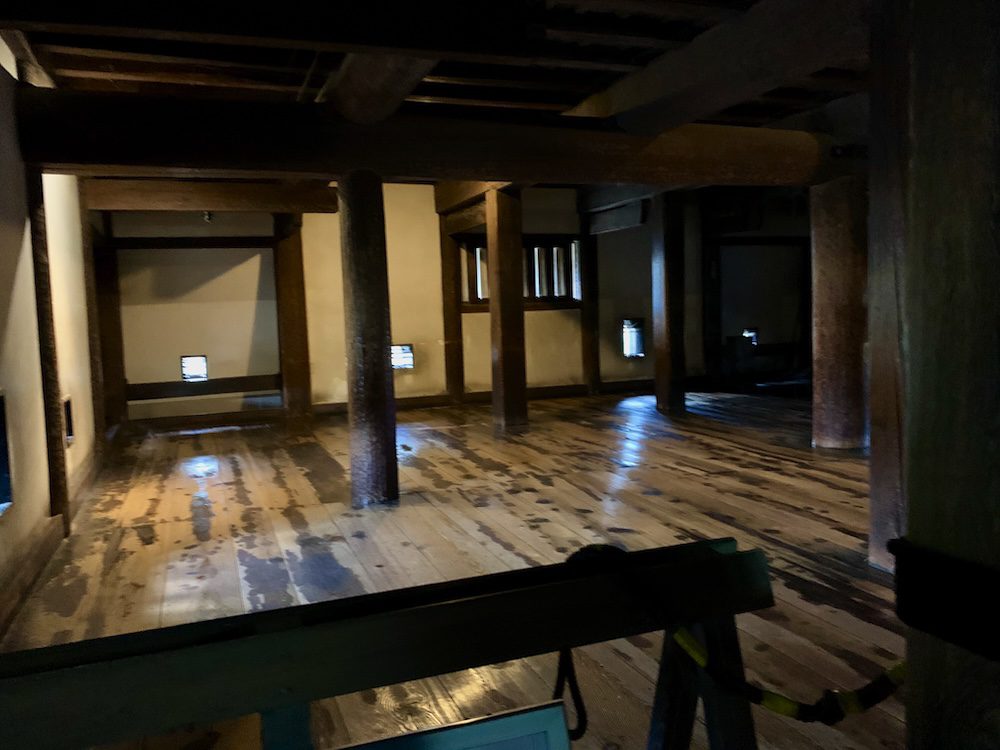
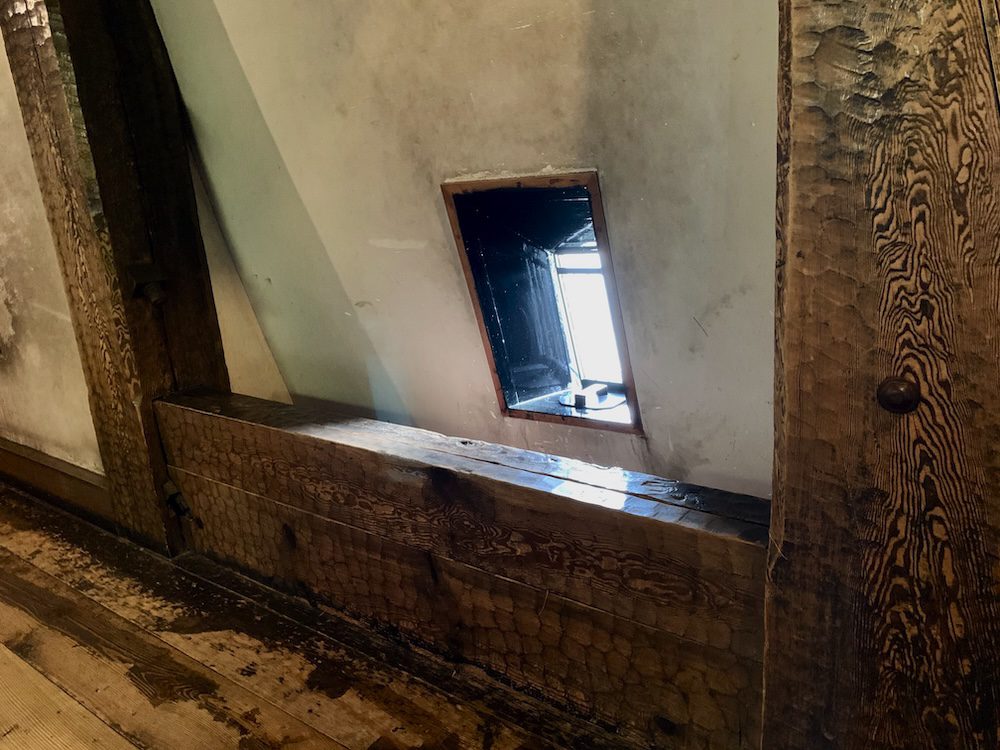
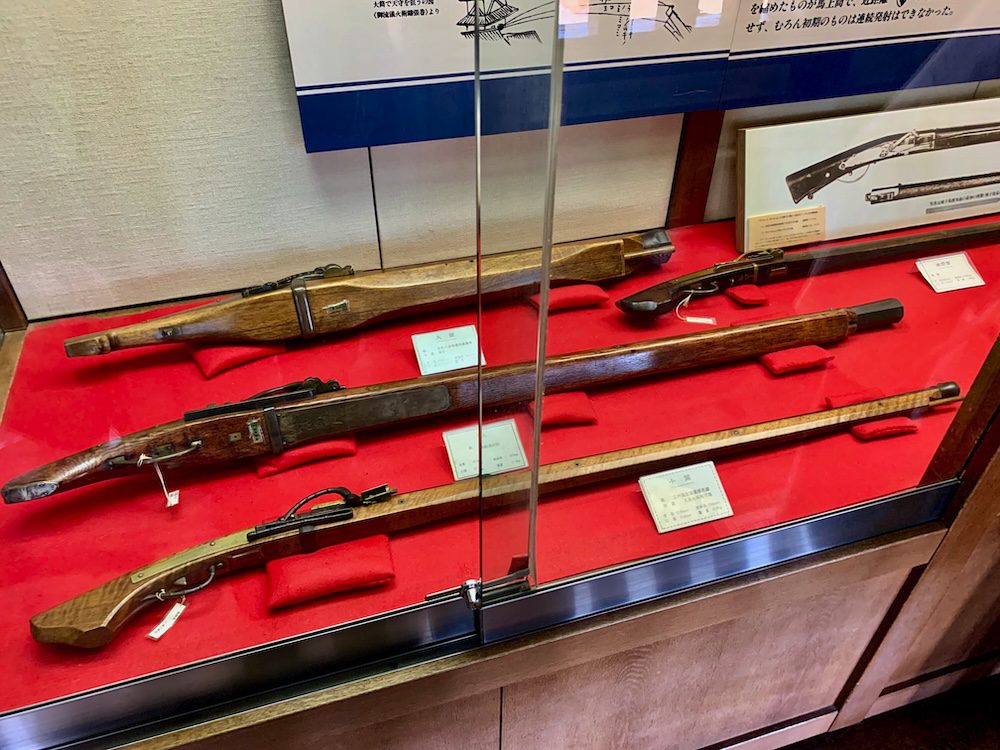
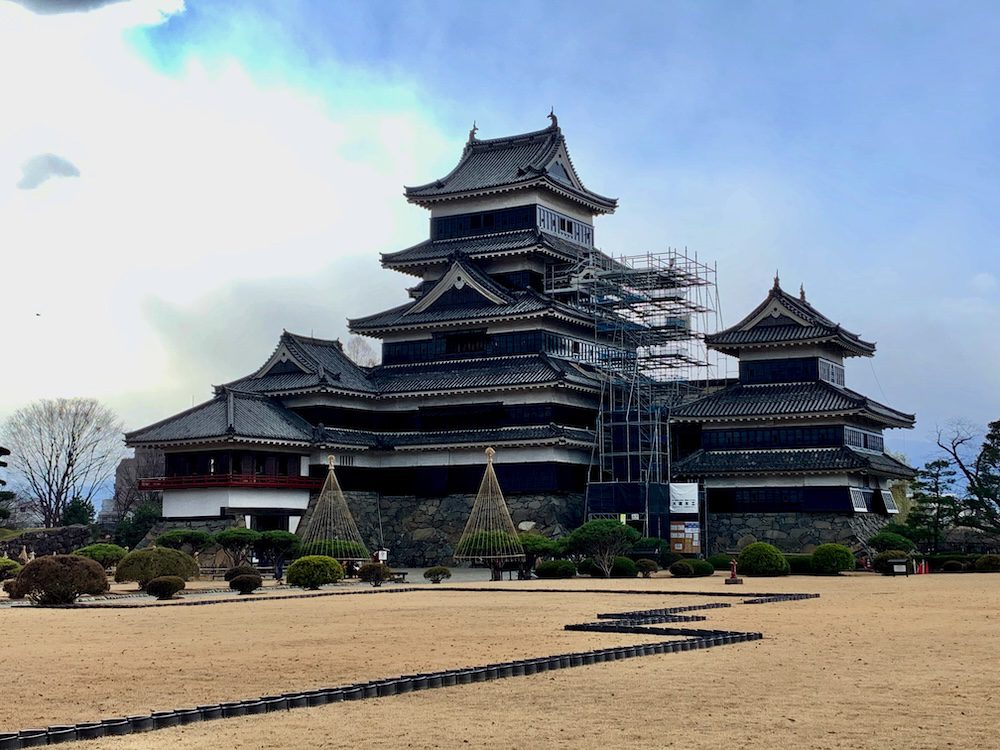
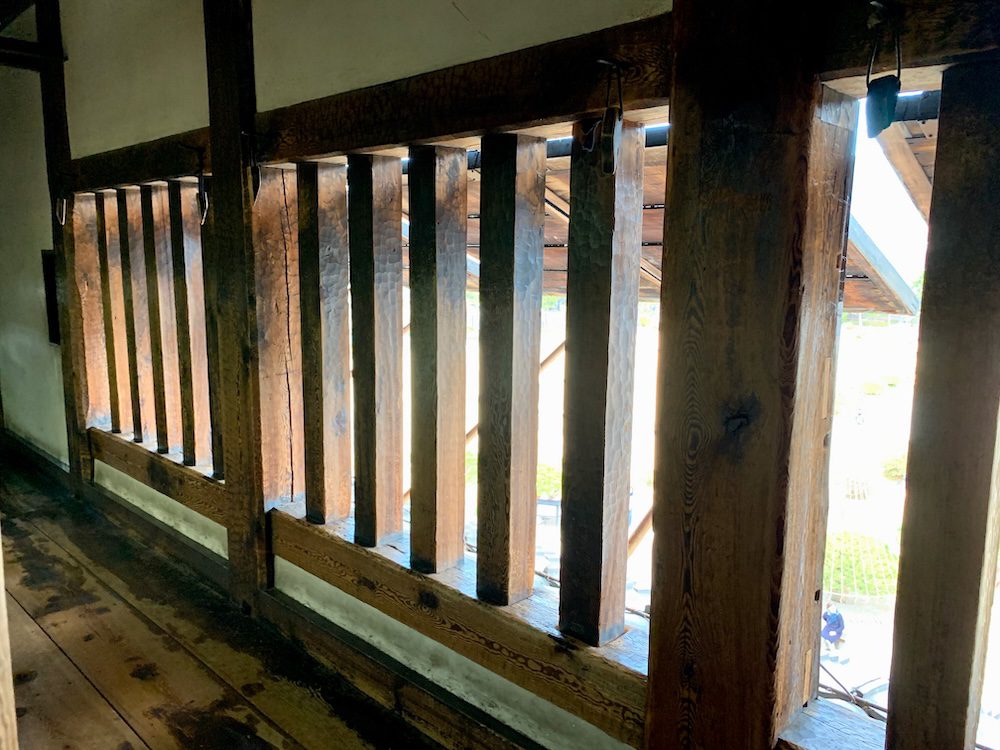
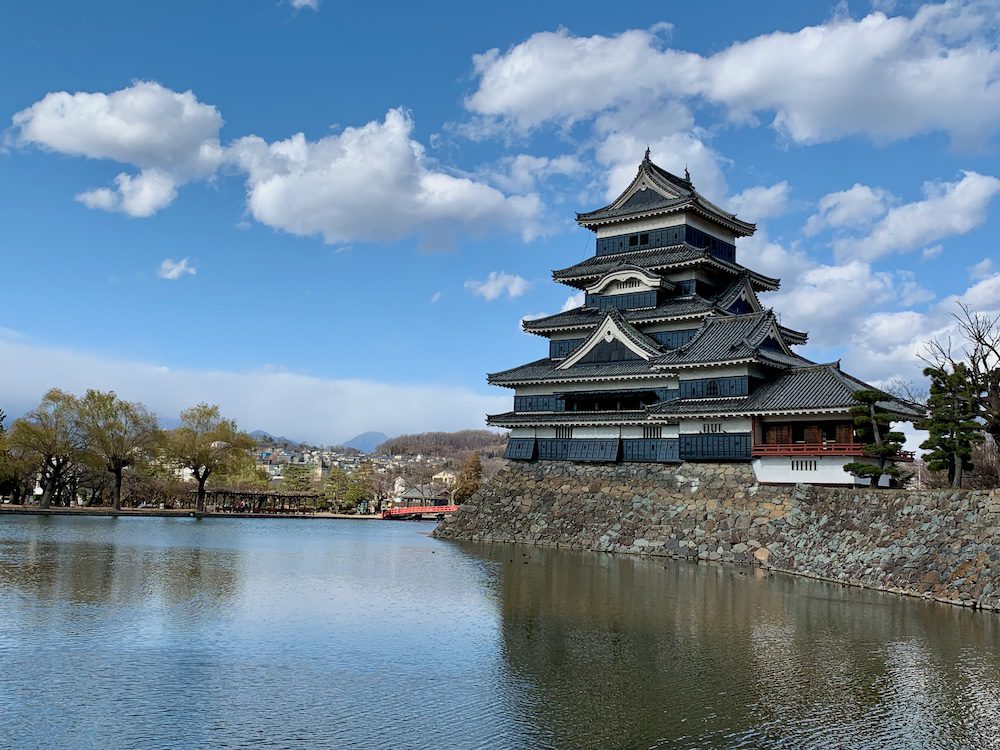
Matsumoto Castle, often called “Crow Castle” for its elegant black exterior, is one of the 12 original castles remaining in Japan, with its main keep dating back to the late 16th century. Built on flatland rather than a hilltop, it features dramatic wooden interiors, steep staircases, and sweeping views of the Japanese Alps from the top floor. Encircled by moats and parkland, the castle provides visitors a glimpse into Shogunate Japan.
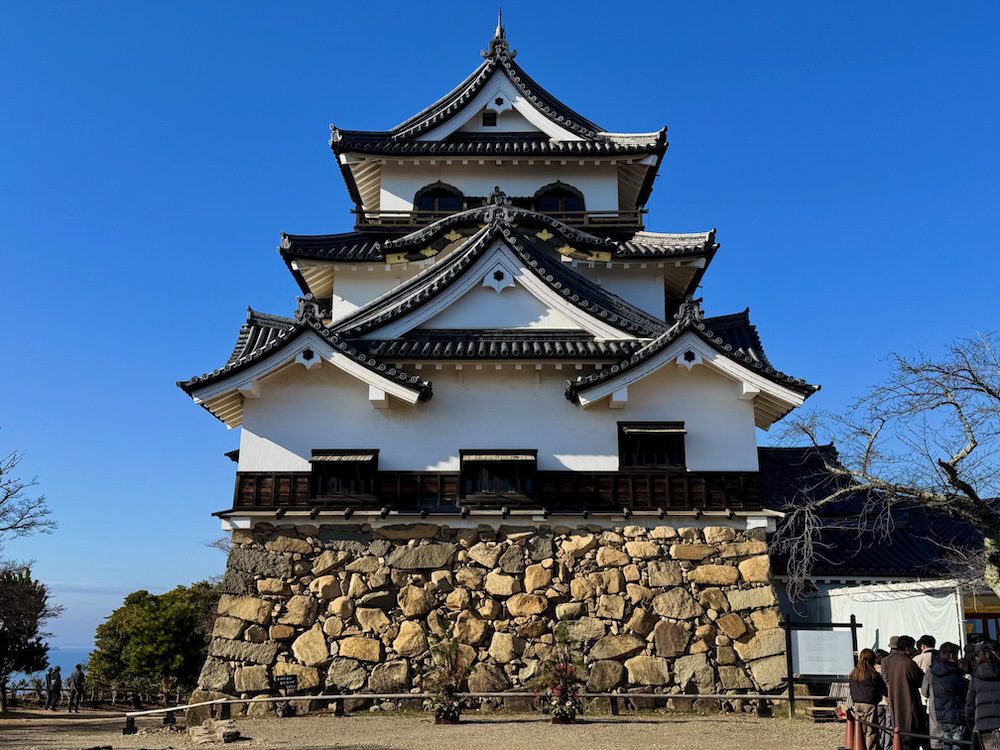
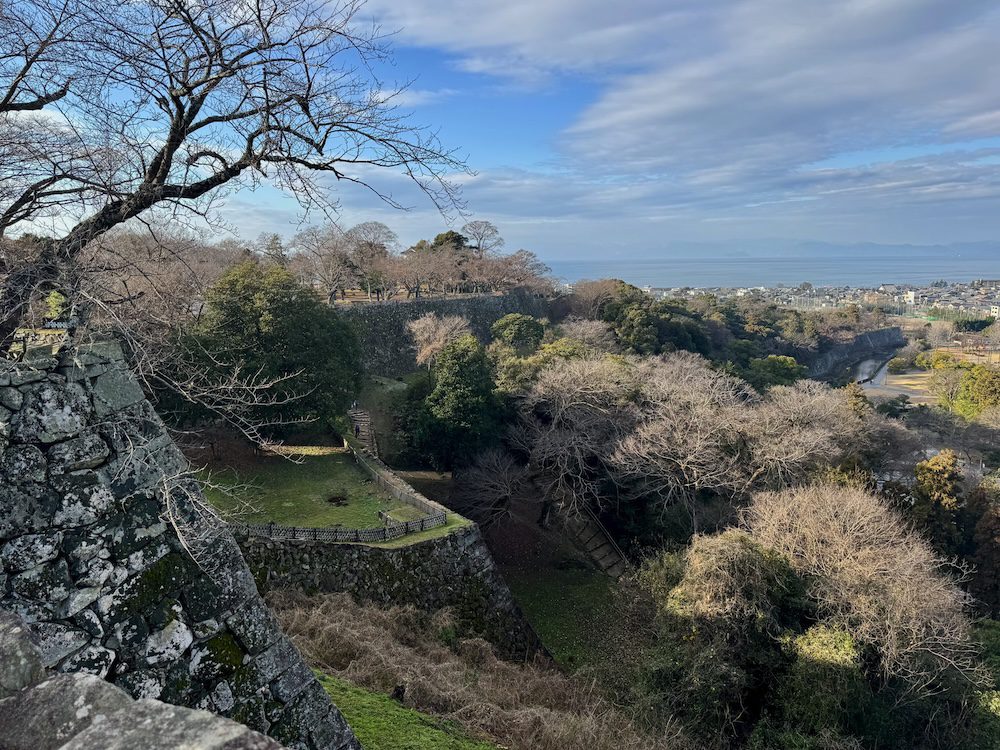
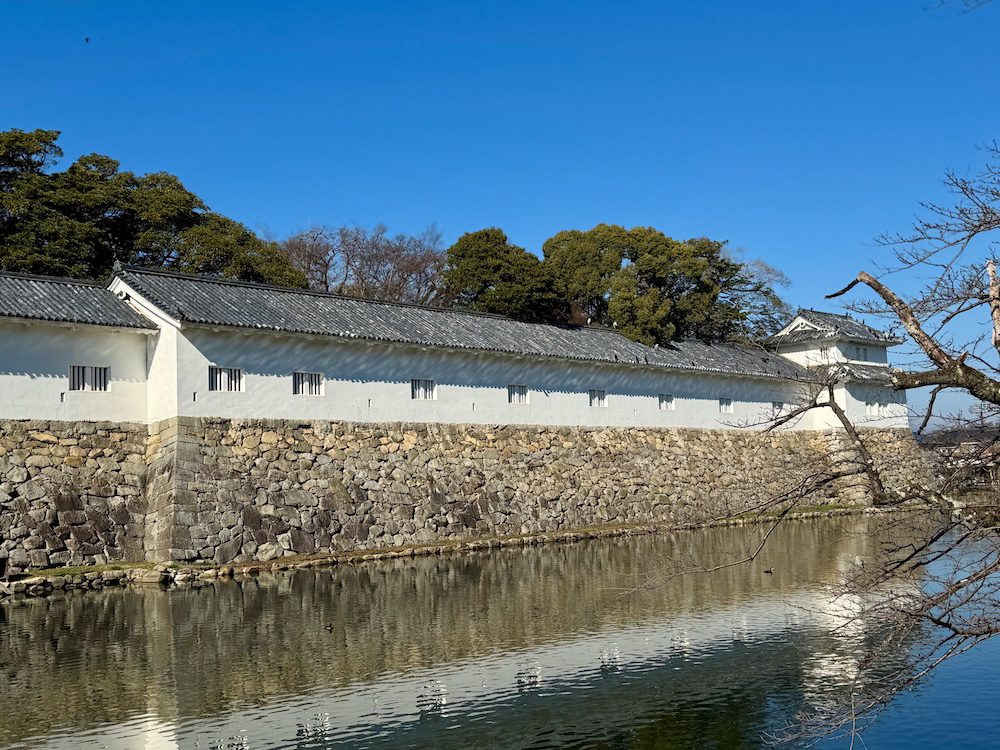
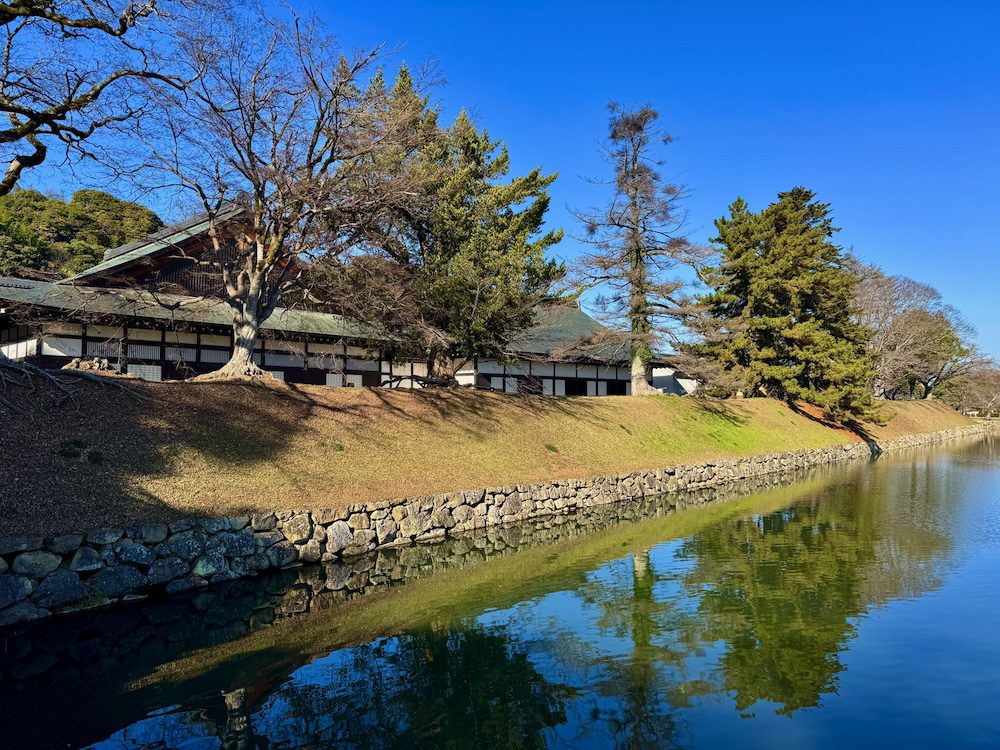
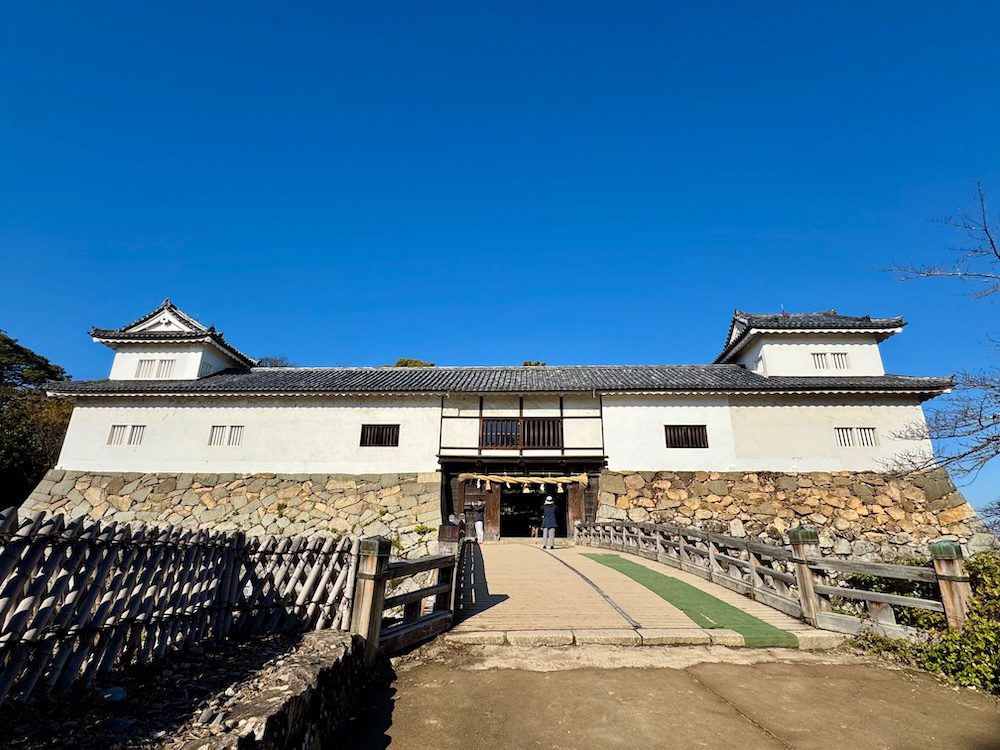
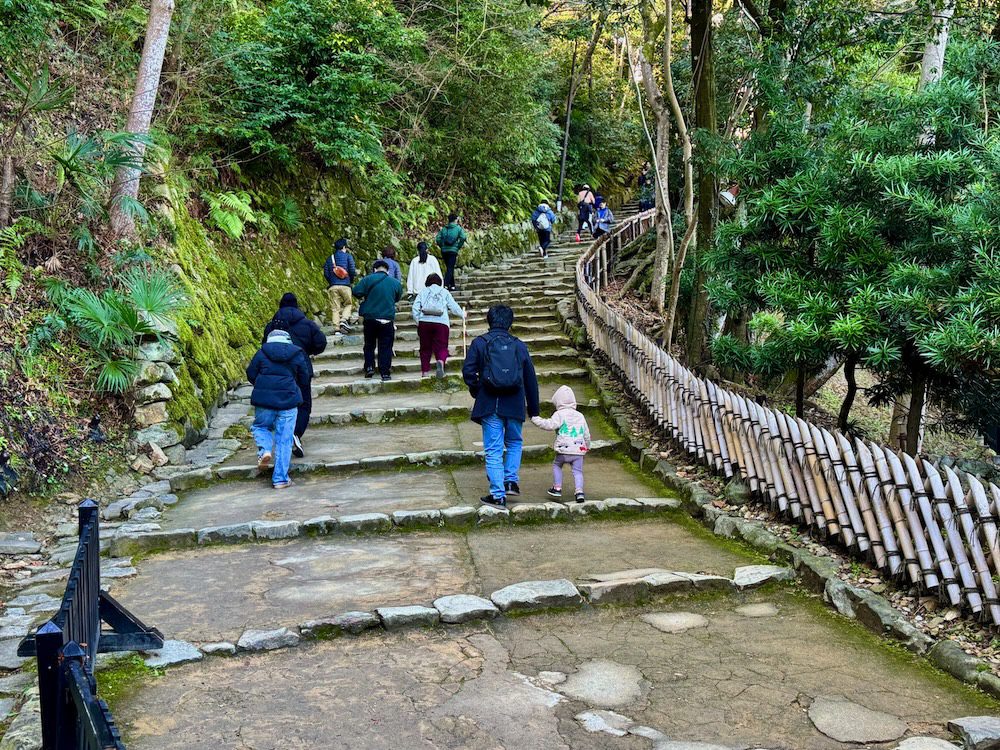
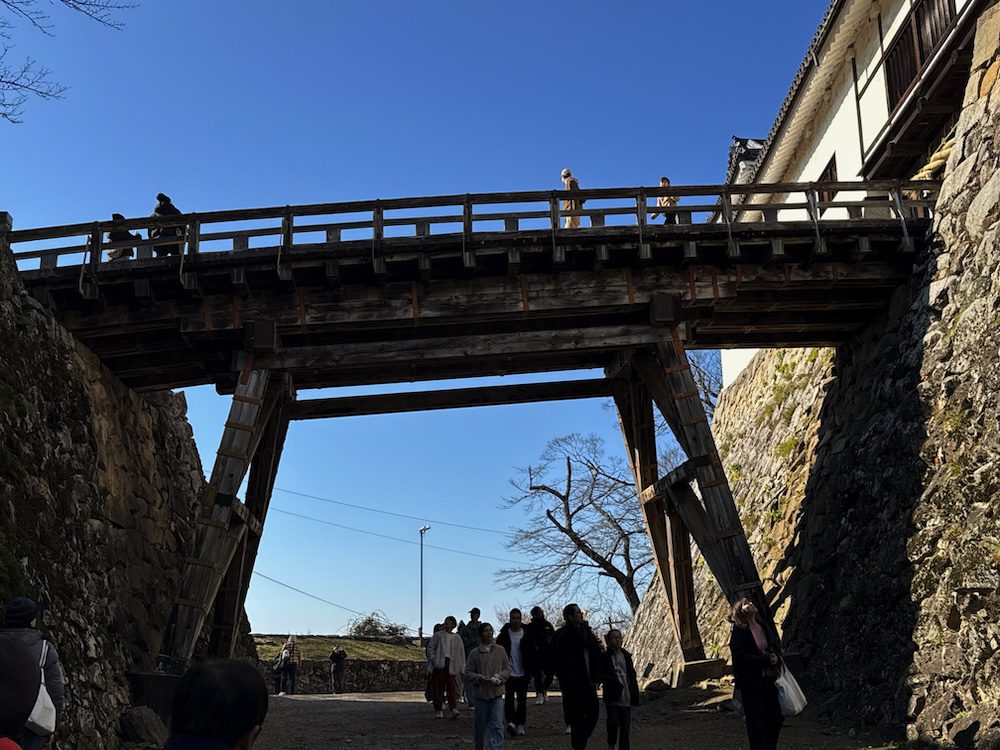
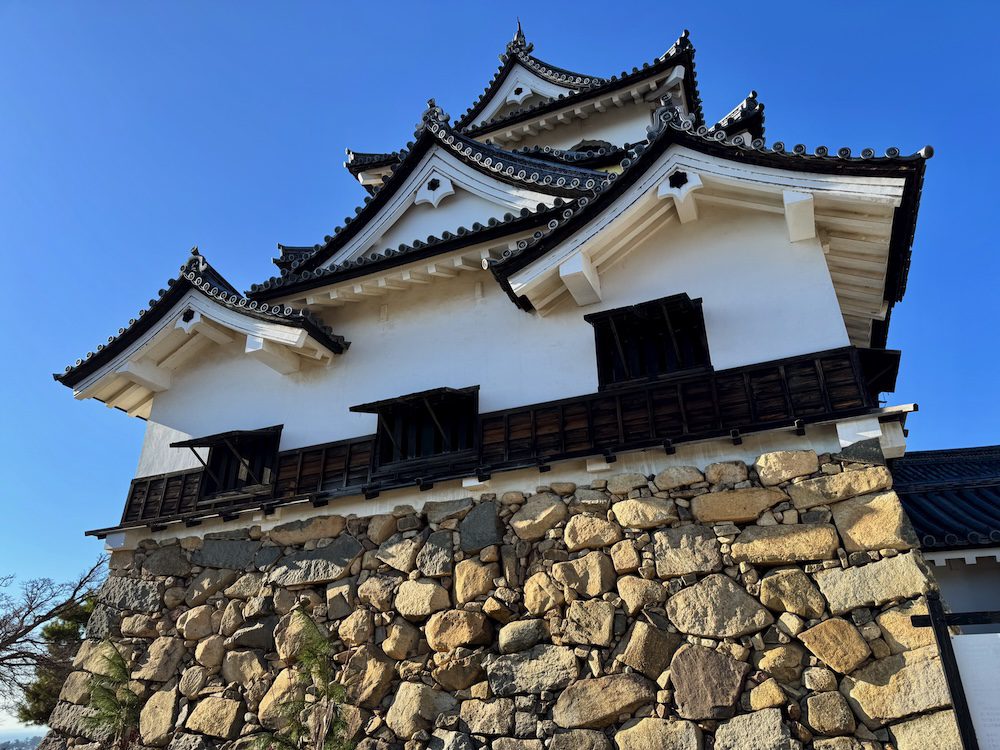
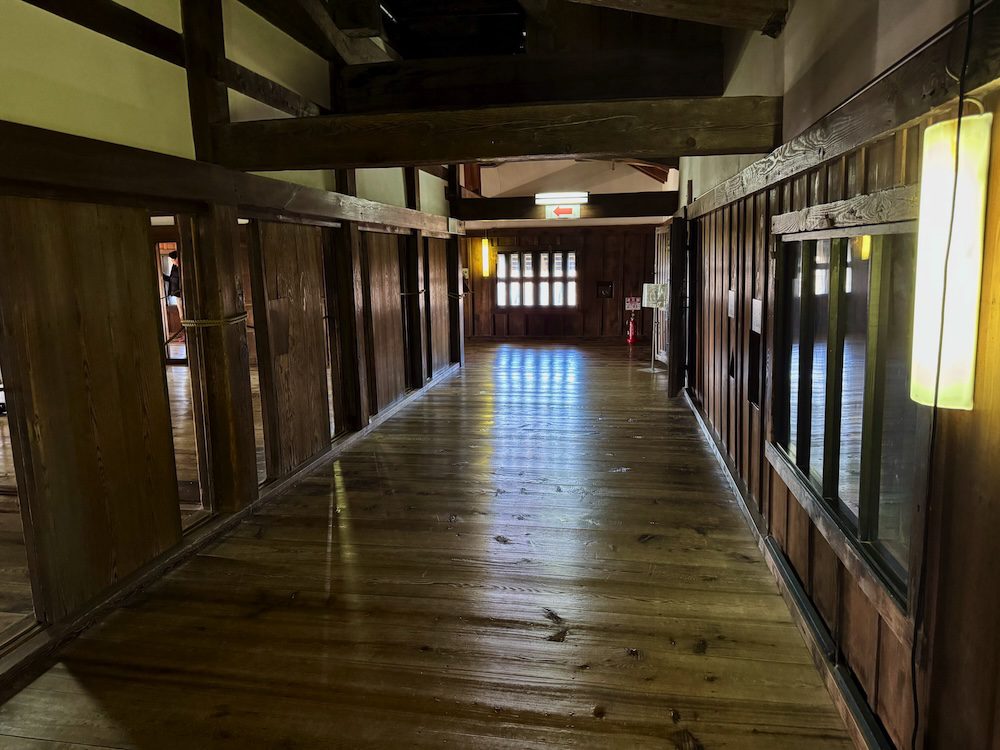
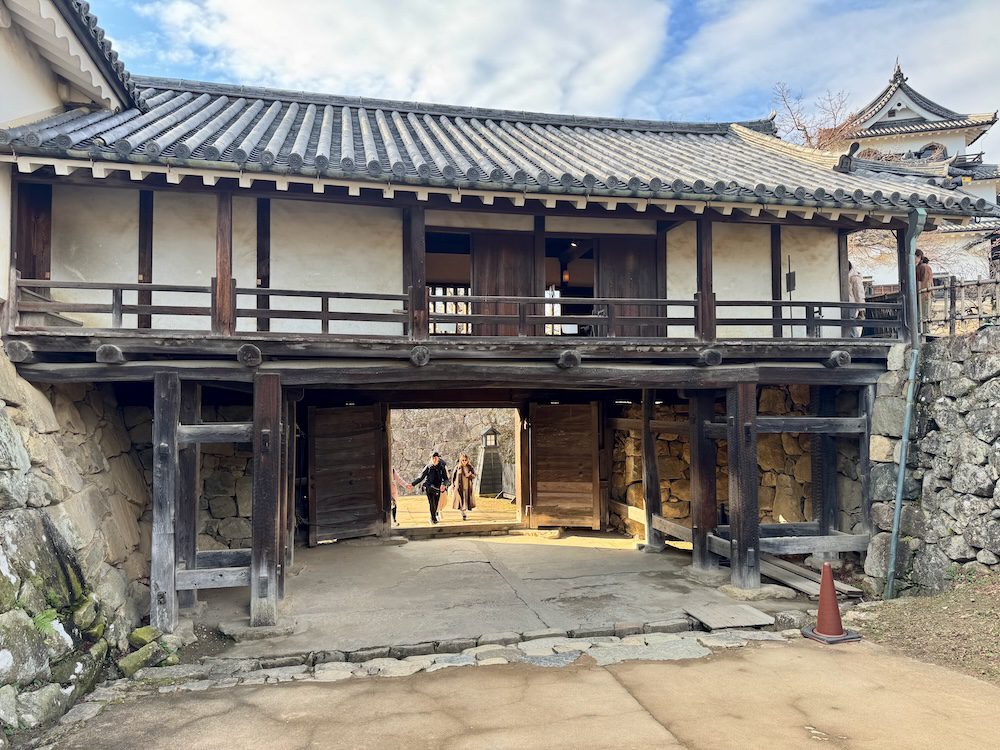
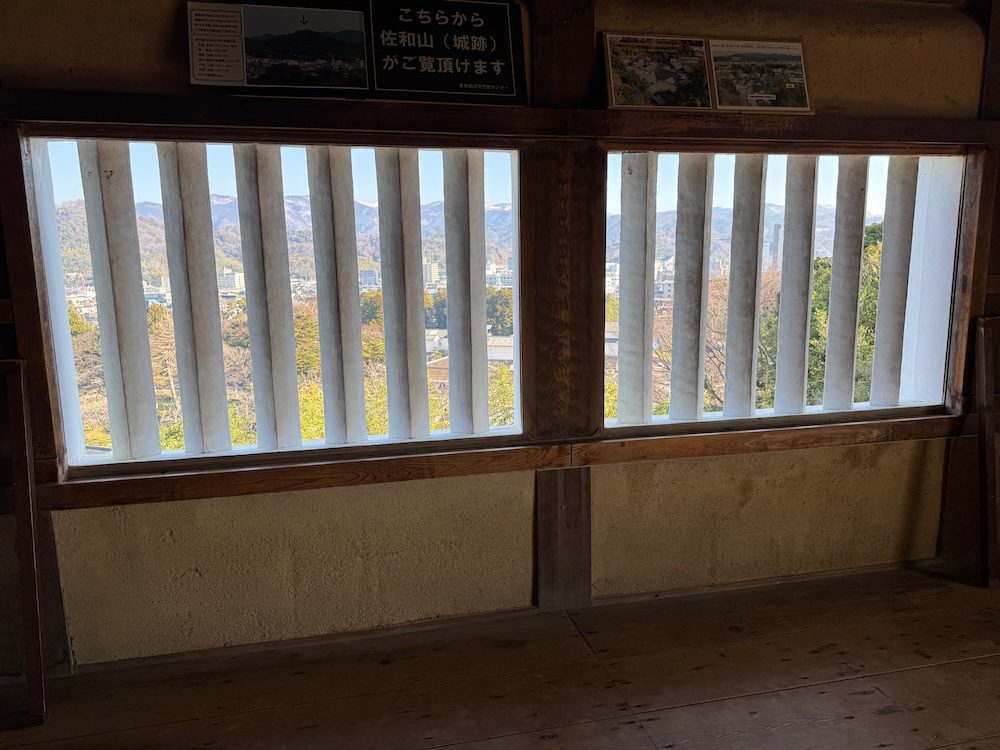
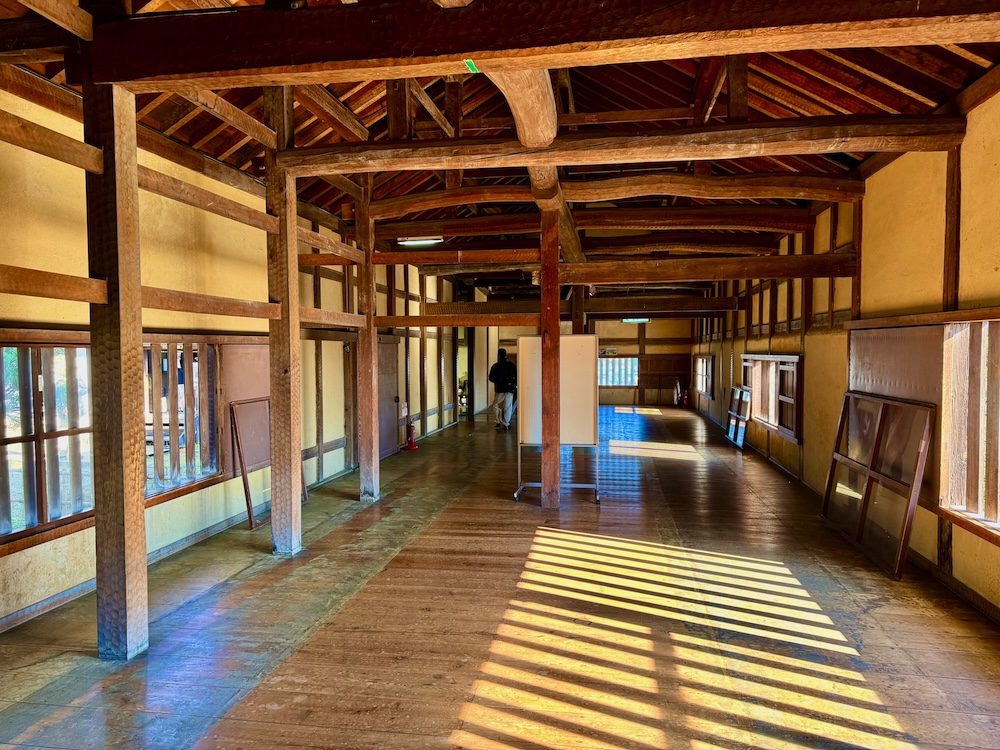
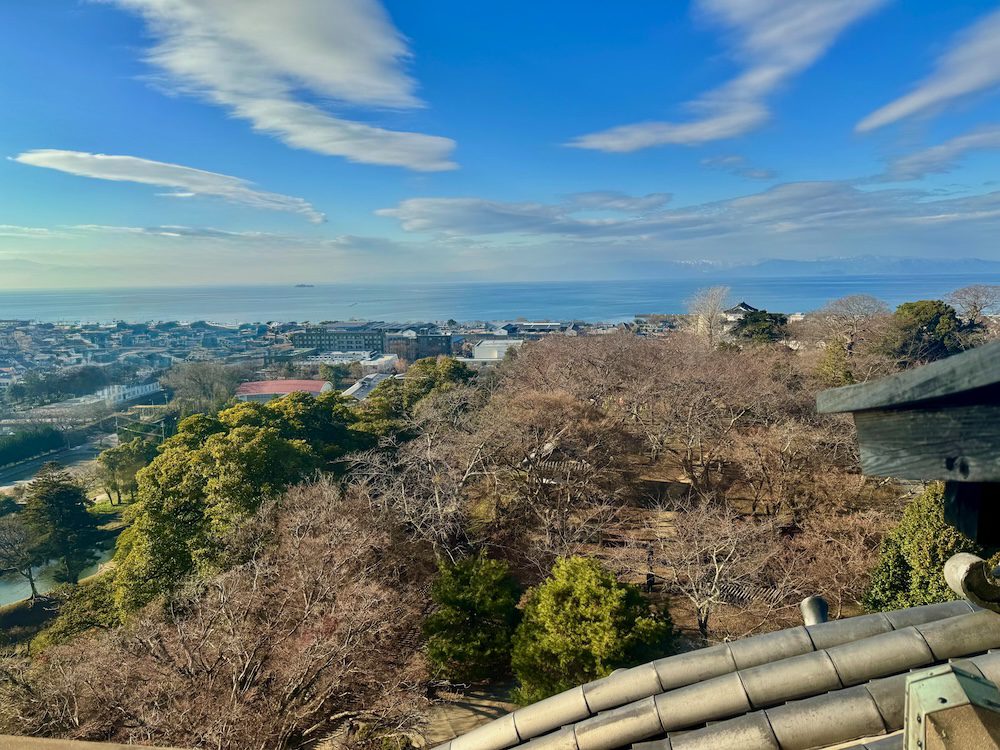
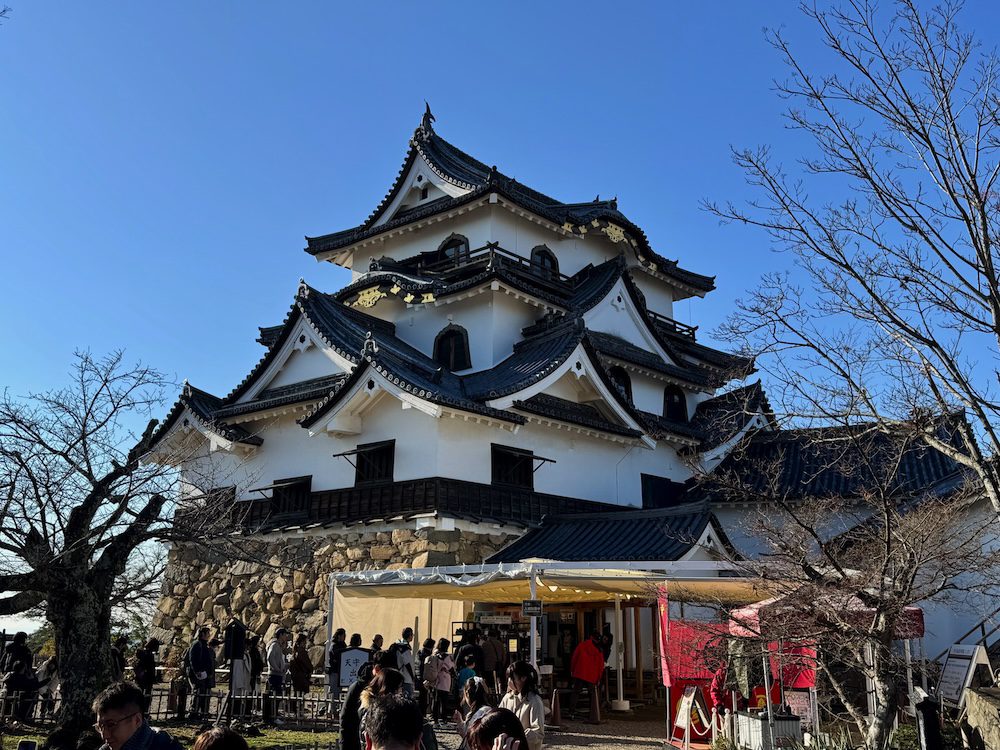
Designated a national treasure, Hikone Castle is situated an less than an hour by rail outside of Kyoto. One of Japan’s few remaining original castles, with its beautifully preserved main keep dating back to the early 17th century. The inner keep is one of only five original keeps left standing in Japan. Overlooking Lake Biwa, it is renowned for its elegant white walls, sweeping views, graceful rooflines, and well-maintained defensive features. Paired with the Genkyu-en Garden, Hikone Castle offers visitors an authentic glimpse into Japan’s samurai era.
Osaka Castle is one of Japan’s most famous and significant landmarks. Originally built by Toyotomi Hideyoshi, key figure in Japan’s unification, construction began in 1583, and it took several years to complete. The castle was designed as a military stronghold for Hideyoshi and played a crucial role in the political landscape of the time. Destroyed during the Siege of Osaka in 1615, the current main keep was reconstructed in the 1930s and further renovated in the late 20th century.
Originally built in the late 16th century (1593) by the Feudal Lord Mori Terumoto, Hiroshima Castle served as the residence and stronghold for the Mori Clan during Japan’s feudal era. Designed in a traditional Japanese castle style with a five-story keep and extensive defensive structures, the castle was mostly destroyed by the atomic bomb dropped on Hiroshima in 1945. Reconstructed in 1958 using reinforced concrete, the complex houses a museum with exhibits showcasing the history of Hiroshima Castle, its role in feudal Japan, artifacts, samurai armor, and historical documents.
Nijō Castle is a UNESCO World Heritage Site in Kyoto and a masterpiece of early Edo-period architecture. Built in 1603 as the Kyoto residence of Tokugawa Ieyasu, it is famous for its lavishly decorated palaces, sliding doors painted with gold-leaf artwork, and the distinctive “nightingale floors” that chirp underfoot to deter intruders. Surrounded by stone walls and tranquil gardens, Nijō Castle offers a fascinating insight into the power and elegance of Japan’s shogunate era.
Kanazawa Castle is a striking symbol of the city’s samurai heritage, originally built in the late 16th century as the seat of the powerful Maeda clan. The castle burnt down several times over the centuries, and the most recent fires of 1881 were survived only by two storehouses and the Ishikawa-mon Gate. While much of the castle has been carefully reconstructed, its impressive gates, white plaster walls, and spacious grounds showcase traditional Edo-period design.